


[Provisional translation]
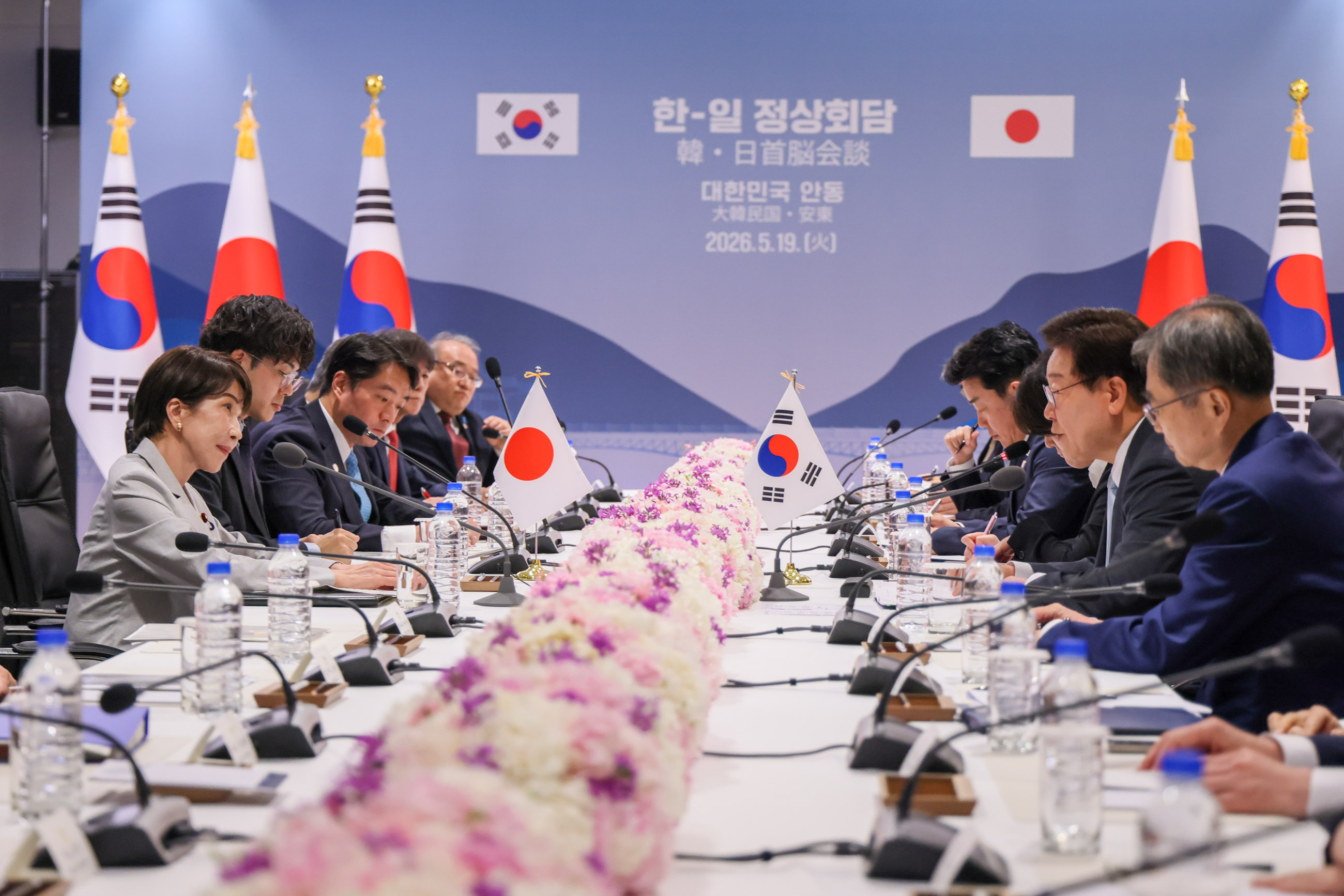
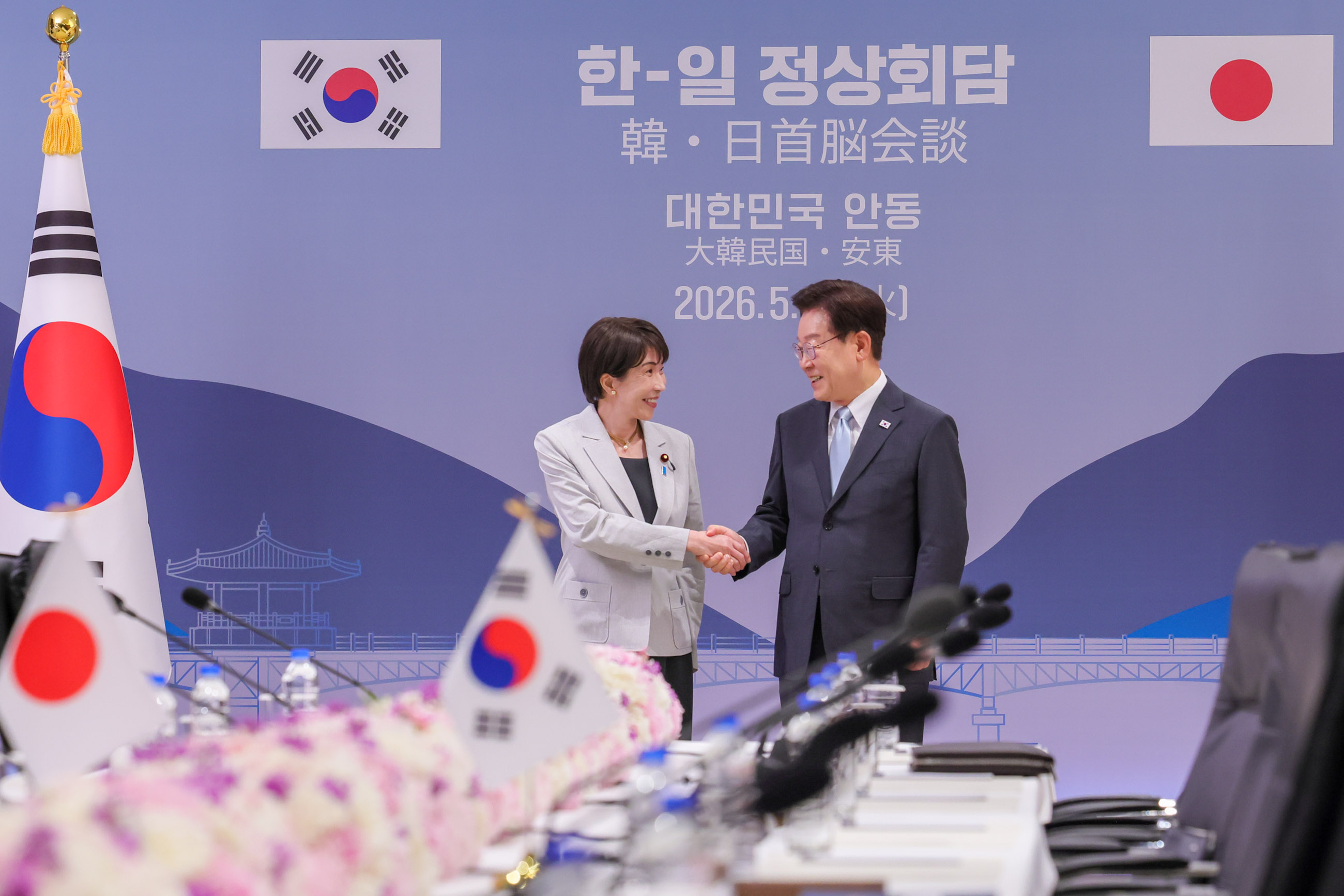
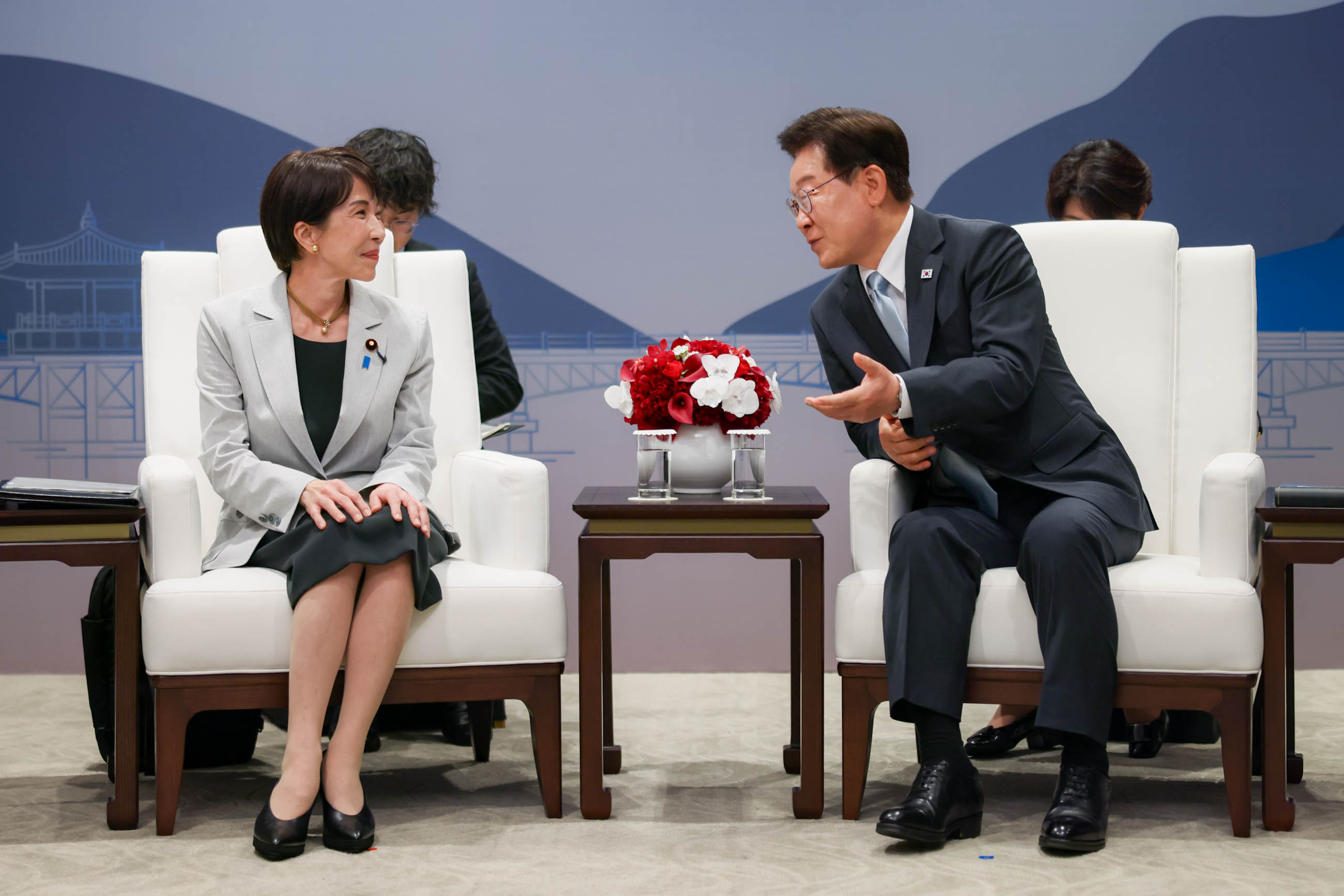
On May 19, commencing at 2:30 p.m. for approximately 100 minutes, Ms. TAKAICHI Sanae, Prime Minister of Japan, held a Summit Meeting with H.E. Mr. LEE Jae Myung, President of the Republic of Korea (ROK) , during her visit to Andong, the ROK. The summary of the meeting is as follows (The small-group meeting commenced at 2:30 p.m. and lasted for approximately 30 minutes; the plenary meeting commenced at 3:10 p.m. and lasted for approximately 70 minutes). After the meeting, the two leaders held a joint press occasion.
- At the outset, Prime Minister TAKAICHI expressed her great pleasure of visiting Andong, President Lee’s hometown, and practicing “shuttle diplomacy”.
- The two leaders had a candid exchange of views on overall Japan-ROK relations and the situation in the Indo-Pacific region with the situation in the Middle East in mind.
- The two leaders shared a recognition of the strategic importance of Japan-ROK relations, and concurred to maintain and strengthen the positive atmosphere of the Japan-ROK relations. They also welcomed the recent Japan-ROK Security Dialogue at the vice-ministerial level for the first time.
- In light of the current international situation, the two leaders shared a recognition on the importance of Japan and the ROK taking the initiative in promoting peace and stability of the Indo-Pacific region, including maintaining and strengthening deterrence and response capabilities through the Japan-U.S. Alliance, the U.S.-ROK Alliance, and their strategic coordination.
- In light of the current international situation, the two leaders affirmed the importance of cooperation on supply chains between Japan and the ROK, including those for critical minerals, and that they will actively promote such cooperation under the Supply Chain Partnership Arrangement signed in March.
- The two leaders concurred to launch a Japan-ROK cooperation initiative and jointly explore the tangible actions to contribute to securing energy supply chains, including those for petroleum products, which is also rooted in the updated “Free and Open Indo-Pacific”. This initiative comprises two pillars: (i) strengthening energy supply resilience including stockpiling in the Indo-Pacific region under “POWERR Asia” announced last month, and (ii) enhancing energy security for both Japan and the ROK including mutual supply and swaps of crude oil, petroleum products and LNG.
- The two leaders welcomed the signing of a MOC on Japan-ROK cooperation on dealing with organized frauds.
- The two leaders concurred on the importance of strategic coordination, including security cooperation between Japan and the ROK, as well as among Japan, the ROK, and the U.S. They welcomed the advancement of concrete Japan-ROK-U.S. cooperation and confirmed their intention to further strengthen information sharing and cooperation in order to continue and bolster concrete Japan-ROK-U.S. cooperation including in security and economic security.
- The two leaders also discussed their policies toward North Korea, including on the nuclear and missile issues, and reaffirmed that they would work closely together between Japan and the ROK as well as among Japan, the ROK and the U.S. toward the complete denuclearization of North Korea. Prime Minister TAKAICHI also requested President Lee’s continued understanding and cooperation toward the immediate resolution of the abductions issue, and the two leaders concurred on the importance of such efforts.
- This round of “shuttle diplomacy” served as an opportunity to further strengthen trust between the two leaders. The two leaders concurred to continue close communication between the two governments, including through the active promotion of “shuttle diplomacy.”