Comprehensive Response Headquarters for U.S. Tariff Measures
July 25, 2025

[Provisional translation]
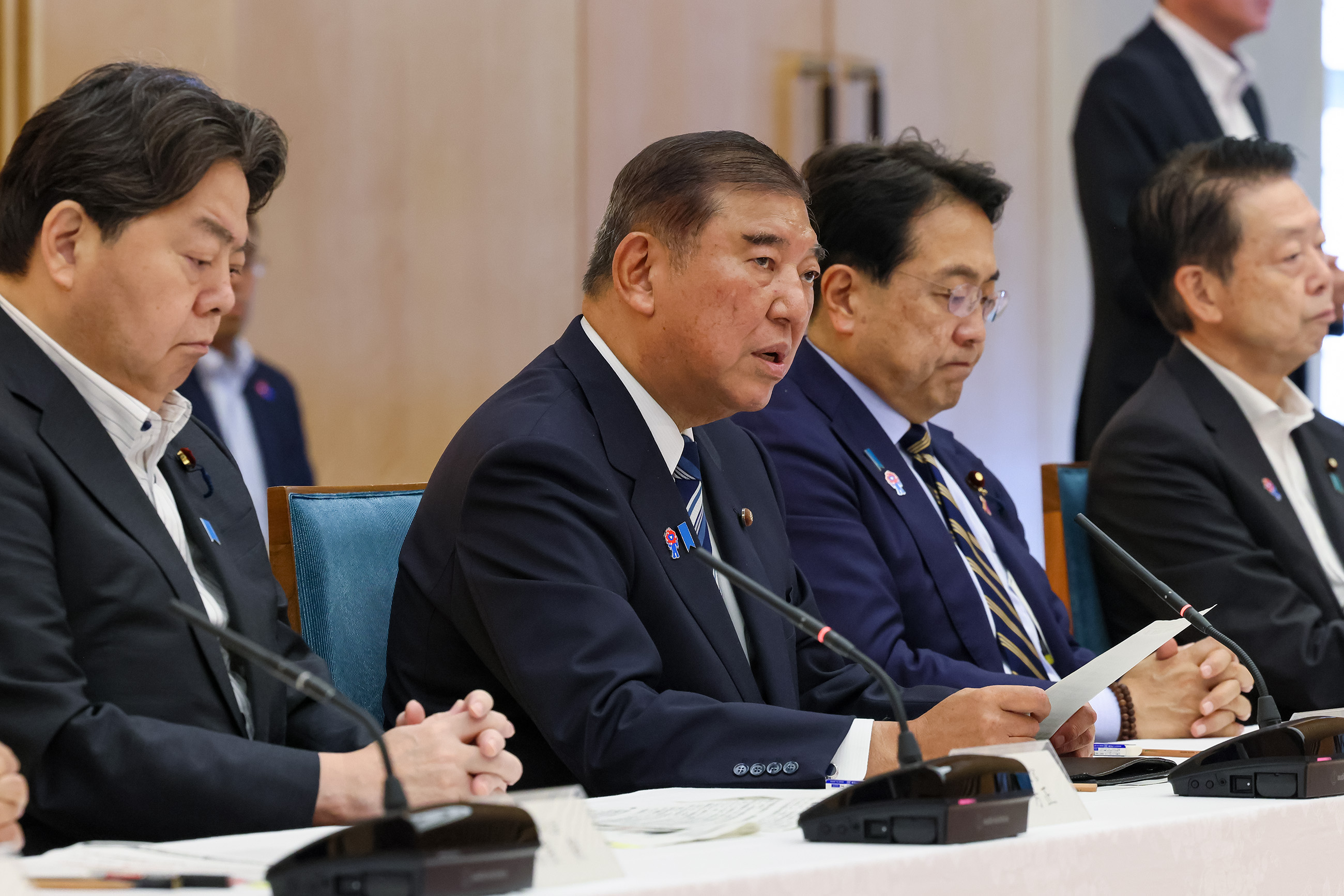
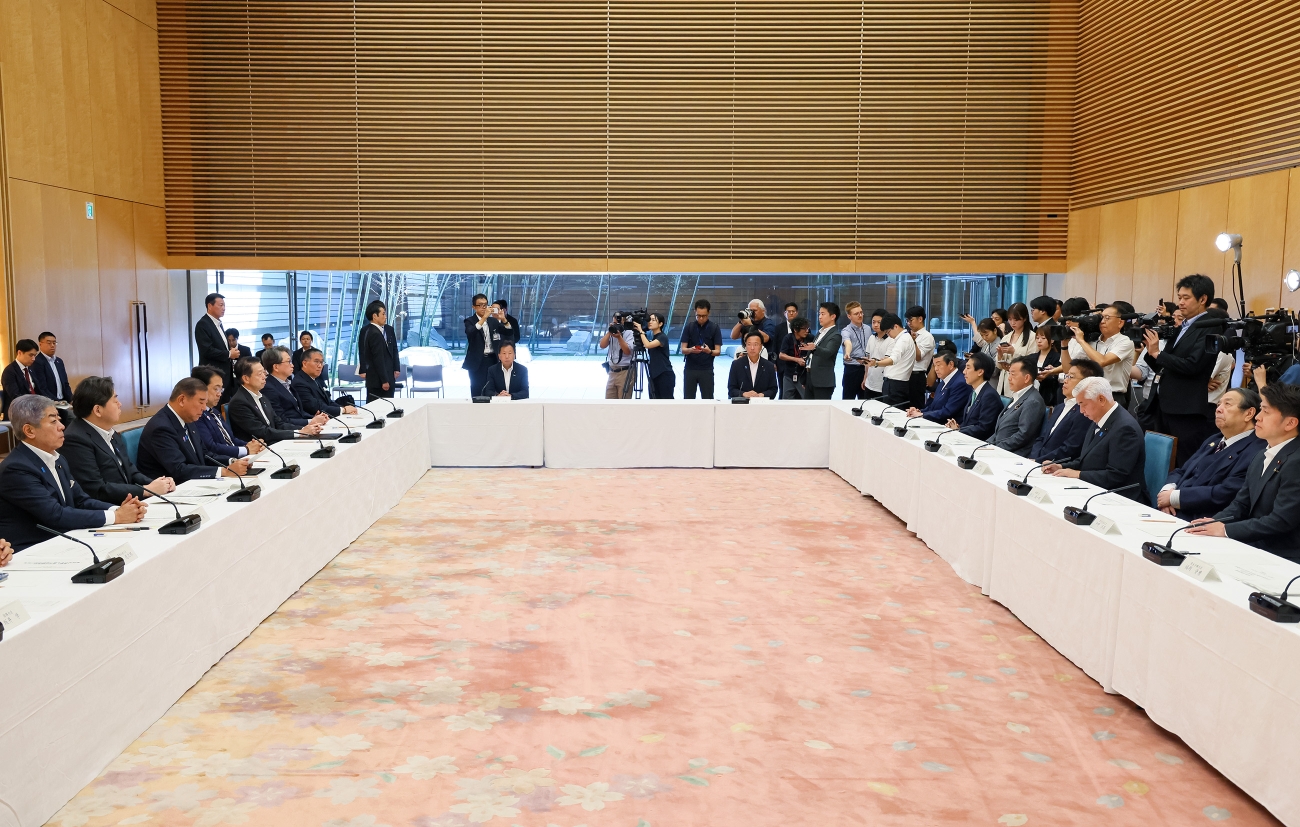
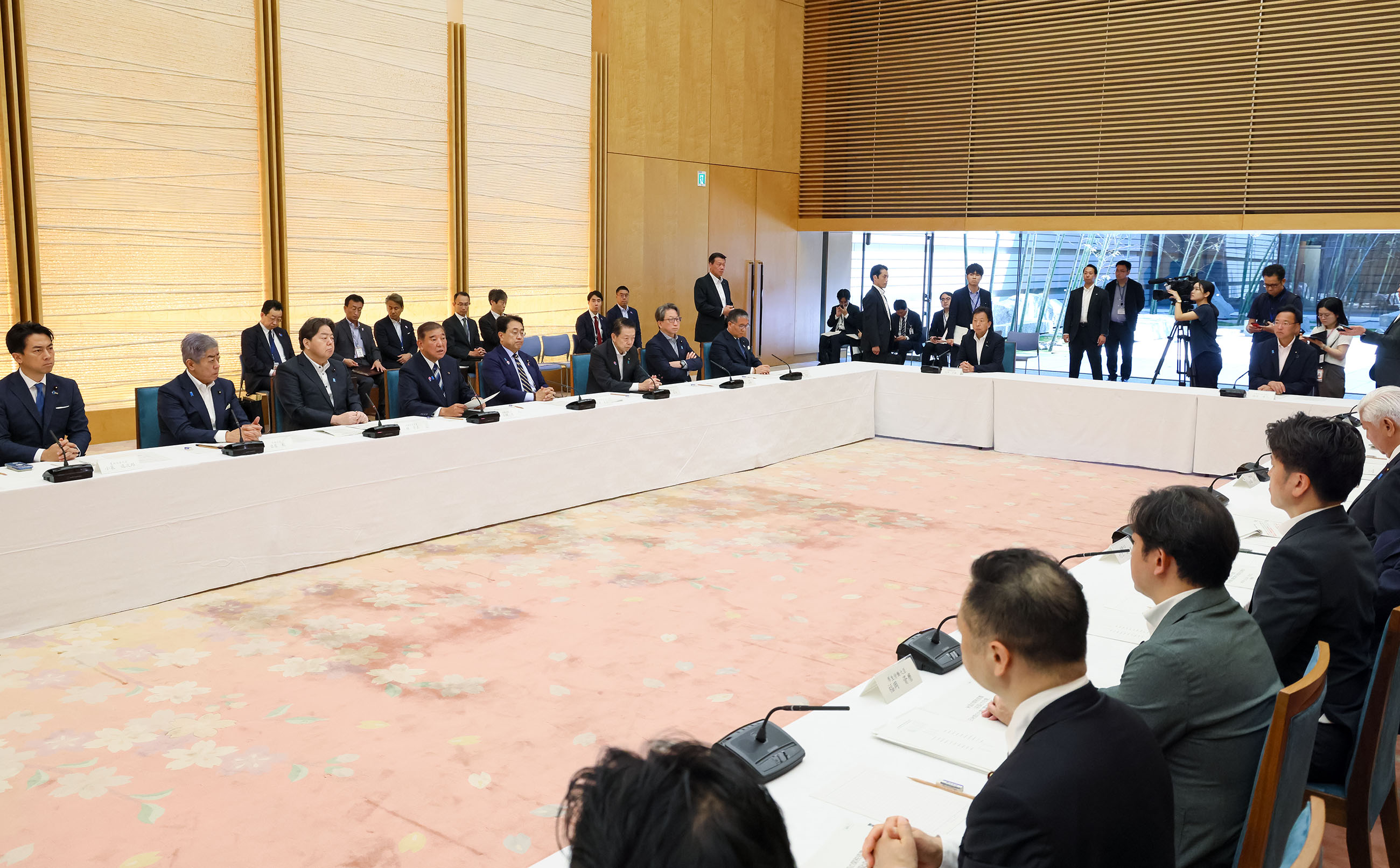
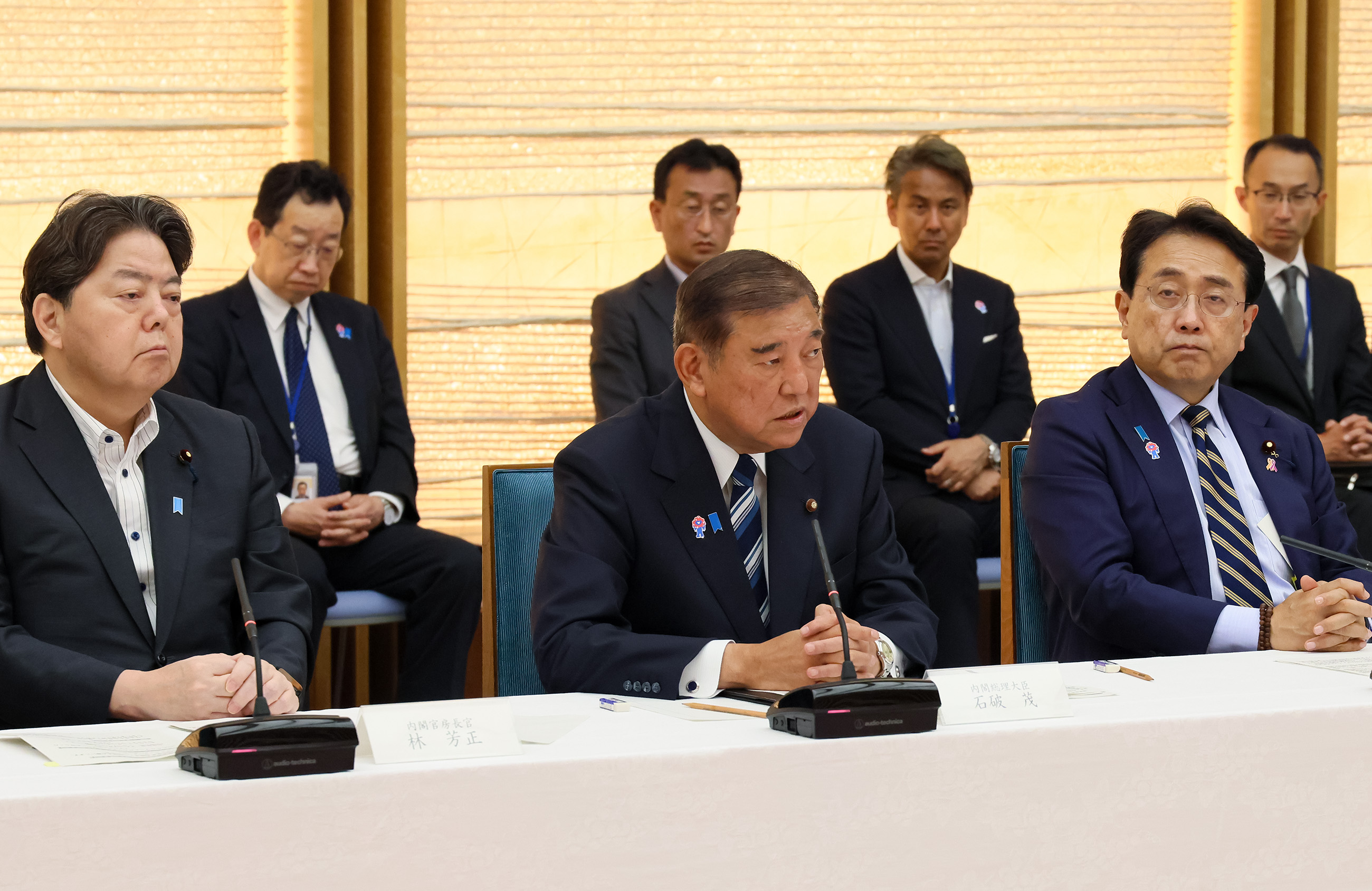
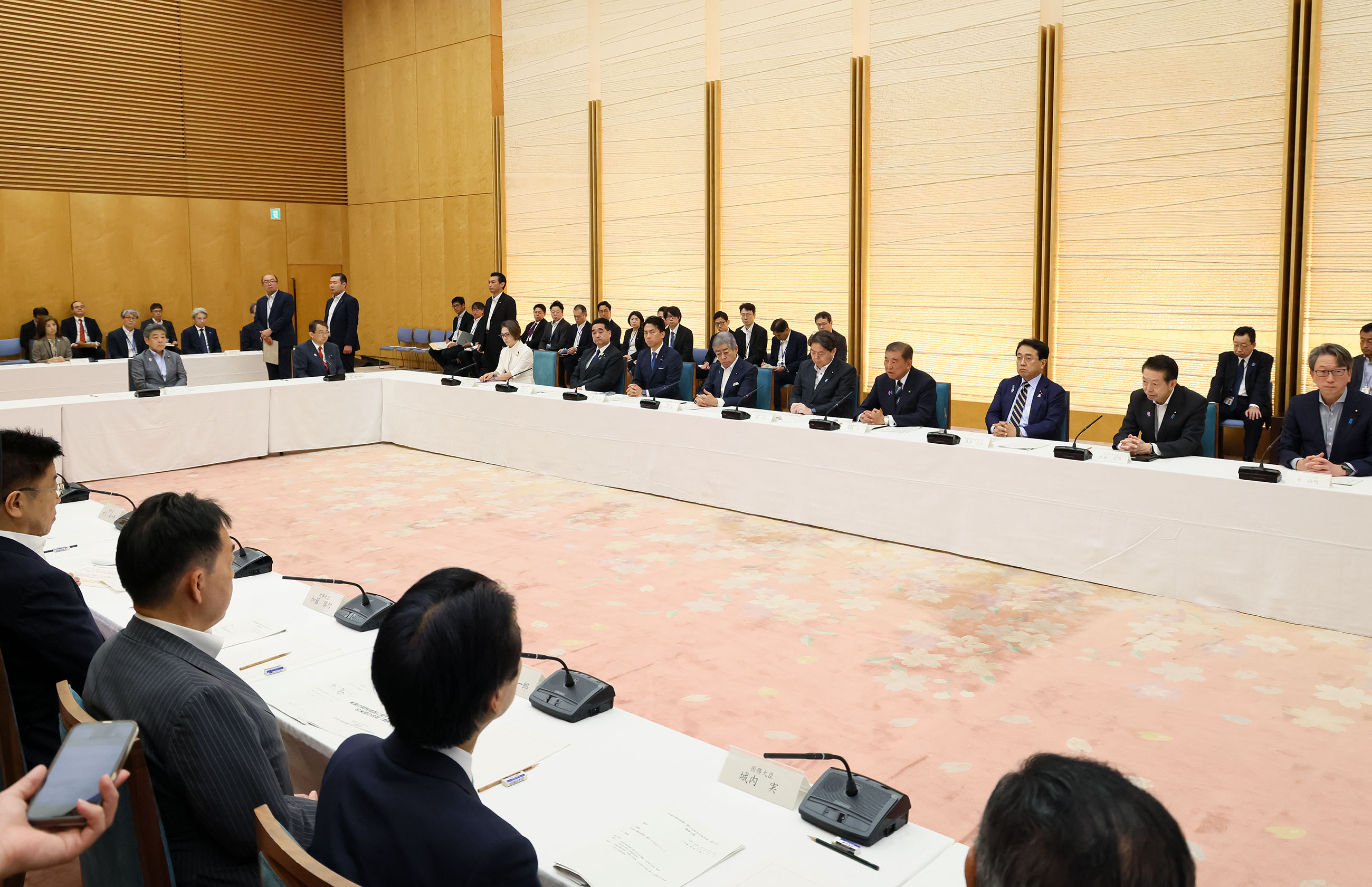
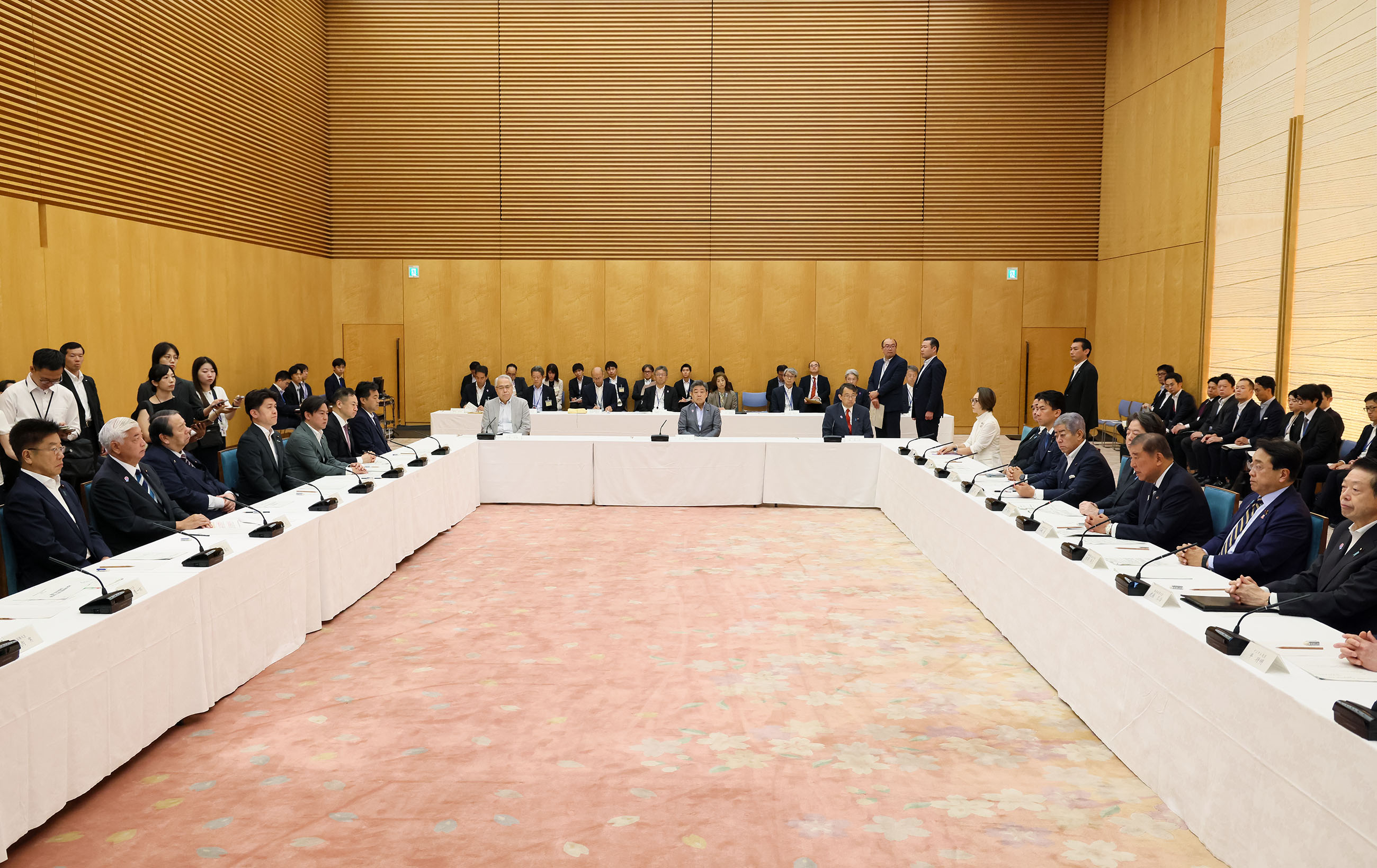
On July 25, 2025, Prime Minister Ishiba held the sixth meeting of the Comprehensive Response Headquarters for U.S. Tariff Measures at the Prime Minister’s Office.
At the meeting, the participants engaged in discussions on response to U.S. tariff measures.
Following the discussion, the Prime Minister said:
“With regard to the Japan-U.S. Consultation on U.S. tariff measures, we have just reached an agreement with President Trump.
First, for automobiles and automobile parts, both key industries for Japan, we have reached an agreement to reduce by half the 25 percent additional tariff imposed since April, bringing the total tariff rate to 15 percent, including the rate that was already in place. Japan has succeeded in becoming the first country anywhere in the world to achieve a reduction in tariffs on automobiles and automobile parts without also being subject to quantitative restrictions.
Next, concerning reciprocal tariffs, we succeeded in limiting the tariff rate imposed on Japan to 15 percent, down from the 25 percent originally planned. This is the lowest rate negotiated to date by any country running a trade surplus with the United States.
Moreover, for semiconductors, pharmaceuticals, and other such critical goods in terms of economic security, even if tariffs were to be imposed in the future, we have secured a firm commitment that Japan will receive treatment at least as favorable as that afforded to any other country.
We agreed that Japan and the U.S. will work in close partnership to build resilient supply chains benefiting both our nations through investments in the United States conducted by Japanese companies in fields vital to economic security, including semiconductors, pharmaceuticals, steel, shipbuilding, critical minerals, aerospace, energy, automobiles, and artificial intelligence (AI) and quantum technologies. I consider this to truly be an extremely important agreement from the standpoint of ensuring Japan’s economic security.
This agreement does not incorporate any reductions of tariffs set by the Japanese side, including on agricultural products.
This is truly the result of our consistently advocating, and vigorously and persistently pursuing, ‘investment over tariffs,’ the approach Japan has taken since I proposed it to President Trump during our summit meeting in February. We sought to reach an agreement that protects what should be protected and is also fully in harmony with the national interests of both Japan and the United States. We have now realized just such an agreement with President Trump.
In light of the latest agreement, I ask the relevant ministers to work on the following three points.
Firstly, please continue to thoroughly analyze the impact on Japan, taking into account the latest agreement and the developments in each country.
Secondly, in consideration of the number of items Japan exports to the Unites States totaling around 4,300, please lose no time in making preparations that will enable our roughly 1,000 special consultation service locations nationwide to respond in a careful manner to inquiries concerning the U.S. tariff rates applicable to individual items under the latest agreement, and offer well-tailored support in response to consultations regarding assistance for cash flow and other concerns of small- and medium-sized enterprises and small-scale business operators, in order to ensure that we can mitigate the impact on industries and employment in Japan.
Thirdly, given that, going forward, it is extremely important for both Japan and the United States to steadily implement the agreement and produce results that promote mutual benefits, please strengthen the function of the Comprehensive Response Taskforce regarding U.S. Tariff Measures and manage the progress in the implementation of the bilateral agreement.
Close Japan-U.S. bilateral relations are indispensable for the stability and prosperity of not only our two nations but also the entire Indo-Pacific region and the international community as a whole. The latest agreement is extremely important in ensuring Japan’s economic security and achieving future economic growth. We will work to get this into effect while also developing Japan-U.S. relations even more across the entire spectrum of fields, beyond only the economy, and making further efforts to realize a Free and Open Indo-Pacific.
Up until now, you have been united and made utmost efforts to work on the negotiations. I believe that Minister Akazawa’s enormous dedication to the negotiations during his eight visits to the United States as well as the tremendous efforts of those involved from all the ministries and agencies who supported the negotiations have borne fruit in this manner.
Words cannot express how grateful I am for your efforts. I ask all ministries and agencies as well as all ministers to offer words of appreciation to everyone who has worked so hard. As I just stated, what is important is what we will do going forward. While we have reached this agreement, we must make sure to minimize its impact on Japan. We export not only automobiles, but also many other products to the United States. I believe that many business operators are wondering how the agreement will affect them, and we must address their concerns with a truly comprehensive system in place. I would like to express my heartfelt respect for your dedication that is beyond description, and let us continue to work as one for the sake of our nation, our people, and the world. That is all from me.”
