Strategic Headquarters for Space Development
May 30, 2025

[Provisional translation]
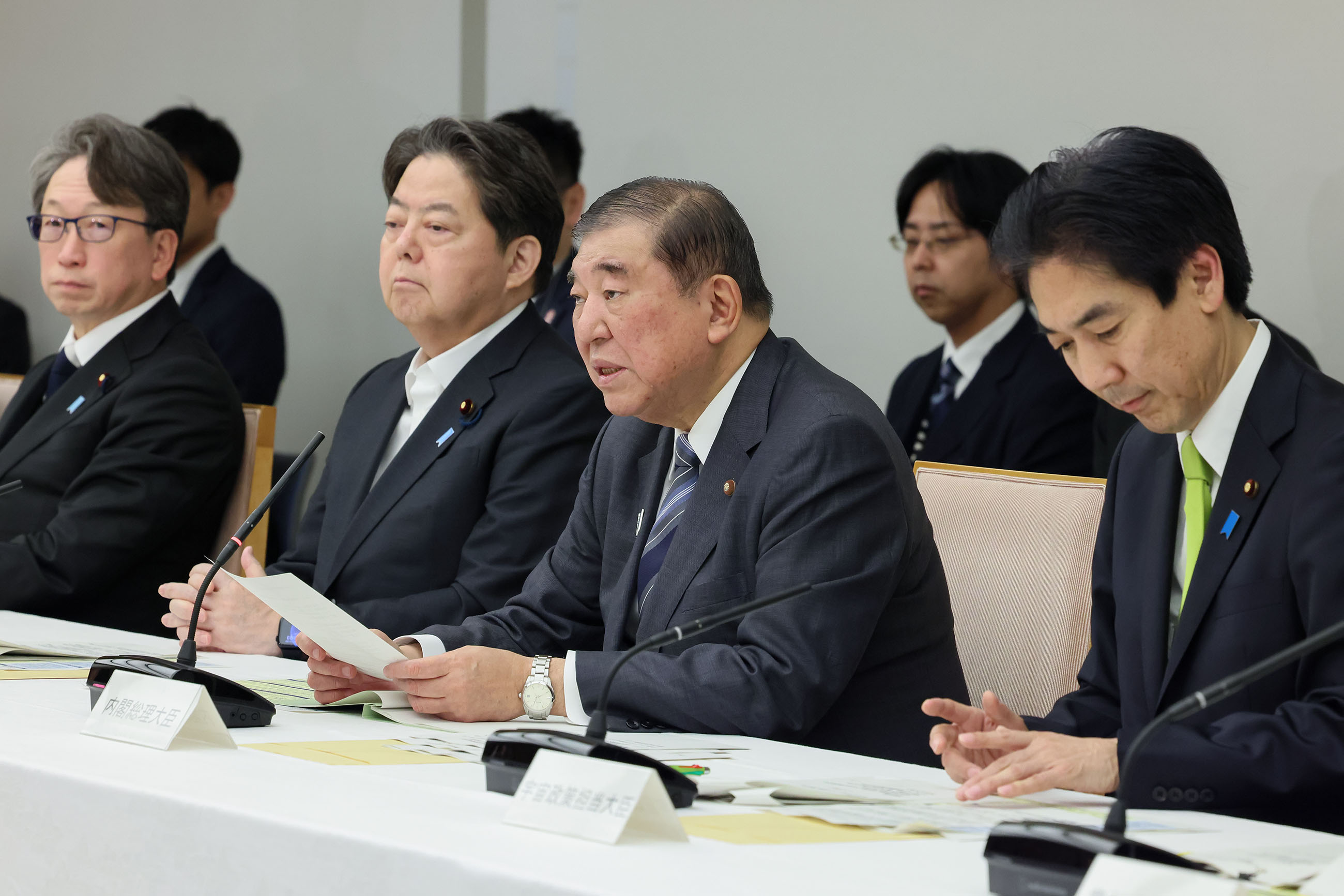
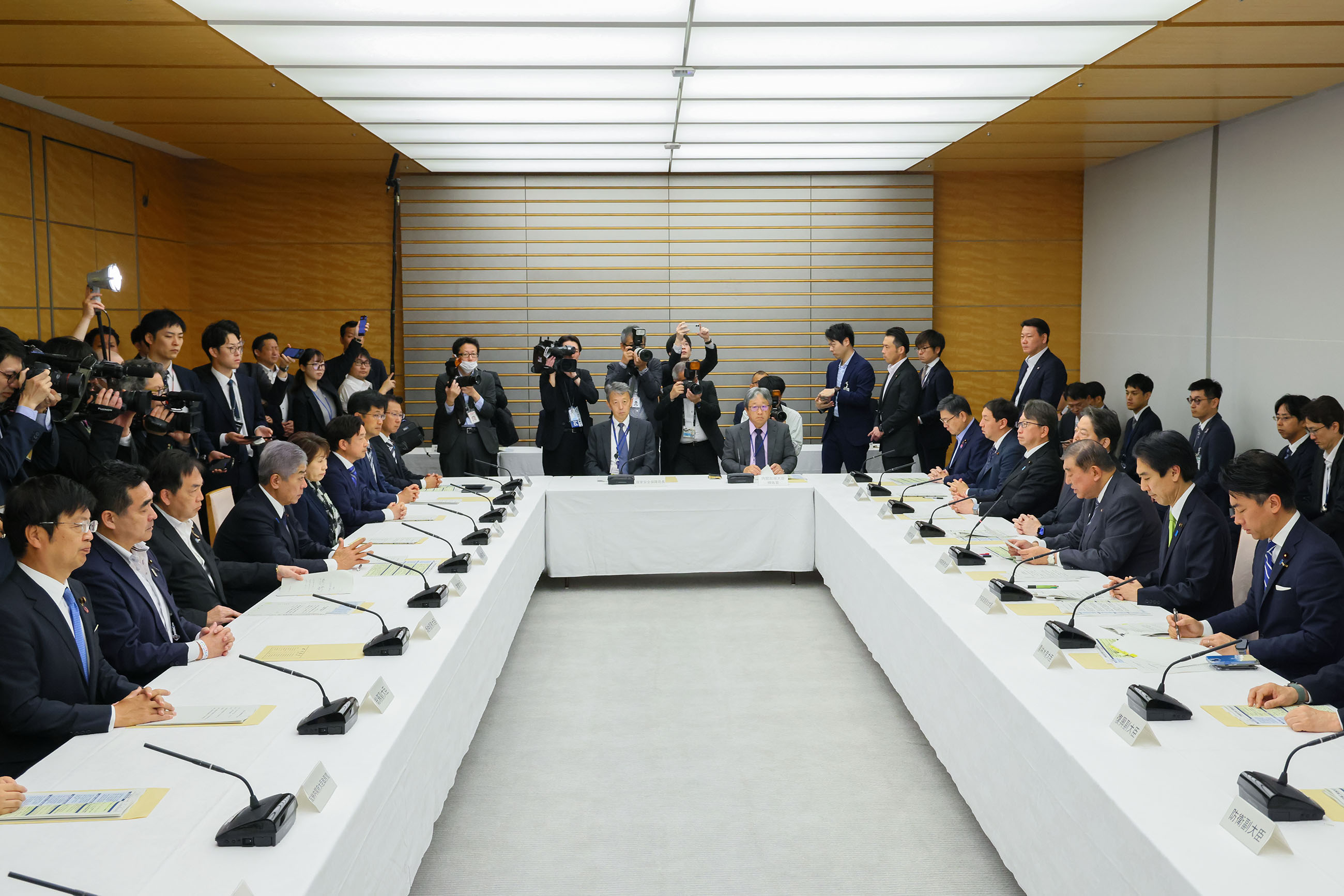
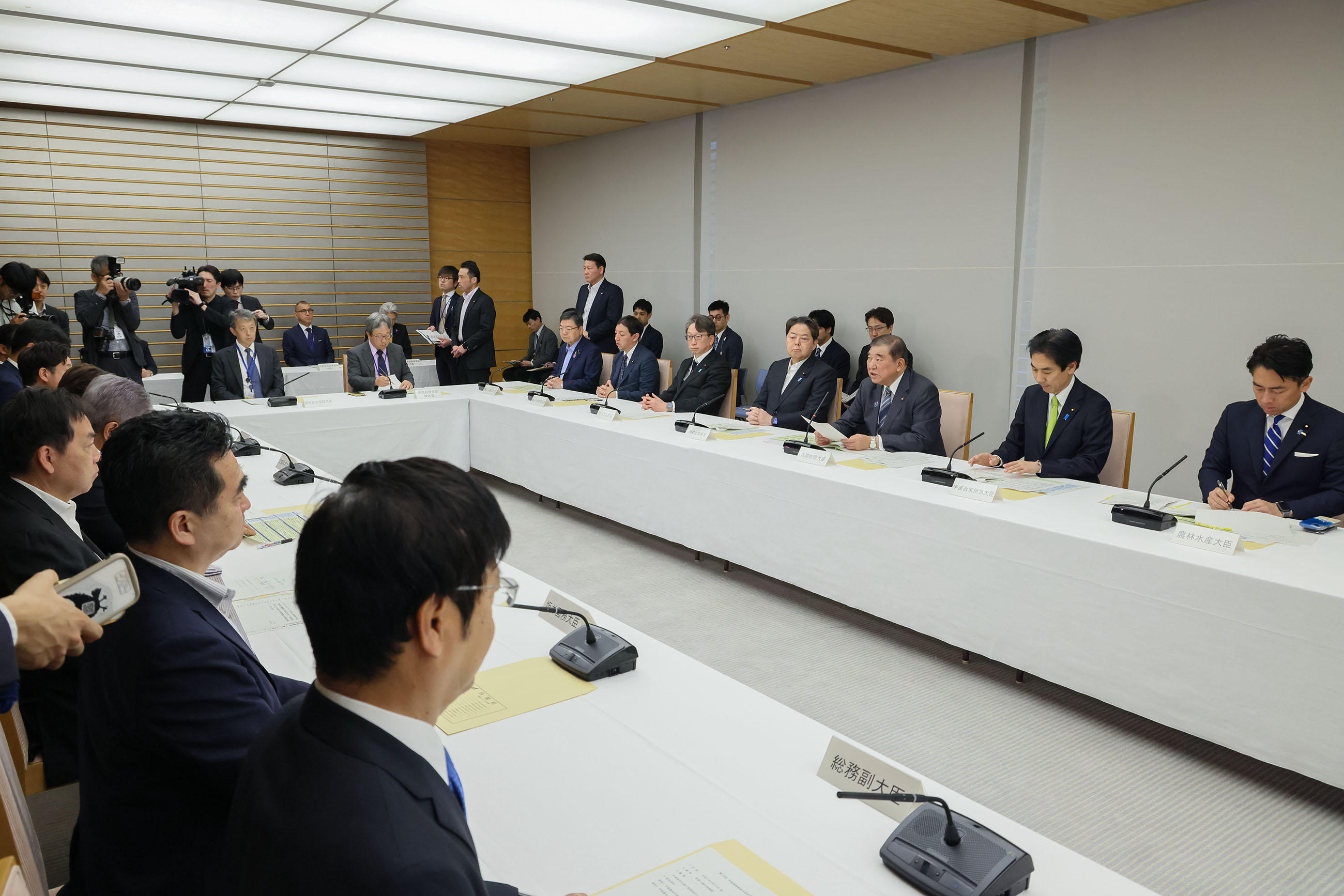
On May 30, 2025, Prime Minister Ishiba held the 32nd meeting of the Strategic Headquarters for Space Development at the Prime Minister’s Office.
At the meeting, the participants engaged in discussions on the priority terms related to the revision of the Implementation Plan of the Basic Plan on Space Policy.
Based on today’s discussion, the Prime Minister said,
“Today, we decided on the priority items for the future of the Basic Plan on Space Policy. The space sector contributes to the advancement of industry and daily life in areas such as national security, disaster prevention and reduction, weather forecasting and others, through information obtained from artificial satellites launched by rockets. This is an important field where Japan can capitalize its strengths, having accumulated technology and supply chains over many years.
As the space-related market is anticipated to expand, other countries are making active investments through public-private partnerships. To ensure that Japan does not fall behind in international competition, it is essential to provide strong support for the development of cutting-edge technologies, technology demonstration, and commercialization, including efforts by startups.
We will accelerate rocket development through public-private collaboration, aiming to increase the launch capacity from the current total of five, to approximately 30 per year. In order to quickly respond to the development of new space transportation methods by the private sector, we will aim to submit a bill to revise the Space Activities Act during the next ordinary Diet session.
Space development requires both international cooperation and competition. Regarding the Artemis program which contributes to Japan-U.S. space cooperation, we will promote the development of the crewed pressurized rover towards realizing lunar landing by Japanese astronauts. And as the core organization for space development, we will reinforce the technological infrastructure and human resource capabilities of the Japan Aerospace Exploration Agency (JAXA).
In order to materialize the Space Security Initiative, we will formulate a document outlining the direction for strengthening defense capabilities in the space domain. Regarding the Quasi-Zenith Satellite System which enables precision positioning without relying on other countries’ GPS systems, we will establish a seven-satellite system by the end of this fiscal year while advancing development of an eleven-satellite system.
Space policy is a national strategy where countries engage in fierce competition. I ask Minister Kiuchi to accelerate implementation of key initiatives in coordination with relevant ministers.”
