






[Provisional translation]
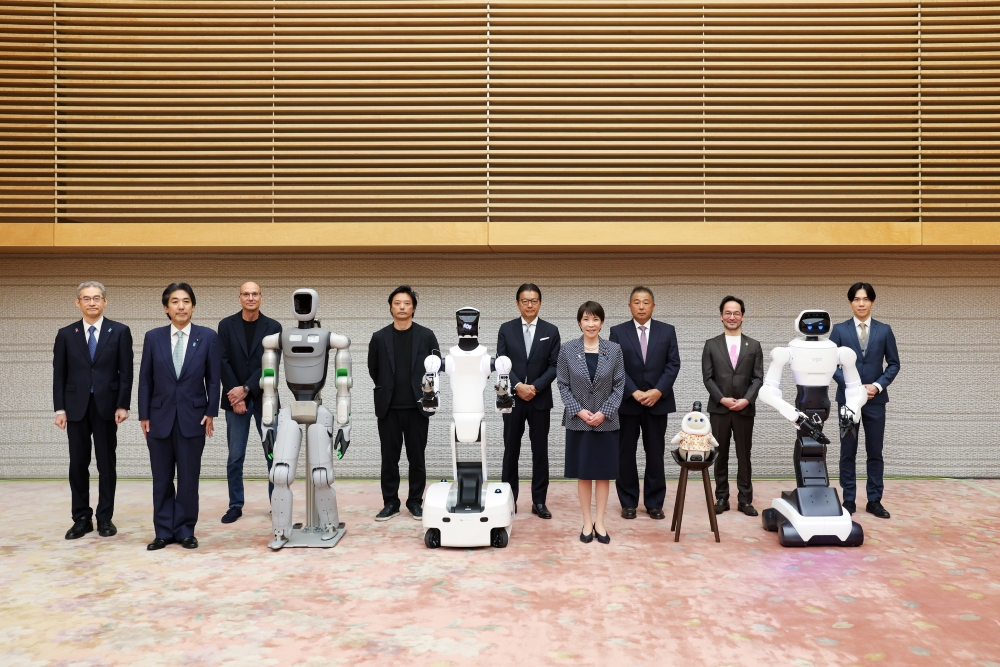
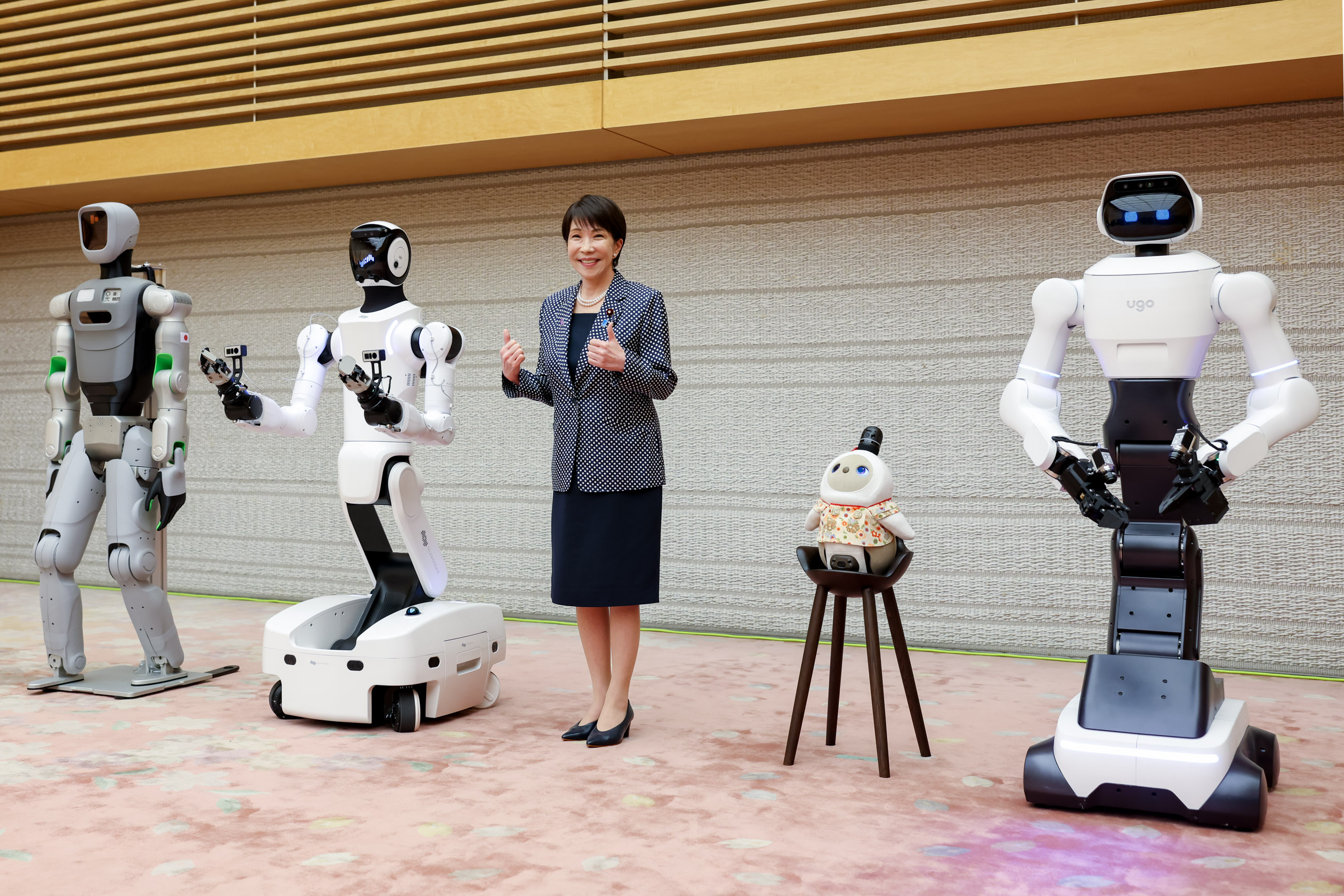
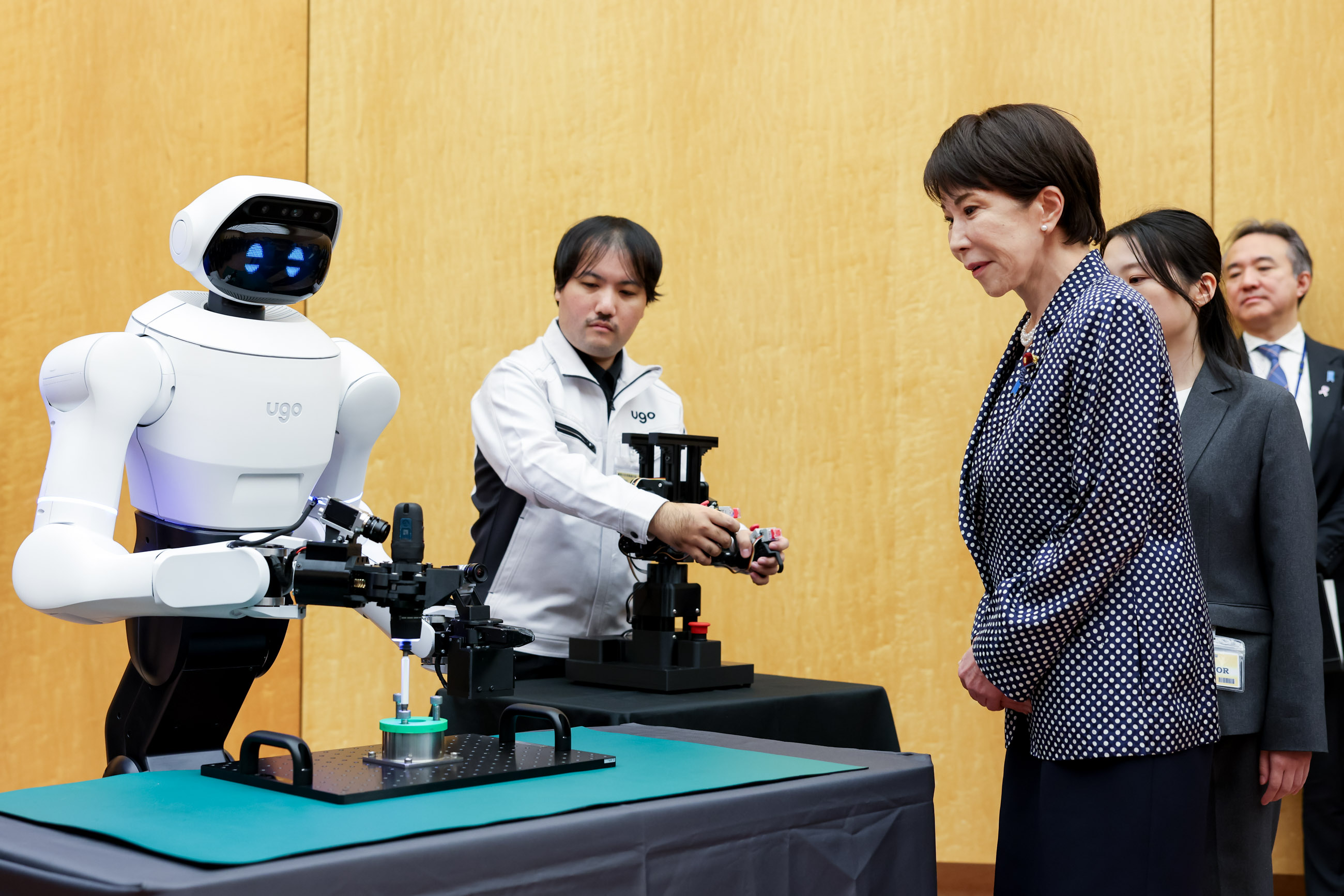
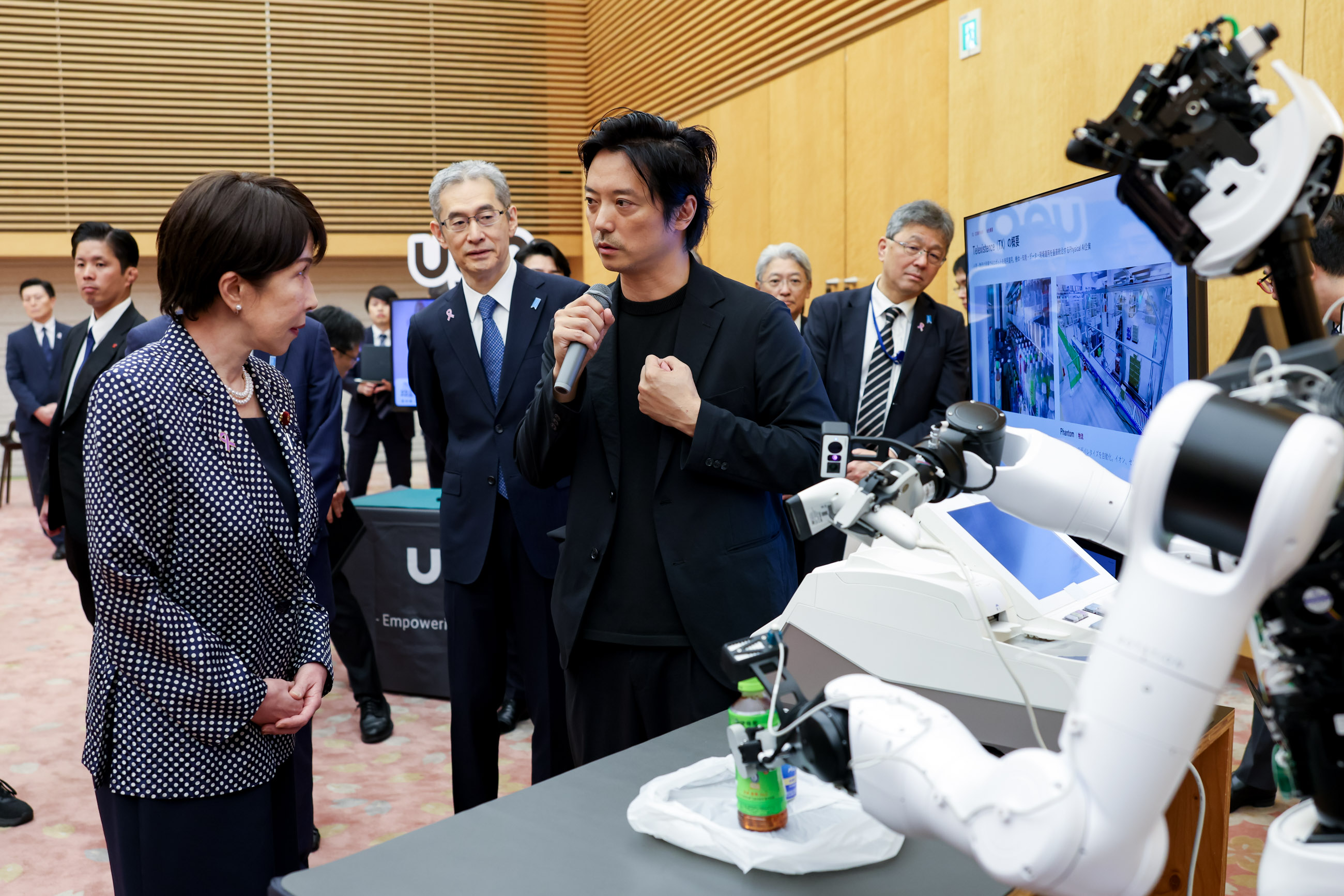
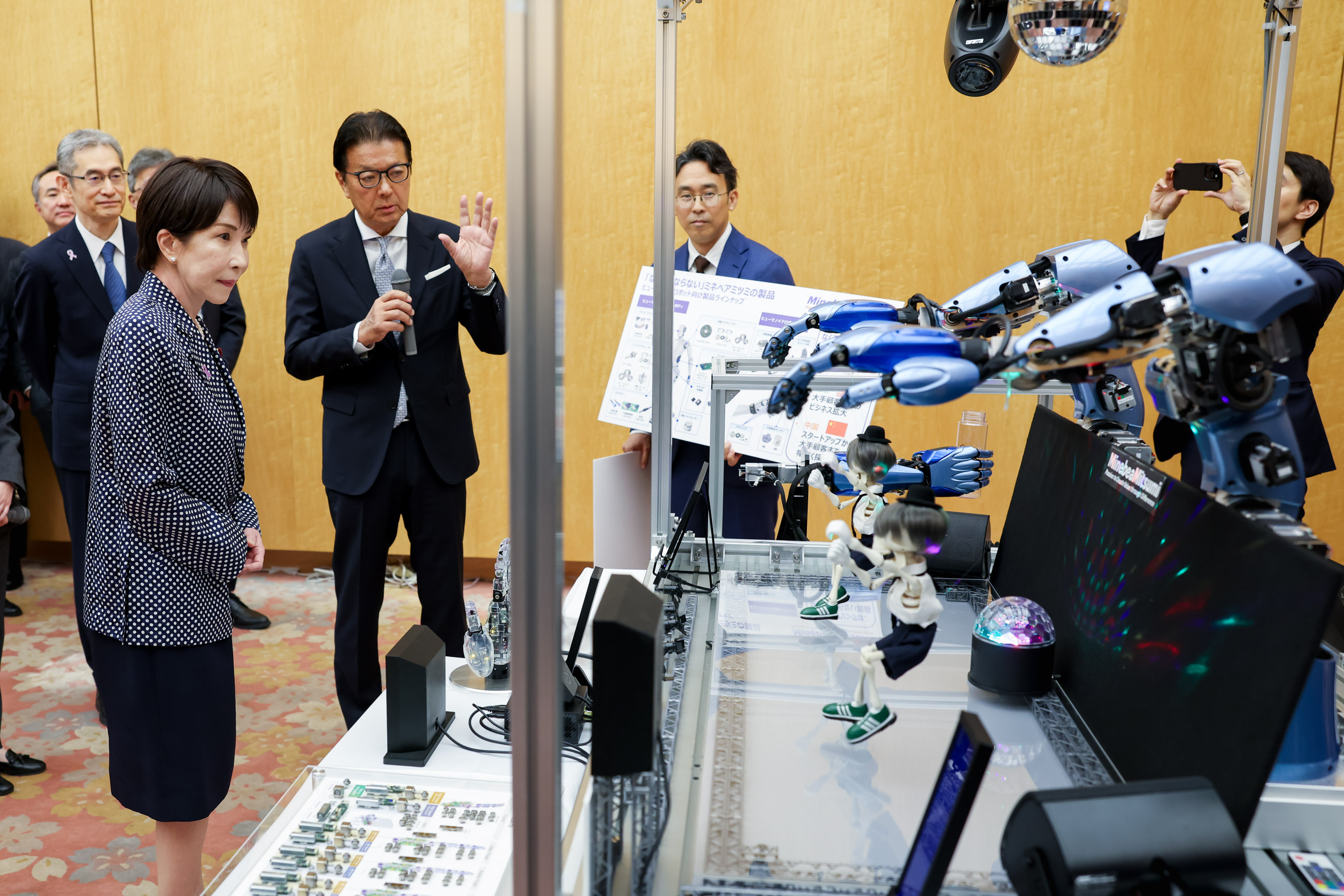
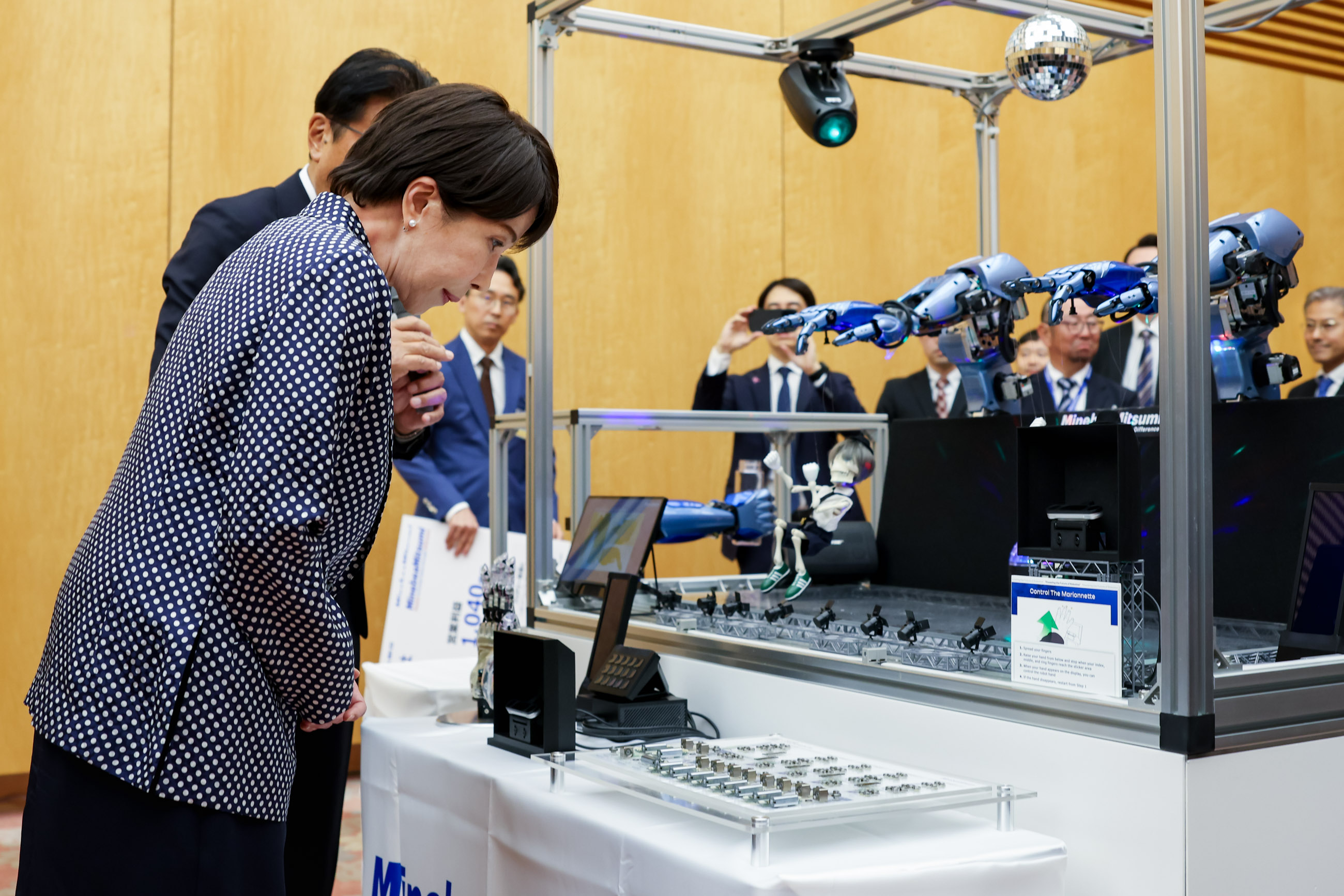
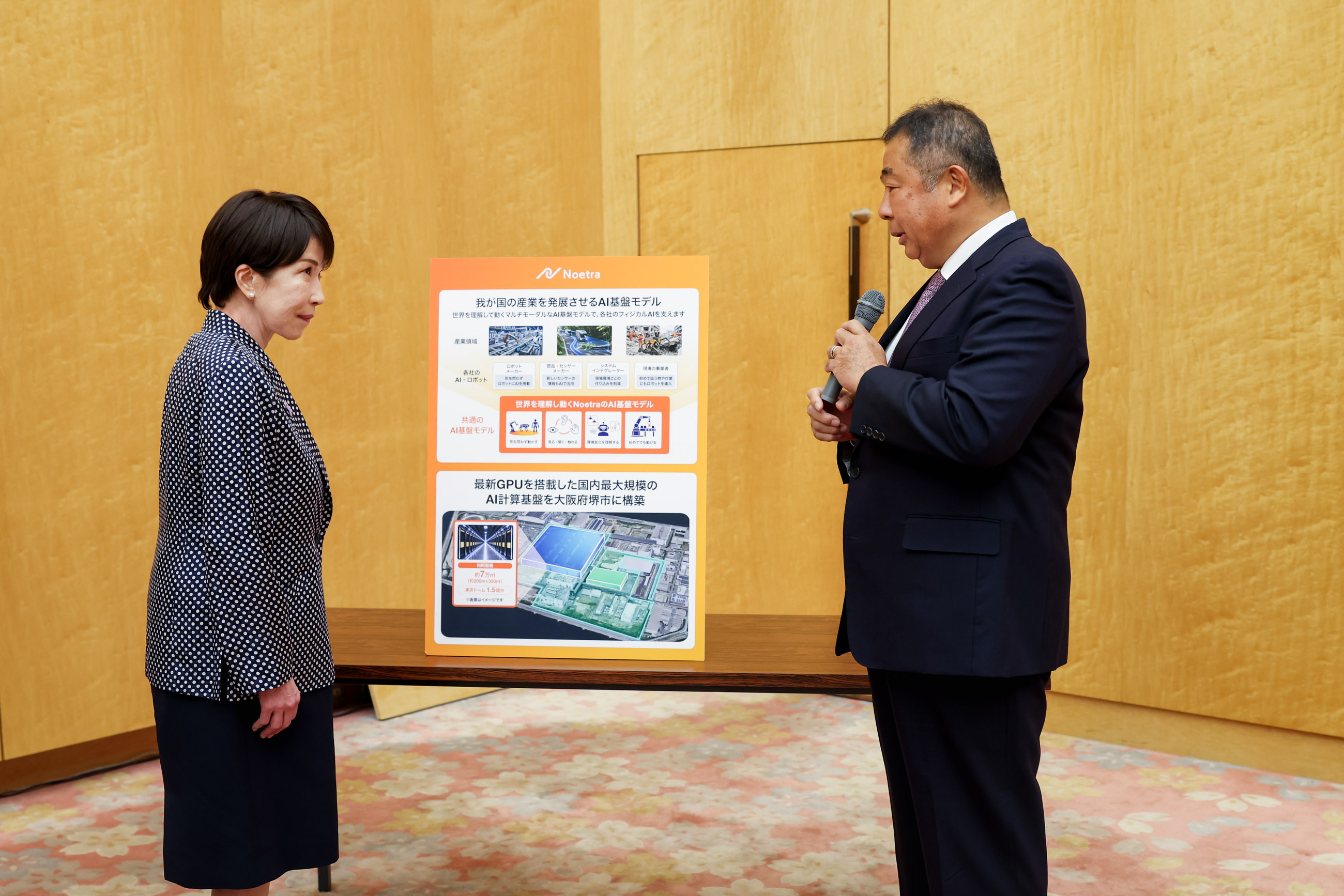
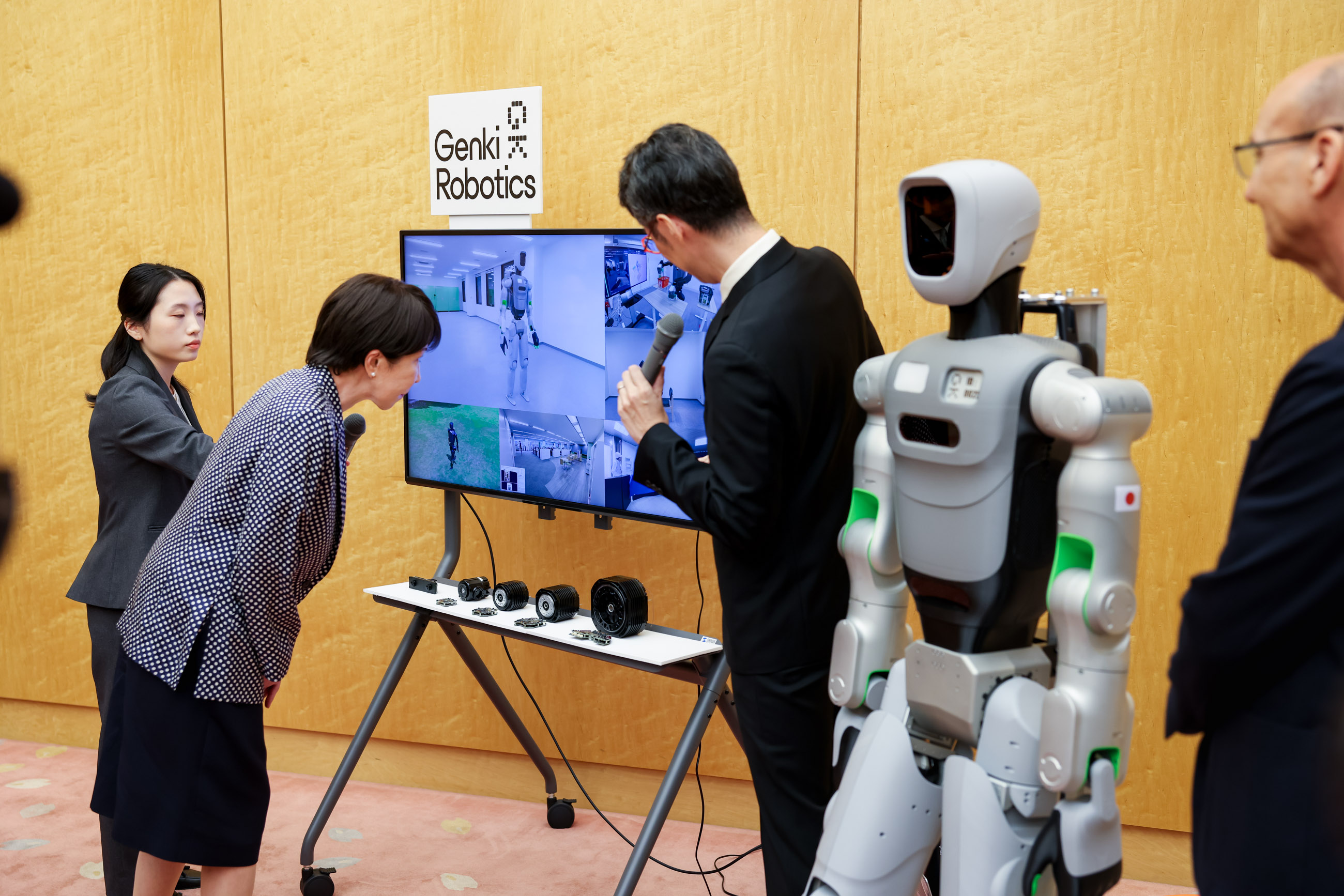
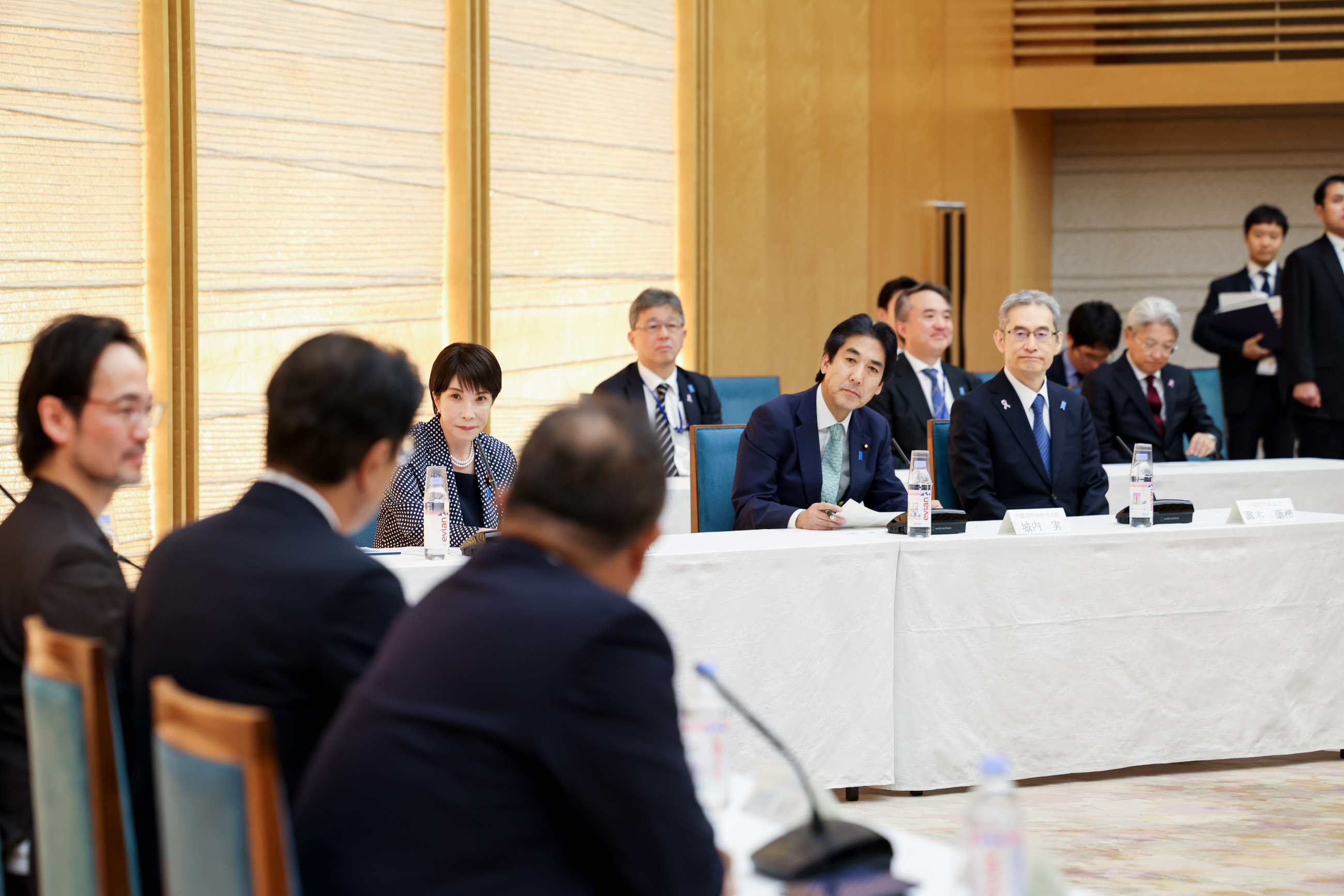
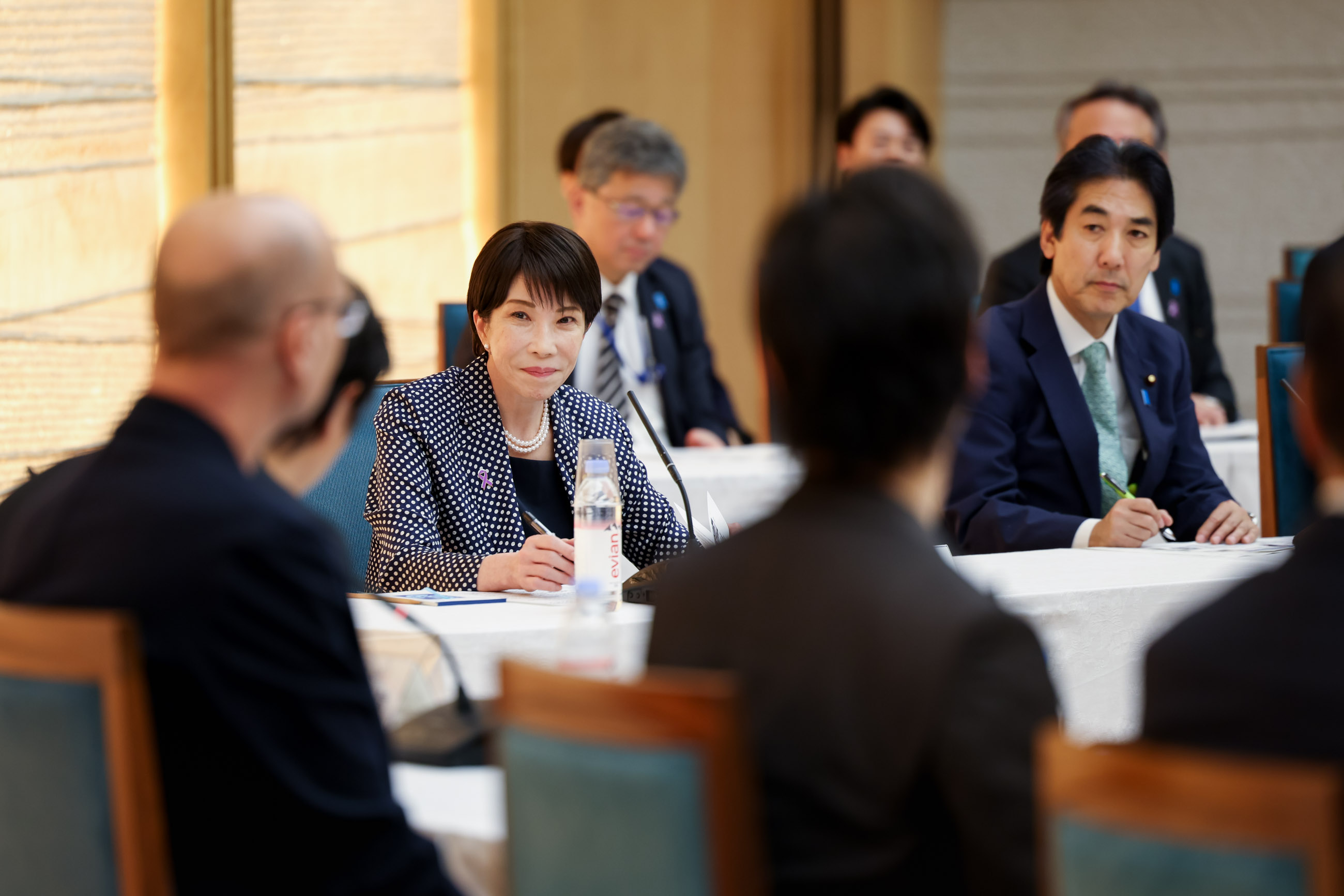
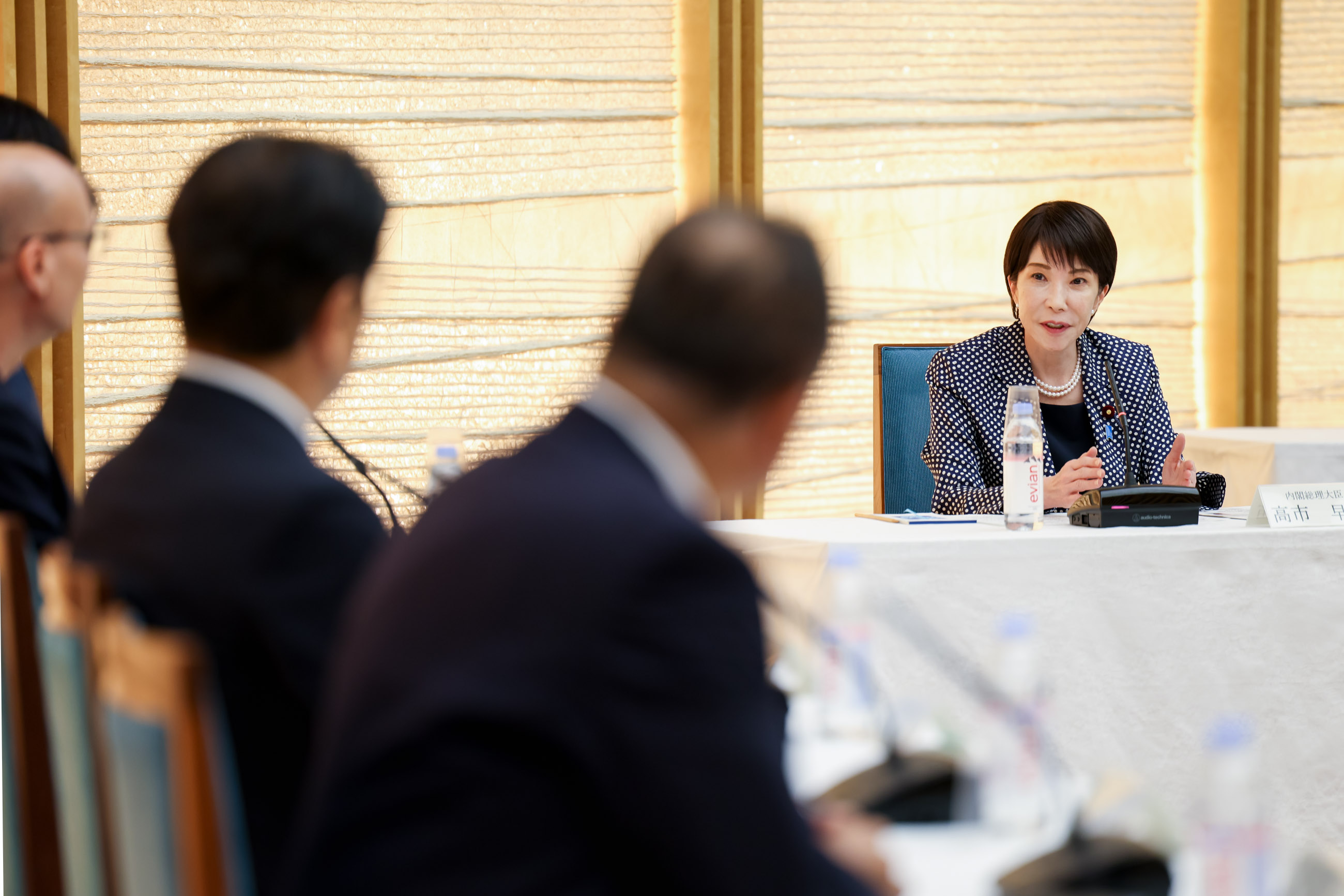
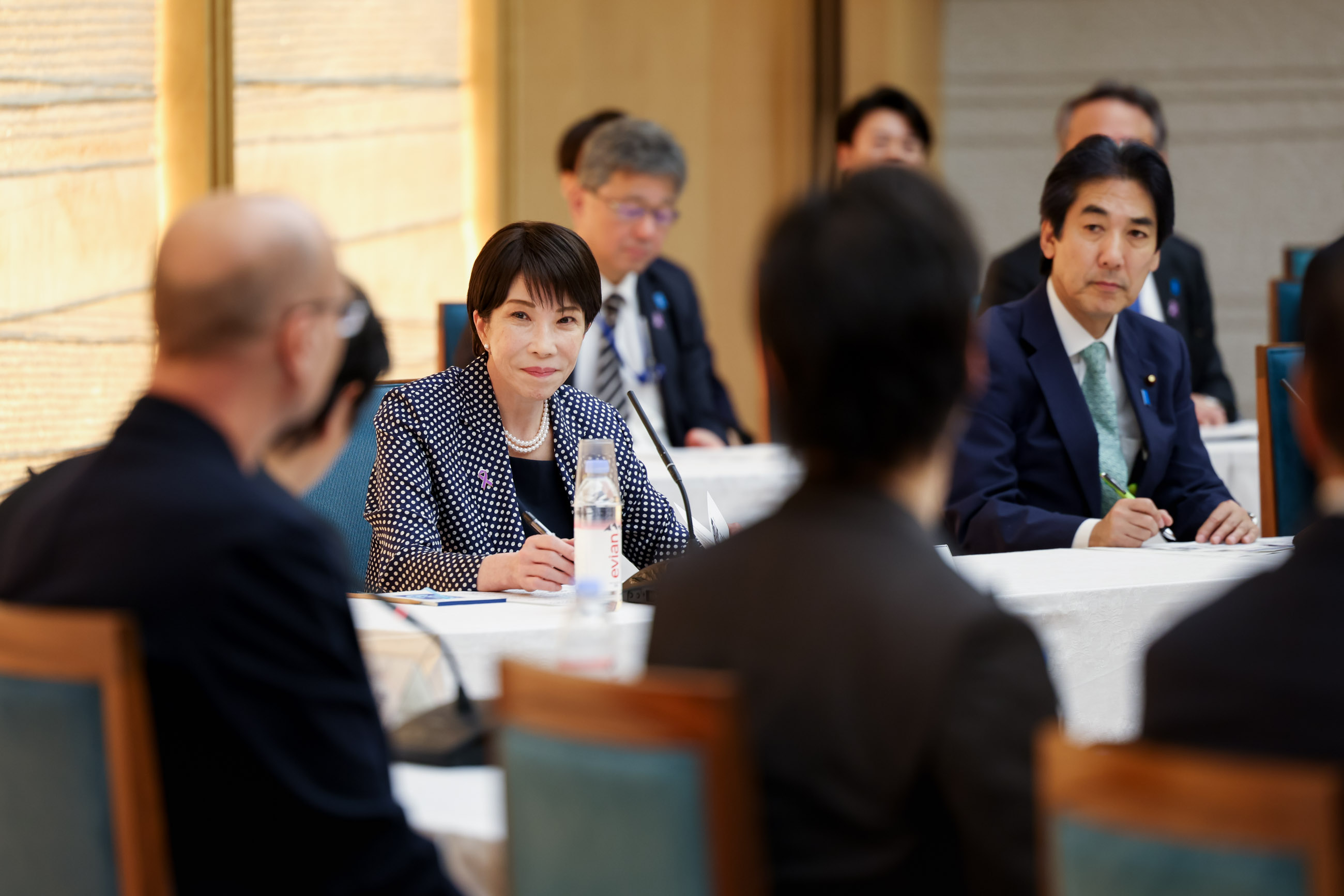
On November 12, 2026, Prime Minister TAKAICHI Sanae held an exchange of views with companies involved in physical AI at the Prime Minister's Office.
Following the exchange of views, the Prime Minister said as follows:
(Prime Minister Takaichi)
Thank you very much for taking the time out of your busy schedules to join us today.
Thank you very much for taking the time out of your busy schedules to join us today.
Today's exchange has given me a real sense that a future in which AI-powered robots play an active role in a wide range of settings—from manufacturing and retail to our homes—is already close at hand.
Physical AI is not about taking jobs away from people. Rather, it will create workplaces where people and robots work together, while also helping to address labor shortages, which are becoming particularly serious in regional communities.
Physical AI can also reduce the physical burden on workers and the need for them to perform hazardous tasks, opening up opportunities for people to engage in more creative, higher-value-added work.
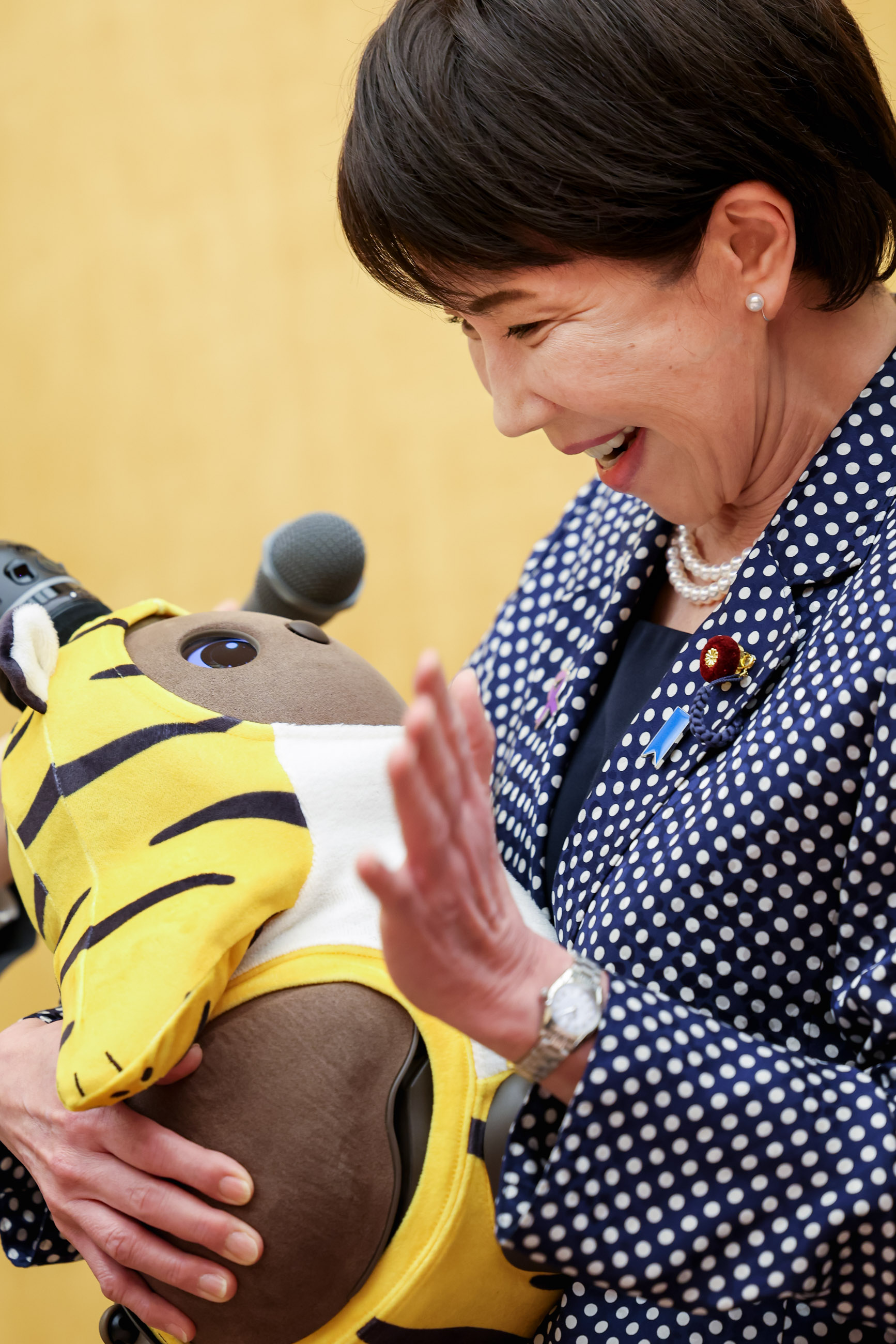
Today, I also had the opportunity to interact with relationship-building physical AI, and I believe we can leverage this uniquely Japanese creativity as well.
Japan possesses strengths on the ground, underpinned by its manufacturing culture, passion for precision, and pride in quality. We also have the data that will be key to success in physical AI.
The Takaichi Cabinet has designated physical AI as one of the 17 strategic fields under the Japan Growth Strategy. We have set targets of deploying approximately 10 million AI-powered robots by 2040 and capturing a 20-trillion-yen market, representing more than 30 percent of the global market.
Today, you shared a number of important perspectives with us, including:
First, the need for comprehensive support, ranging from research, development, and demonstration of domestically produced robots and key components to the establishment of mass-production facilities, so that Japan can play a central role in the global robotics supply chain.
Second, your expectations for accelerated development of a domestic AI foundation to promote the deployment of AI robotics in society.
Third, the indispensable role of government mechanisms that encourage data aggregation, such as the GENIAC initiative.
And fourth, the need for multi-year support for the introduction of AI-powered robots to help generate initial demand.
Minister Kiuchi, as an initial step in the Government's efforts to steadily attract domestic investment in physical AI, please ensure that the points raised today are fully reflected in the Growth Strategy Implementation Plan. Please also clarify the details of government support and the necessary budgetary allocations in a manner that provides predictability.
Building on this, let us bring together the strengths of the public and private sectors and do everything we can to promote the large-scale, strategic deployment of physical AI in society ahead of the rest of the world.
Let us also bring technological innovation rooted in Japan's renowned strengths on the ground not only to our domestic market but also to global markets. In doing so, we will contribute to solving global challenges through innovation originating in Japan, while also earning foreign currency and creating a new engine of growth.
Thank you all very much for today. Although our time together was short, it was a truly wonderful experience. We should create opportunities for more people to experience these technologies firsthand. Let us consider that as well.
Thank you very much.