


[Provisional translation]
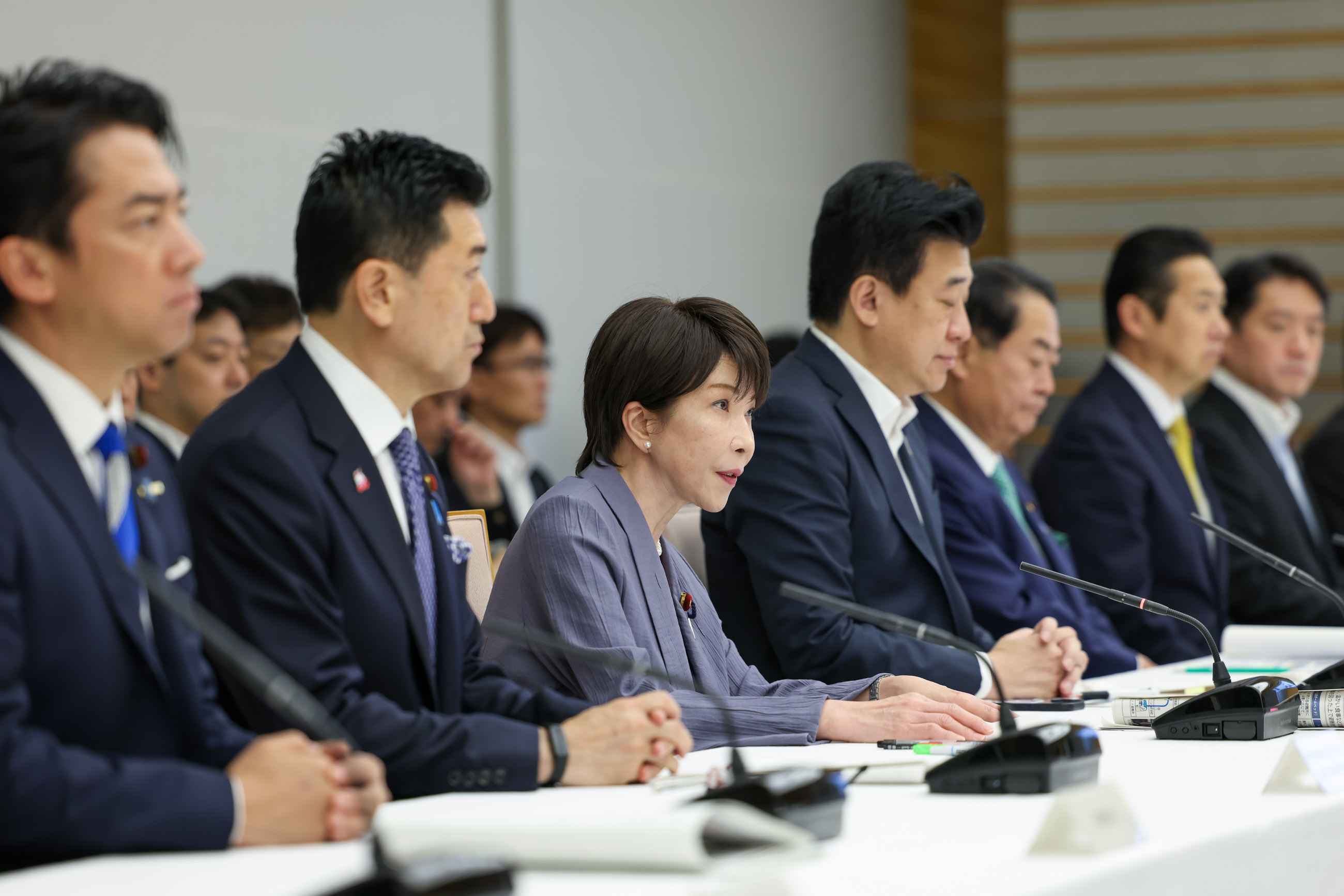
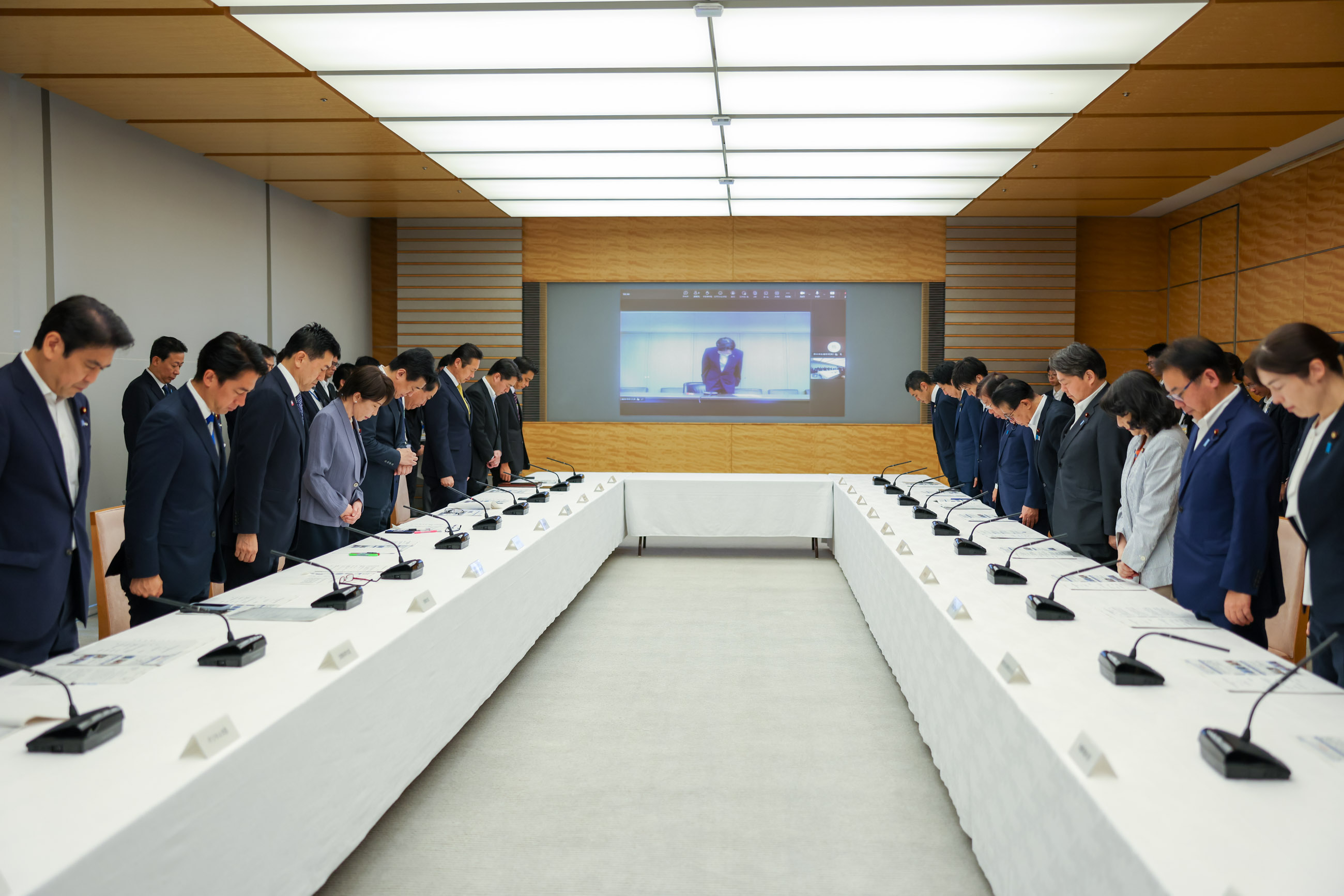
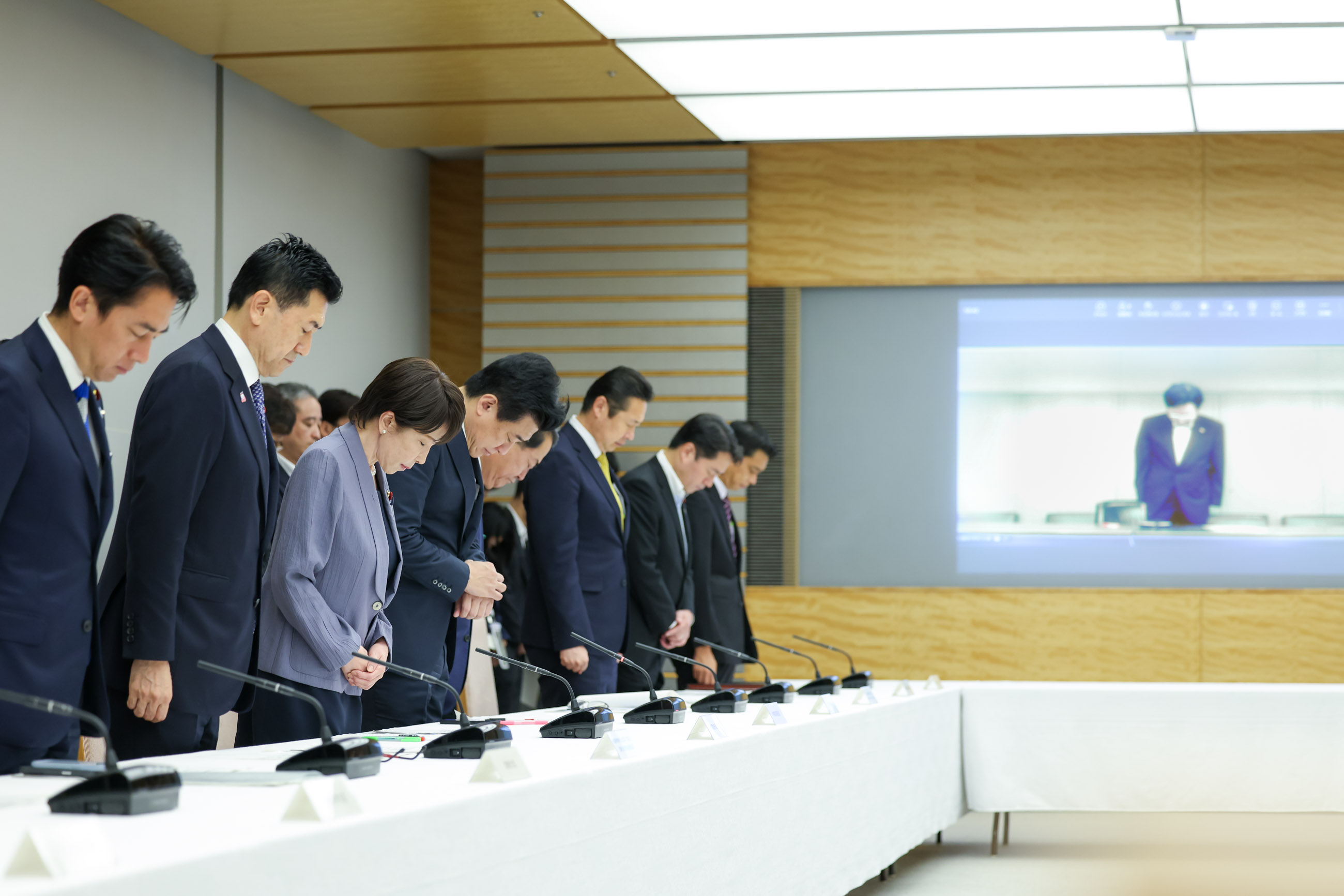
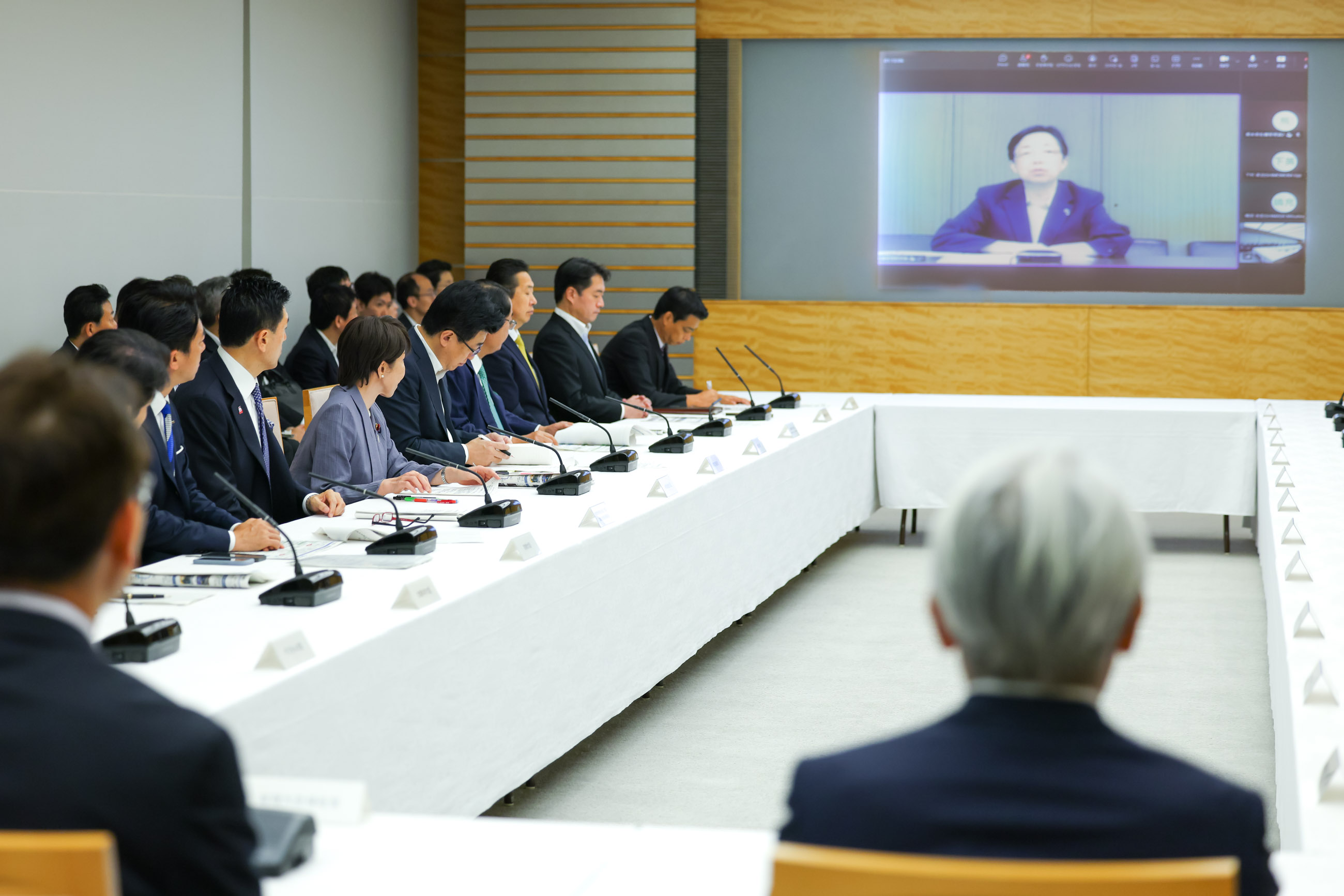
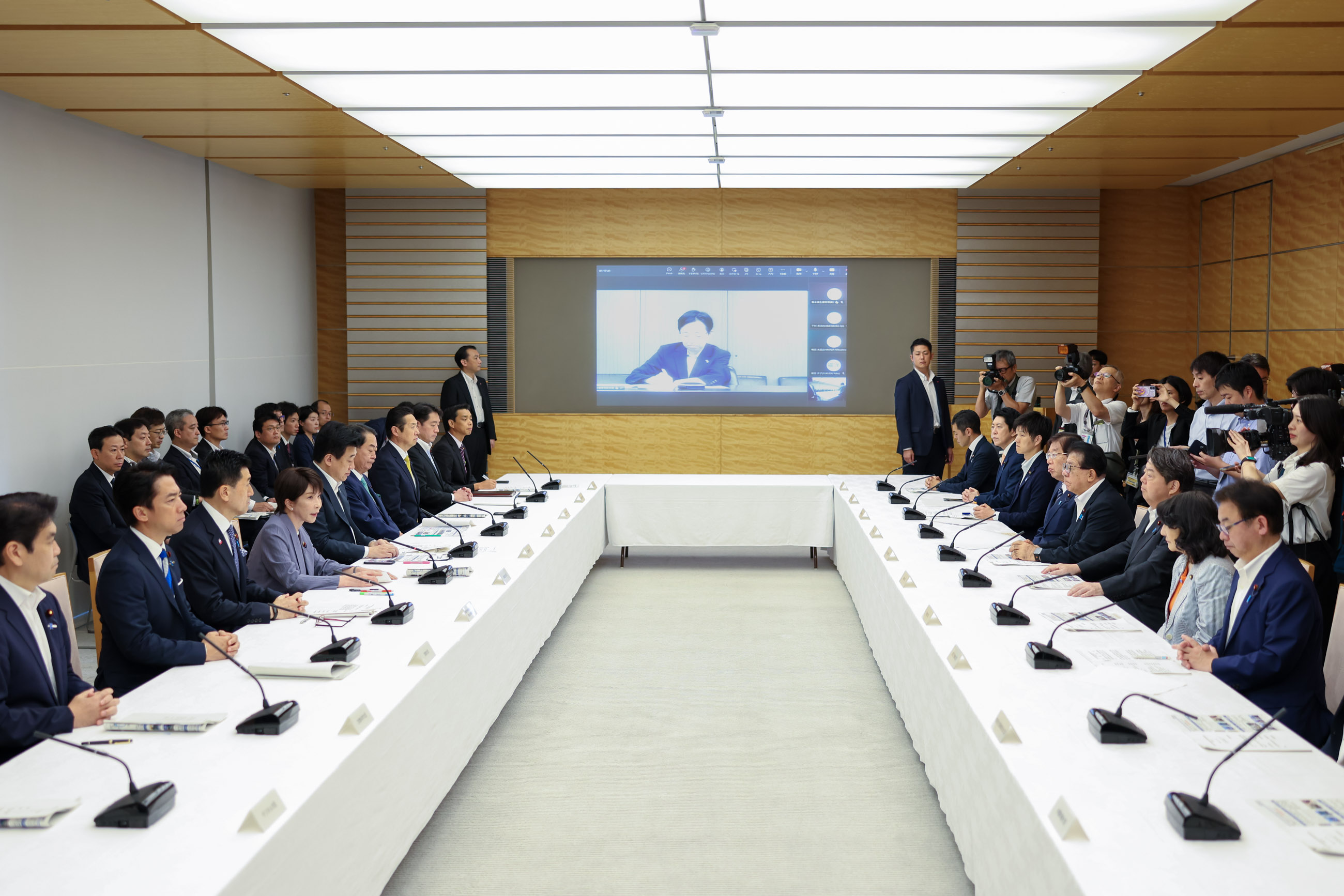
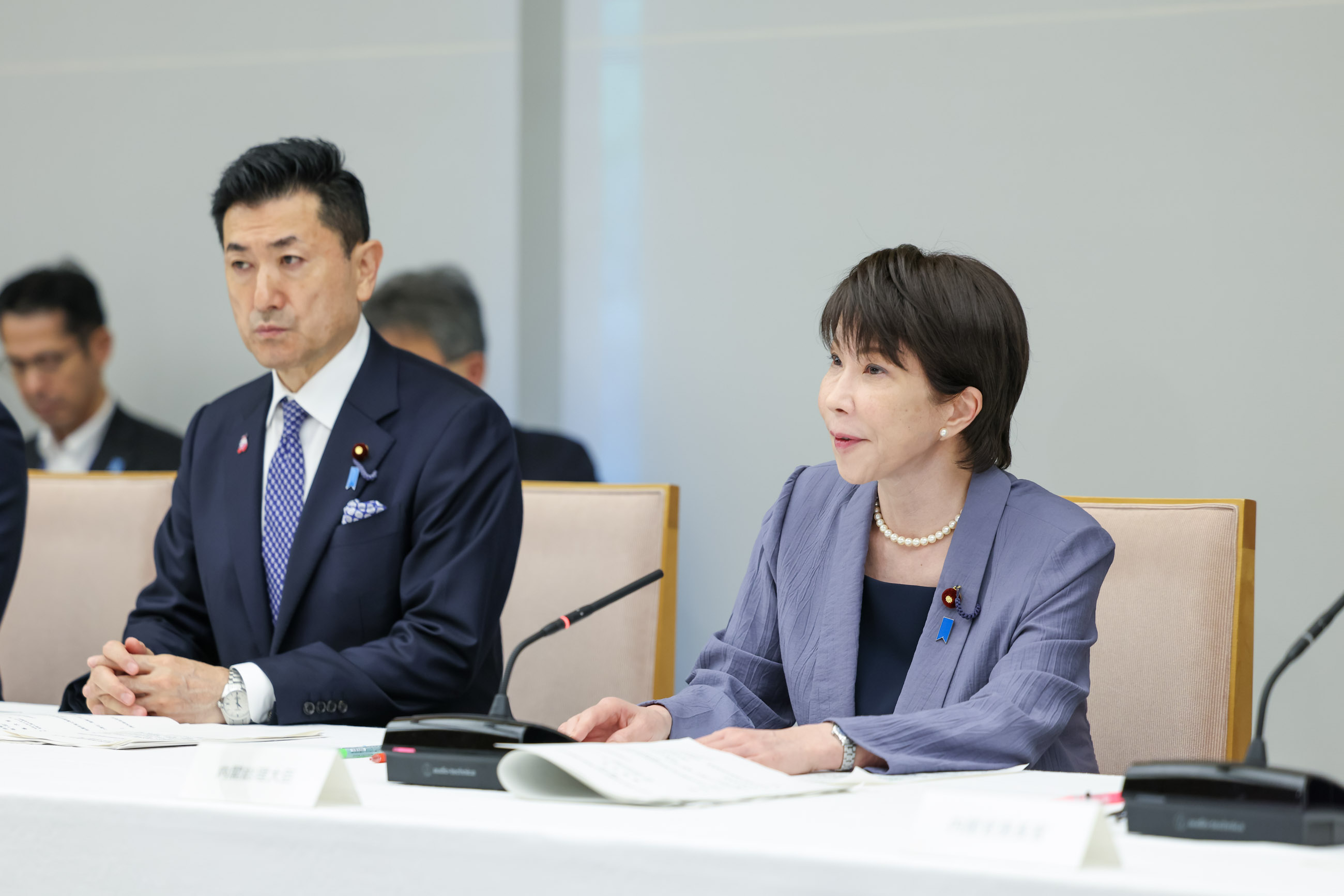
On September 4, 2026, at the Prime Minister’s Office, Prime Minister Takaichi held the first meeting of the Headquarters for Supporting Recovery and Reconstruction from the 2026 Kumamoto Earthquake.
At the meeting, the participants discussed the establishment of the Headquarters for Supporting Recovery and Reconstruction from the 2026 Kumamoto Earthquake and initiatives for advancing recovery and reconstruction.
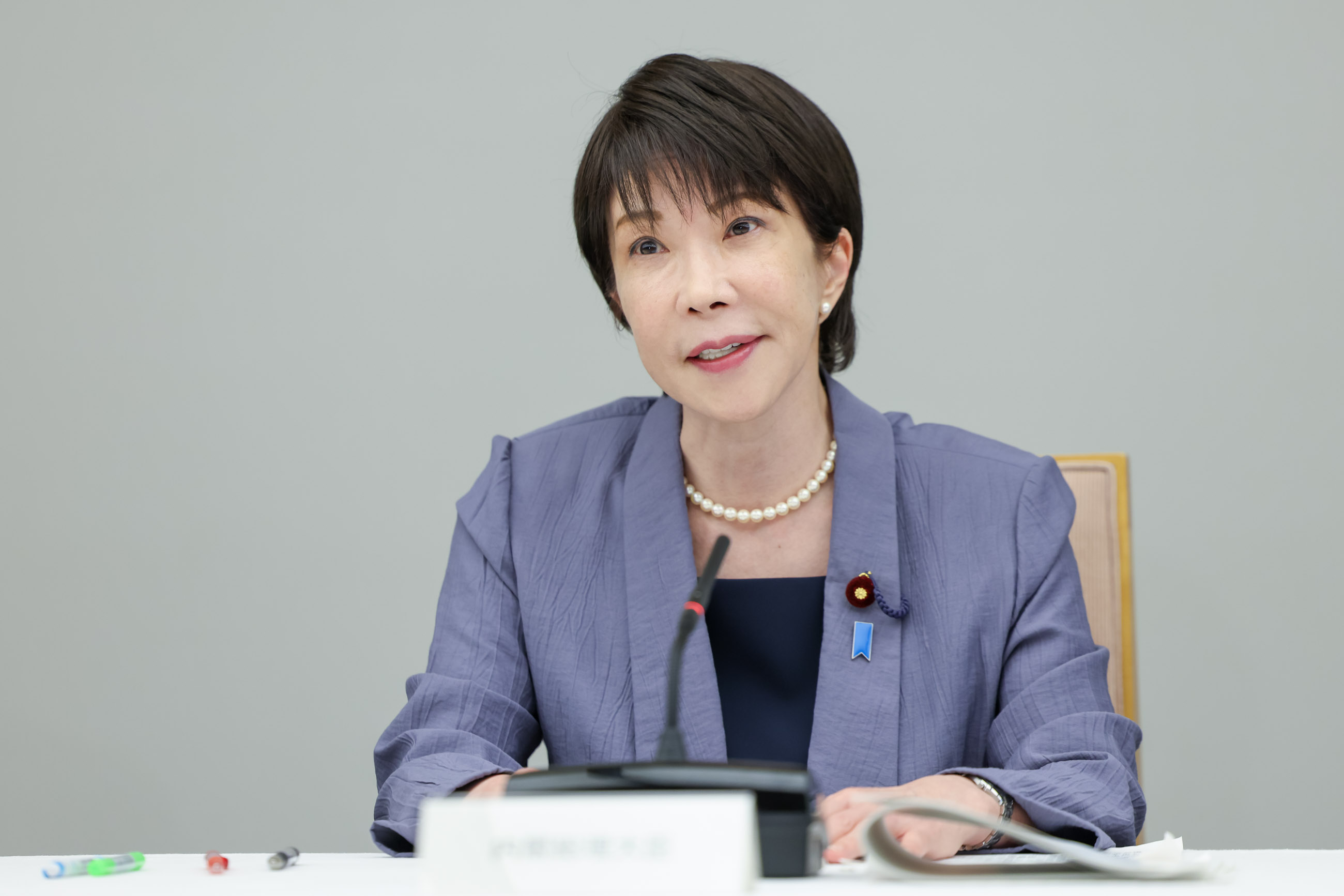
Following the discussion, Prime Minister Takaichi said as follows:
(Prime Minister TAKAICHI)
Thank you all for your continued hard work. Today (September 4), despite his busy schedule, Governor Kimura of Kumamoto Prefecture kindly attended the meeting and made remarks that have given us further motivation. I would like to express my heartfelt gratitude. In response to the recent disaster, we have been implementing new initiatives that are unprecedented in the history of disaster response. I was deeply grateful that the Governor also mentioned this point.
Thank you all for your continued hard work. Today (September 4), despite his busy schedule, Governor Kimura of Kumamoto Prefecture kindly attended the meeting and made remarks that have given us further motivation. I would like to express my heartfelt gratitude. In response to the recent disaster, we have been implementing new initiatives that are unprecedented in the history of disaster response. I was deeply grateful that the Governor also mentioned this point.
More than a month has passed since the disaster struck. Given that the organizational structure in the affected areas has shifted from the “emergency headquarters” to the “recovery and reconstruction headquarters,” the Government has decided to establish a new Headquarters for Supporting Recovery and Reconstruction from the 2026 Kumamoto Earthquake to build support systems for the recovery and reconstruction of areas affected by the disaster from a medium- to long-term perspective. We will push ahead with these efforts in close collaboration with Kumamoto Prefecture and other affected local governments. On August 27, the Government approved a support package centered on three pillars: rebuilding lives, rebuilding livelihoods, and disaster recovery.
The effort to help rebuild lives includes working to improve elements of the basic living environment, such as toilet facilities and meals; proceeding with the development of “hub evacuation centers”; securing transportation for evacuees, such as buses; and further enhancing the overall environment. Starting tomorrow (September 5), the evacuees will begin moving into temporary housing in Hikawa Town. We will swiftly work to secure housing where people can feel safe and at ease.
As part of our work to rebuild livelihoods, meanwhile, we will support the continuation and resumption of business operations and launch the “Kyushu Recovery Support Discount” campaign on October 1. Through support for discounts on accommodation charges and other measures, we will help spur the recovery of tourism demand.
As part of our disaster-recovery efforts, we completed the restoration of the main water supply lines at the end of August. We will also dispatch contractors from outside the prefecture to repair privately owned wells and accelerate the restoration of infrastructure that supports daily lives and local economies.
With this Headquarters for Supporting Recovery and Reconstruction playing a central role, the Government will pour its energies into swiftly carrying out the measures in the support package. Let us spare no effort in our response for the sake of the people and communities that the disaster has affected.
Currently, Typhoon No. 24 is moving northwest over the East China Sea. With the front remaining stationary, the situation calls for continued vigilance against heavy rains. The Government has been responding by maintaining the necessary state of alert, including holding a Meeting of Relevant Ministries and Agencies on Disaster Countermeasures yesterday (September 3) with Minister Akama in attendance. I ask all ministers to pay close attention to how the rainfall develops and take every possible measure to ensure disaster preparedness.
The heavy rains that began on August 27 have caused extensive damage in Toyama, Ishikawa, and Fukui Prefectures, among other locations. These heavy rains are believed to be part of a single series of meteorological phenomena, starting with the rainy season front and culminating in the Heavy Rain in Chiba, and the disaster is expected to be designated as a “Disaster of Extreme Severity” with respect to agricultural land and other facilities. I request that you promptly assess the extent of the damage, including the impact on public infrastructure such as roads and rivers.
We are entering a period when disasters caused by heavy rains and other phenomena are likely to occur frequently. Let us remain vigilant and cautious in our approach.
That is all from me. Thank you again for your continued hard work.