


[Provisional Translation]
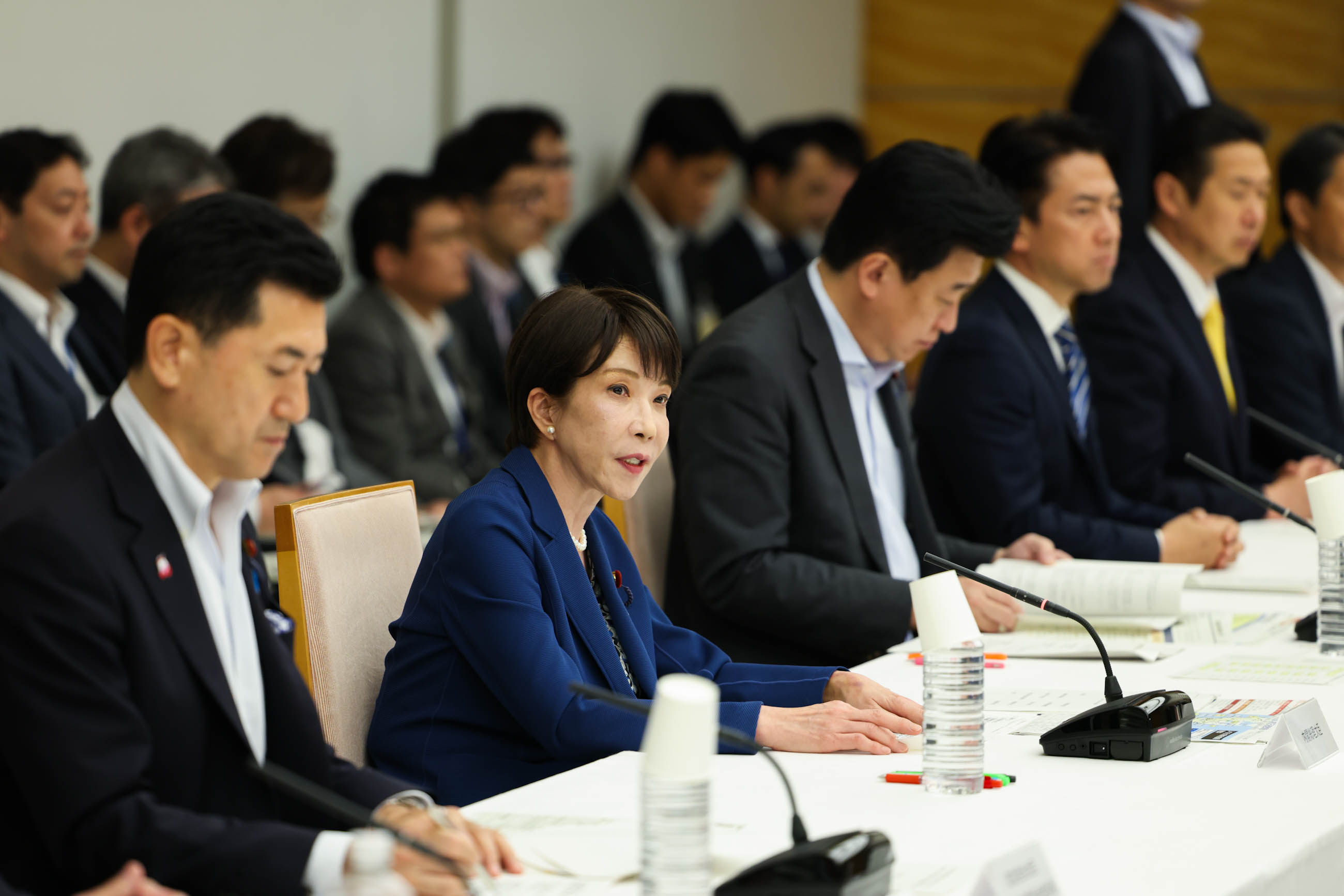
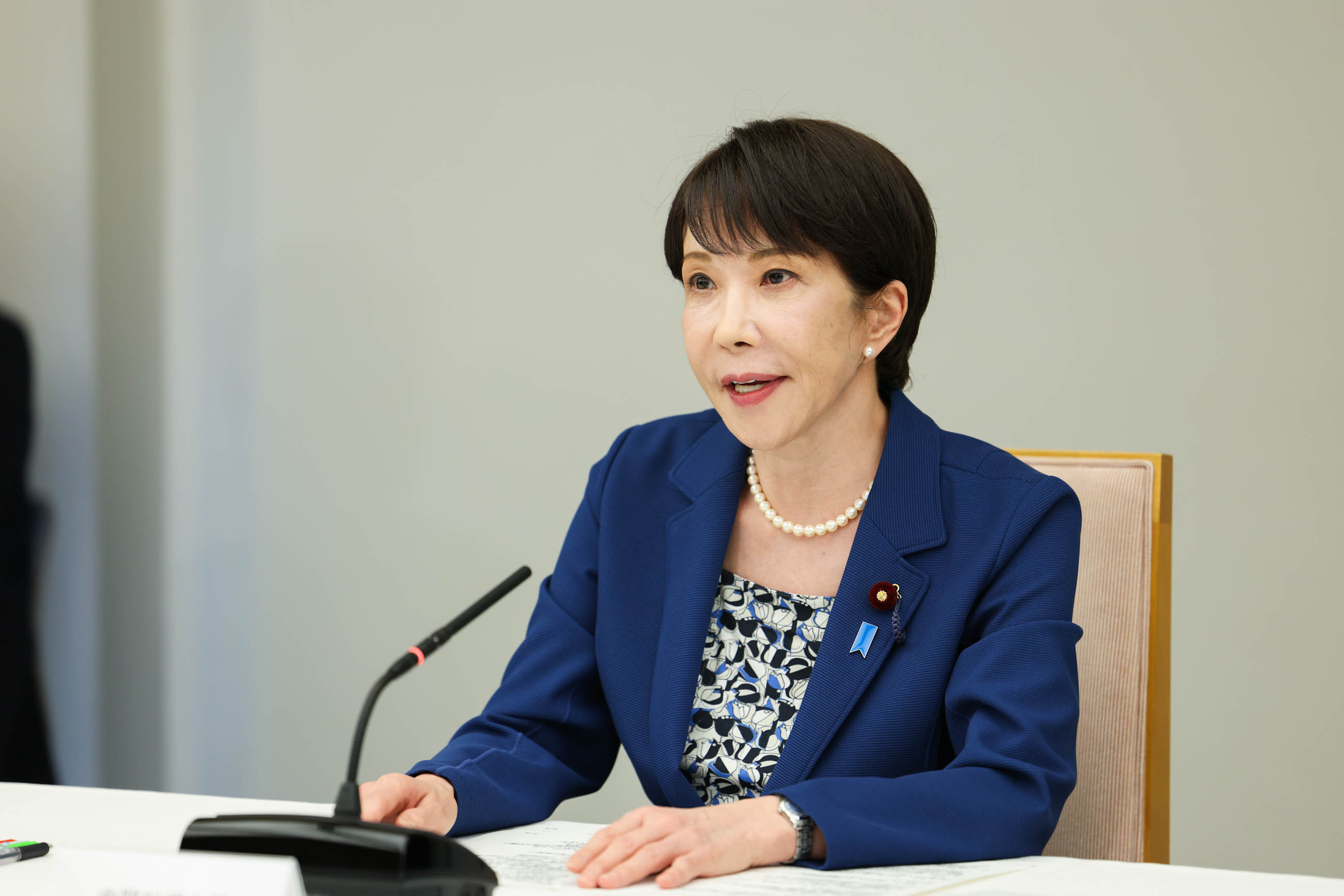
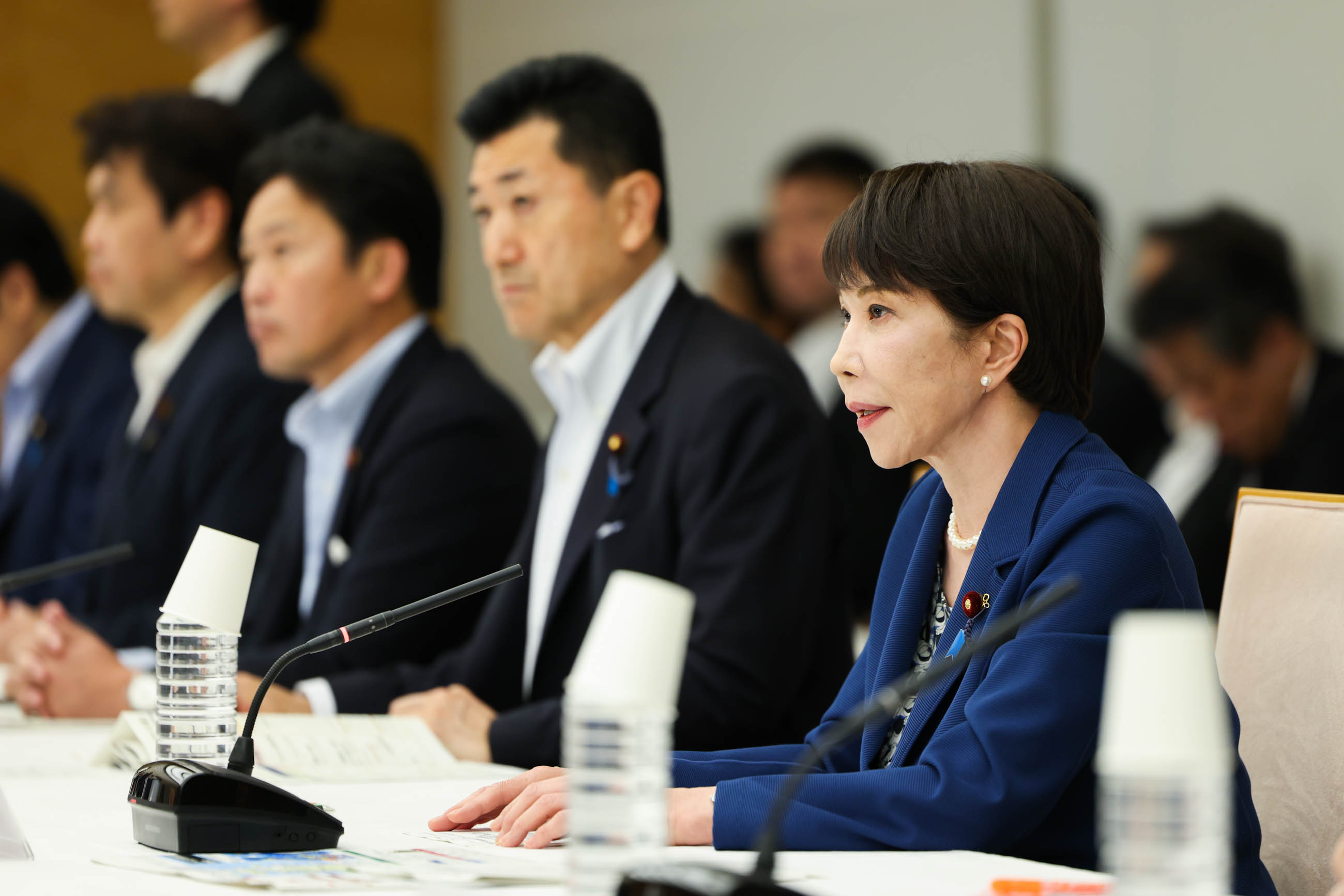
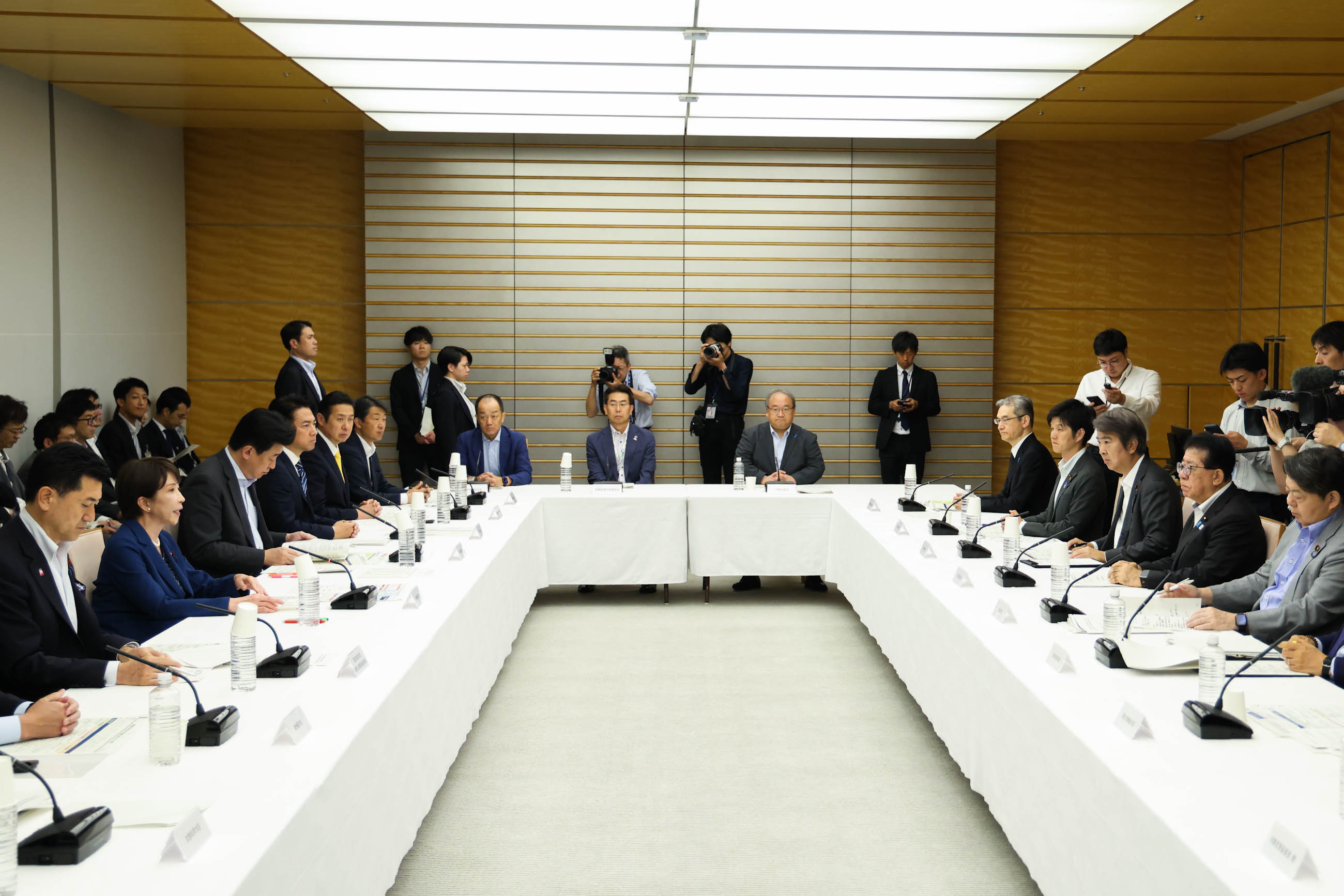
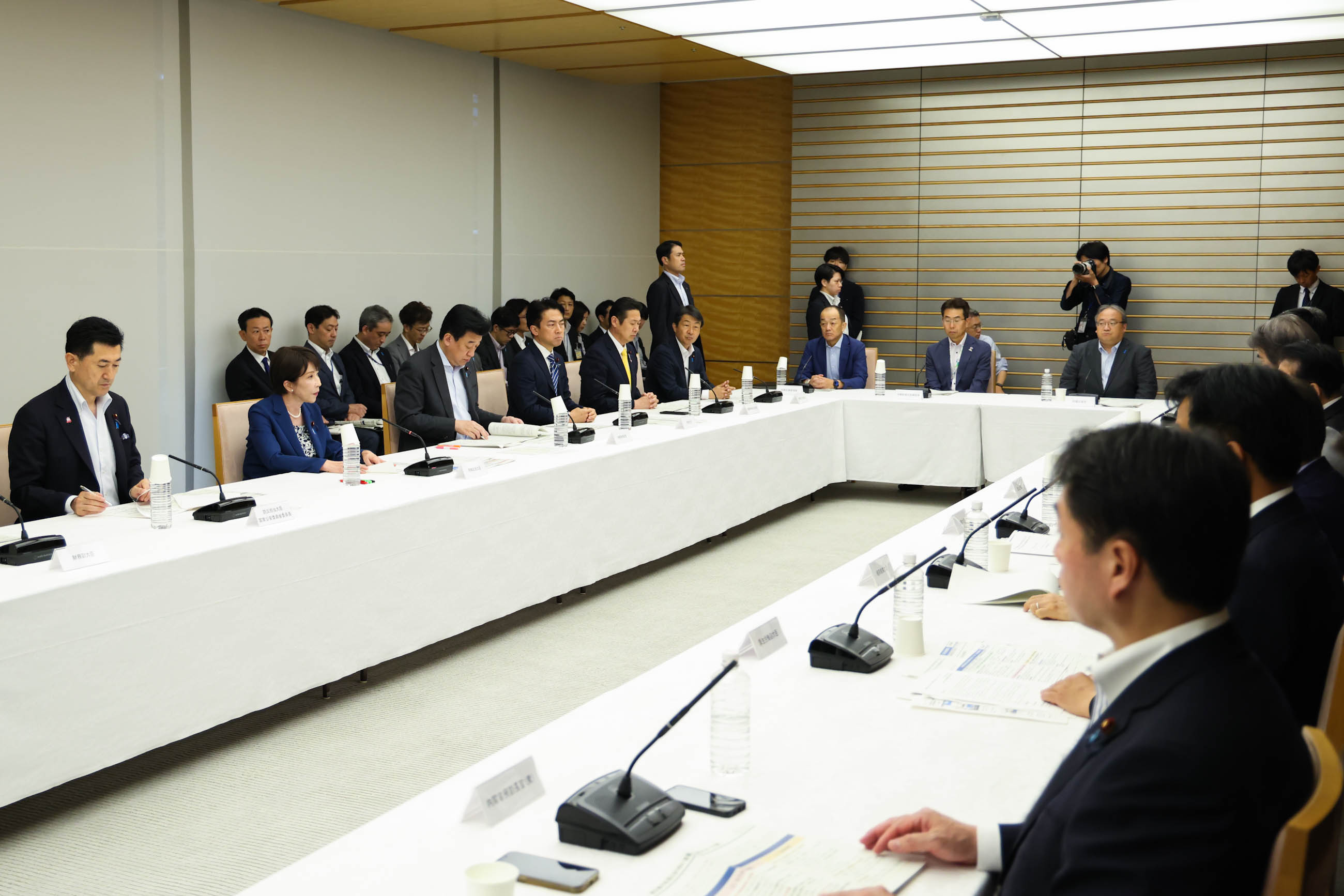
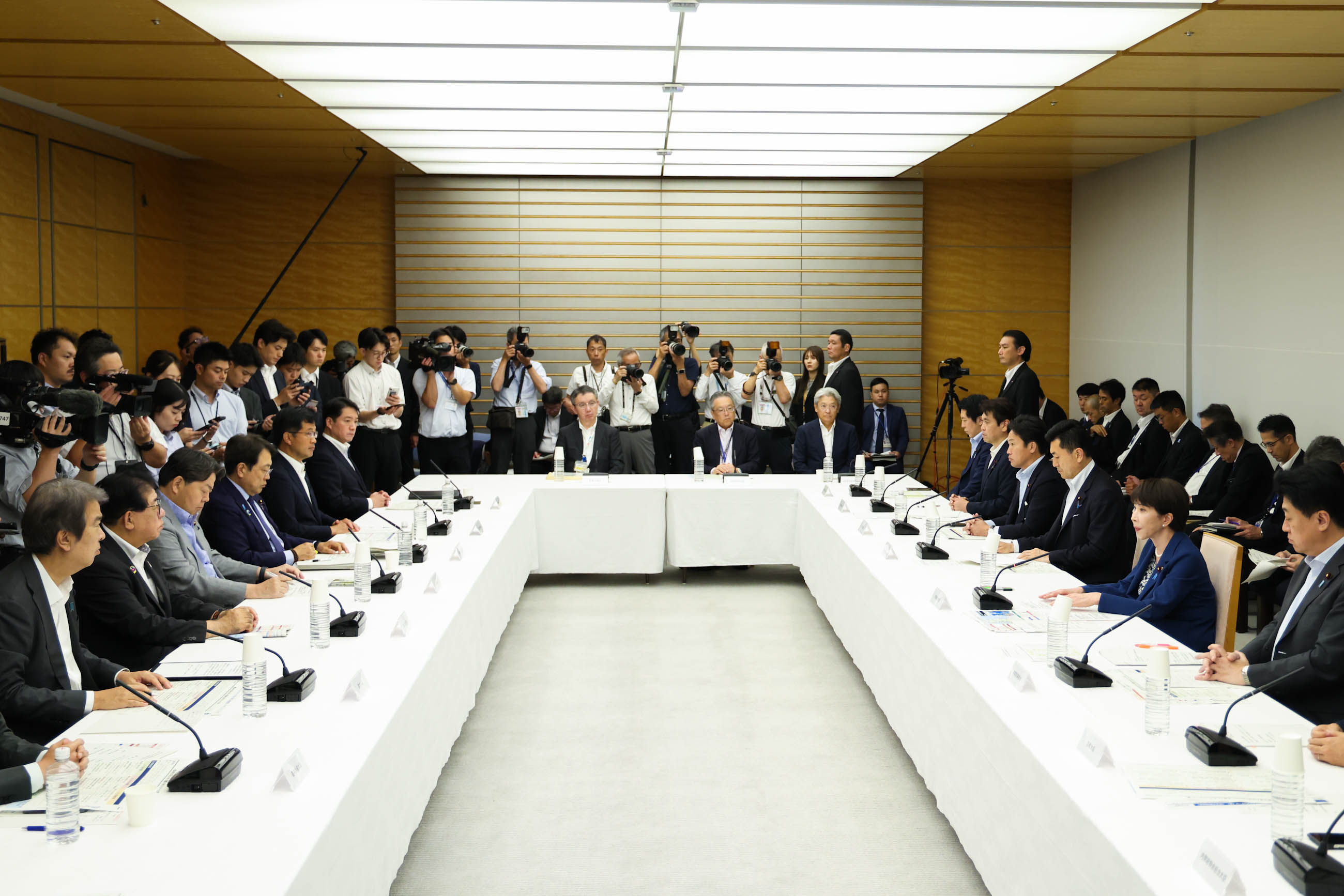
On August 27, 2026, Prime Minister Takaichi attended the 13th meeting of the Emergency Headquarters for the 2026 Kumamoto Earthquake and the third Meeting of Relevant Ministers on the Heavy Rain in Chiba in August 2026 at the Prime Minister’s Office.
Following today’s discussion, Prime Minister Takaichi said as follows:
(Prime Minister TAKAICHI)
Thank you all for your continued hard work.
Thank you all for your continued hard work.
It will soon be one month since the 2026 Kumamoto Earthquake occurred.
The affected areas have suffered what might be described as a “fourfold hardship,” following the 2016 Kumamoto Earthquakes, the Heavy Rain in July 2020, and the heavy rains in 2025, and now this latest disaster.
Immediately after the disaster occurred, the Government established the Emergency Headquarters and has made every effort to ascertain the extent of the damage, conduct lifesaving, rescue, and search operations, carry out emergency restoration of infrastructure, and restore electricity and water supplies.
We have also dispatched many personnel to the affected areas, including the Cabinet Office’s “Furusato Disaster Management Personnel,” and have made every effort to prevent disaster-related deaths. On August 4, we decided to use 24.2 billion yen from the Contingency Reserve Fund to strengthen our disaster response. Earlier today, it was also announced that services on the Kyushu Shinkansen will resume along the entire line from September 18.
Nevertheless, many people are still being forced to endure difficult evacuation conditions amid the extreme heat.
Today, we compiled a “Package of Measures to Support the Lives and Livelihoods of Disaster Victims,” consisting of measures requiring urgent implementation so that those affected by the disaster can return to their normal, peaceful lives as soon as possible.
This support package consists of three pillars: rebuilding lives, rebuilding livelihoods, and disaster recovery.
Specifically, to rebuild people’s lives, the measures include:
improving the environment at hub evacuation centers, which will receive evacuees after appropriate living conditions have been put in place;
providing support for the demolition and removal of damaged houses, including those classified as half-destroyed; and
providing monitoring and consultation support, including for those sheltering in their vehicles or at home.
providing support for the demolition and removal of damaged houses, including those classified as half-destroyed; and
providing monitoring and consultation support, including for those sheltering in their vehicles or at home.
To rebuild livelihoods, the measures include:
expanding the range of businesses eligible for the “Local Government Partnership Subsidy Program” and other programs, and supporting the restoration of business facilities and equipment at high subsidy rates equivalent to those under the “Subsidy Program for Business Continuity and Recovery”;
providing support to businesses carrying existing debt as a result of having suffered repeated disasters;
supporting the consolidation and rationalization of shared agricultural facilities, as well as the reacquisition and repair of machinery and facilities;
providing support for discounts on accommodation charges and other measures to stimulate tourism demand; and
applying special measures under the “Employment Adjustment Subsidy.”
providing support to businesses carrying existing debt as a result of having suffered repeated disasters;
supporting the consolidation and rationalization of shared agricultural facilities, as well as the reacquisition and repair of machinery and facilities;
providing support for discounts on accommodation charges and other measures to stimulate tourism demand; and
applying special measures under the “Employment Adjustment Subsidy.”
For disaster recovery and other measures, the package includes:
increasing national government subsidy rates for restoration projects involving public civil engineering facilities and other infrastructure;
accelerating the restoration of water supply and sewerage systems;
introducing new support for the restoration of privately owned wells through disaster relief funding and other means; and
accurately assessing the various fiscal needs of local governments and implementing appropriate “local fiscal measures.”
accelerating the restoration of water supply and sewerage systems;
introducing new support for the restoration of privately owned wells through disaster relief funding and other means; and
accurately assessing the various fiscal needs of local governments and implementing appropriate “local fiscal measures.”
These constitute emergency measures that will also firmly respond to requests from affected local governments and others.
To implement these measures, tomorrow the Cabinet will approve the use of 147.8 billion yen from the Contingency Reserve Fund.
I ask each minister to immediately put the “support package” into action to support the lives and livelihoods of those affected by the disaster.
I also ask each ministry and agency to work in coordination with local governments to provide clear and accessible information from the perspective of those affected, so that each support measure reliably reaches those who need it.
In addition, as Minister Matsumoto reported earlier, regarding the “rate of air-conditioning installation in school gymnasiums and other facilities nationwide that serve as evacuation centers,” which I previously instructed the Government to address, we will bring forward the target of achieving 100 percent installation from FY2035 to FY2031. Minister Matsumoto, please work with the relevant ministers to accelerate these efforts.
We have listened carefully to the voices of the affected areas and have responded with the determination to “do everything we can.” In this package, however, we have gone further by incorporating measures based on the principle that, even where something “could not be done before,” we must now “do what needs to be done.” Let us devote ourselves fully to supporting the rebuilding of the lives and livelihoods of those affected.
Two weeks have now passed since the Heavy Rain in Chiba in August 2026. The record rainfall caused widespread inland flooding, resulting in extensive human casualties and property damage. There is an urgent need to strengthen measures in light of the lessons learned from this disaster.
The Heavy Rain in Chiba in August 2026 is expected to be designated as a “Disaster of Extreme Severity,” together with the heavy rains caused by the seasonal rain front and typhoons since May 23, as a single series of meteorological events.
Specifically, disaster recovery projects involving agricultural land and other facilities are expected to be covered by nationwide special measures under the designation as a “Disaster of Extreme Severity,” including increased national government subsidy rates.
Regarding disaster-damaged vehicles on roads, a project team comprising the relevant organizations was established to undertake their removal. On roads administered by the national government, Chiba Prefecture, and municipalities within the prefecture, removal has now been almost completed, including vehicles that had remained on road shoulders.
In addition, while an increasing number of condominium buildings where elevators, water supplies, and other services had stopped due to flooding are returning to normal, some buildings have yet to be restored.
To accelerate restoration, we will also provide proactive support to connect construction contractors with property management companies and other relevant parties.
At the same time, until condominium facilities are restored, we will support initiatives by each municipality to enable persons requiring special consideration and others who so wish to evacuate to hotels, traditional Japanese inns, and other accommodation facilities.
We remain in a season when disasters caused by heavy rain and other weather events occur frequently. Today, Emergency Warnings for Heavy Rain were issued for two cities and three towns in Ishikawa and Toyama Prefectures, as rainfall reached unprecedented levels and caused flooding and other damage. Intermittent rainfall is forecast to continue, so I ask everyone to continue to ensure their own safety and exercise the utmost vigilance.
The Government has established an information contact office at the Prime Minister’s Office to gather information and take other necessary measures. We are also responding to the situation through such steps as convening a meeting of relevant ministries and agencies on disaster management this morning.
I ask each minister to devote every effort to disaster response.
Minister Akama, with a view also to establishing the “Disaster Management Agency,” which would serve as the command center for disaster prevention and disaster response, I ask you to establish a study group in coordination with the relevant ministries and agencies, looking ahead to next year’s flood season, and promptly compile and steadily implement effective measures. I also ask the relevant ministers to provide cooperation as necessary.
Above all, let us remain vigilant and continue to respond with a strong sense of urgency. Thank you all for your continued hard work.