


[Provisional Translation]
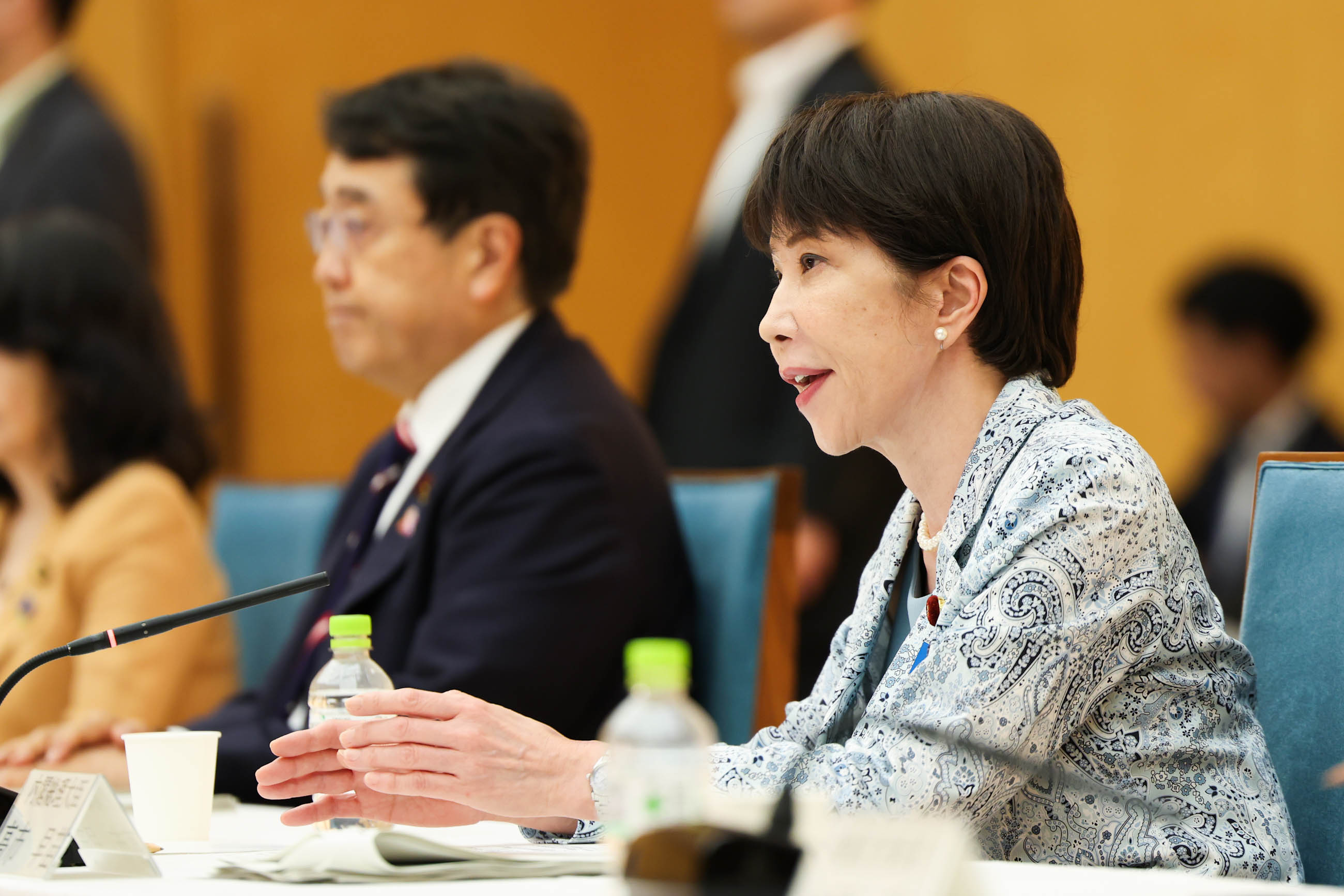
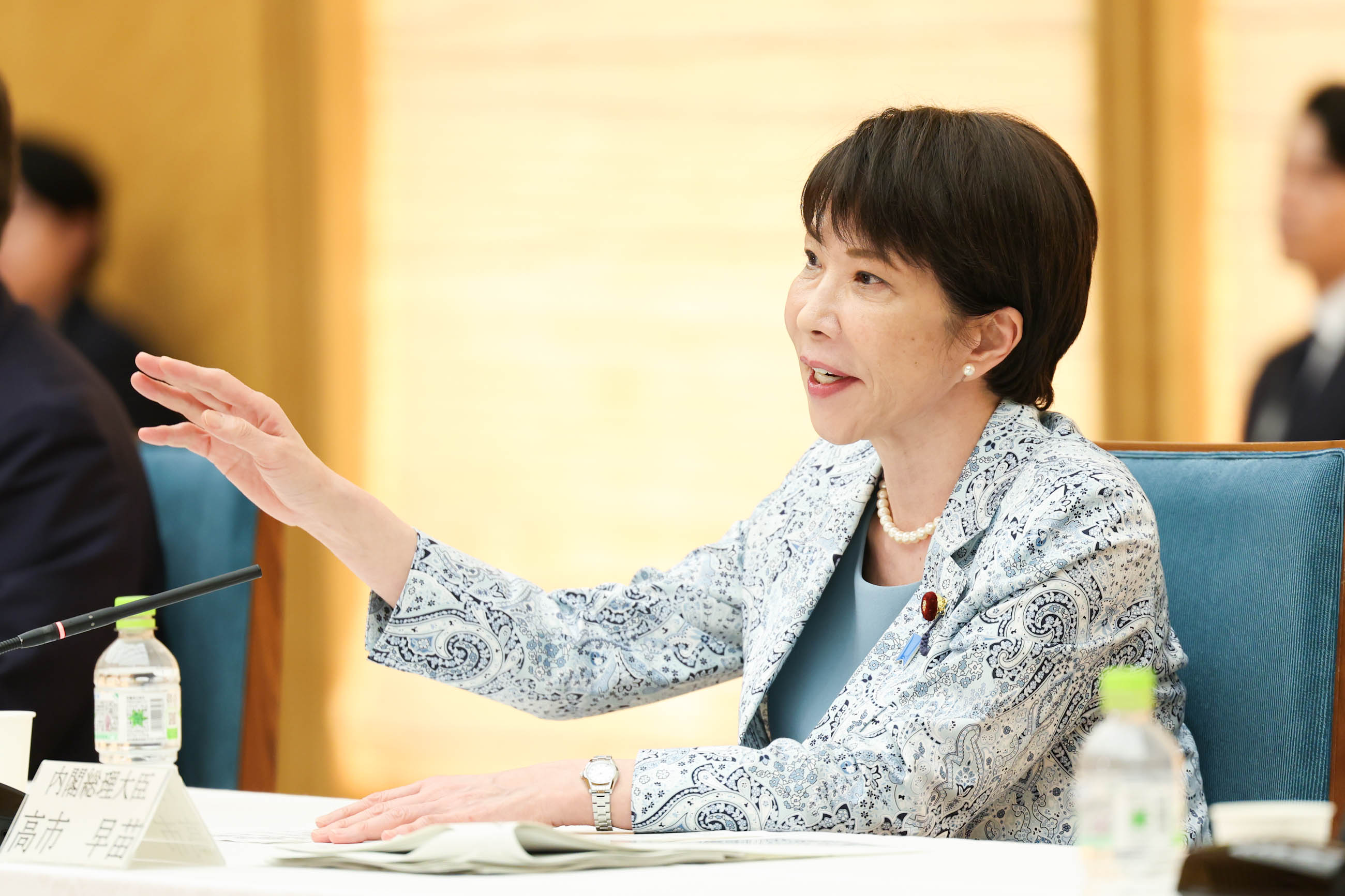
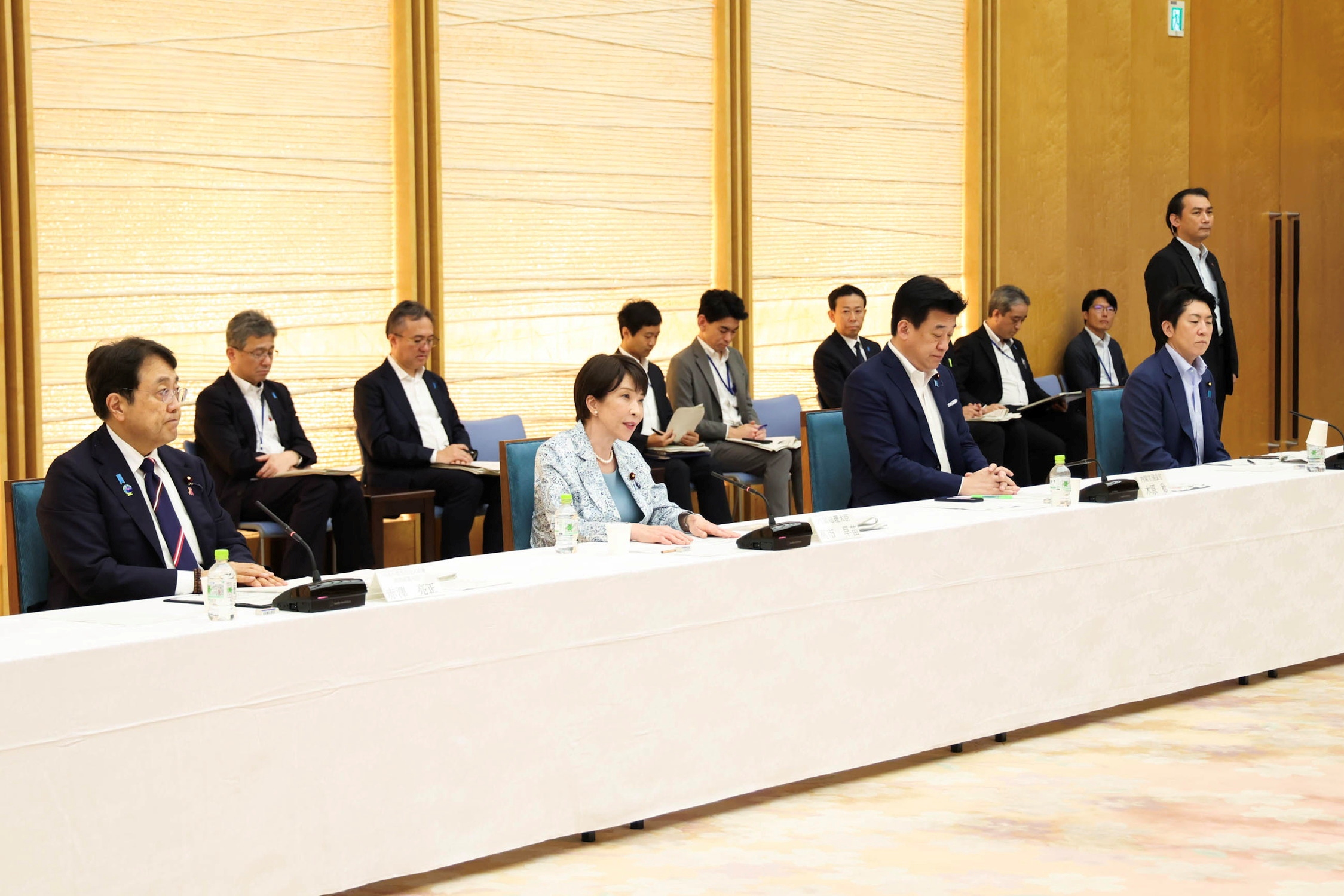
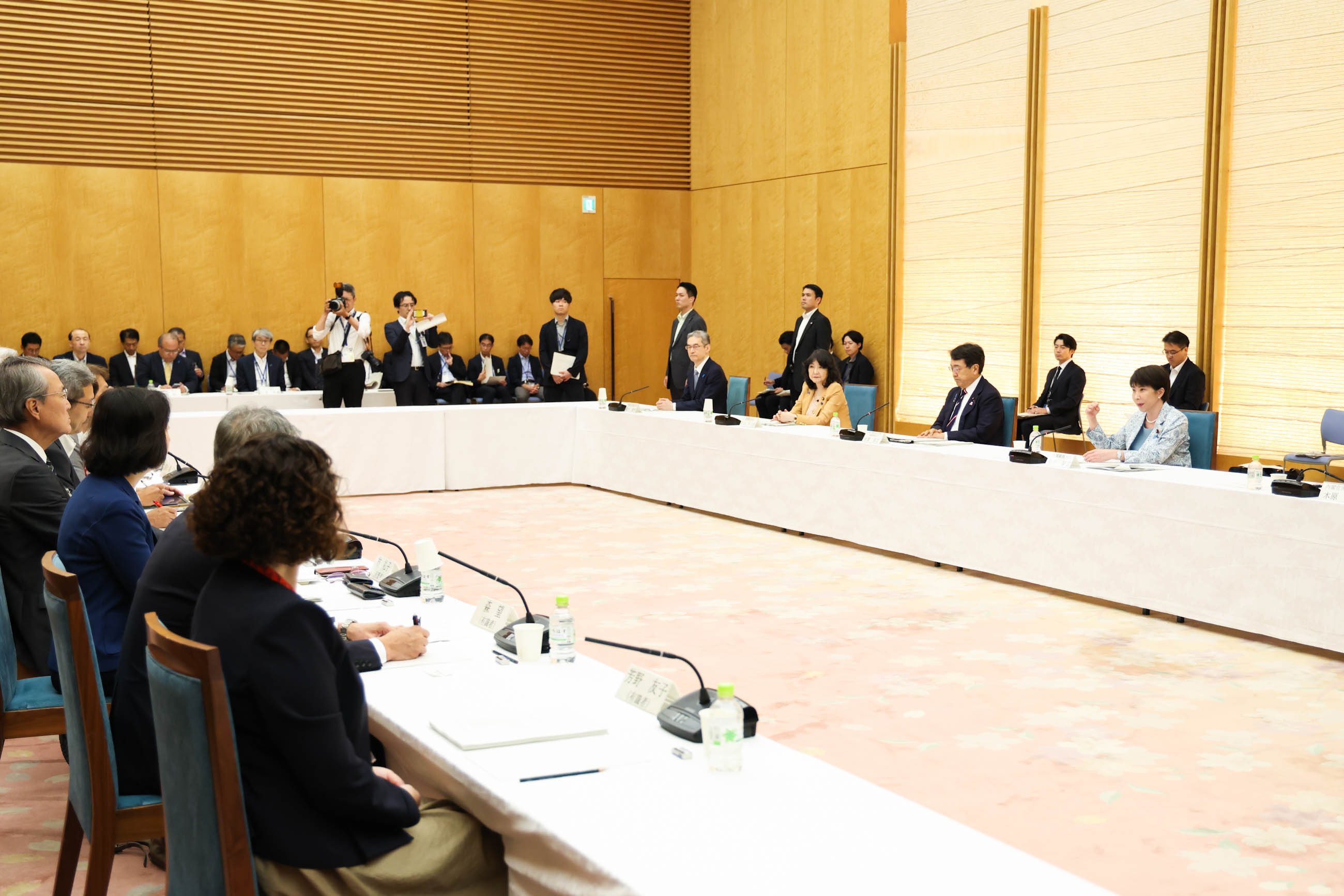
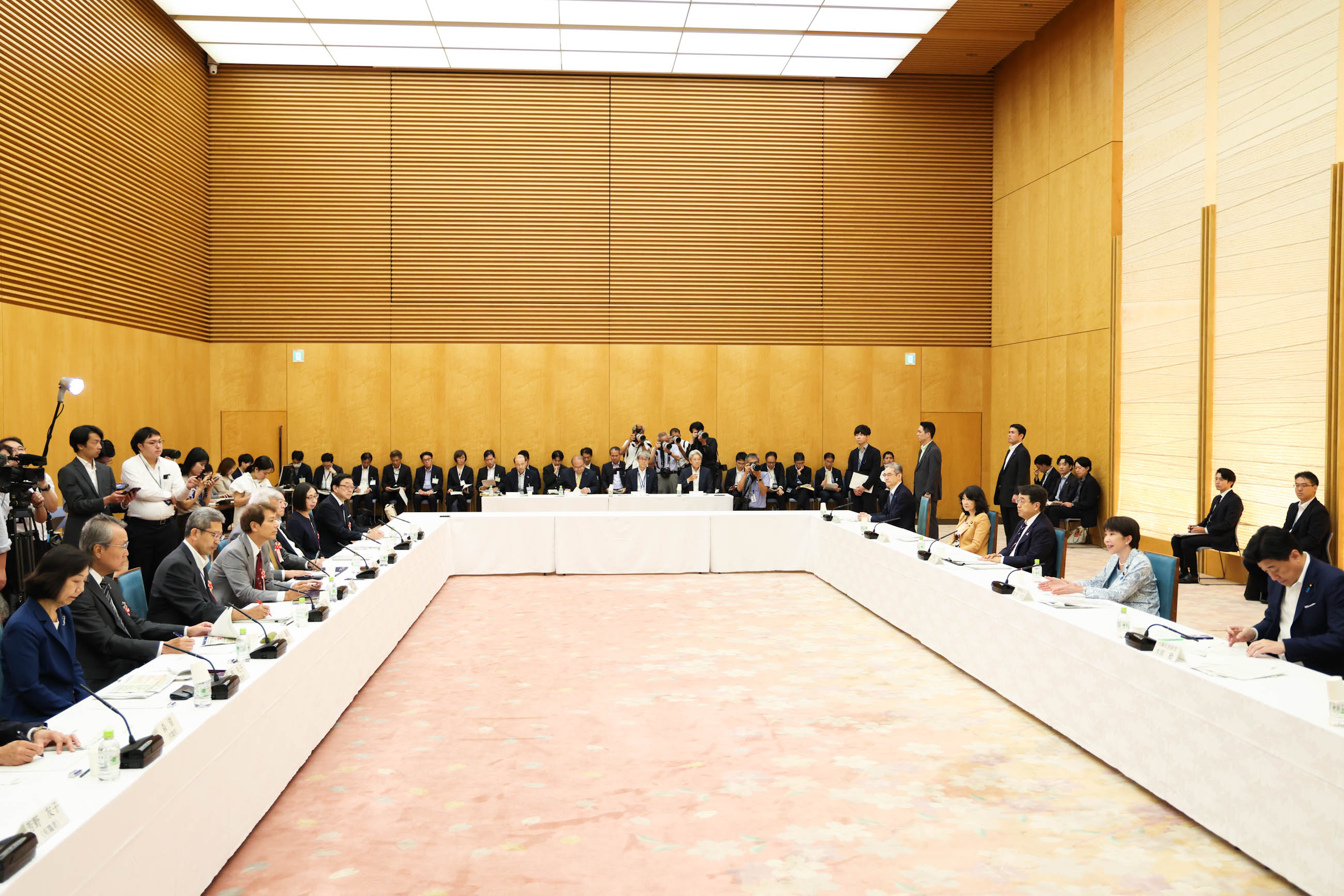
On August 26, 2026, Prime Minister Takaichi held the 17th meeting of the GX (Green Transformation) Implementation Council at the Prime Minister’s Office.
At the meeting, the participants discussed the supply situation of critical goods affected by the situation in the Middle East and the acceleration of Japan’s GX initiatives toward enhancing the resilience of the energy supply-demand structure.
Following the discussion, Prime Minister Takaichi said as follows:
(Prime Minister Takaichi)
Thank you very much to all the members of the Council for your hard work and dedication.
Thank you very much to all the members of the Council for your hard work and dedication.
In response to the recent situation in the Middle East, the Takaichi Cabinet has taken a series of emergency measures, including deciding ahead of the rest of the world to release oil reserves, securing crude oil and petroleum products from alternative sources that do not rely on the Strait of Hormuz, and taking measures to address supply bottlenecks.
Under the leadership of Minister Akazawa, we have carefully and meticulously addressed each individual issue. As a result, the number of consultations received by the Government concerning bottlenecks in the supply of petroleum products—such as lubricants for automobile repair shops, paint thinner for construction companies, agricultural materials and fuel oil, packaging containers for bakeries and confectionery retailers, and medical gloves for medical institutions—has fallen dramatically, and the situation is now moving toward resolution.
In this way, rather than restricting demand through regulatory measures, the Takaichi Cabinet has devoted its utmost efforts to steadily resolving, case by case, the difficulties faced in areas essential to people’s lives and livelihoods, while avoiding any stagnation in domestic economic activity.
Furthermore, through emergency measures to mitigate drastic fluctuations, we have implemented measures to address rising prices, including subsidies for fuel oil. We have achieved the highest rate of real wage growth in the G7 while containing the inflation rate to the lowest level in the G7. These achievements owe much to the efforts of both labor and management, and I would also like to express my gratitude for the various contributions made by the Council members gathered here today. Throughout, we have spared no effort while keeping firmly in mind the need to avoid stagnation in domestic economic activity.
At the same time, I recognize that the international structures and dynamics surrounding energy have fundamentally changed, significantly shaking what had previously been taken for granted as basic assumptions underlying corporate activities and government policies. As an initiative to ensure a stable energy supply across Asia, whose economies are interconnected through supply chains, we have launched POWERR Asia.
Now that these emergency measures have achieved a certain degree of effectiveness, we will confront head-on the structural changes taking place in the global energy landscape and strengthen our efforts to enhance the resilience of Japan’s energy structure from both the supply and demand sides, in order to safeguard people’s lives and economic activity.
As Minister Akazawa reported today, we will further strengthen the GX initiatives that Japan has pioneered ahead of the rest of the world from the perspective of two dimensions of resilience. We will vigorously advance this enhanced approach as the Takaichi Cabinet’s “POWERR GX” and thereby contribute to realizing a strong economy.
First, diversifying fossil fuel procurement sources and reducing associated risks will be one of the pillars of the POWERR GX.
We will consider introducing a mechanism to provide incentives to businesses working to diversify their sources of crude oil and naphtha, while further strengthening the supply system for petroleum-related products, including naphtha and intermediate products.
Second, we will accelerate efforts to reduce dependence on fossil fuels.
We will promote the maximum use of nuclear power with safety as the overriding priority, thereby helping to contain energy prices, while fundamentally strengthening the functions of NEDO toward the early introduction of next-generation advanced reactors.
We will also accelerate the introduction and development of domestically produced decarbonized power sources and alternative fuels to fossil fuels, including perovskite solar cells—a remarkable technology invented in Japan whose raw materials can be sourced domestically—and next-generation geothermal power generation, by reviewing the existing GX Sector-Specific Investment Strategy.
We will also take all possible measures to address increasing electricity demand in the AI era, which has major implications for our competitiveness. We will strengthen the supply capacity for power-generation turbines. We will accelerate the development of innovative data centers, including those incorporating photonics-electronics convergence technologies and energy-efficient semiconductors—technologies that can be deployed extensively both in Japan and overseas. We will also accelerate investment support for fuel conversion aimed at reducing dependence on crude oil.
Japan will serve as a hub connecting oil-producing countries and Asian countries, and through POWERR Asia, we will accelerate efforts to enhance the resilience of energy supply and demand among like-minded countries connected through supply chains.
In this way, the POWERR GX initiative I have outlined today will respond to structural changes in the international environment by adding to and accelerating our existing GX initiatives through new measures, including:
diversifying fossil fuel procurement sources and reducing associated risks; and enhancing the resilience of the global energy supply-demand structure, including among like-minded countries in Asia.
Through these efforts, we will enhance the resilience of our energy supply-demand structure.
Many of the measures set out in this package are also positioned under resource and energy security and GX, one of the 17 strategic fields of the Japan Growth Strategy. Under the Public-Private Roadmap, we will provide seamless support—from encouraging private-sector domestic investment through to creating demand in Japan and overseas—and thereby also strengthen Japan’s growth potential.
Minister Akazawa, regarding the package compiled today, I ask that you promptly begin implementing those measures that can be put into action, including submitting relevant legislation to the next session of the Diet.
Furthermore, we will deepen our consideration of how to give concrete form to the initiatives presented today and realize growth investment, with a view to compiling them as the Takaichi Cabinet’s “POWERR GX Strategy” by the end of this year. I therefore ask all Council members for your continued cooperation.
Thank you very much.