


[Provisional Translation]
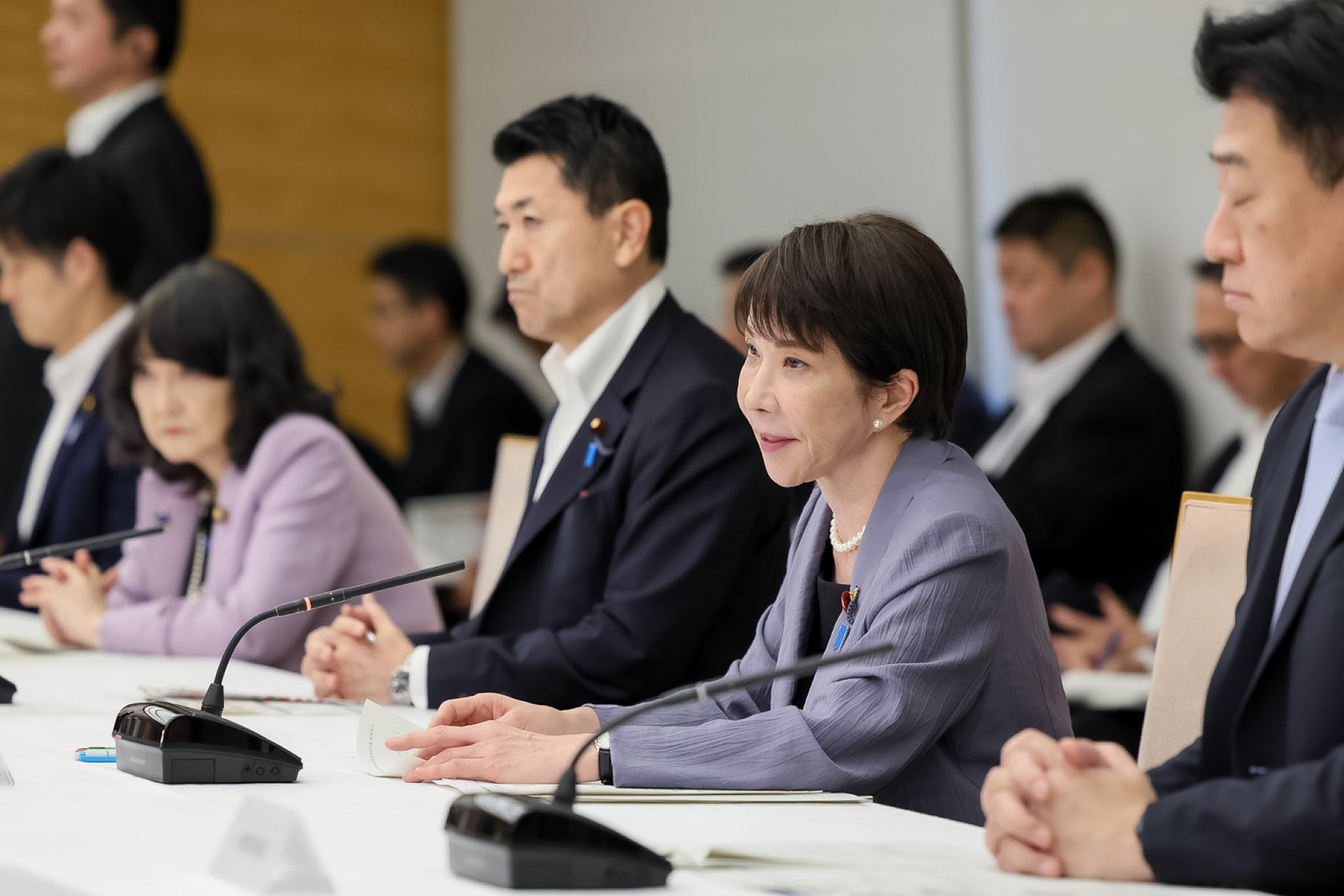
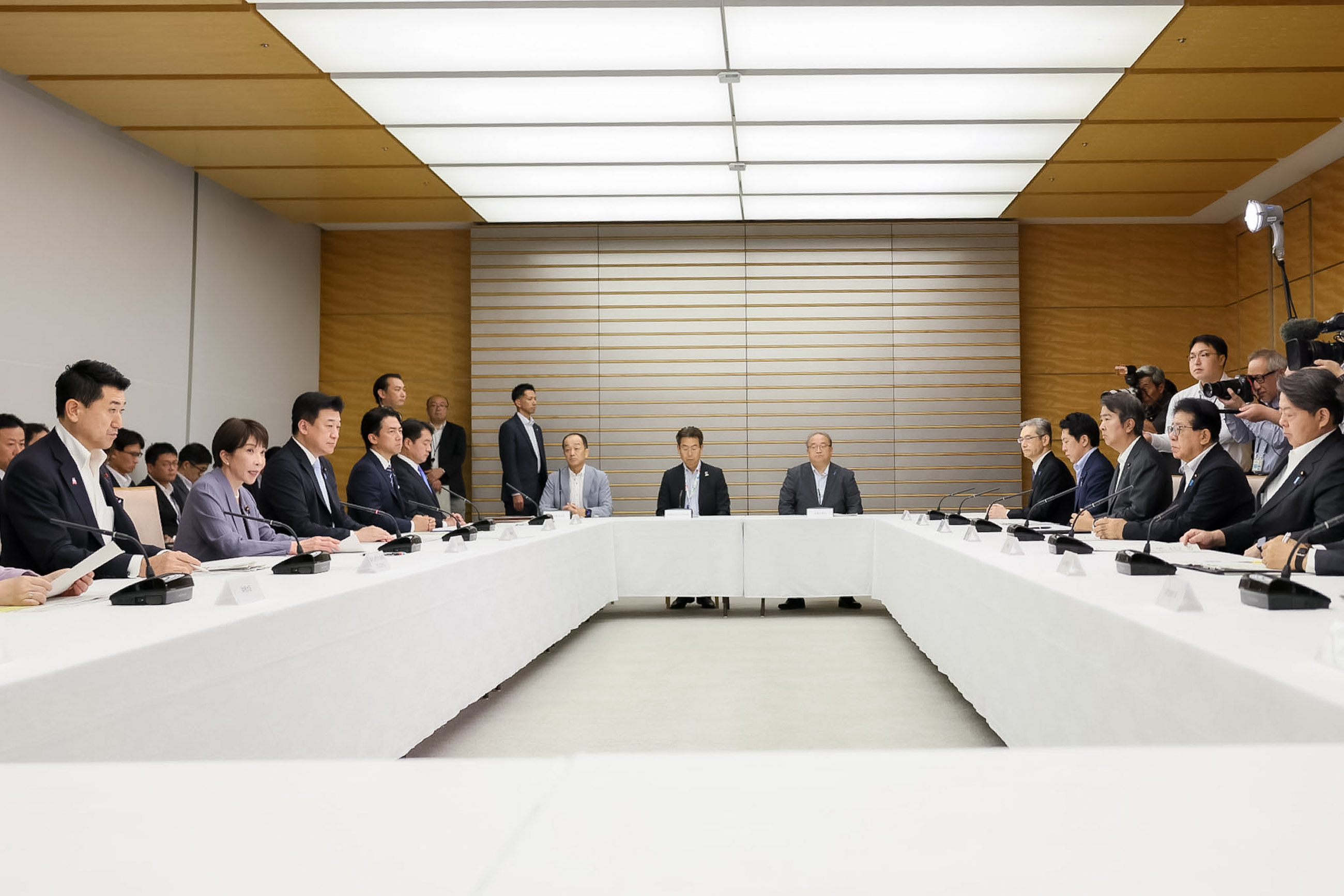
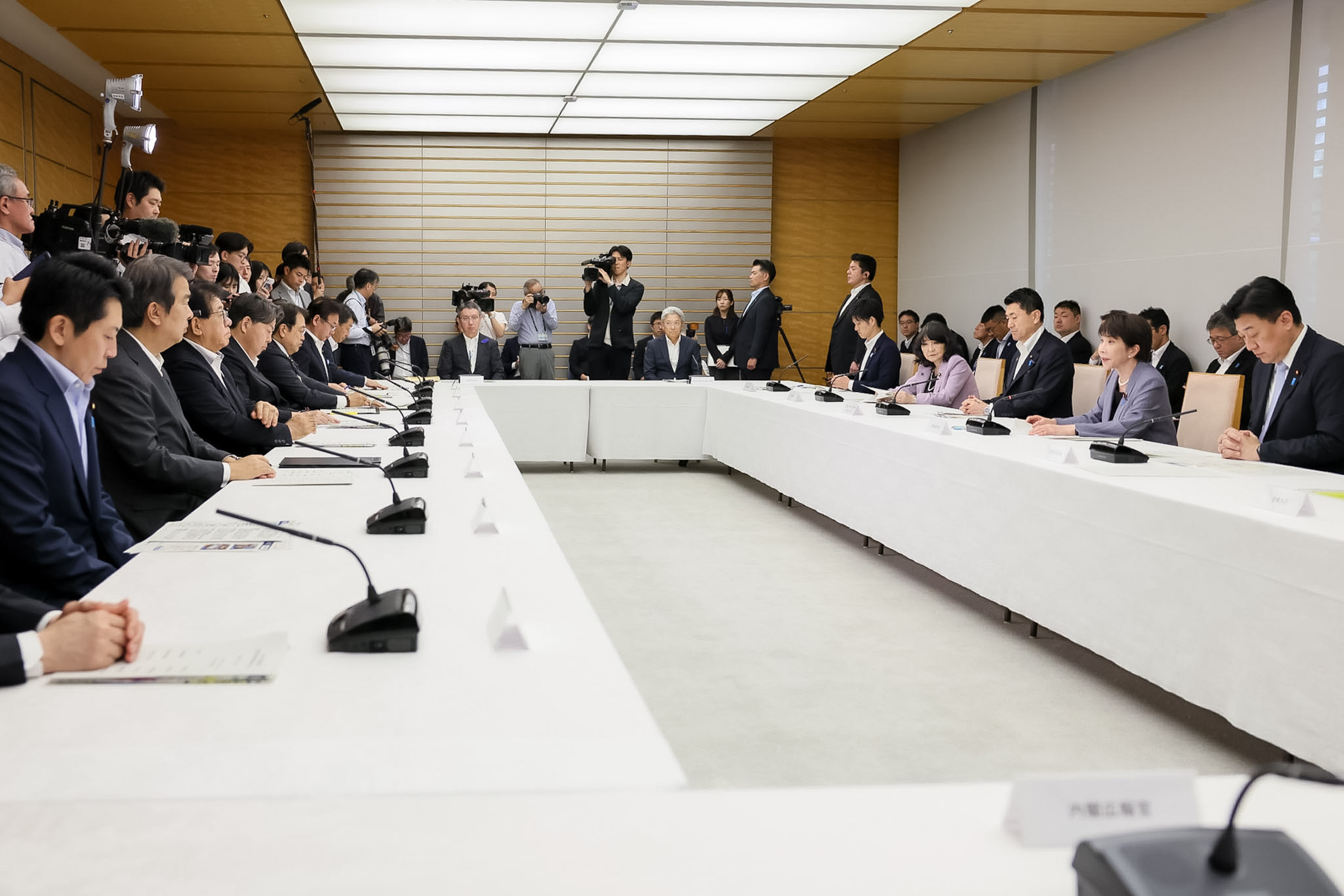
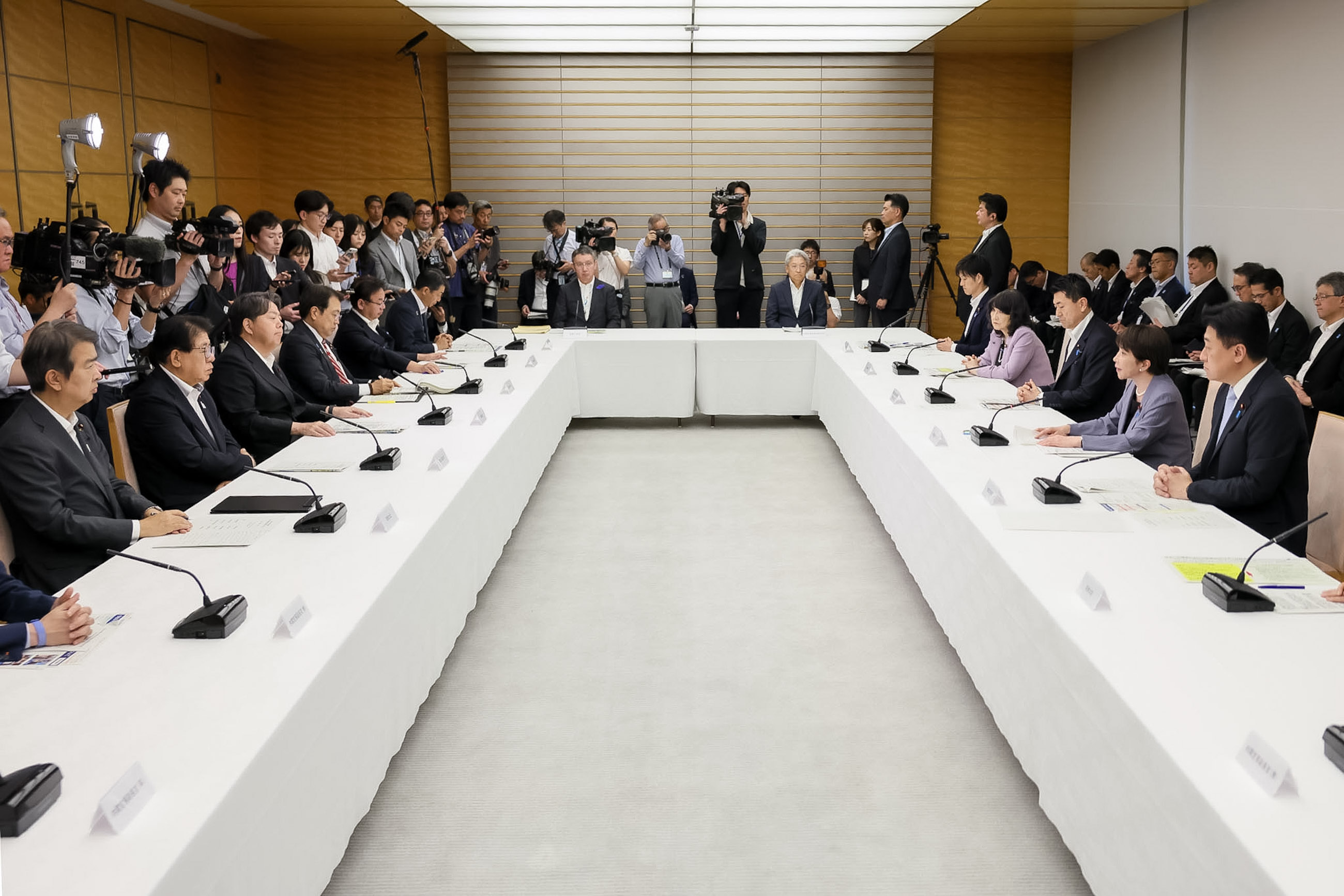
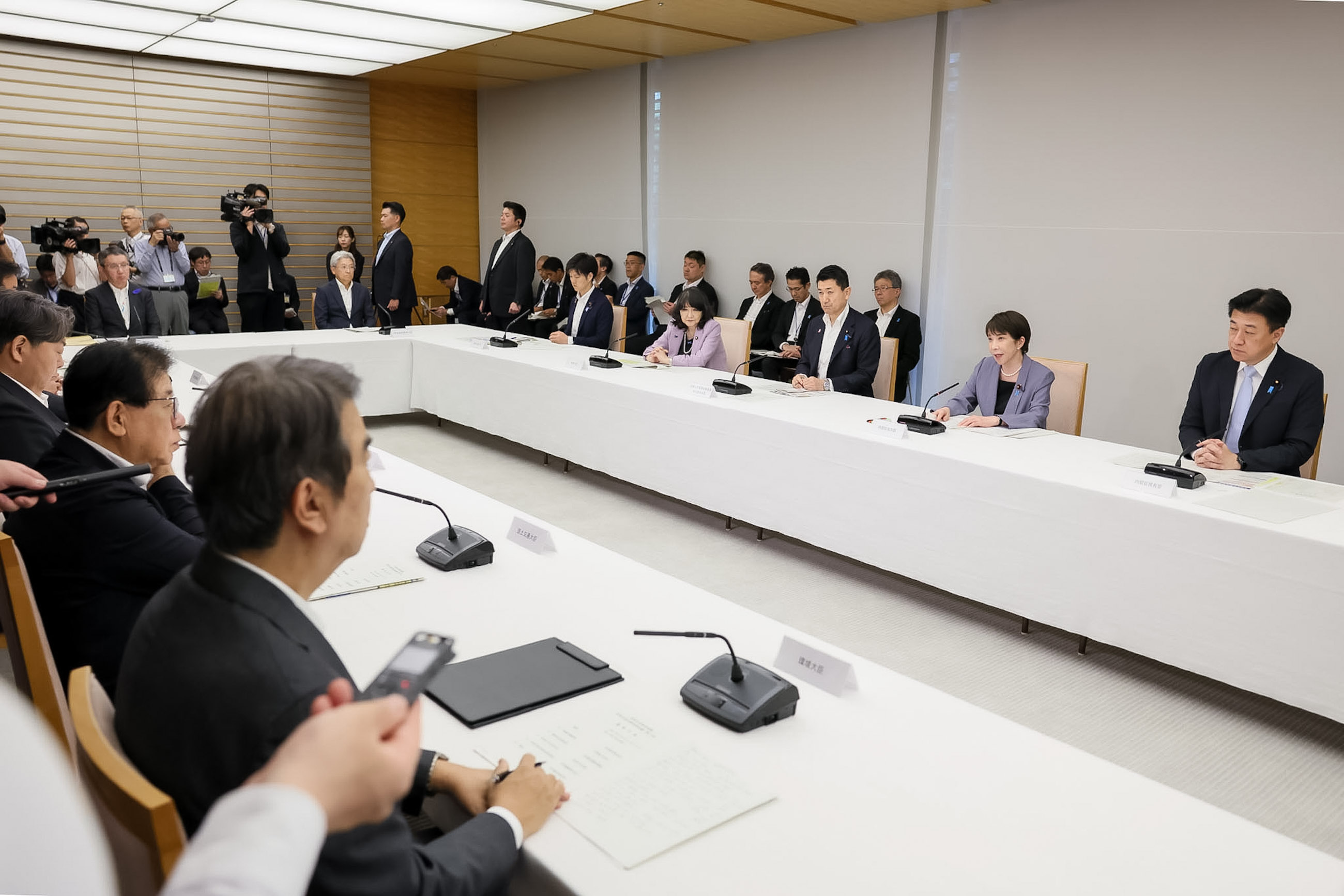
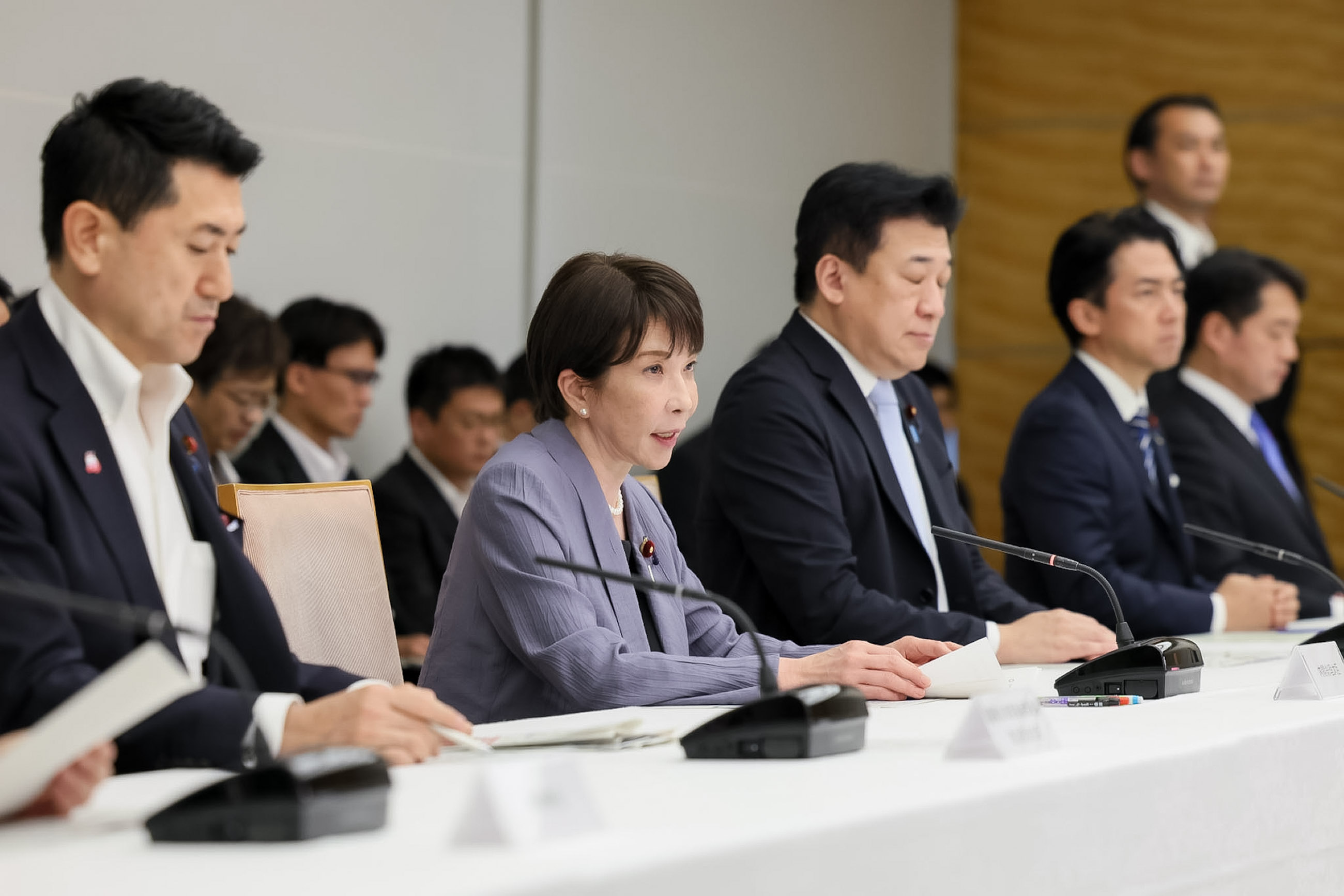
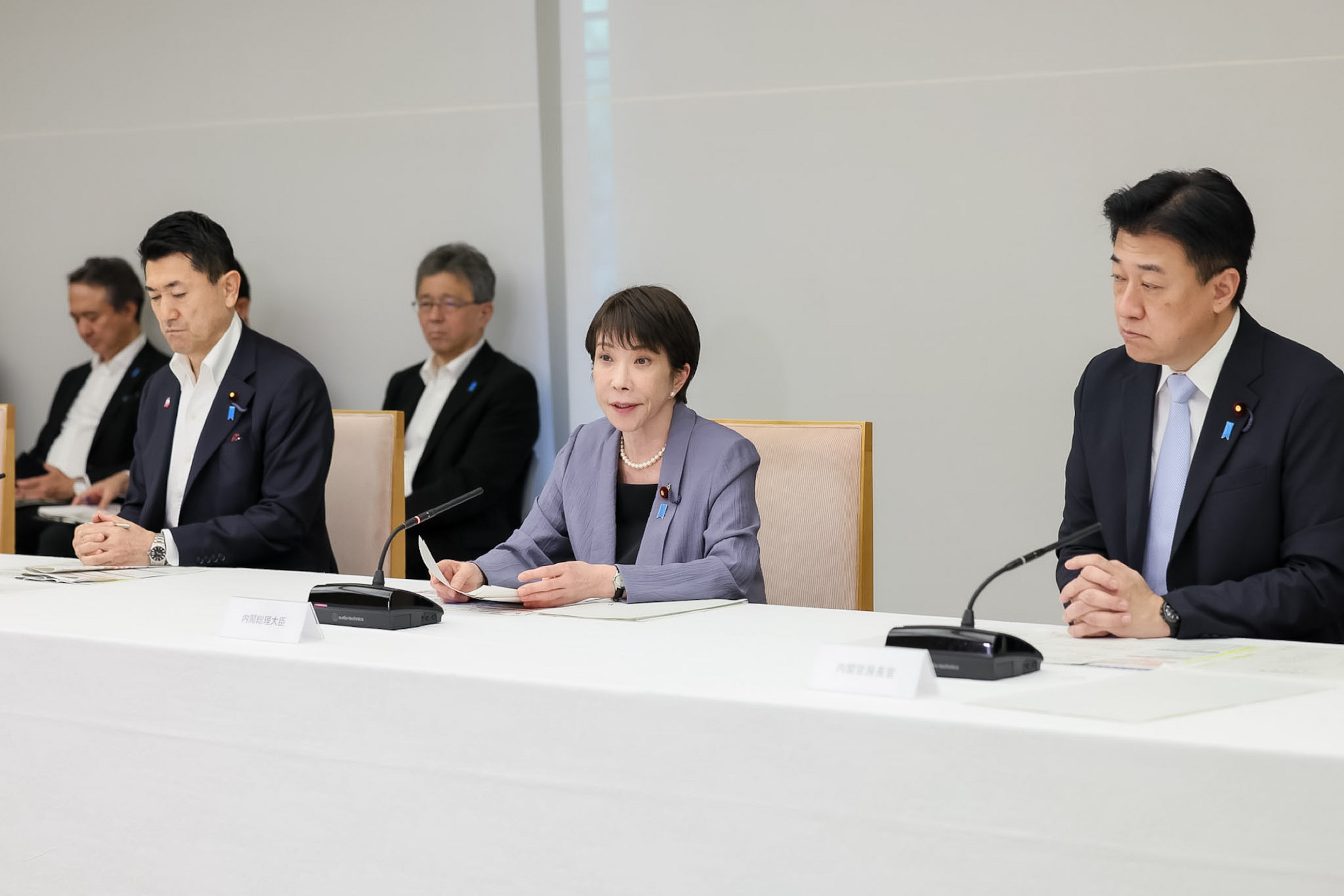
On August 5, 2026, Prime Minister TAKAICHI attended the seventh meeting of the Emergency Headquarters for the 2026 Kumamoto Earthquake at the Prime Minister's Office.
Based on today's discussion, the Prime Minister made the following remarks.
(Prime Minister TAKAICHI)
Thank you all for your continued efforts.
Thank you all for your continued efforts.
Yesterday marked one week since the earthquake struck on July 28. As of yesterday, the death toll from the 2026 Kumamoto Earthquake had reached 38, including one case under investigation as a possible disaster-related death.
Once again, I would like to express my deepest condolences to those who lost their lives and extend my heartfelt sympathies to their bereaved families. My thoughts are also with everyone affected by this disaster.
Over the past week, those affected have endured not only the intense heat but also the profound anxiety of not knowing what the future holds, while striving each day to persevere under extremely difficult circumstances.
Even at this very moment, the Government is called upon to face the circumstances of each and every affected person with sincerity and deliver the assistance they need.
At previous meetings I have issued a wide range of instructions, and I appreciate the swift response from all ministers. I ask you to continue responding accurately to the constantly changing conditions on the ground and to provide carefully tailored support that reflects the individual circumstances and needs of each affected person.
Approximately 7,100 people continue to live in evacuation shelters, while many more remain sheltering at home or staying in their vehicles.
As the extreme heat continues, we must further improve living conditions for those affected in order to prevent disaster-related deaths.
Minister AKAMA, Minister KANEKO, and the other relevant ministers, please further accelerate secondary evacuation to hotels, traditional Japanese inns, and national government employee housing.
In particular, please give priority to supporting older persons, persons with disabilities, families with infants and young children, and others requiring special consideration, while carefully confirming their individual needs and providing assistance tailored to each person.
Another major reason why many people hesitate to undertake secondary evacuation is their concern that their homes may be burglarized if they leave.
Ensuring the safety of their homes and communities after evacuation is therefore essential so that those affected can proceed with secondary evacuation with peace of mind.
I ask the National Police Agency and the police authorities, in particular, to further strengthen crime prevention measures against offenses exploiting the disaster, including burglary and fraud, through public awareness campaigns and enhanced patrols. Please also accelerate the installation of security cameras currently underway and take every possible measure so that those affected can relocate to secondary evacuation sites with confidence.
The extreme heat continues in the affected areas. As evacuation becomes prolonged, protecting the health of evacuees is of paramount importance.
In particular, the risks of heatstroke, economy-class syndrome, and infectious diseases are increasing.
In addition to strengthening welfare checks and patrols by police, fire departments, and other authorities for those affected—including people sheltering at home and those staying in their vehicles—Minister UENO reported today on additional measures. These include dispatching teams of public health nurses and other health professionals, as well as Disaster Welfare Assistance Teams (DWAT), to provide guidance on preventing heatstroke and economy-class syndrome, together with the deployment of Disaster Infection Control Teams (DICT) to support infection prevention and control.
Please also continue strengthening outreach support, including mental health care provided by Disaster Psychiatric Assistance Teams (DPAT), while responding flexibly to the changing needs on the ground.
Regarding water outages, as was reported today, although the number of households without running water has been reduced by more than half in the week since the earthquake, more than 40,000 households remain affected. Restoring water service as quickly as possible remains an urgent priority.
While continuing and further strengthening proactive water supply assistance, please also continue and reinforce support for the dispatch of waterworks and sewerage engineers from local governments across the country. This will enable affected municipalities to carry out the on-site surveys, formulate restoration plans, and implement emergency restoration work necessary for the early recovery of water and sewerage systems. As Minister KANEKO outlined yesterday, we must continue our efforts to restore water service progressively through early and mid-August, with the goal of fully restoring service to all affected areas by the end of August.
Minister AKAZAWA reported that, with respect to the supply of gasoline and other fuel products, supply capacity has been expanded to approximately four times normal levels. More than 90 percent of gasoline stations have now resumed operations even in the three municipalities that suffered the most extensive damage—Yatsushiro City, Uki City, and Hikawa Town.
As for electricity, while outages affecting high-voltage transmission lines were restored last Friday, July 31, I ask that work continue without delay to restore service at individual homes and retail establishments, including repairs to service lines and internal electrical facilities.
Production across supply chains—including the automobile and semiconductor industries in areas near the epicenter—has also been affected. However, operations have already begun to resume at semiconductor facilities, including those operated by TSMC, as well as at major automotive parts manufacturers.
Minister AKAZAWA, please continue supporting affected businesses, including medium-sized and small businesses, in their efforts to resume production and shipments, while working to minimize disruption to supply chains across the country.
At 2:00 p.m. today, bathing assistance began aboard the Ministry of Defense's PFI vessel HAKUO II, which is currently berthed at the Port of Yatsushiro.
In addition to providing bathing, accommodation, and meals through the Self-Defense Forces, the vessel will also provide medical services by the Japan Medical Association Team (JMAT).
Minister AKAMA and Minister KOIZUMI, while ensuring safety in light of the approach of Typhoon No. 13, please make effective use of this vessel after the typhoon has passed so that it can contribute even more to protecting the health of those affected and improving their living environment.
To strengthen the administrative capacity of affected municipalities, many local government officials have already been dispatched to provide assistance. However, additional personnel will be needed in accordance with the circumstances of each municipality.
Minister HAYASHI, based on the requests of affected municipalities, please continue making steady progress in coordinating with local governments across the country so that the assistance required by those affected can be delivered without delay.
Volunteer coordination through Disaster Volunteer Centers and other organizations is also expanding steadily.
I would like to express my heartfelt appreciation to all the volunteers who are dedicating themselves to supporting the affected communities.
Minister AKAMA, please make full use of available programs, including the Transportation Cost Subsidy Program, and utilize administrative expenses for rescue operations available to affected municipalities to support the establishment and operation of systems for receiving volunteers.
Yesterday, the Japan Meteorological Agency warned that strong earthquakes with a maximum seismic intensity of around Upper 5 on the Japanese seismic intensity scale could occur over the coming week.
In addition, Typhoon No. 13 is expected to approach the Amami and Okinawa regions with strong intensity between August 7 and 8.
In Kumamoto Prefecture as well, beginning tomorrow, continued vigilance will be required not only against earthquakes but also against strong winds, high waves, and landslides in areas where the ground has been weakened.
The areas affected by this earthquake remain more vulnerable than under normal conditions.
Rainfall and winds that would ordinarily pose little threat may now trigger landslides or even the collapse of damaged buildings. At a time when the risks posed by both the earthquake and the approaching typhoon overlap, preventing secondary disasters is of the utmost importance.
Please conduct safety inspections of evacuation shelters as soon as possible to ensure that they can withstand strong winds and heavy rain, and implement any reinforcement measures that may be necessary.
At the same time, ensure that people sheltering at home are fully informed of the risks associated with the approaching typhoon and encourage them to evacuate again whenever necessary.
I ask the Police, Fire and Disaster Management Agency, the Self-Defense Forces, and all other relevant organizations to promptly establish the necessary readiness to respond to the approaching typhoon and ensure that they are fully prepared to act without delay.
Please immediately verify that there are sufficient stocks of essential equipment and materials, including sandbags, drainage pumps, and generators. Where shortages are anticipated, ensure that procurement and deployment are completed before the typhoon approaches.
In particular, blue tarps are indispensable for protecting homes damaged by the earthquake. They are essential to prevent rainwater intrusion and flooding caused by the approaching typhoon and heavy rainfall.
Please ensure that blue tarps are delivered without fail—particularly to those sheltering at home—before the typhoon arrives. In addition, many older persons cannot install them on their own. Please ensure that appropriate assistance is also available for installation.
For those affected by this disaster, facing the threat of typhoon-related secondary disasters on top of the damage caused by the earthquake would impose yet another tremendous hardship.
Let us therefore work together as one Government to do everything possible to prevent secondary disasters.
I know that all of you have been working tirelessly under extremely demanding circumstances.
Even so, I ask each minister to continue carefully assessing the rapidly changing conditions on the ground, seriously consider what must be done at this very moment, and put those decisions into action without delay.
Let us continue to move forward with determination and vigor.
Thank you.