


[Provisional Translation]
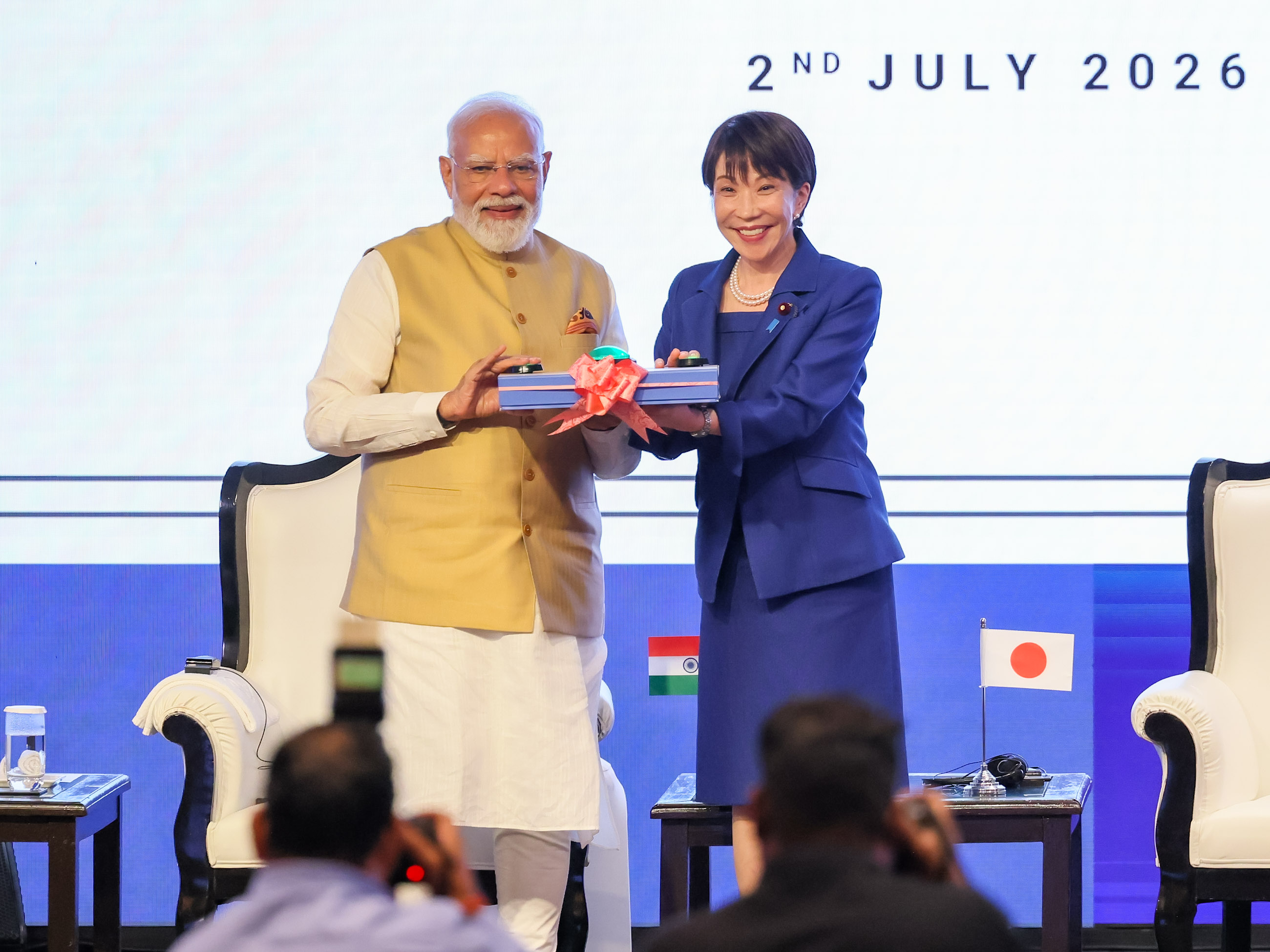
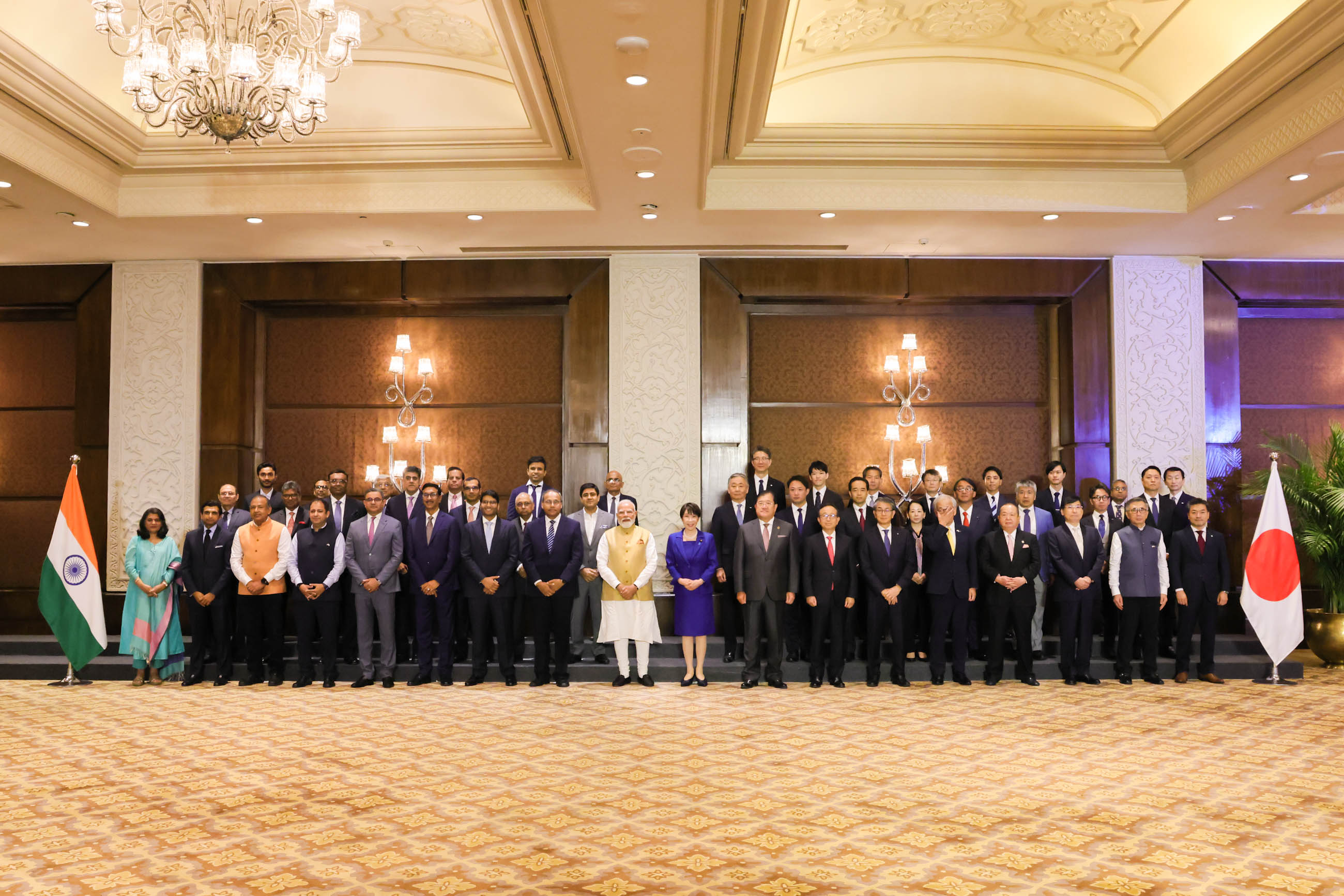
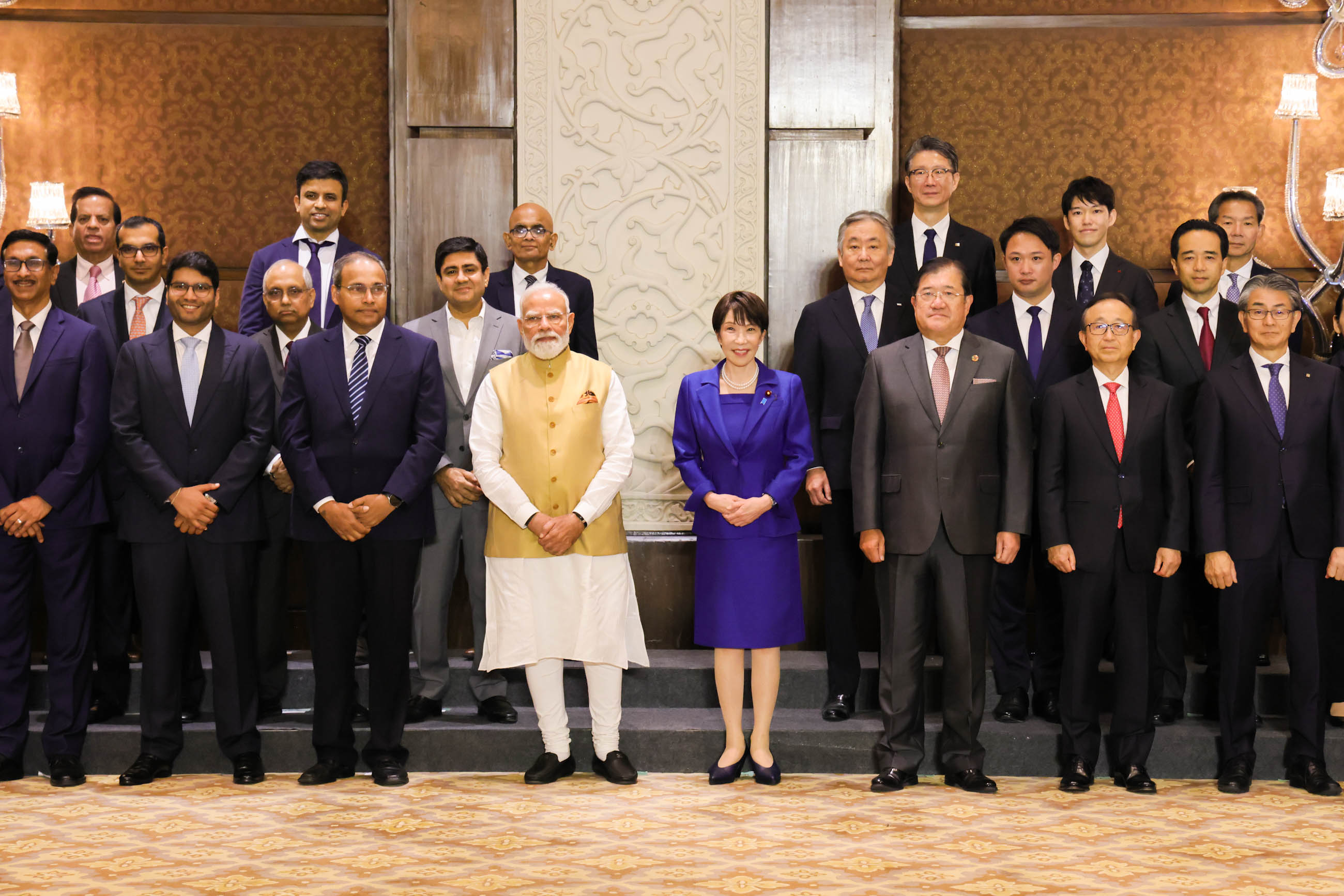
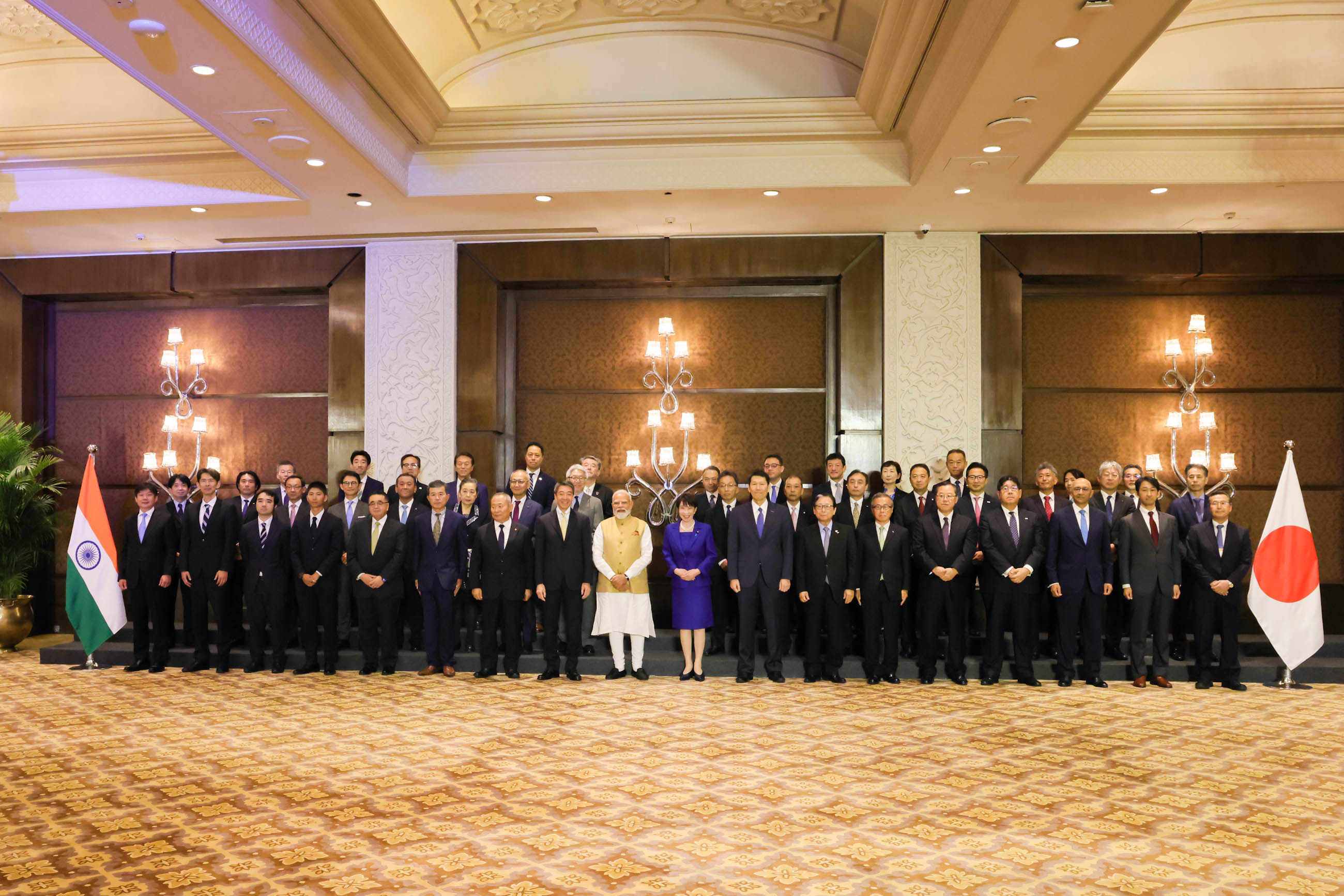
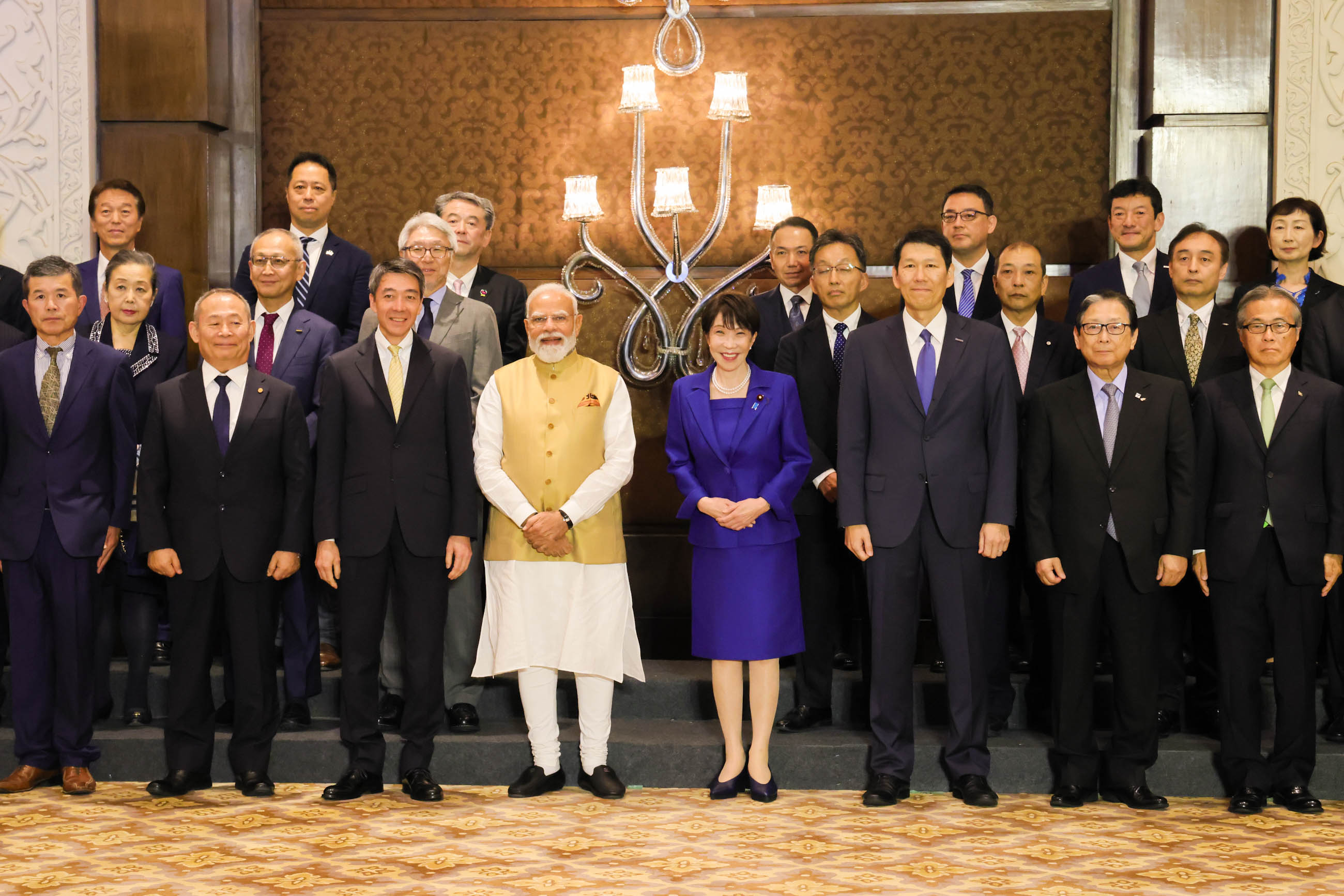
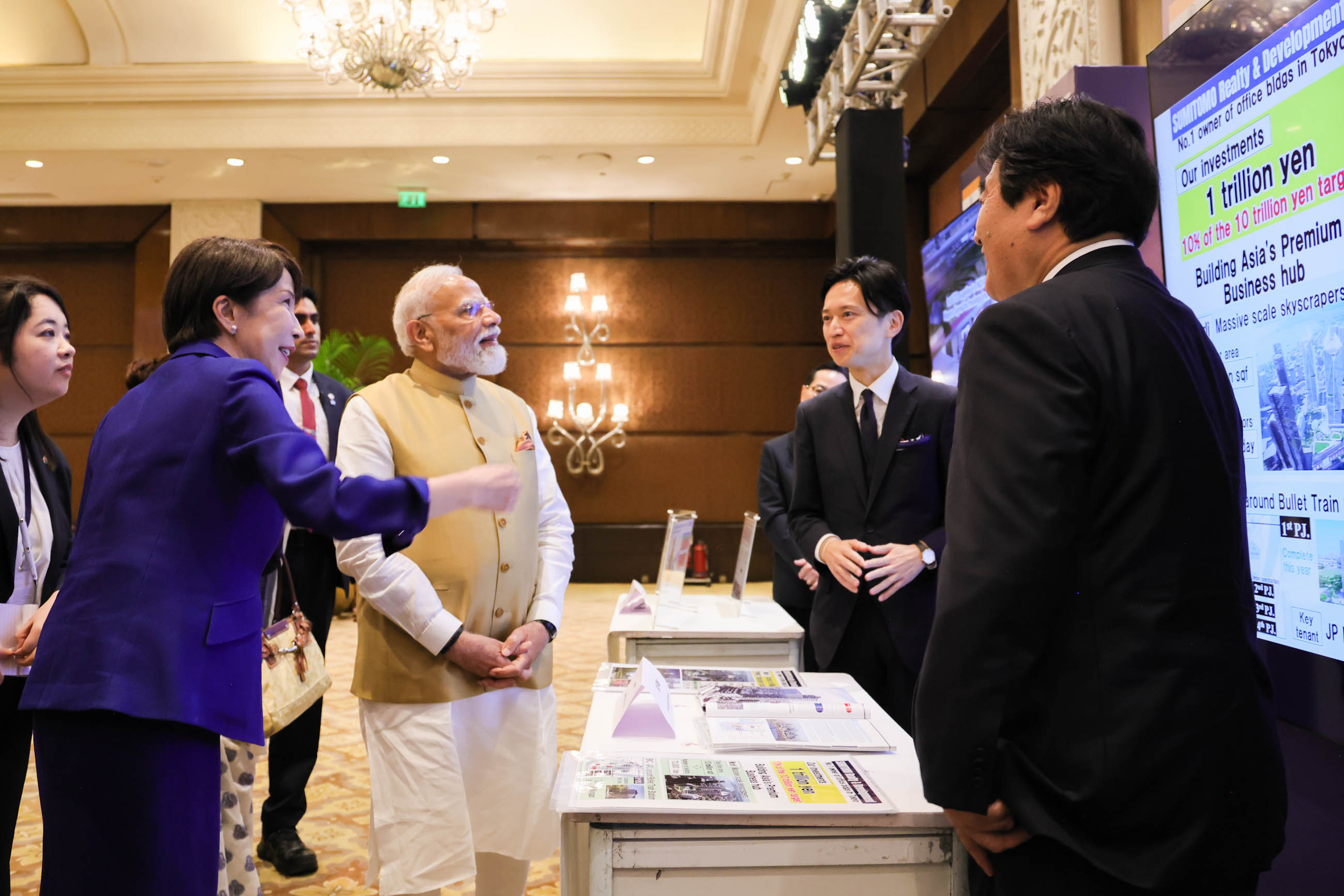
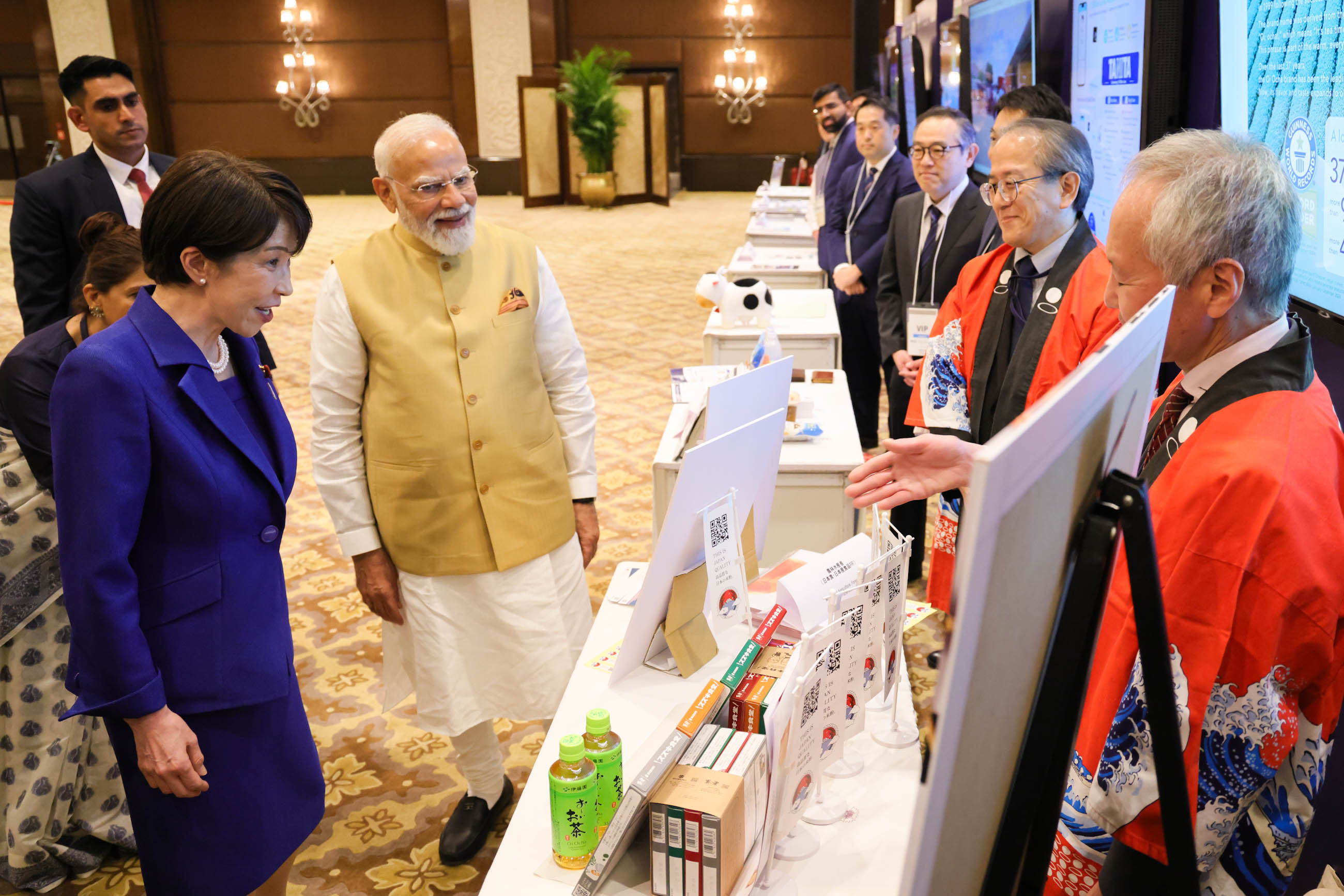
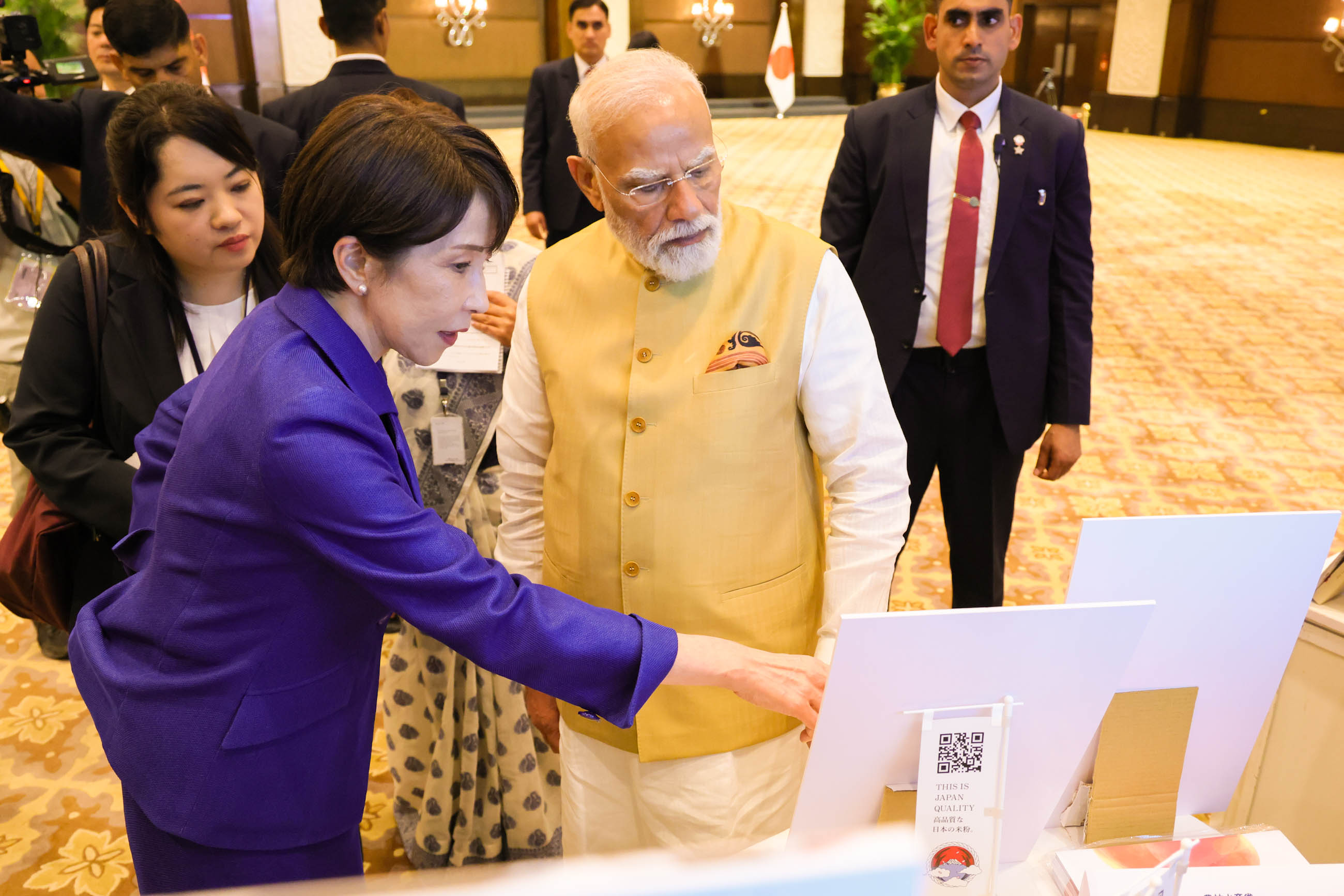
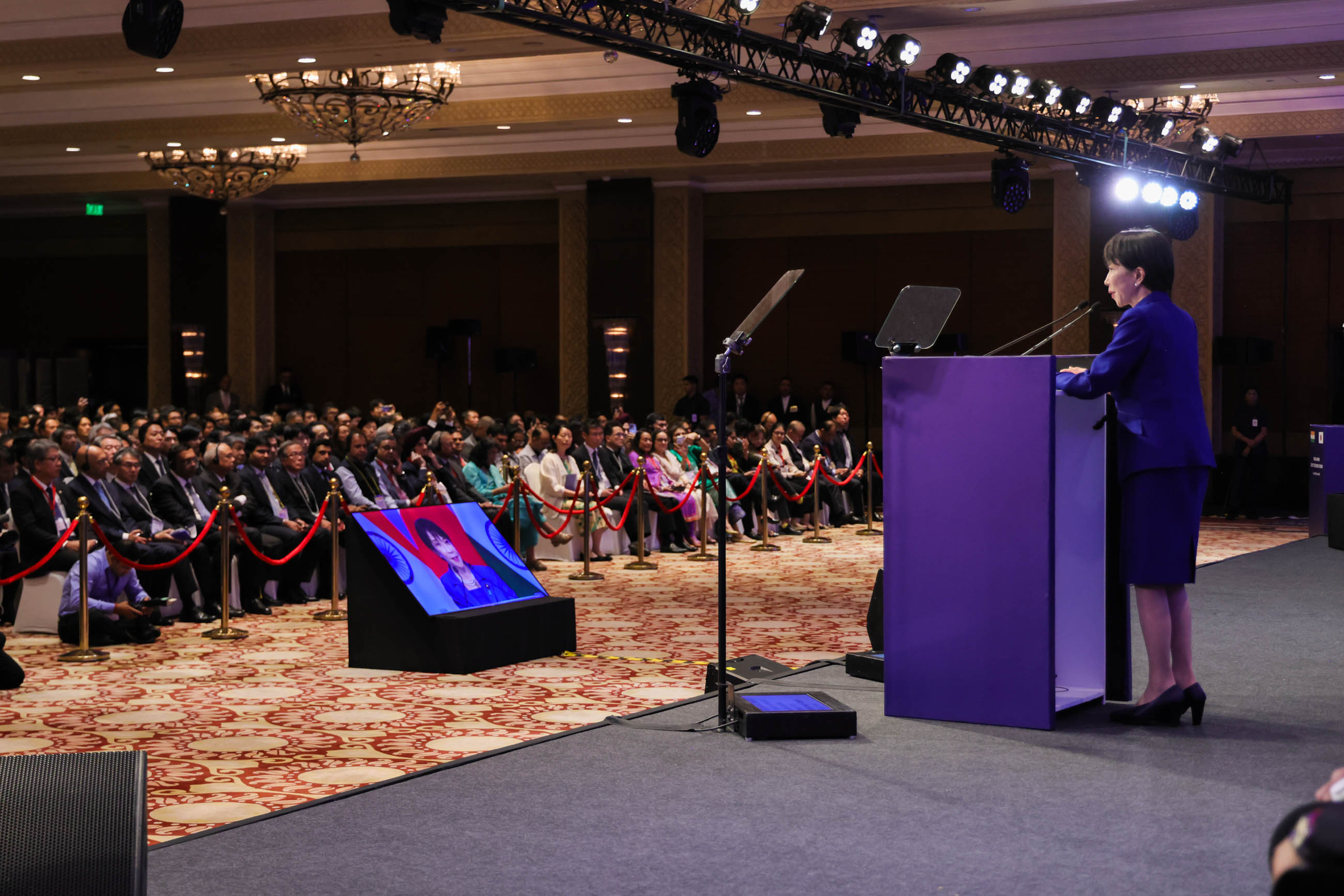
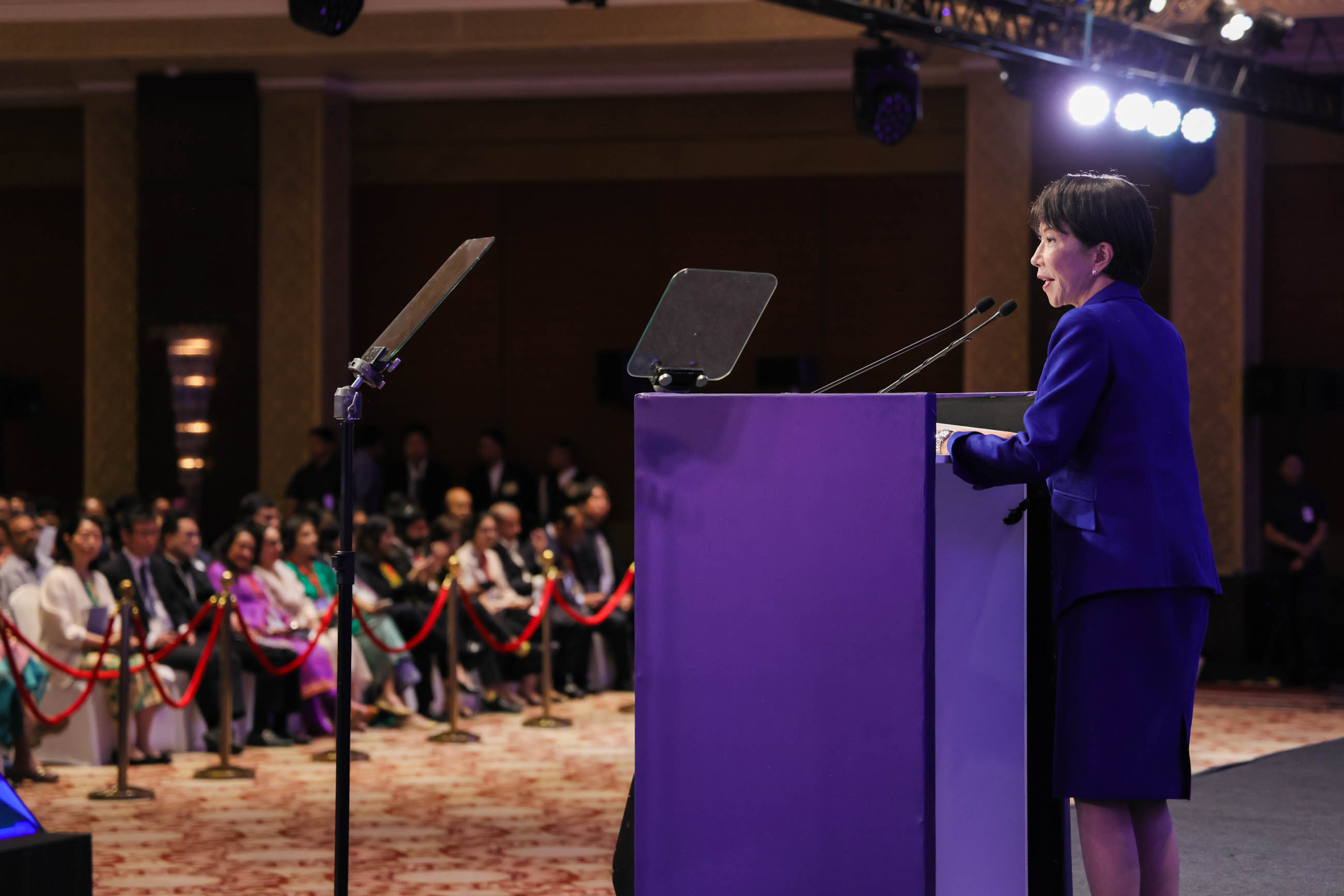
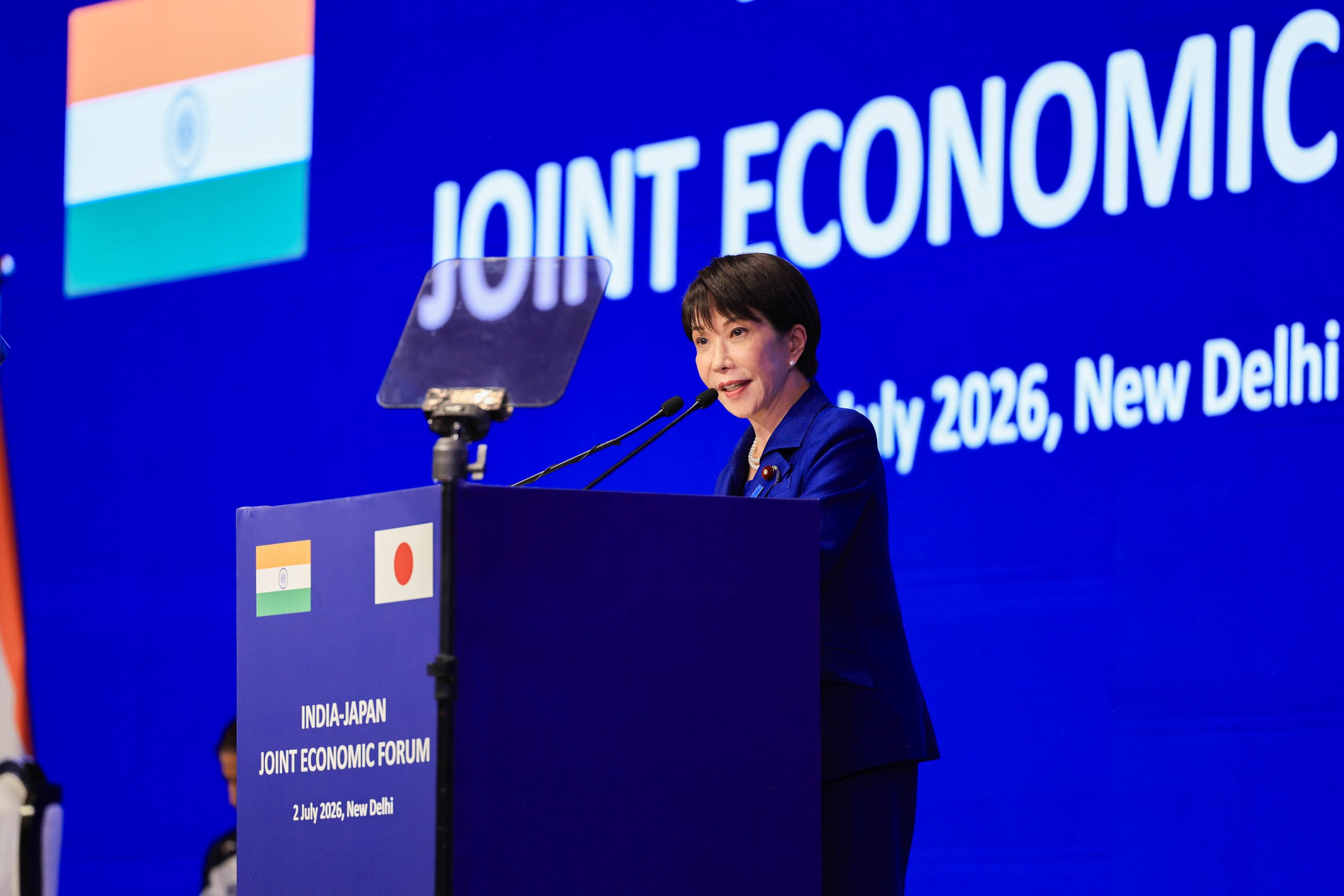
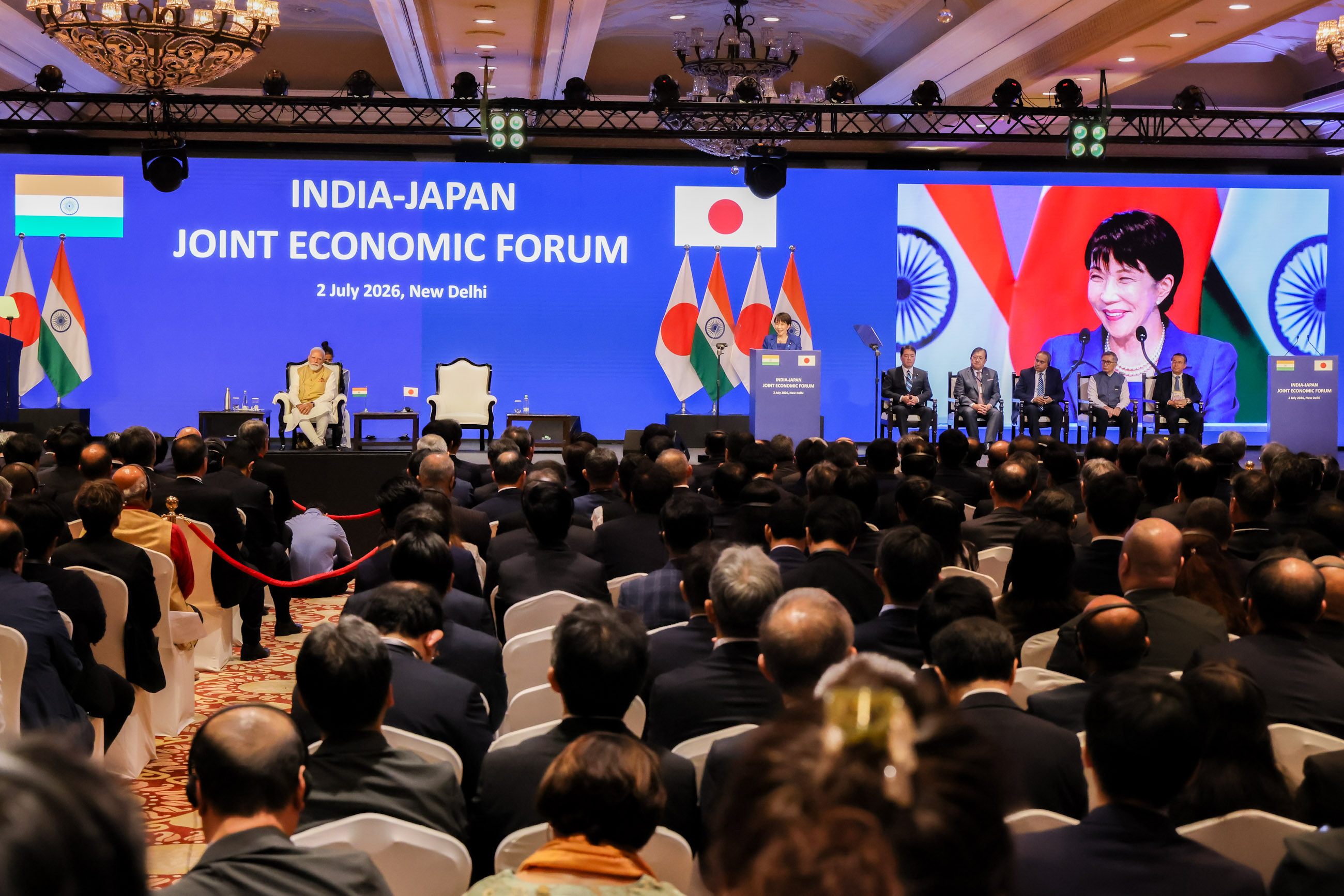
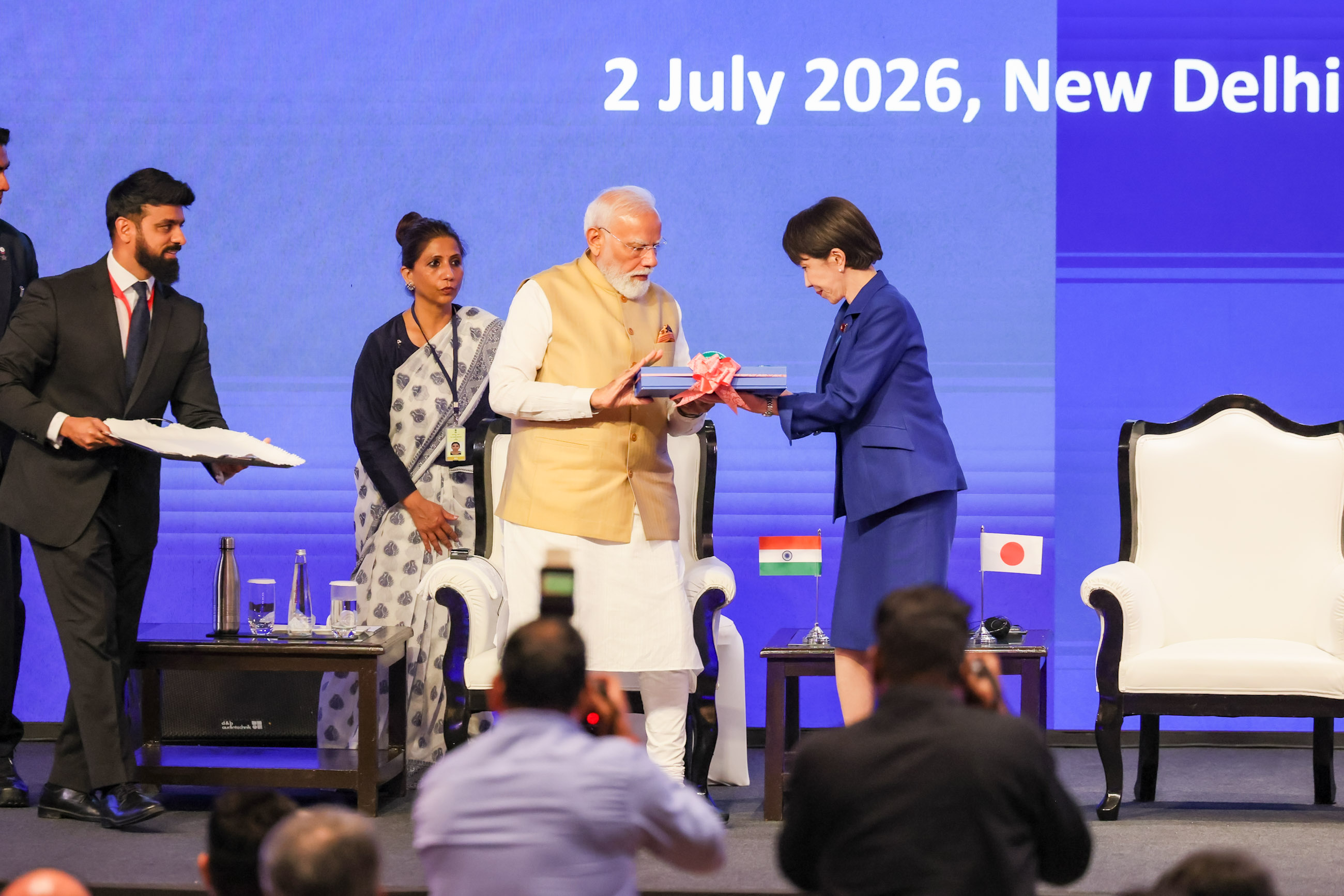
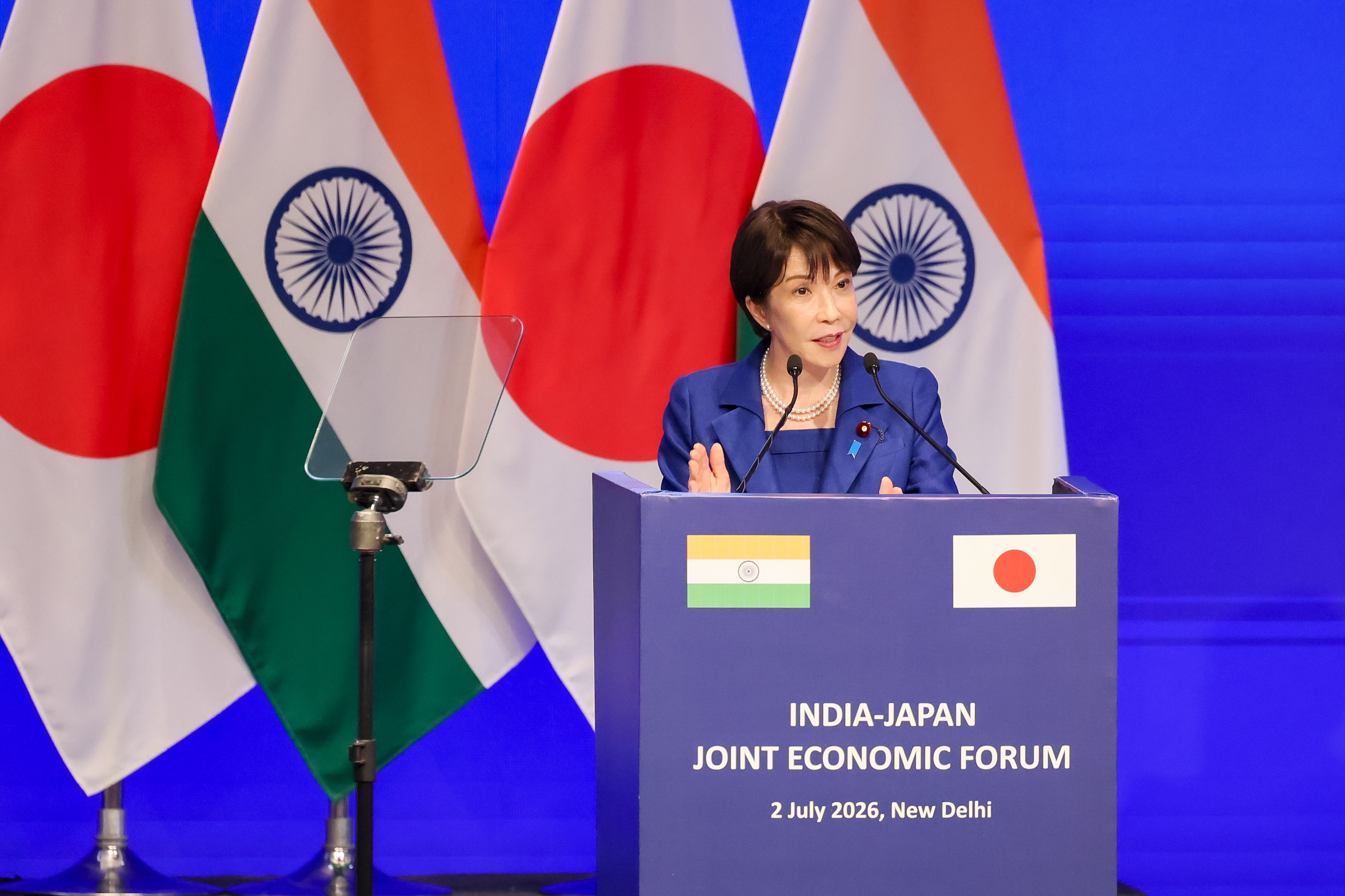
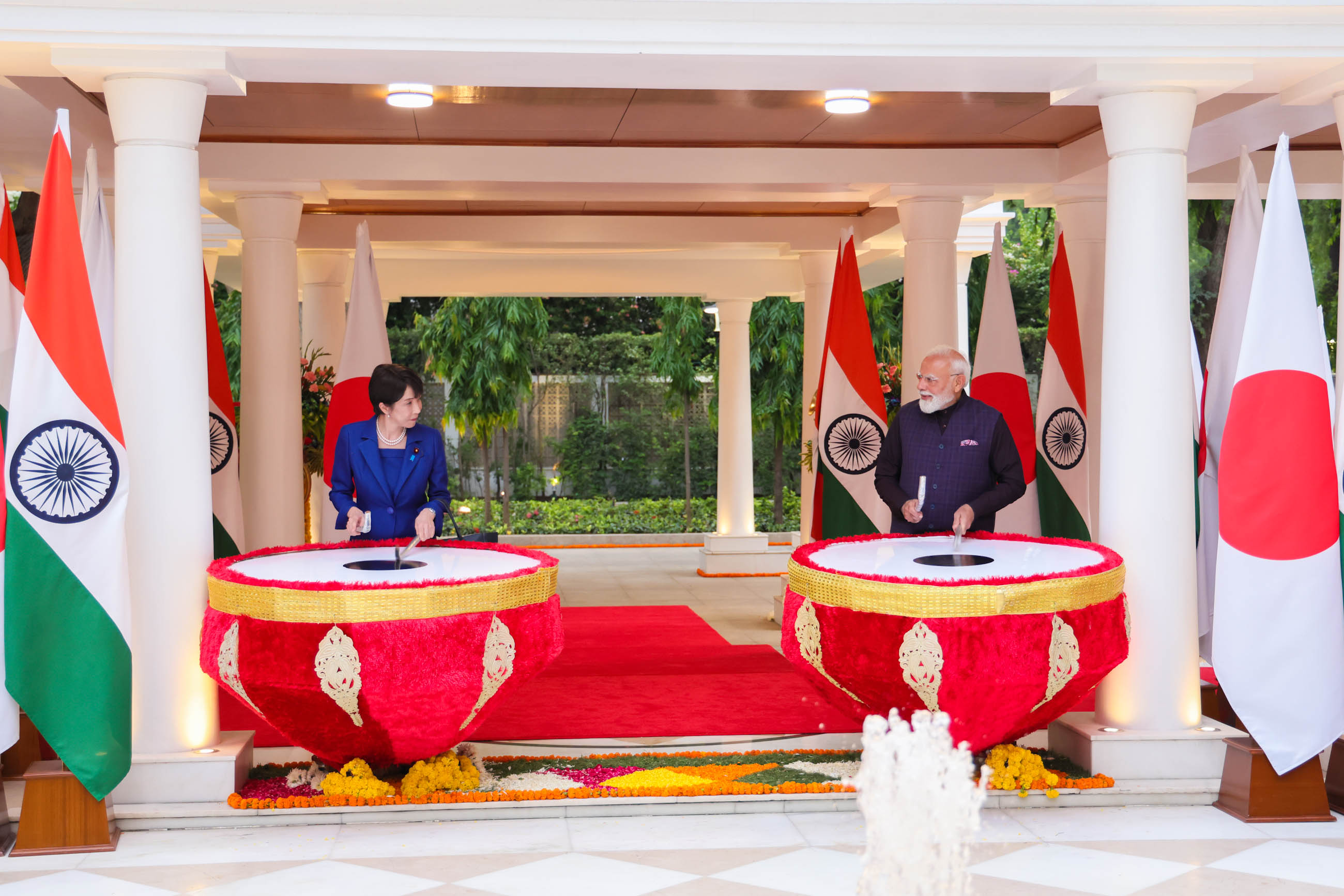
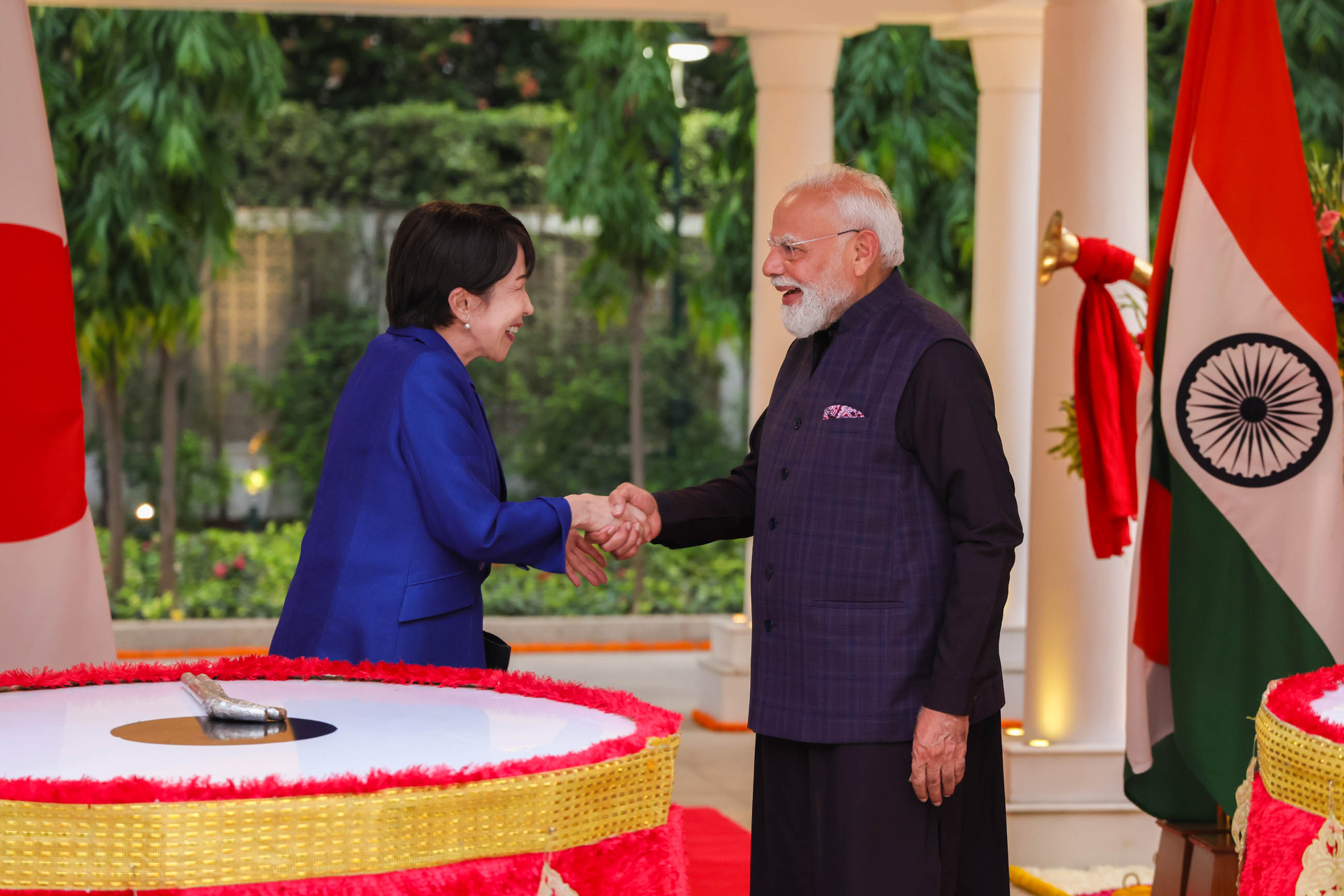
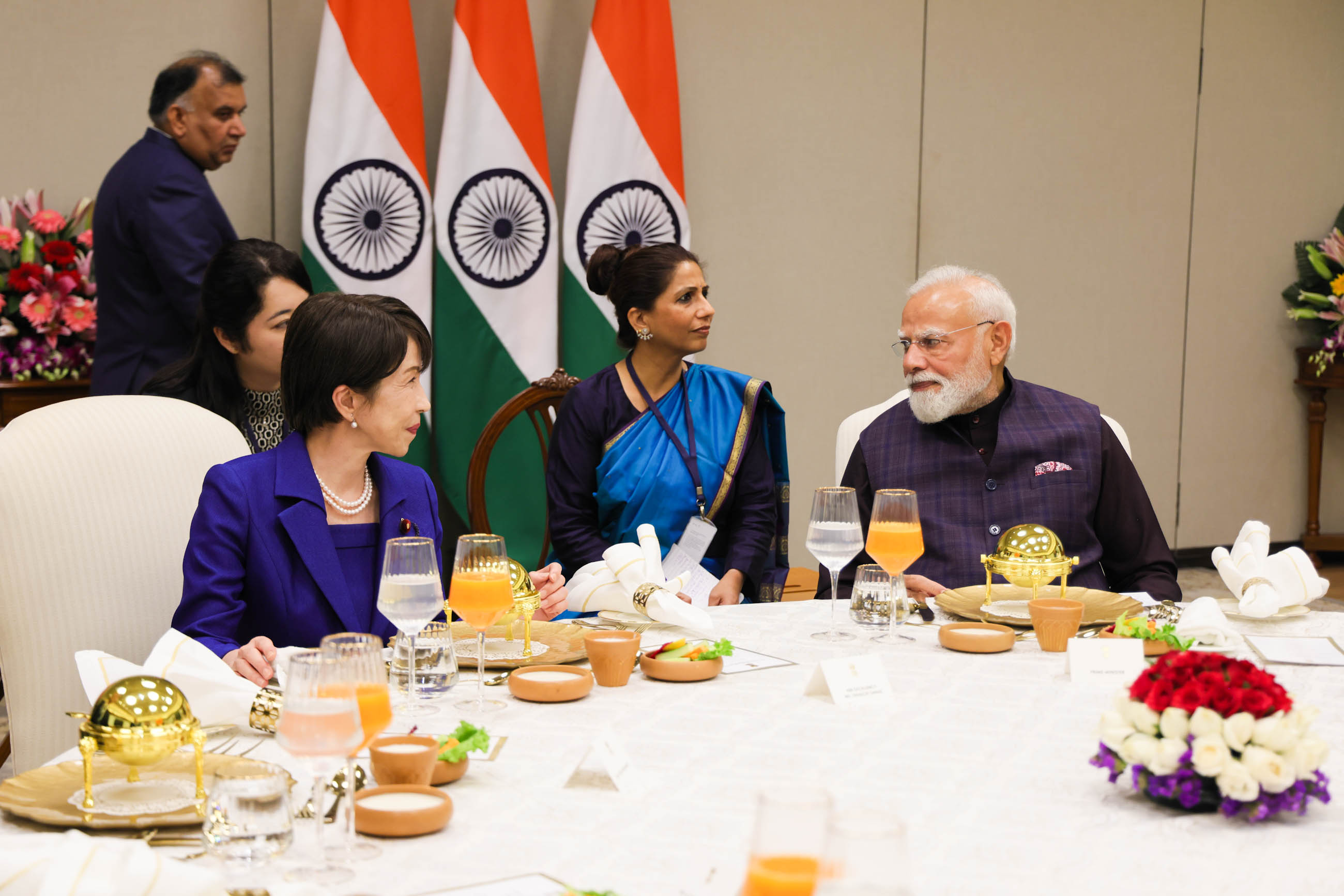
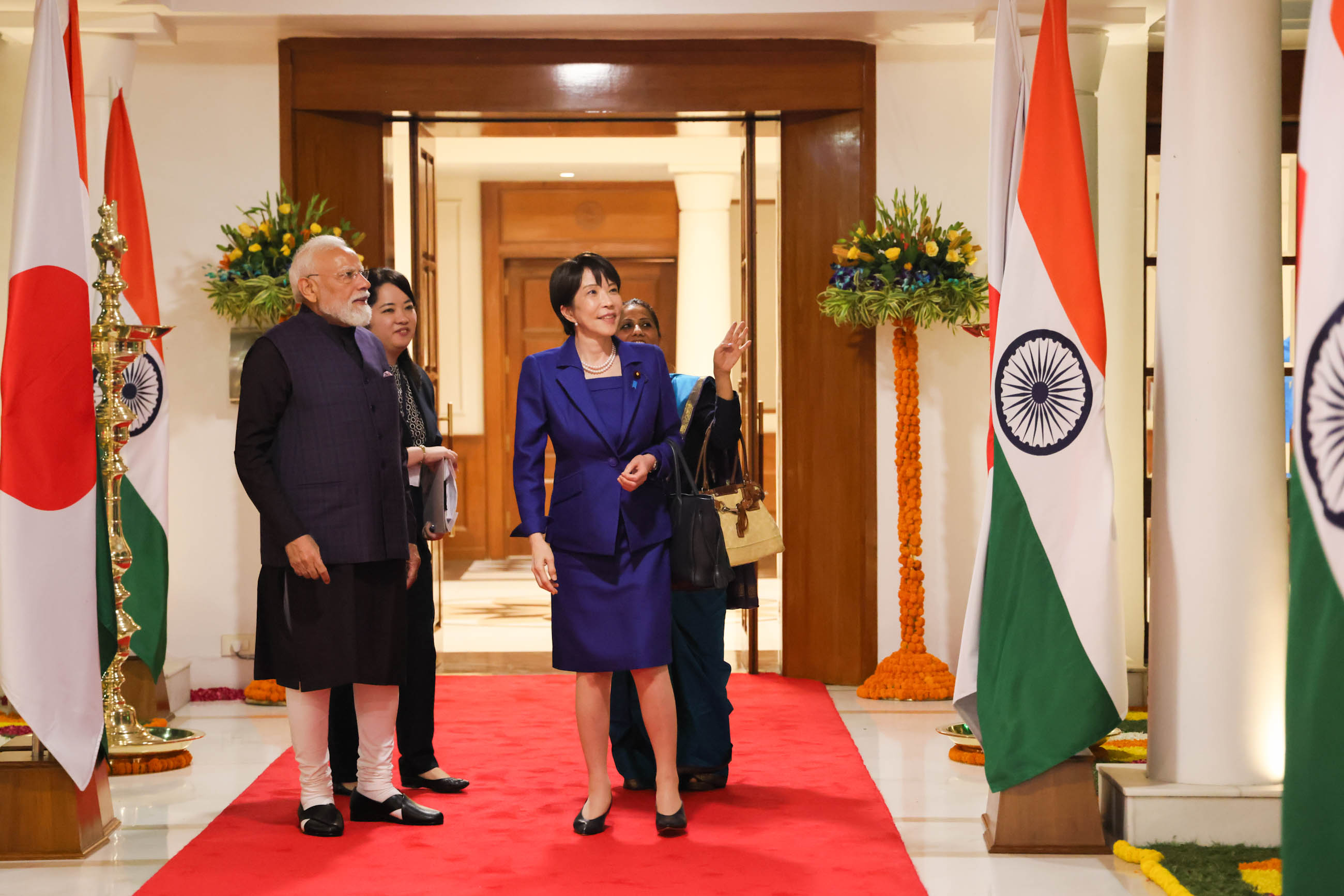
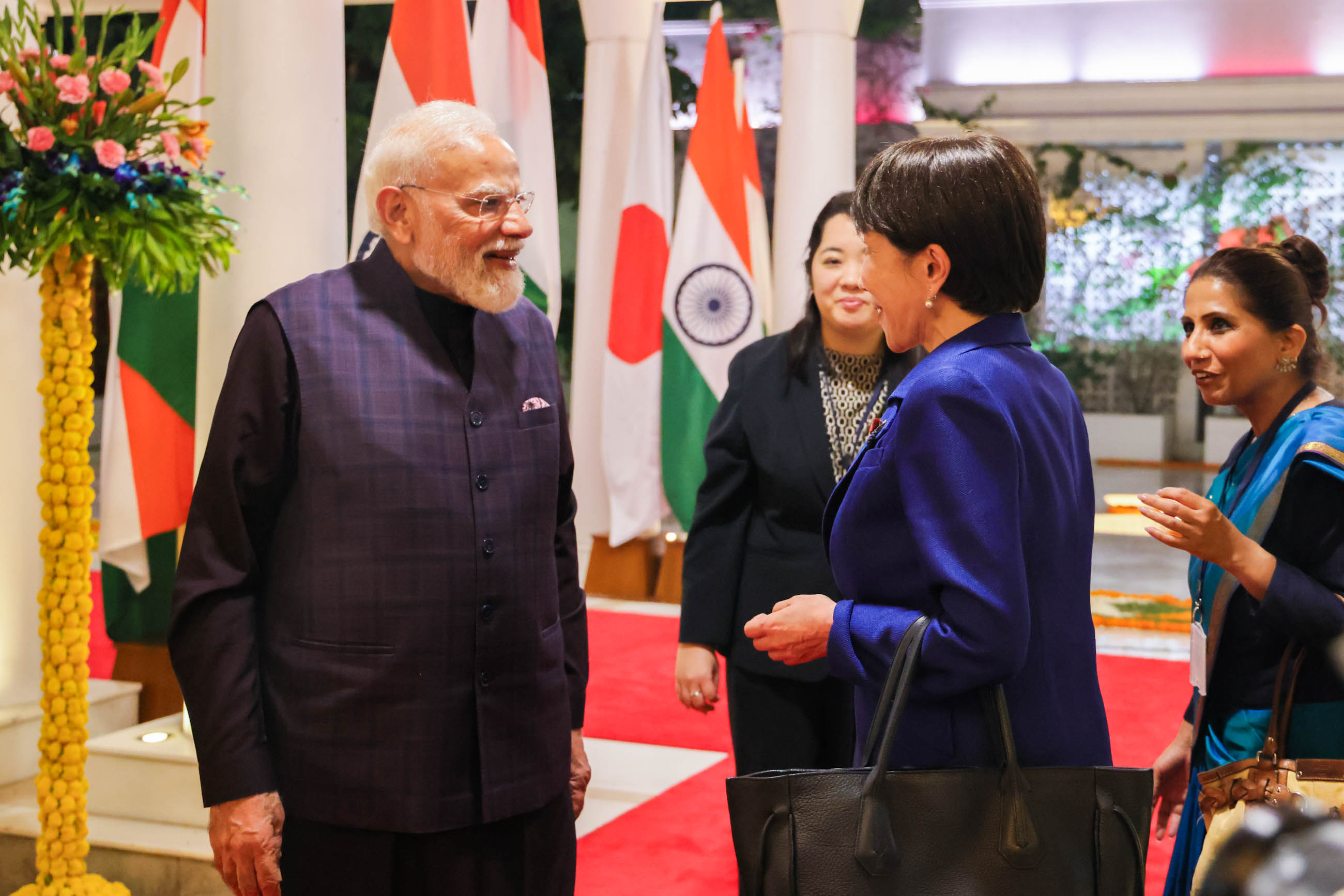
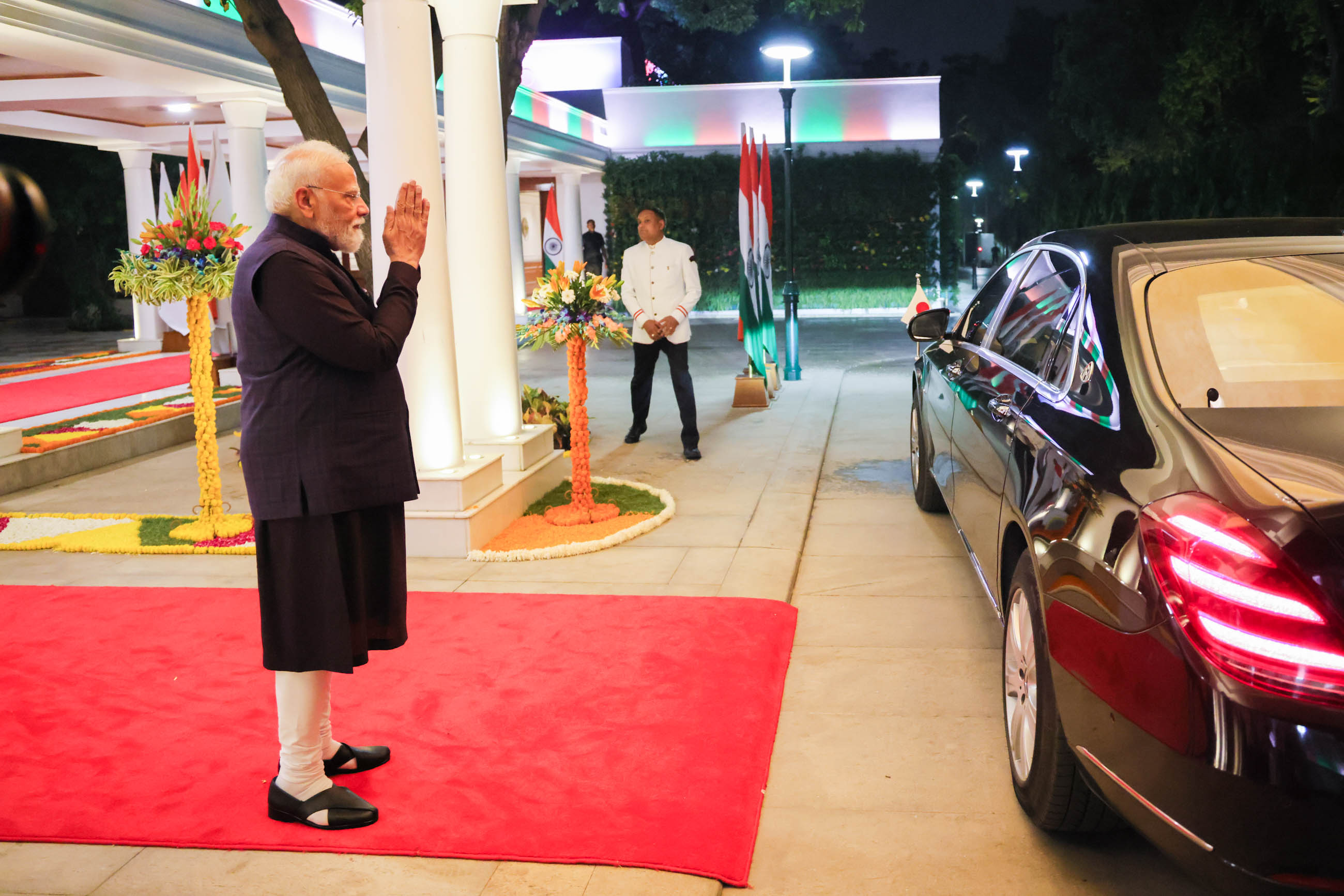
On July 2, 2026 (local time), Prime Minister TAKAICHI Sanae, who was visiting Delhi, India, attended the Japan-India Joint Economic Forum and concluded the day's program by attending an informal dinner hosted by H.E. Mr. Narendra Modi, Prime Minister of India.
At the Japan-India Joint Economic Forum, Prime Minister TAKAICHI made the following remarks:
Prime Minister Modi and distinguished industry leaders from Japan and India, it is a great pleasure to be able to meet with all of you alongside representatives from more than 150 leading Japanese companies here in Delhi today.
In 2007, then-Prime Minister Abe delivered his landmark speech of “Confluence of the Two Seas,” here in India, in which he presented a vision that linked the Pacific and Indian Oceans as seas of freedom and prosperity.
India is the birthplace of what later evolved into today’s “Free and Open Indo-Pacific (FOIP)” vision.
At a time when the world is facing severe challenges with the rise of protectionism, economic coercion, and increasing geopolitical tensions, it is essential to enhance the autonomy and resilience of the region.
For this reason, this May, I proposed an update of FOIP under the principle of becoming “more resilient and prosperous together.”
This vision, centered on the idea that countries should have freedom to decide for themselves and acquire resilience, resonates deeply with Prime Minister Modi’s concept of MAHASAGAR.
As two leading democracies underpinning our region, Japan and India will further strengthen our partnership to uphold the rule of law, protect freedom, create prosperity, and shape the future without yielding to any form of coercion.
Among many areas of cooperation, energy security is one of the most important.
At the recent G7 Summit, I put forward three proposals concerning energy security: ensuring free and transparent energy trade, strengthening strategic reserves, and deepening cooperation between energy-producing and energy-consuming countries.
Through the POWERR Asia initiative, we are now working to translate these ideas into concrete action.
In this context, Japan and India will work together to support regional energy security through new forms of cooperation, including the strengthening of petroleum reserves.
In addition, Japanese and Indian companies are advancing a green ammonia production project with an annual capacity of approximately 400,000 tons. I hope this project will become a symbol of a new era of energy security cooperation between our two countries.
Furthermore, I am particularly focusing my attention toward the vast untapped biomass resources that exist in rural India—namely cattle manure, rice straw, sugarcane residues, and other agricultural by-products.
In fact, this is not a new idea. Prime Minister Modi has long championed a vision of transforming rural resources into energy through the capacity of cooperatives.
I am convinced that this vision holds the key to the future of India’s rural communities and energy sector.
For this reason, Prime Minister Modi and I have agreed to launch a new project—the Japan–India CBG (Cooperative Biogas for Growth) Initiative—which will utilize cooperatives to generate energy from cattle manure and other biomass resources.
Through this initiative, we will contribute to India’s goal of constructing 1,000 biogas plants across the country.
Moreover, through the Letter of Intent exchanged between our countries, let us work together to create a market for 2.5 million CNG vehicles powered by this biogas.
The scope of our cooperation extends far beyond the energy sector, and the range of actors involved is becoming increasingly diverse, encompassing startups and small and medium-sized enterprises.
On this occasion, I am pleased to announce 129 private sector MOUs, creating business opportunities worth more than 2 trillion yen.
Now, an increasing number of Japanese companies based in India are also expanding partnerships with Africa.
Under the FOIP initiative, we will extend this new Japan–India growth model to countries across the Global South, including Africa, Asia, and Central and South America.
Japan and India will work together to become “more resilient and prosperous together”.
Guided by this principle, Japan and India will work side by side to shape the future of the Indo-Pacific and the Global South.
Let us all work hard together. Thank you very much for your attention.