


[Provisional Translation]
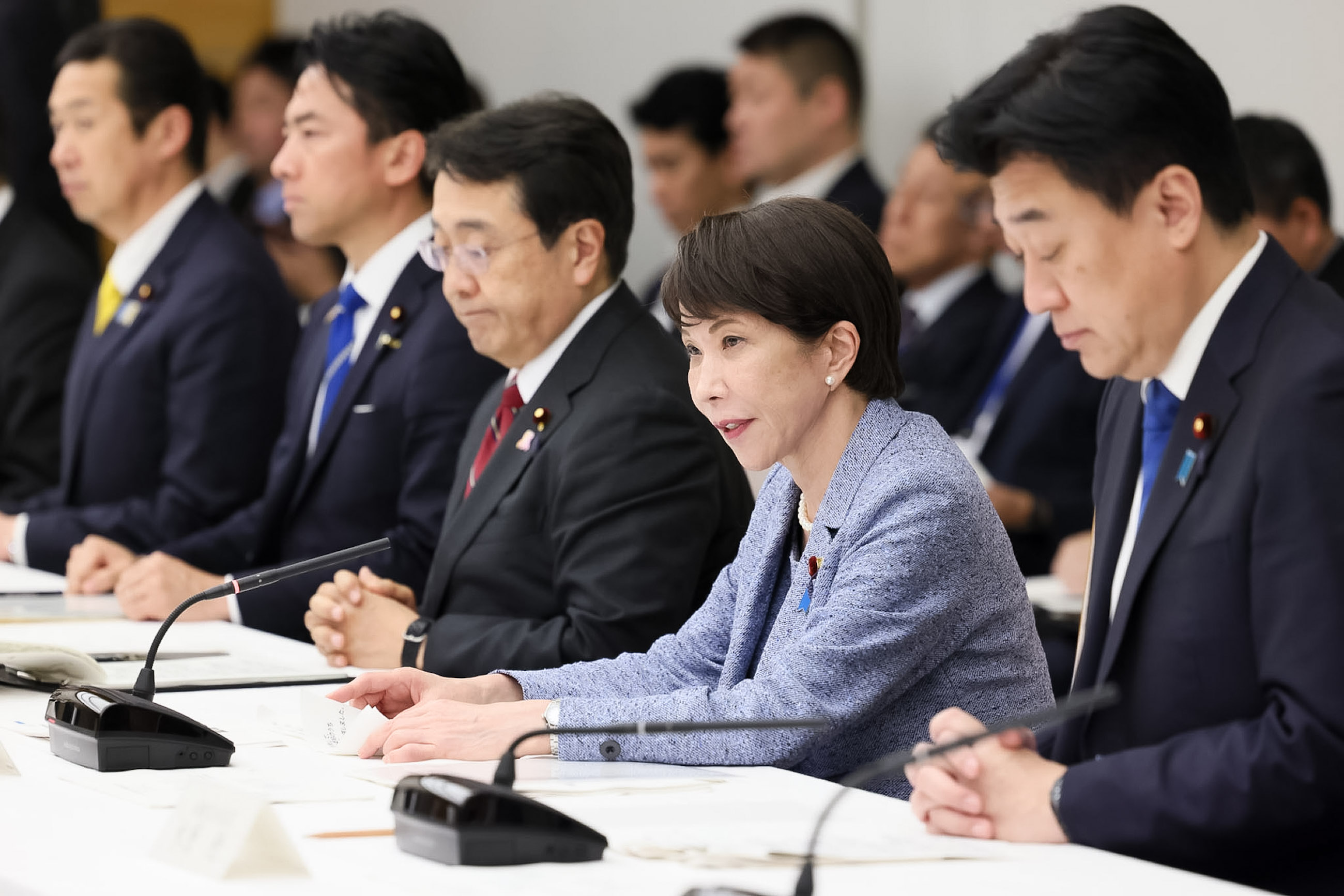
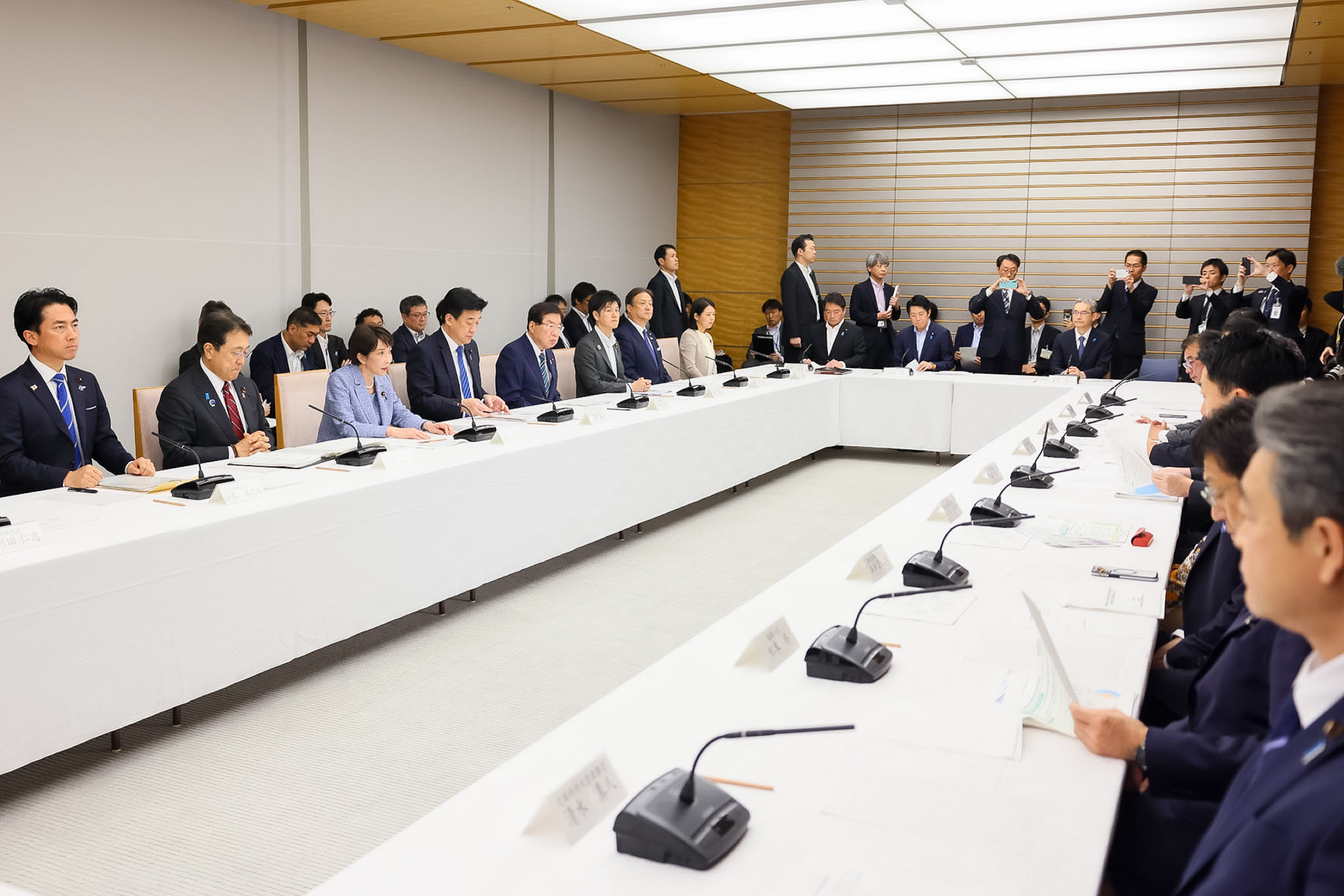
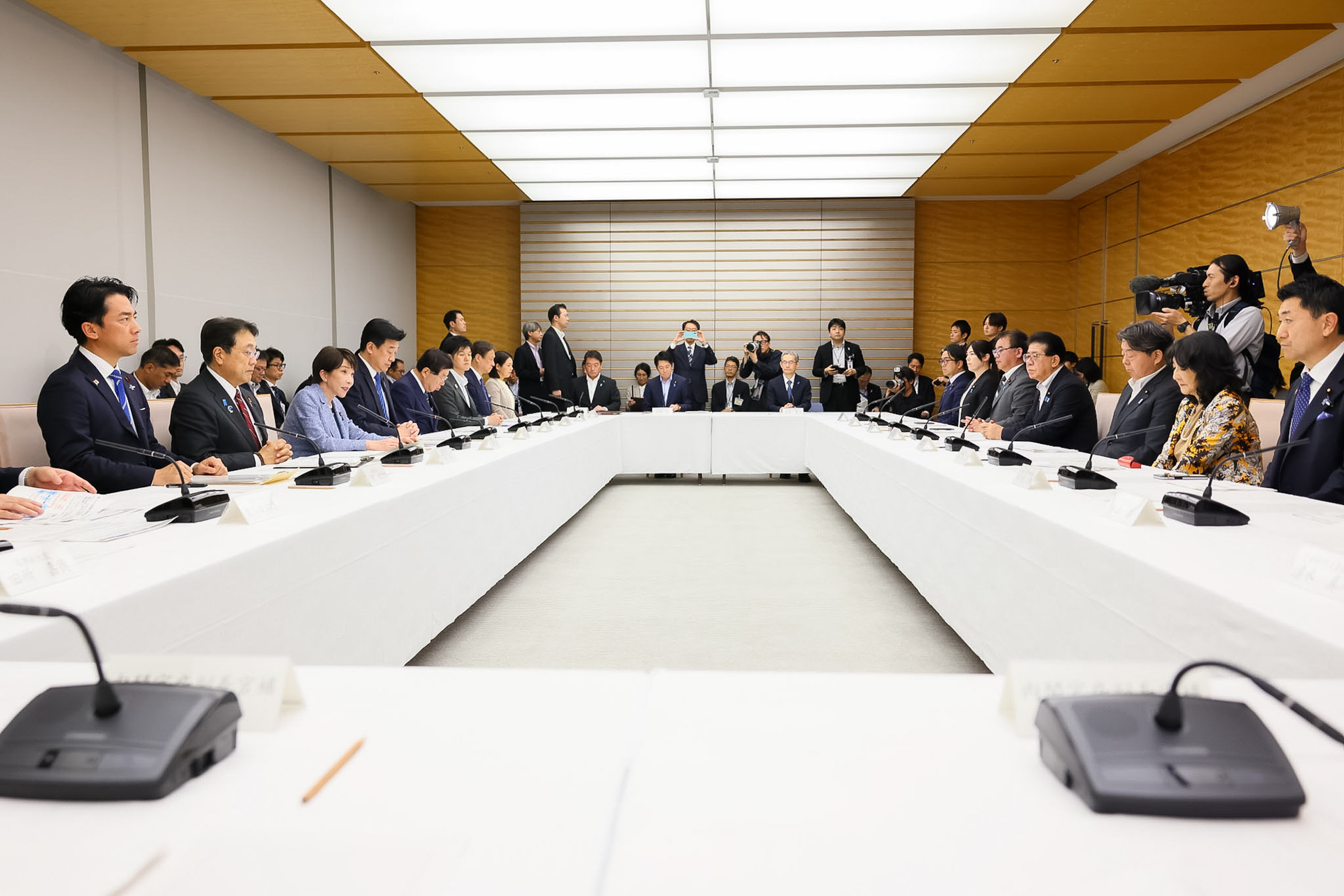
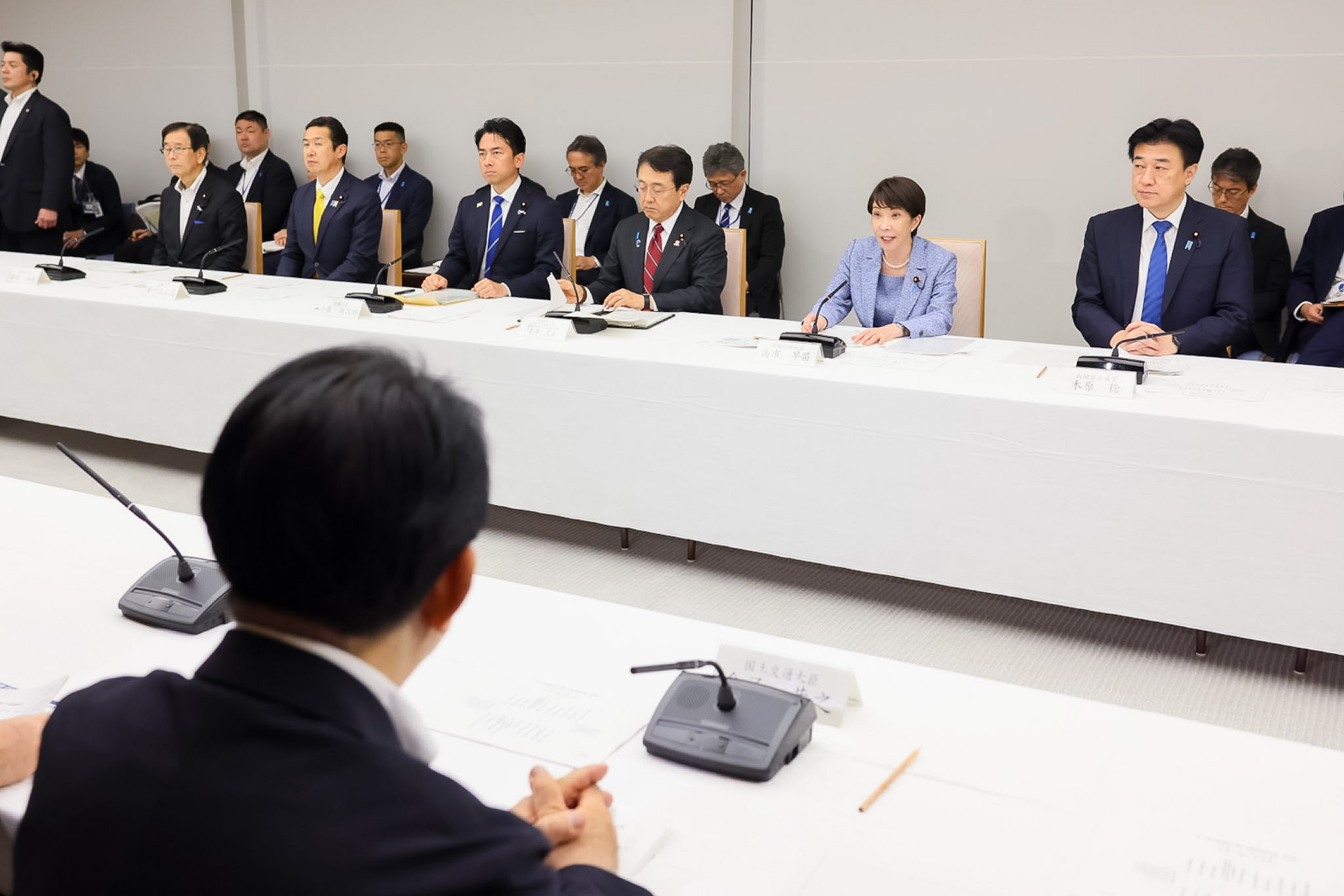
On June 26, 2026, Prime Minister TAKAICHI Sanae attended the 11th Ministerial Meeting on the Situation in the Middle East at the Prime Minister’s Office.
At the meeting, the participants engaged in discussions on the situation in the Middle East and related matters.
Based on the discussion, the Prime Minister stated the following.
(Prime Minister Takaichi)
I would like to express my sincere appreciation to each minister for your tremendous efforts in your respective areas of responsibility.
First, regarding petroleum products, including chemical products derived from naphtha, supplies can continue to be secured beyond the current fiscal year. As for thinner, as shown in Document 6, a scheme began this week to sell directly to end users, including construction businesses and automobile repair businesses. Applications have already been received for approximately 1,000 liters, and deliveries are being made in sequence to businesses in need.
Together with the mechanism that enables supplies of raw materials such as toluene and xylene at 1.8 times the usual annual demand, we are working to eliminate bottlenecks.
The network of organizations and companies cooperating to eliminate bottlenecks and imbalances is also expanding. As shown in Document 7, as of yesterday, 207 organizations and companies have endorsed this initiative, and we have made this public. I would like to further expand this movement.
Regarding construction businesses, including sole proprietors, a survey of approximately 4,000 businesses found that slightly less than 20 percent responded that they were unable to secure the necessary quantities and that this was affecting construction work. In cooperation with material manufacturers, we are working carefully to eliminate bottlenecks so that supply information for each item reaches each sole proprietor directly.
Regarding automobile repair shops and bus, truck, and taxi operators, thanks in part to the direct sales scheme for lubricating oil launched on June 10, concerns over material supply shortages have decreased by 80 percent, as shown in Document 8.
Regarding bakeries, confectionery shops, and other retailers, as shown in Document 9, a push-type survey of approximately 5,000 cases identified around 100 bottleneck cases involving packaging containers and other items, equivalent to about one-fiftieth of the total number surveyed. Responses have already been completed for 90 percent of these cases.
For horticultural farmers as well, bottlenecks are being resolved through the promotion of information sharing among businesses via agricultural cooperatives and other organizations in various regions.
In the medical field, by utilizing manufacturers’ priority supply mechanisms, we have resolved concerns at 80 percent of pharmacies that consulted us regarding the supply of dispensing paper. In addition, we have newly established a priority supply mechanism for medicine containers.
As shown in Document 10, requests for distribution of medical gloves are on a downward trend. However, regarding S-size medical gloves, for which needs remain high, we have been releasing an additional 20 million gloves in sequence since June 22.
Minister Ueno, please continue to carefully advance efforts to eliminate bottlenecks in the medical field.
In this way, we are steadily resolving, one by one, the difficulties faced in areas that support the lives and livelihoods of the people. Please refer to Document11 for each of these cases.
Although a memorandum has been agreed between the United States and Iran, businesses on the ground continue to voice concerns over shortages of goods. Minister Akazawa, please work with the relevant ministers and continue making every effort to eliminate bottlenecks without relaxing your efforts.
In response to the situation in the Middle East, my administration has worked to curb price increases while avoiding stagnation in domestic economic activity through emergency measures, including fuel oil subsidies, procurement of crude oil and petroleum products as alternatives to supplies through the Strait of Hormuz, avoidance of regulatory measures under the Act on Emergency Measures for Stabilizing Living Conditions of the Public, and government-wide measures to eliminate bottlenecks.
As the situation in the Middle East has become increasingly tense, G7 countries have seen prices trend upward due to factors such as rising crude oil prices, resulting in a deteriorating trend in the growth rate of real wages.
By contrast, in Japan, as shown in Document 12, partly due to policy effects such as the abolition of the provisional gasoline tax rate and fuel oil subsidies, prices have remained at a moderate increase in the mid-1 percent range year on year even after tensions in the Middle East escalated. At the same time, without putting a brake on economic activity, wage increases by private companies have also progressed, and the growth rate of real wages has remained positive at around 2 percent year on year.
In parallel, the Takaichi Cabinet launched POWERR Asia as an initiative to realize stable oil supplies across Asia through cooperation with like-minded countries in Asia connected by supply chains, making use of Japan’s abundant petroleum reserves and the credibility underpinned by its economic strength.
Under the POWERR Asia framework, Japan will serve as a hub connecting oil-producing countries and Asian countries. At the G7, we reached agreement on three principles: ensuring free and transparent energy trade, international cooperation on petroleum stockpiles, and strengthened cooperation between producing and consuming countries.
Now that international crude oil prices are regaining stability, this is also an opportunity to further strengthen Japan’s own energy supply and demand structure under stable international cooperation with Asia and the G7.
In addition, as electricity demand is expected to increase with the advancement of AI, securing the electricity supply needed to meet that demand is an important challenge that the Japan Growth Strategy must address.
To that end, we will further power up our GX, or Green Transformation, initiatives from the perspective of strengthening the energy supply and demand structure that underpins a strong economy.
Minister Akazawa, I ask you to compile, by the end of August, a comprehensive package to strengthen the energy supply and demand structure by expanding energy options through the thorough promotion of crisis management investment, turning challenges into opportunities and then into a source of growth.