


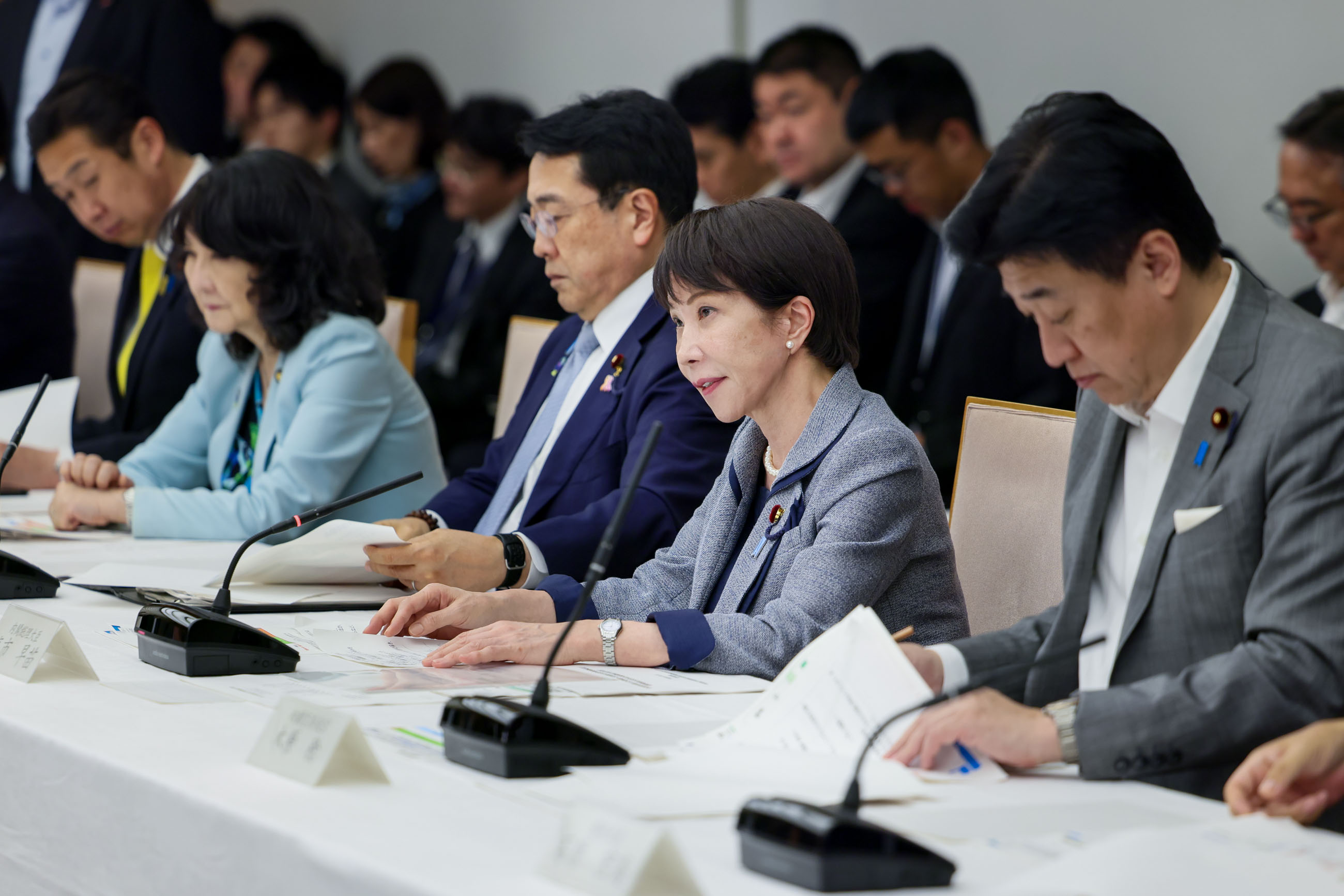
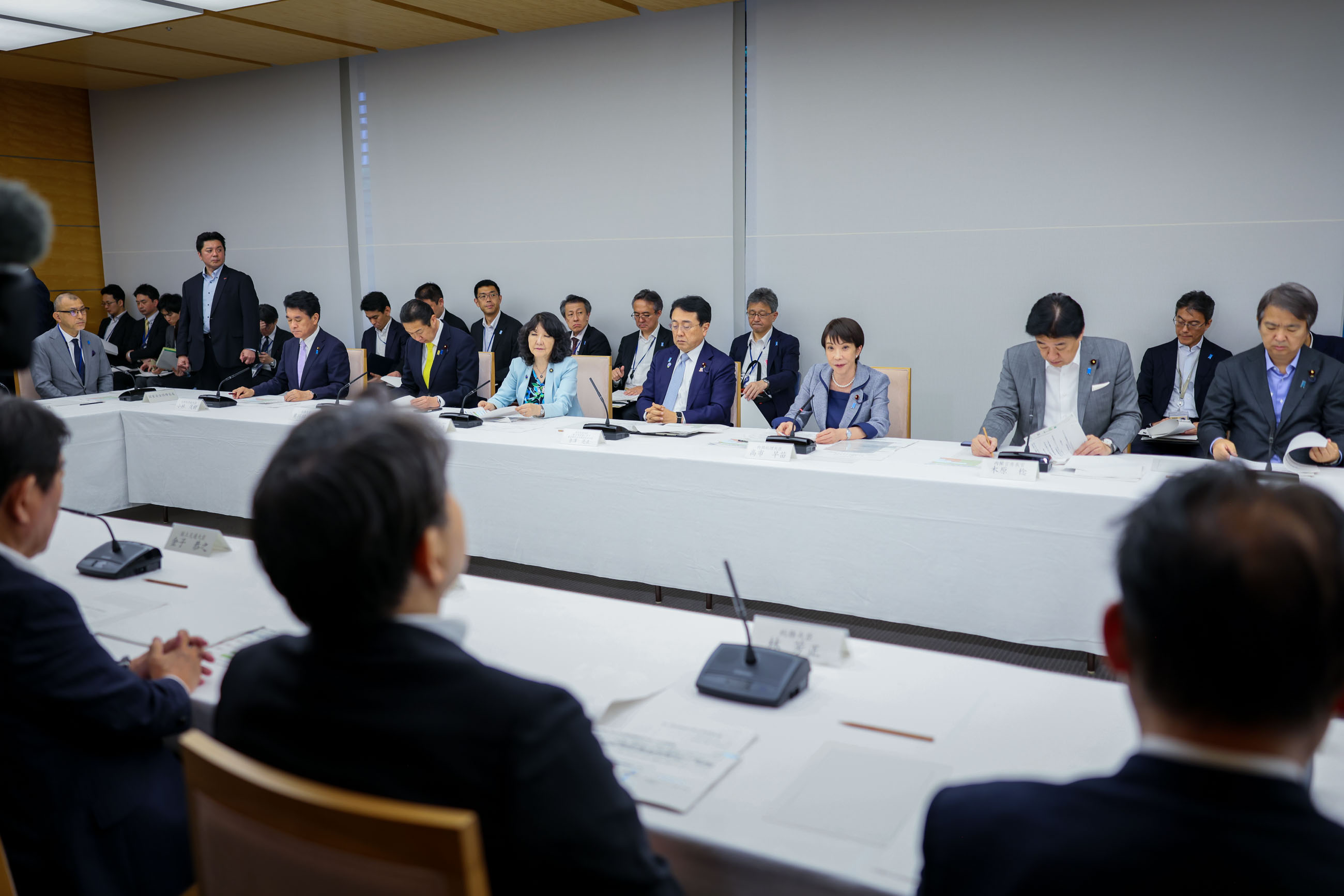
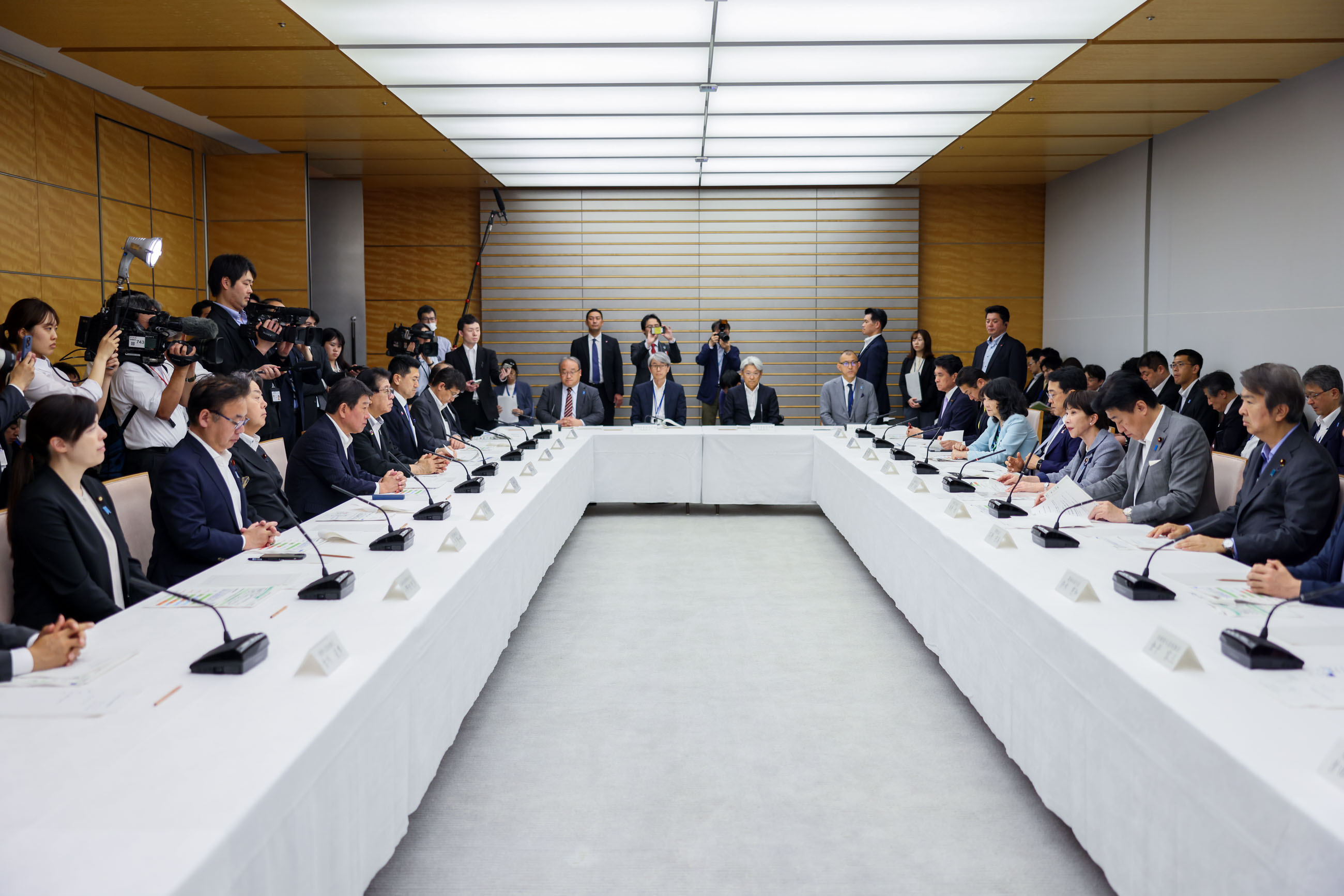
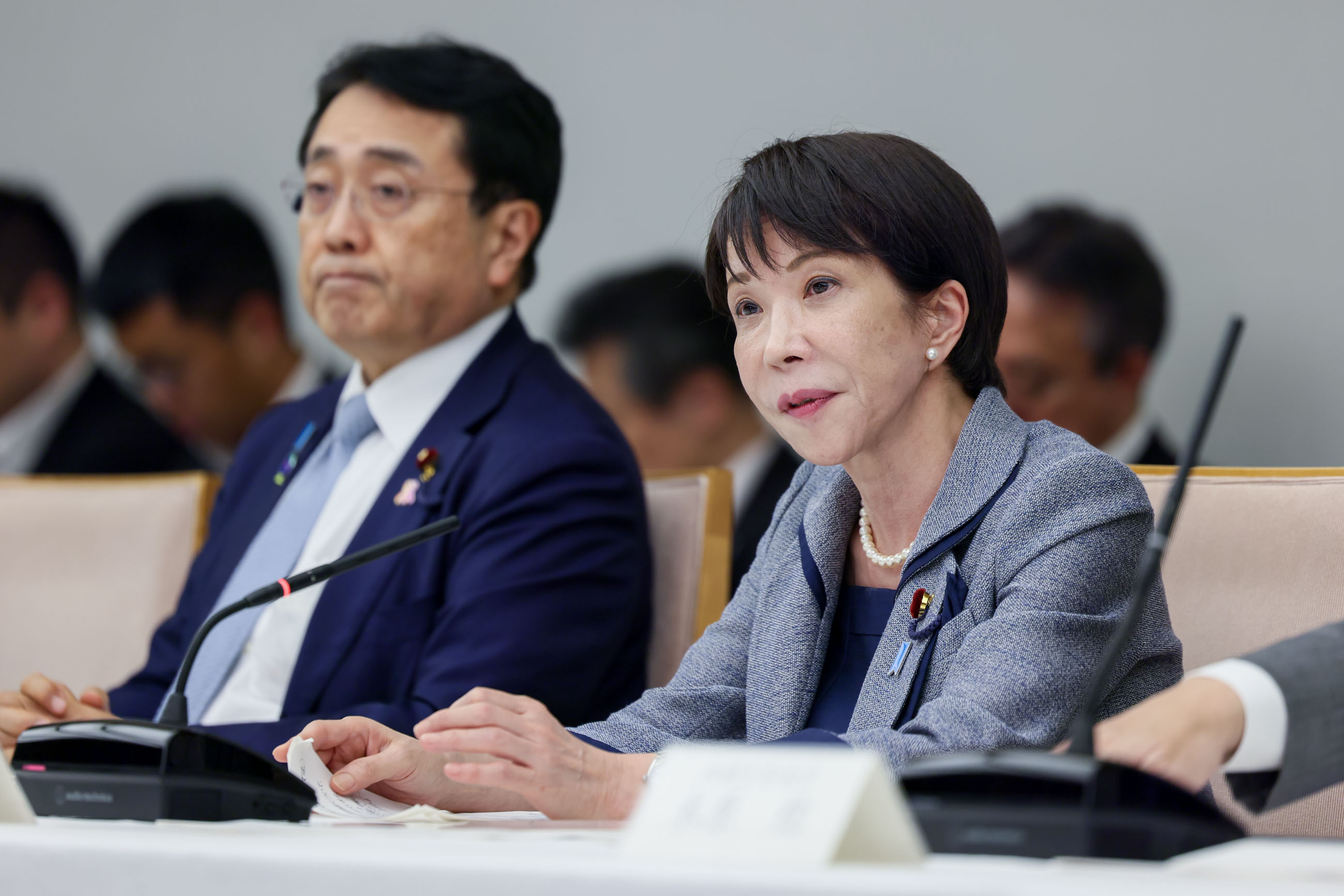
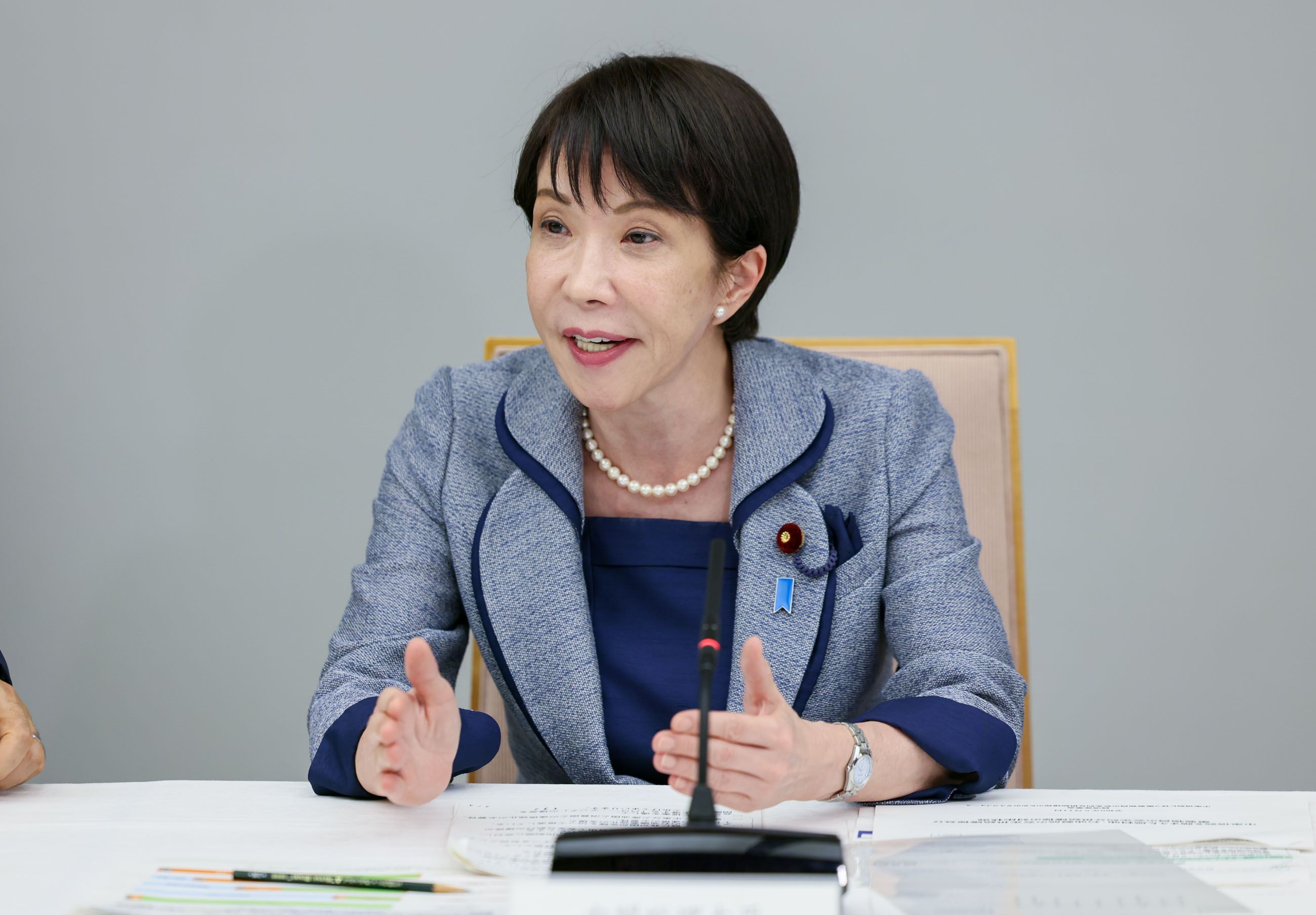
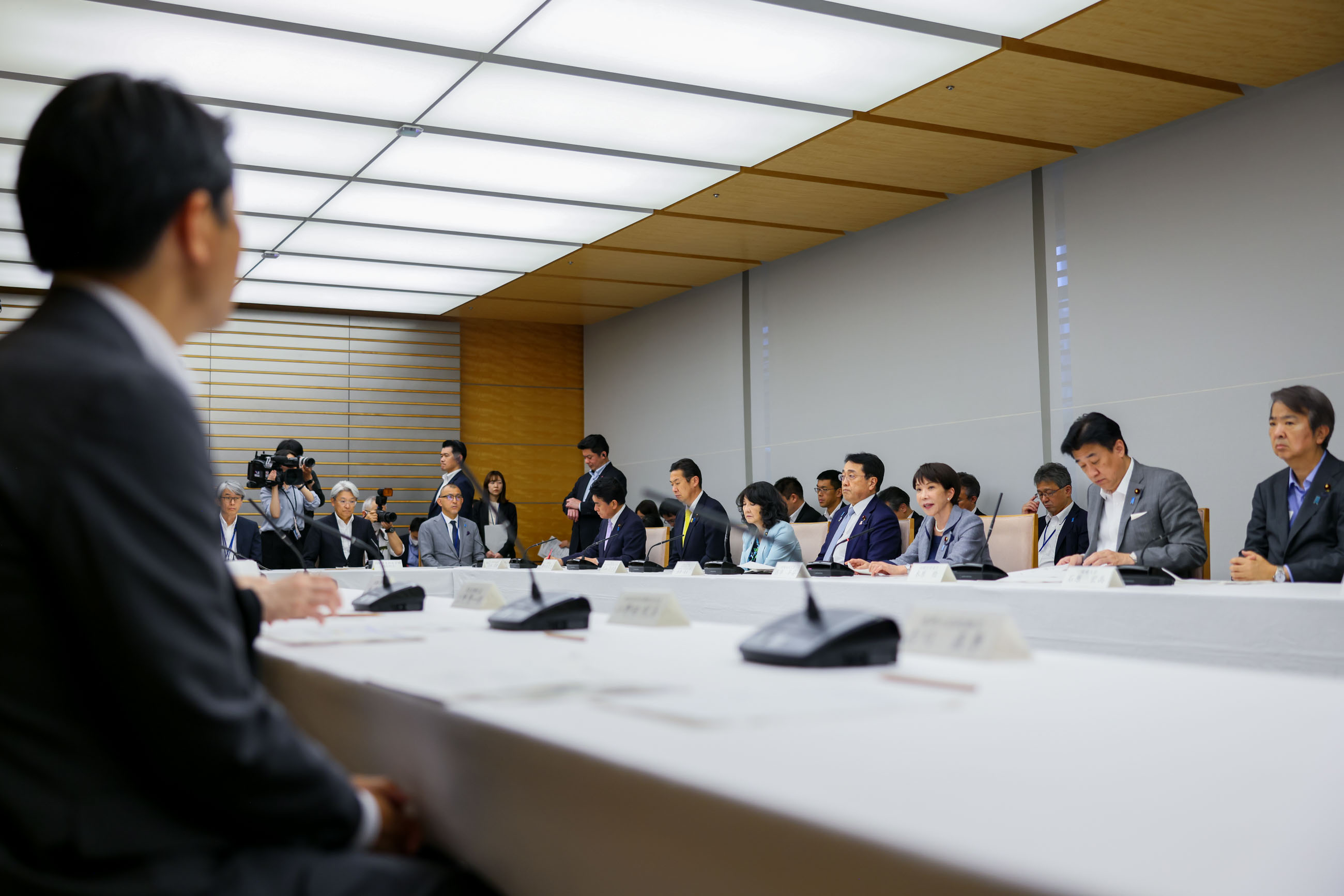
On June 11, 2026, Prime Minister Takaichi attended the 10th Ministerial Meeting on the Situation in the Middle East at the Prime Minister's Office.
At the meeting, the participants engaged in discussions on the situation in the Middle East and related matters.
Based on the discussion, the Prime Minister stated the following.
(Prime Minister Takaichi)
First of all, I would like to express my appreciation to all the ministers and officials of the relevant ministries and agencies for their dedicated efforts.
Regarding alternative crude oil procurement, in addition to supplies from the Middle East and the United States, including shipments that arrived from Alaska last week, diversification of procurement sources has progressed. Imports have also been secured from Latin America, the Asia-Pacific region, Central Asia, and Africa, and arrangements have now been made to import crude oil from Canada. Furthermore, Japan is expected to receive crude oil from Mexico for the first time in July.
As indicated in Document 5 distributed to you, approximately 80 percent of the required alternative procurement volume has been secured for June. For July, prospects have been established for restoring procurement volumes to approximately 100 percent of the level of the same month in the previous year. In particular, imports from the United States are expected to exceed ten times the level of the same month in the previous year. I would like to express my gratitude to all those involved, including members of the petroleum industry, for their efforts in enabling Japan, which previously relied on the Strait of Hormuz for more than 90 percent of its crude oil imports, to procure all of its crude oil from sources outside the Strait.
As procurement volumes are expected to exceed the amount of crude oil required in July, the Government will not release national petroleum reserves this month, following the decision made last month. Furthermore, even assuming conservatively that alternative procurement volumes after August remain at 75 percent of the level of the same month in the previous year, the utilization of reserves would enable a stable supply of petroleum through the end of March 2028, approximately one year longer than previously projected.
As for naphtha prices, although they temporarily exceeded 1,000 U.S. dollars per ton in April—approximately double the level prior to the emergence of the current situation in the Middle East—they have recently declined to slightly above 700 dollars per ton, or about 1.2 times the previous level, and international prices have stabilized.
Petroleum products, including petrochemical products derived from naphtha, can continue to be supplied beyond the current fiscal year. A mechanism has been launched to enable supplies of products such as toluene and xylene at volumes equivalent to 1.8 times normal demand. We have already received positive feedback from paint and thinner manufacturers, who have expressed expectations regarding increased supplies of toluene and reported that securing thinner is no longer a concern, partly due to increased production of toluene and xylene. Contracts are being concluded sequentially, and increased production is expected to begin as early as June 18.
Minister Akazawa, please closely monitor price trends and changes in inventory levels throughout supply chains and distribution channels.
With regard to lubricants, for which concerns persist, a new mechanism enabling direct sales from major lubricant manufacturers to all industries was launched yesterday, as shown in Document 6.
At the same time, an increasing number of industry associations and companies are expressing expectations for the early realization of smoother distribution of petroleum products. As an initial step, we will publicly recognize industry associations and companies that cooperate in facilitating the smooth distribution of paint and thinner as “Organizations and Companies Cooperating in Resolving Supply Bottlenecks and Imbalances,” and we will expand this network nationwide across industries.
The Government is currently promoting proactive support measures for downstream businesses. As shown in Document 7, construction firms, including sole proprietors, have sought consultations not only regarding paint and thinner but also unit baths and PVC pipes. By providing information, including the resumption of standard delivery schedules for unit baths, efforts are being made to resolve bottlenecks.
Automobile repair shops and operators of buses, trucks, and taxis have also reported that although thinner was difficult to obtain in April, the situation has recently improved somewhat.
Regarding retailers of bread, confectionery, and related products, as shown in Document 8, ten of nineteen identified bottlenecks have already been resolved through measures such as improving information sharing among businesses.
Efforts are also underway to address supply bottlenecks affecting horticultural farmers, from whom multiple organizations have received consultations regarding material procurement.
Minister Kaneko, Minister Suzuki, and Minister Akazawa, please continue to listen carefully to the voices of downstream businesses, including through surveys and other means, and work to eliminate bottlenecks as quickly as possible.
In the medical sector, as shown in Document 9, consultations regarding dispensing paper and pharmaceutical containers have increased. Accordingly, a priority supply mechanism for dispensing paper has been established for pharmacies facing the risk of inventory shortages.
Minister Ueno, while closely monitoring the circumstances of individual pharmacies and other facilities, please continue efforts to resolve bottlenecks involving pharmaceutical containers as well.
With regard to medical gloves, the Government will release an additional 20 million small-size gloves, for which demand is particularly strong, while monitoring purchasing trends. In addition, yesterday Malaysia, the largest supplier of medical gloves to Japan, expressed in a joint statement its strongest commitment to maintaining a stable supply to Japan. We will continue efforts to secure medium- and long-term supply.
In this way, we are steadily addressing concerns affecting the lives and livelihoods of the Japanese people, one issue at a time. Please refer to Document 10 for details of individual cases.
At the same time, with respect to financing support for small and medium-sized enterprises affected by the situation in the Middle East, the Government has expanded eligibility to include additional industries such as construction. As of today, businesses in 583 industries, representing approximately half of all industries, may apply through credit guarantee corporations nationwide for a separate credit guarantee framework with a limit of 280 million yen when obtaining financing from private financial institutions.
Relevant ministers should accurately assess whether financing support and employment adjustment subsidies are reaching businesses in need and ensure comprehensive support for SMEs and small businesses.
I would also like to inform you that I will visit Europe beginning on June 13. After holding summit meetings with the leaders of the United Kingdom and Italy, I will attend the G7 Summit in France. As the representative of Asia, the region most significantly affected by the current situation in the Middle East, I intend to propose three initiatives that the G7 should lead in order to strengthen global energy security, particularly the stability of crude oil markets.
First, the international community should cooperate to ensure stable energy supplies, oppose unjustified export restrictions, and maintain free and transparent trade. Ensuring free and safe navigation through all sea lanes, including the Strait of Hormuz, is essential to this effort.
Second, it is necessary to strengthen support for petroleum stockpiling in Asia and other regions and to deepen cooperation with the International Energy Agency (IEA), initiatives in which Japan has already taken the lead.
Third, it is necessary to strengthen cooperation between oil-producing countries, including those in the Middle East, and energy-consuming countries.
Through these proposals, I hope to expand the principles of “POWERR Asia,” which Japan has championed, to the international community as a whole.
That is all from me. Thank you very much for your hard work.