


[Provisional translation]
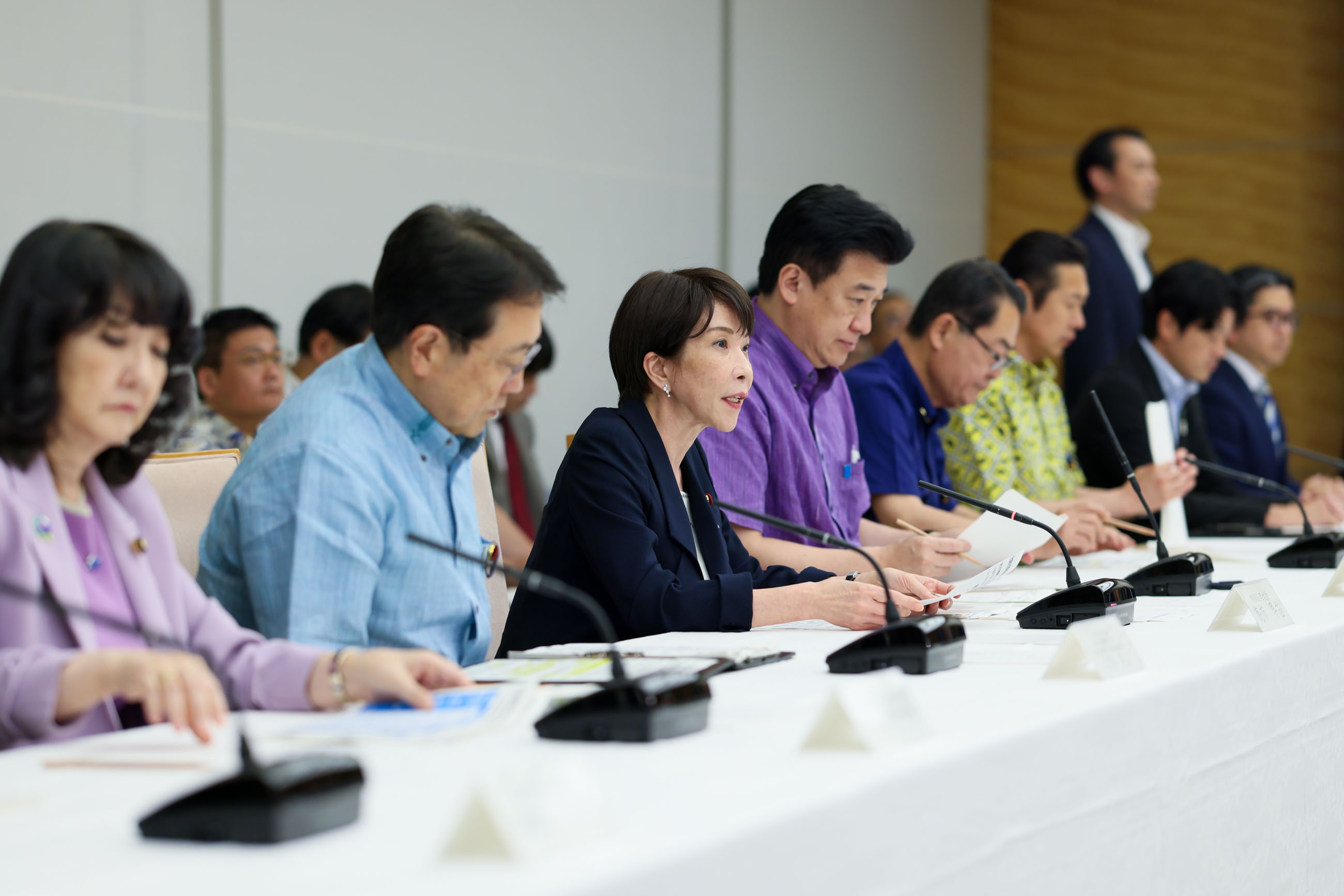
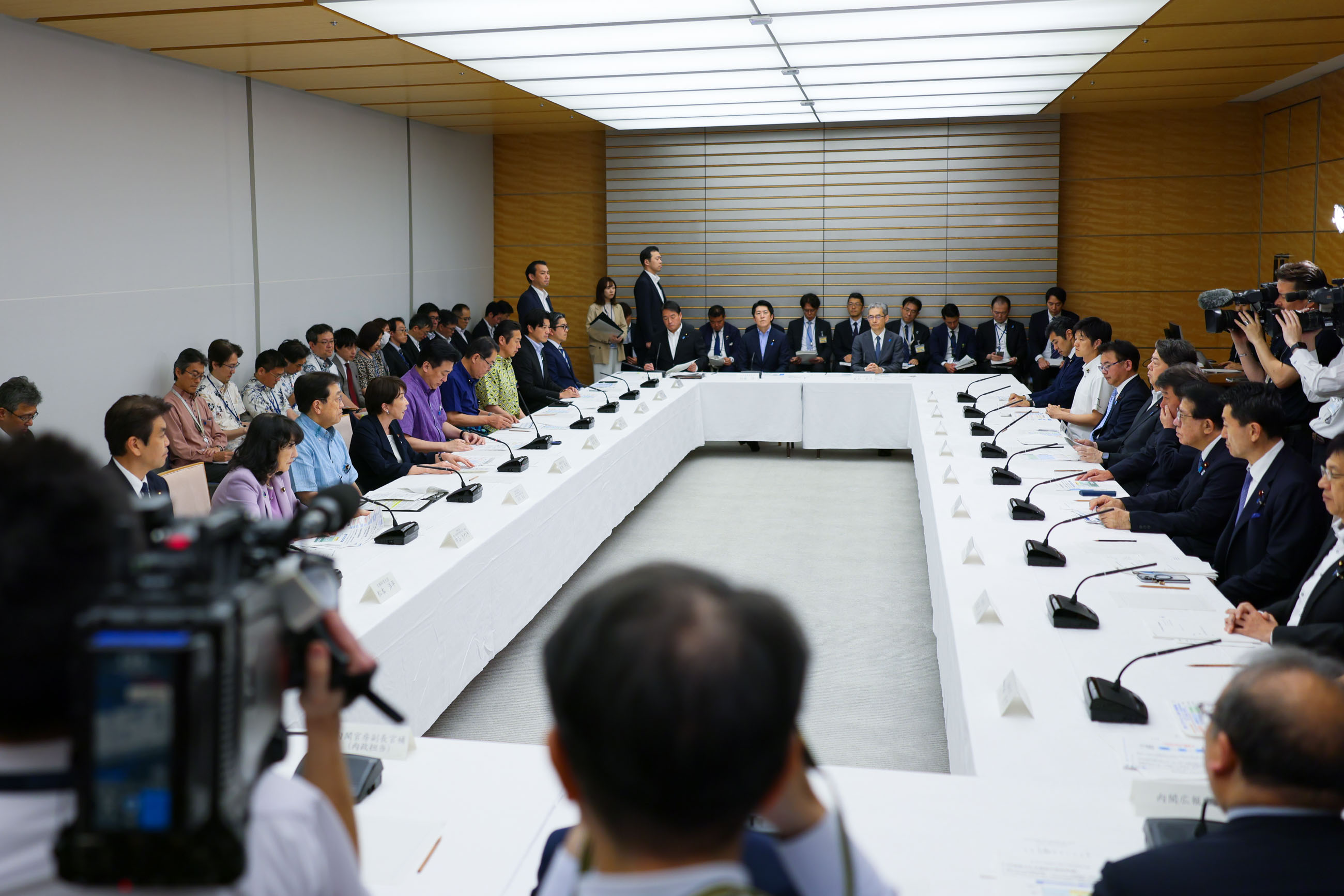
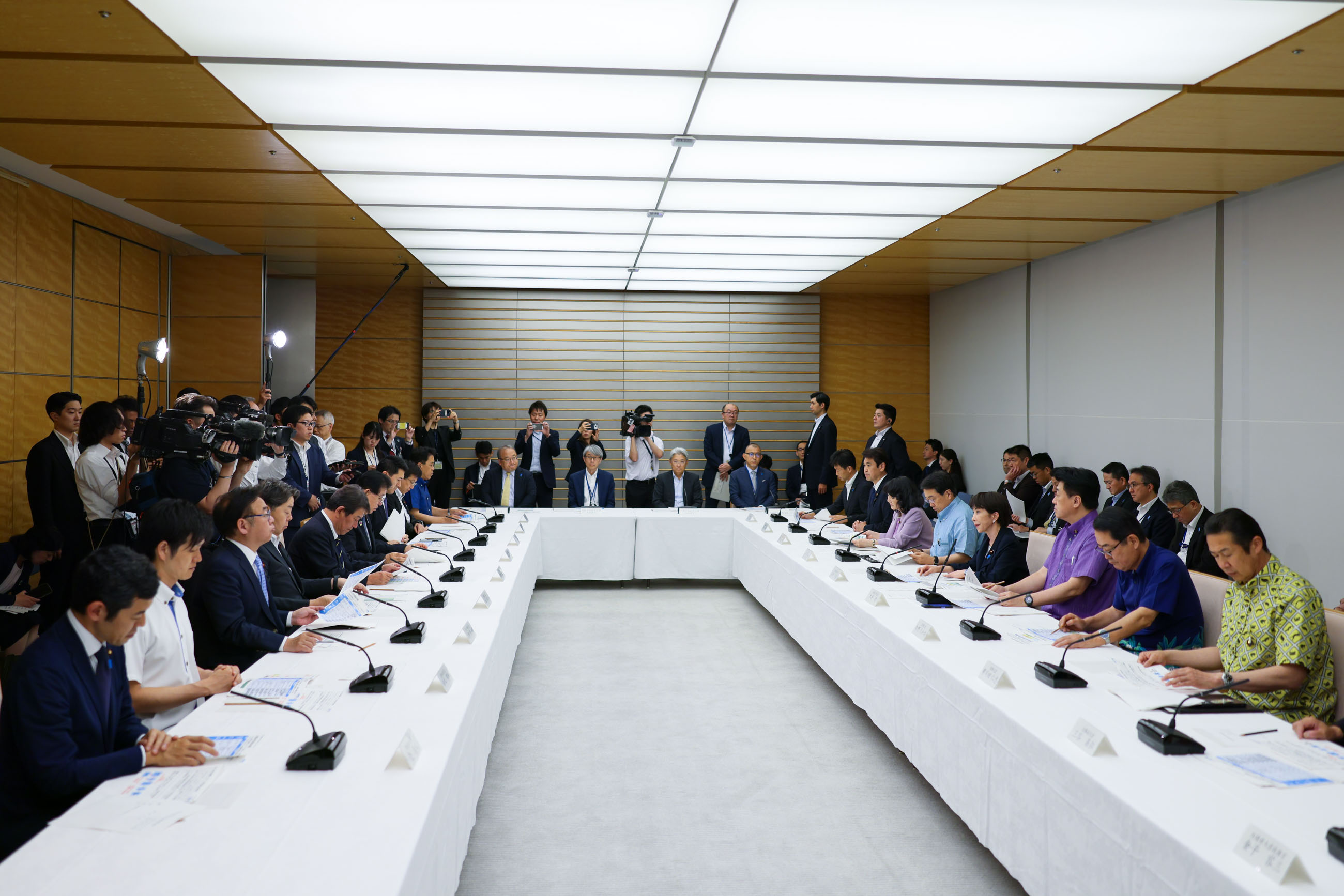
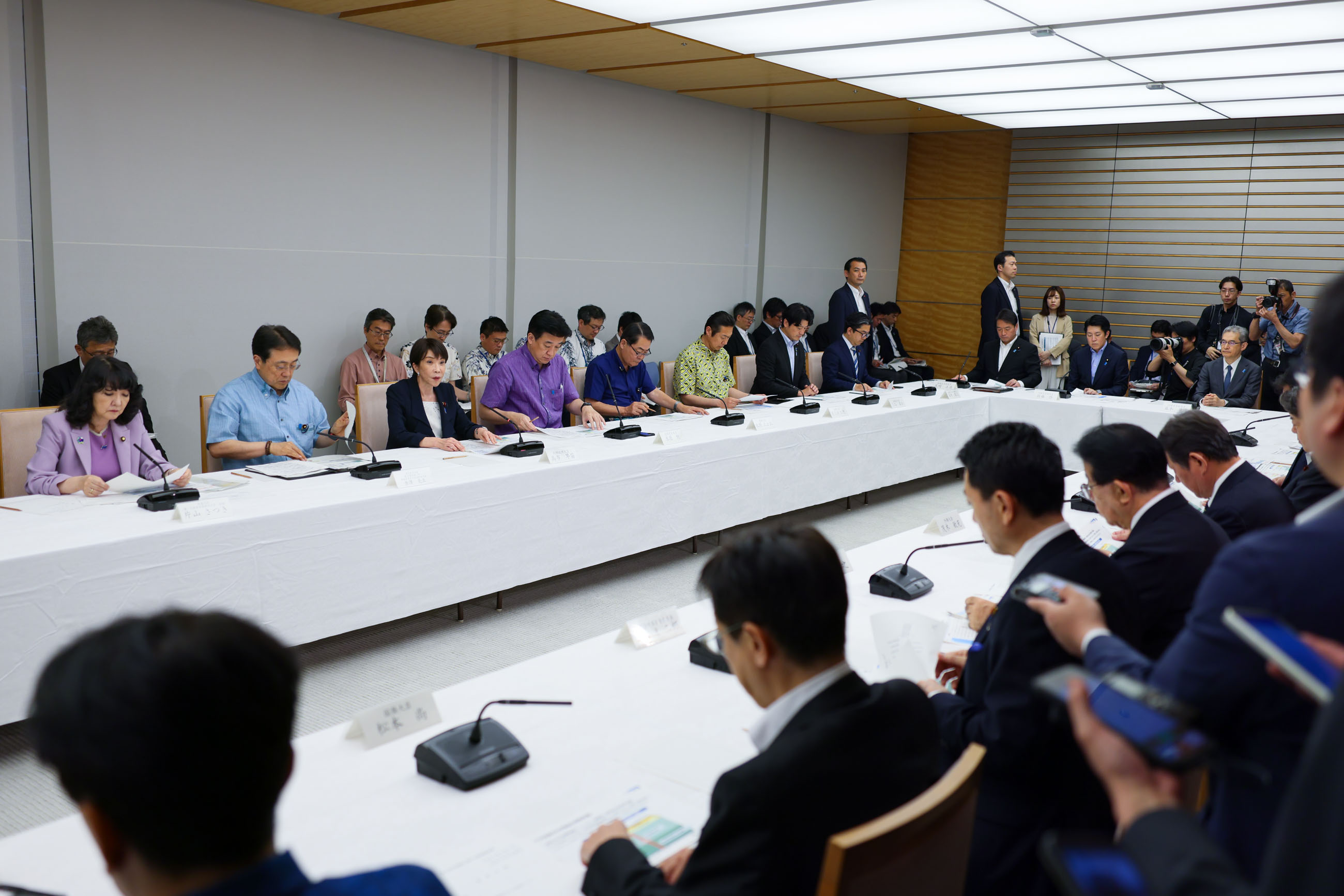
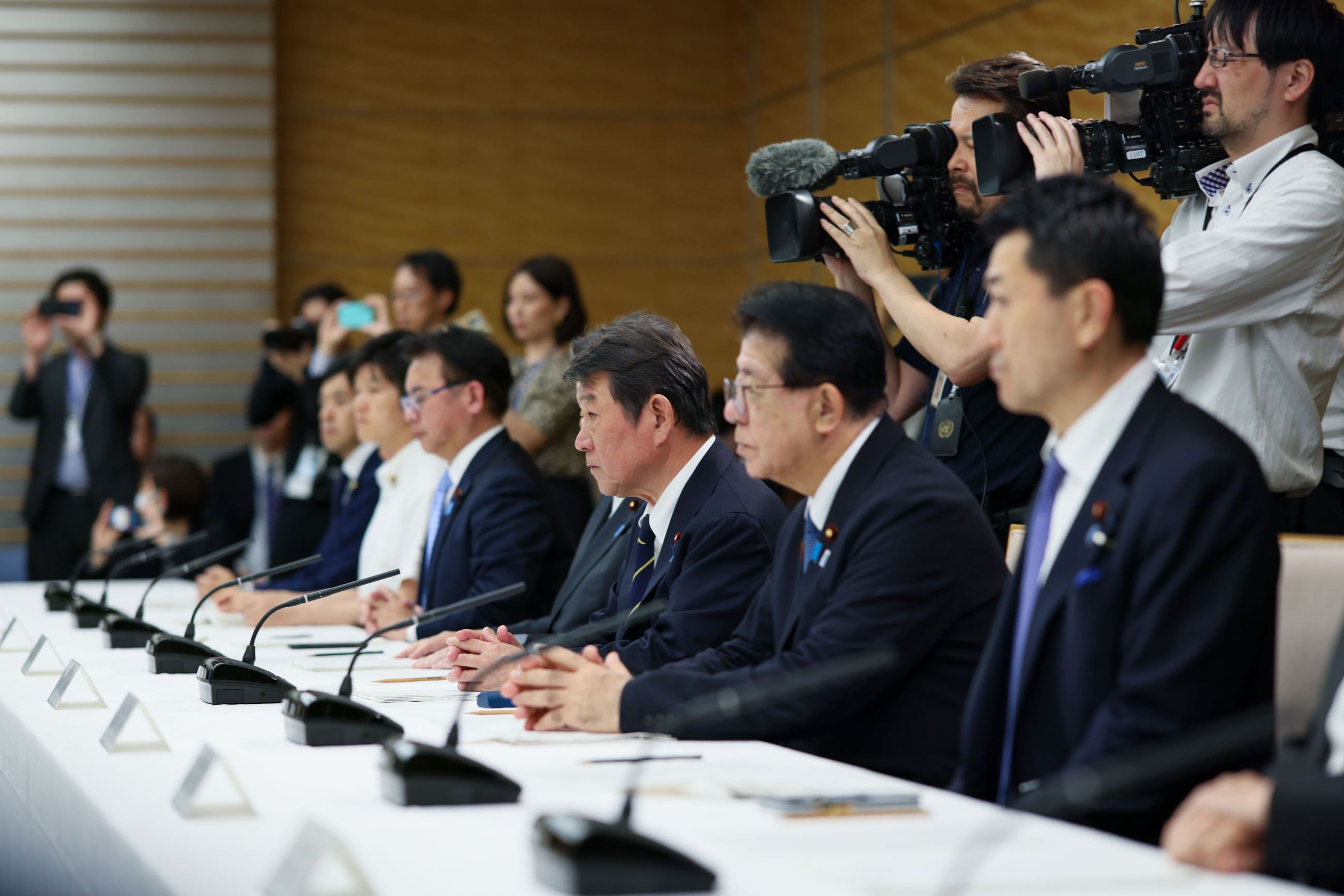
On June 2, 2026, Prime Minister Takaichi attended the ninth Ministerial Meeting on the Situation in the Middle East at the Prime Minister’s Office.
At the meeting, the participants engaged in discussions on the situation in the Middle East and related matters.
Based on the discussion, the Prime Minister stated the following.
(Prime Minister Takaichi)
Thank you, Ministers and all ministries and agencies, for your dedicated efforts. Let me briefly summarize the reports we received today. Please have the one-page handouts, Documents 5, 6, 7, and 8, which should be in front of you.
First, as shown in Document 5, alternative procurement of naphtha has recovered to 85 percent of the previous level, and imports of intermediate products have also increased substantially. Consequently, the use of intermediate inventories related to naphtha was limited to 0.1 month’s worth in April, making it possible to continue supplying petroleum products, including naphtha-derived chemical products, beyond the fiscal year-end.
As shown in Document 6, manufacturers of products such as polyethylene, an intermediate product, as well as downstream products including paints and thinners, PVC pipes, and insulation materials, have reported supply volumes through April that were at or above the levels of the previous year. They have also indicated that they expect to be able to continue supplying these products on an ongoing basis.
However, inventories in the supply chains for products such as paints and thinners are lower than those for other products. Therefore, in addition to petrochemical manufacturers, petroleum refiners will newly supply the raw materials toluene and xylene directly to thinner and paint manufacturers in volumes far exceeding conventional levels. This will make it possible to secure supplies equivalent to 1.8 times normal demand.
As shown in Document 7, these measures will help ensure that paints and thinners reach even small local construction firms throughout the country.
As for other naphtha-related products, sufficient inventory levels have been confirmed, as shown in Document 8. However, for products that continue to generate a large number of inquiries, such as PVC pipes and insulation materials, we will strengthen efforts to address bottlenecks caused by insufficient sharing of supply outlooks and by orders placed in excess of actual demand.
Progress has been made in alleviating bottlenecks through proactive outreach and support for downstream businesses that are considered to have limited bargaining power with their suppliers, including sole proprietors and small construction firms, automobile repair shops, and retailers of bread, confectionery, and other products.
As reported earlier, with regard to small construction firms, we have been working in coordination with the National Federation of Construction Workers’ Unions, which has approximately 590,000 sole proprietors among its members nationwide, and coordinating at the prefectural level as well. We have heard concerns such as, “Even when we place orders for PVC pipes, delivery dates are not provided.” At the same time, we have also received reports that, although quantities are limited and delivery times remain long, products such as thinners can now be obtained and PVC pipes are being procured.
For automobile repair shops and bus and trucking operators as well, we have been advancing proactive outreach and support on a prefecture-by-prefecture basis, and we have received reports that prospects for procuring engine oil have improved.
With regard to retailers of bread, confectionery, and other products, we have collected information from all prefectural-level organizations and have also conducted outreach to individual retailers. For businesses that were concerned about the delivery of packaging film, bottlenecks have been resolved by communicating delivery schedules.
Minister Kaneko, Minister Suzuki, and Minister Akazawa, I ask that you continue working closely together to assess conditions throughout the distribution chain, all the way down to downstream businesses, and to address bottlenecks affecting these sectors. In addition, based on the concerns being raised through the consultation desks, please give priority attention to small and medium-sized manufacturers, including machining and metalworking businesses, that are struggling to procure lubricants; taxi operators that support local public transportation and depend on a stable supply of engine oil and other products; and horticultural farmers who rely on plastic agricultural materials for upcoming planting seasons.
In the medical sector, supplies of items such as ointment containers and dispensing paper are generally being provided at levels consistent with last year's actual supply volumes. However, as order volumes have increased, we will request that pharmacies refrain from placing orders beyond their near-term requirements. In addition, we will identify the circumstances facing individual pharmacies and proceed with efforts to resolve bottlenecks.
With regard to the government’s stockpile of medical gloves, up to 19.8 million gloves will be distributed to 5,077 medical institutions and other facilities. To date, shipment arrangements for 4.26 million gloves have already been completed for 1,178 medical institutions and other facilities.
In this way, we are steadily resolving issues one by one in areas that are essential to protecting the lives and livelihoods of the people. For specific examples, please refer to Document 9 before you.
The employment situation remains stable, with the active job openings-to-applicants ratio standing at 1.18 and the unemployment rate at 2.5 percent in April. Over the approximately two-month period since the end of March, 175 business suspension plans have been submitted in connection with the Employment Adjustment Subsidy related to the situation in the Middle East. While this figure remains limited compared with the combined total of 3,932 cases recorded in April and May of last year, we are taking every possible measure, including proactively providing information, to ensure that businesses forced to suspend operations can smoothly make use of the Employment Adjustment Subsidy. I ask for your continued efforts.
I ask the relevant ministers to continue implementing bottleneck mitigation measures in a meticulous manner and to make every effort to prevent market disruption. At the same time, please provide support for the financing needs of small and medium-sized enterprises and small businesses affected by the situation in the Middle East, assist them in making use of the Employment Adjustment Subsidy, and continue urging thorough cost pass-through. That is all. Thank you.