




[Provisional translation]
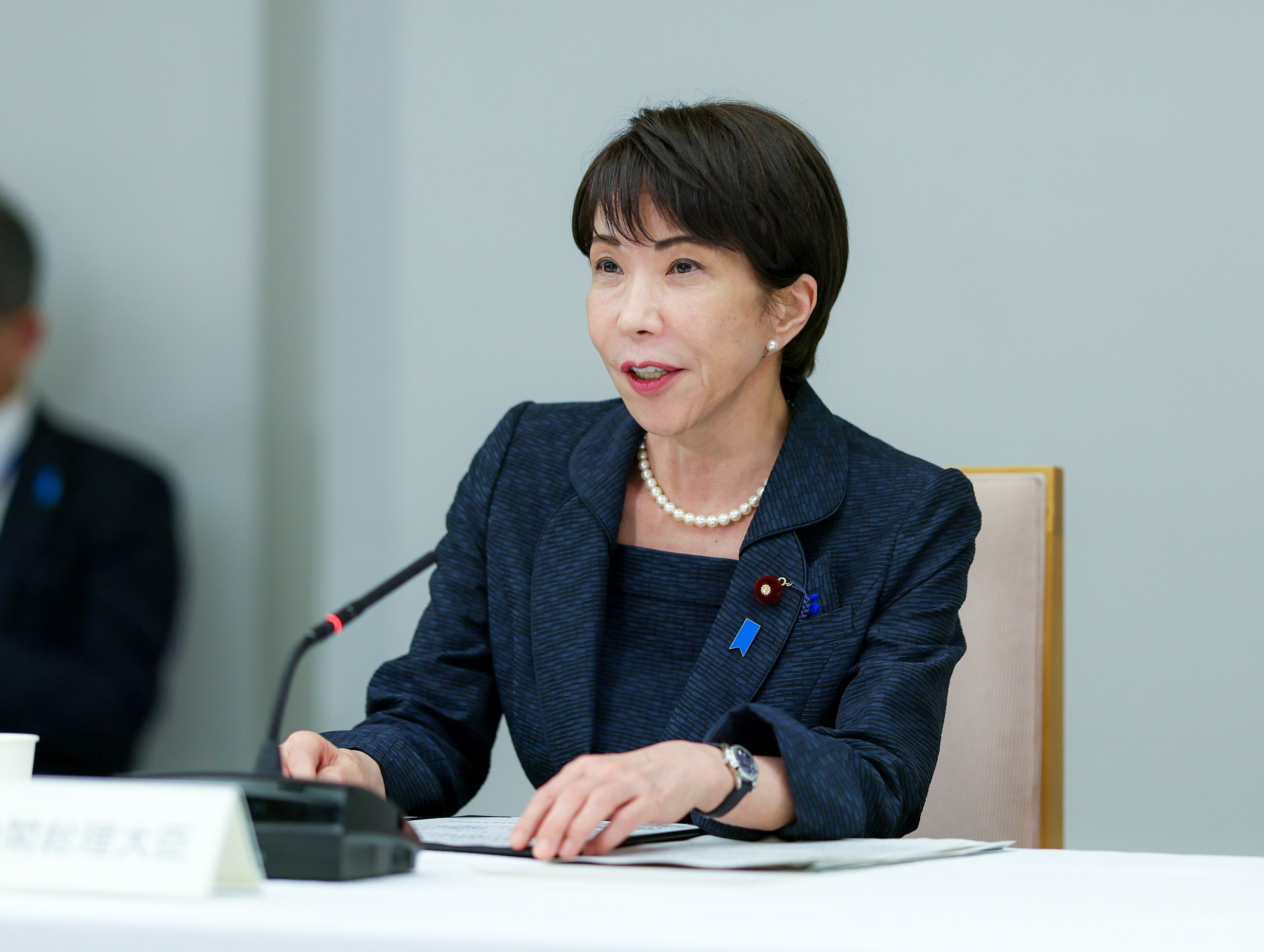
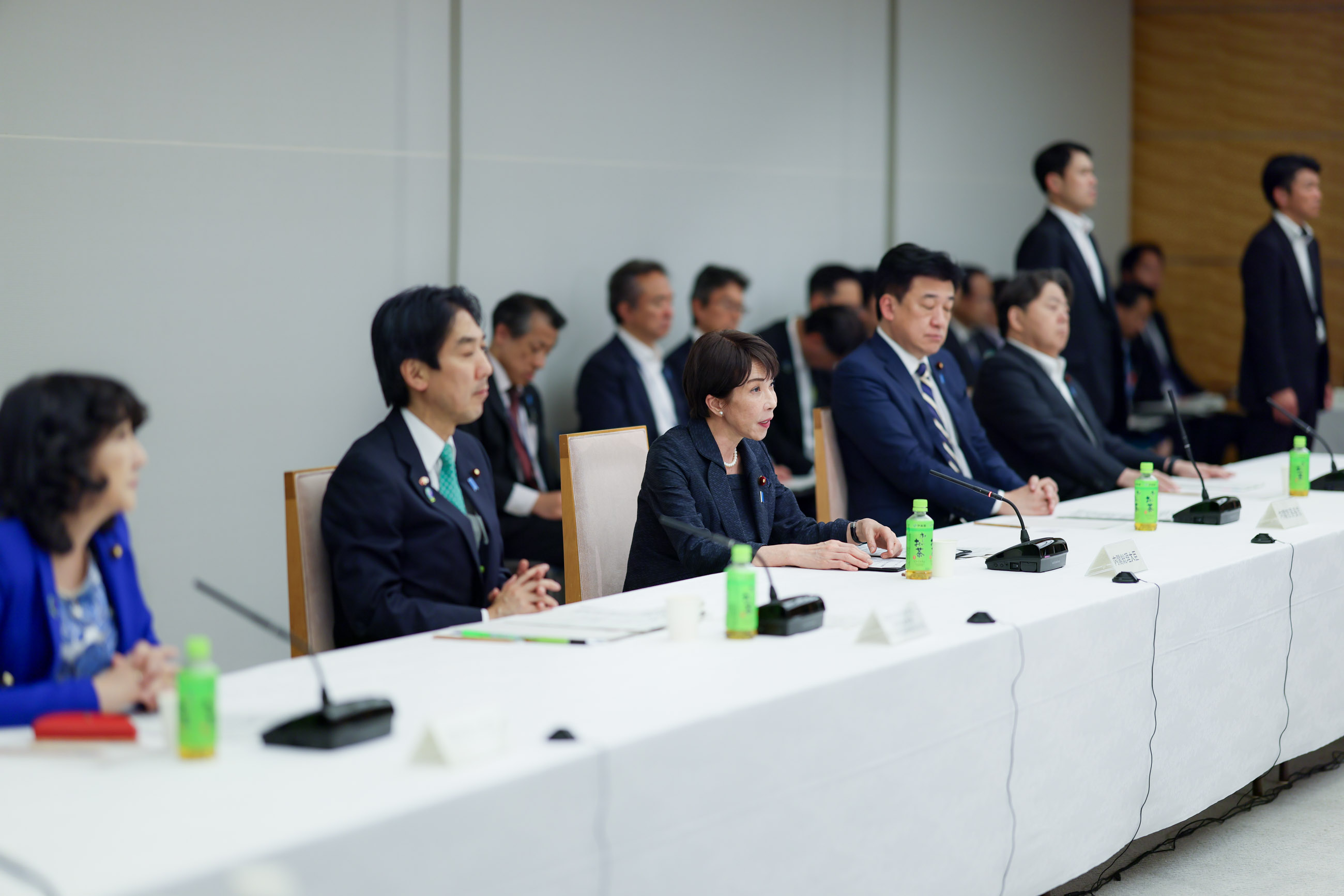
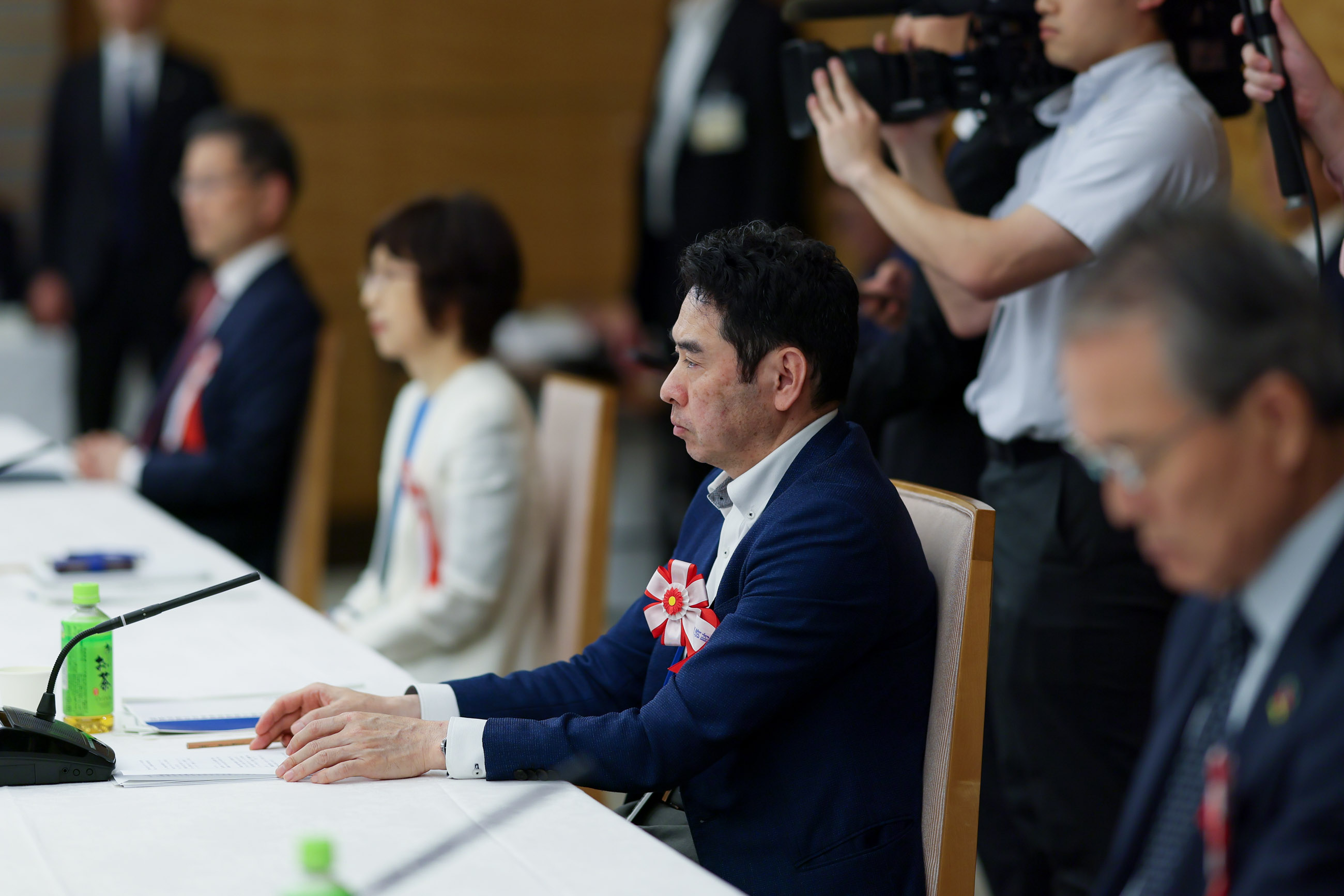
On May 22, 2026, Prime Minister Takaichi held the seventh meeting of the Council on Economic and Fiscal Policy in 2026 at the Prime Minister's Office.
At the meeting, the participants engaged in discussions on strengthening growth potential and integrated economic and fiscal reforms (social security).
Based on the discussion, the Prime Minister stated the following.
(Prime Minister Takaichi)
Thank you all for participating in today's meeting. We first exchanged views on strengthening growth potential. The experts proposed, among other things, further specifying the requirements, scale, duration, and scope of a new investment framework for strategic investments that enhance resilience against potential crises and investments that promote growth; further enhancing investment promotion measures based on multi-year budgeting mechanisms, such as funds and government debt obligations; and managing strategic sectors as a portfolio as a whole so that budgetary resources can be utilized effectively in response to changing circumstances.
It is important to ensure budgetary predictability so that companies can make long-term investments. To this end, the new investment framework will be established separately from ordinary expenditure so that the necessary funding can be secured without being constrained by the previous fiscal year's budget allocation. It will also allow ministries and agencies to request the funding required and establish a mechanism through which such requests can be effectively translated into budget allocations during the budget formulation process. In this way, we will ensure the scale and duration necessary for the steady implementation of the Public-Private Investment Roadmap.
With regard to government funds, we will consider revising the rules governing such funds from the perspective of ensuring more flexible and efficient fund management, on the premise that rigorous performance management is maintained. This review will include the possibility of exempting such funds from the current rule that budgetary appropriations should, in principle, be limited to a period of no more than three years.
In addition to support measures such as subsidies and tax incentives, we will create an environment conducive to private-sector investment through a comprehensive set of initiatives, including regulatory and institutional reforms suited to the age of AI, as well as the development of a startup ecosystem.
Next, we exchanged views on social security. The experts proposed, among other things, that efforts to review benefits and burdens should continue in order to ensure the sustainability of the social security system; that, in order to realize the policy of halting and ultimately reducing increases in insurance premium rates borne by the working generation, consideration should be given to setting a macro-level target for the social security burden ratio; that social security reforms should be further developed and their implementation schedule clarified during FY2026, followed by their phased implementation; that the social security system should transition to a sustainable service delivery model while appropriately reflecting rising prices and wages and ensuring the provision of necessary services; that innovation, including AI, should be utilized to reduce burdens on frontline workers and improve productivity in an integrated manner; and that proactive preventive healthcare should be promoted through integrated efforts encompassing health promotion, disease prevention, early detection, encouragement of medical consultations, and prevention of disease progression.
Taking these proposals into account, I ask the Minister in charge of Social Security Reform Oriented to All Generations, working closely with the Minister of Health, Labour and Welfare and the Minister of Finance, to further strengthen social security reform aimed at simultaneously achieving a strong economy, sustainable public finances, and a high-quality all-generation social security system. This should include: consideration of a target for the social security burden ratio; examination of specific reforms to benefits and burdens, including a review of out-of-pocket medical expenses to achieve a truly fair ability-to-pay principle and a review of the definition of “elderly” in order to realize a society in which people can continue working regardless of age; further development of these reform measures and clarification of their implementation schedule within this fiscal year; establishment of a service delivery system capable of ensuring the provision of necessary medical and long-term care services even as labor supply constraints intensify; improvements in productivity and service quality through digital transformation in the medical and long-term care sectors and the utilization of AI and robotics; and the promotion of proactive preventive healthcare.