


[Provisional translation]
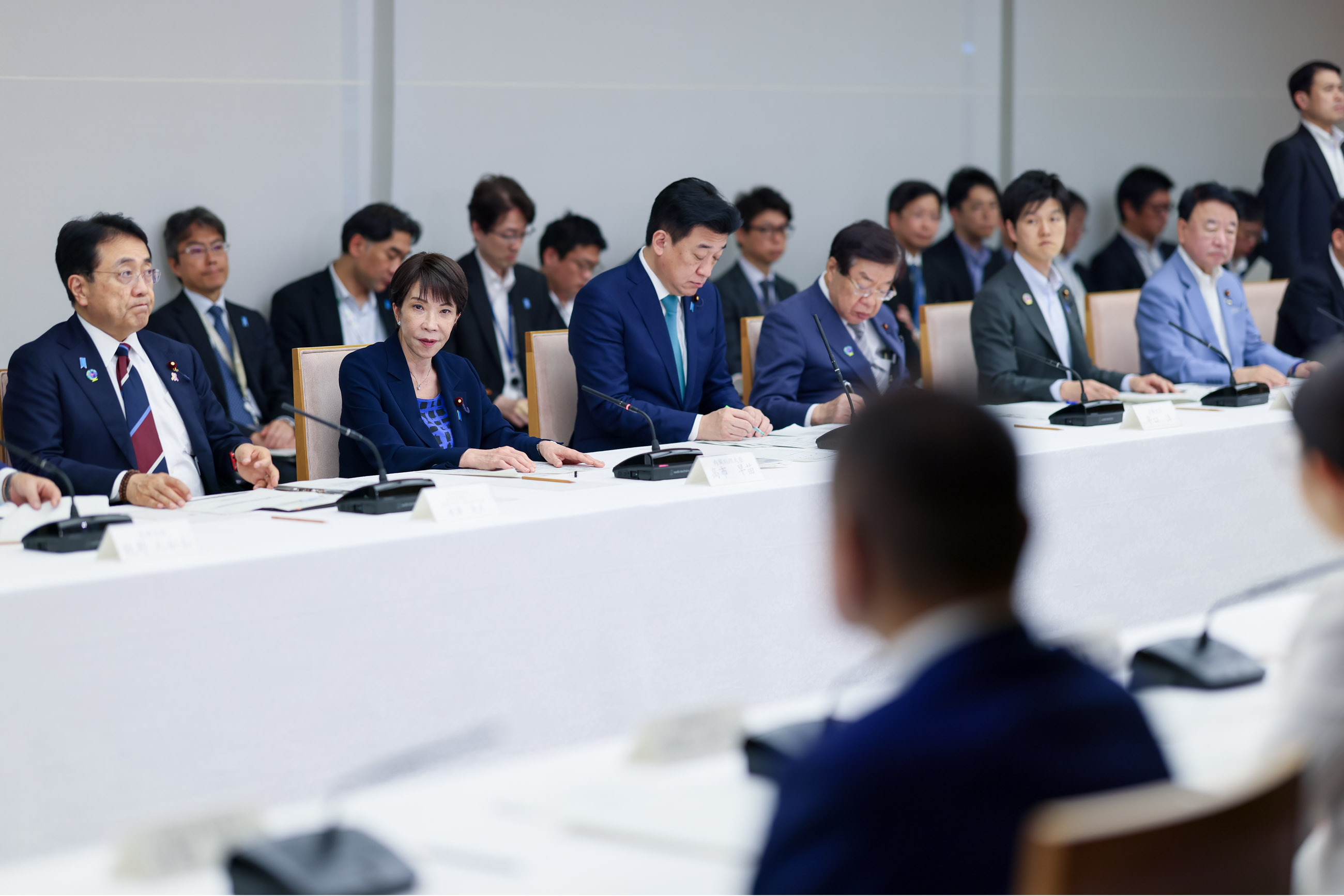
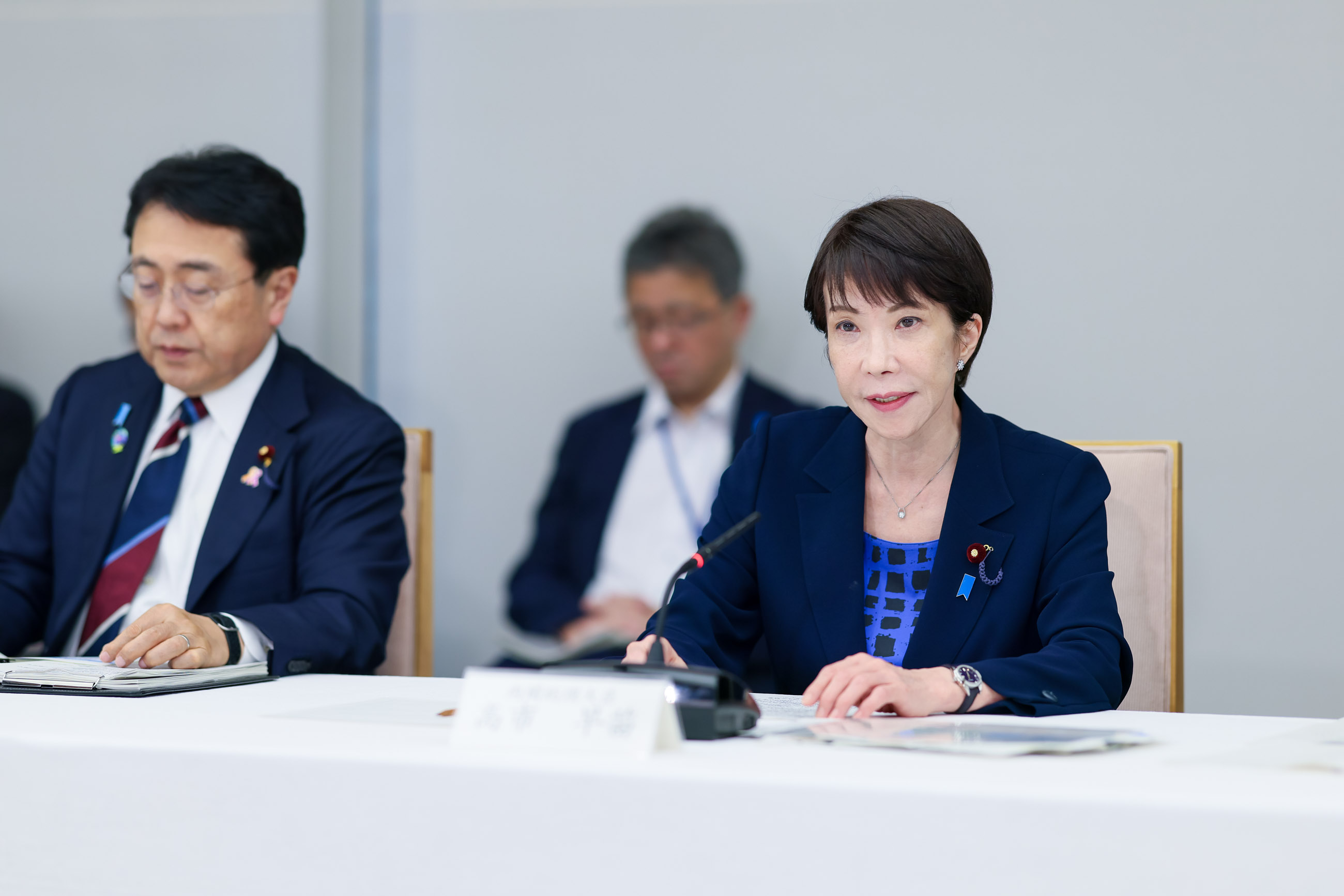
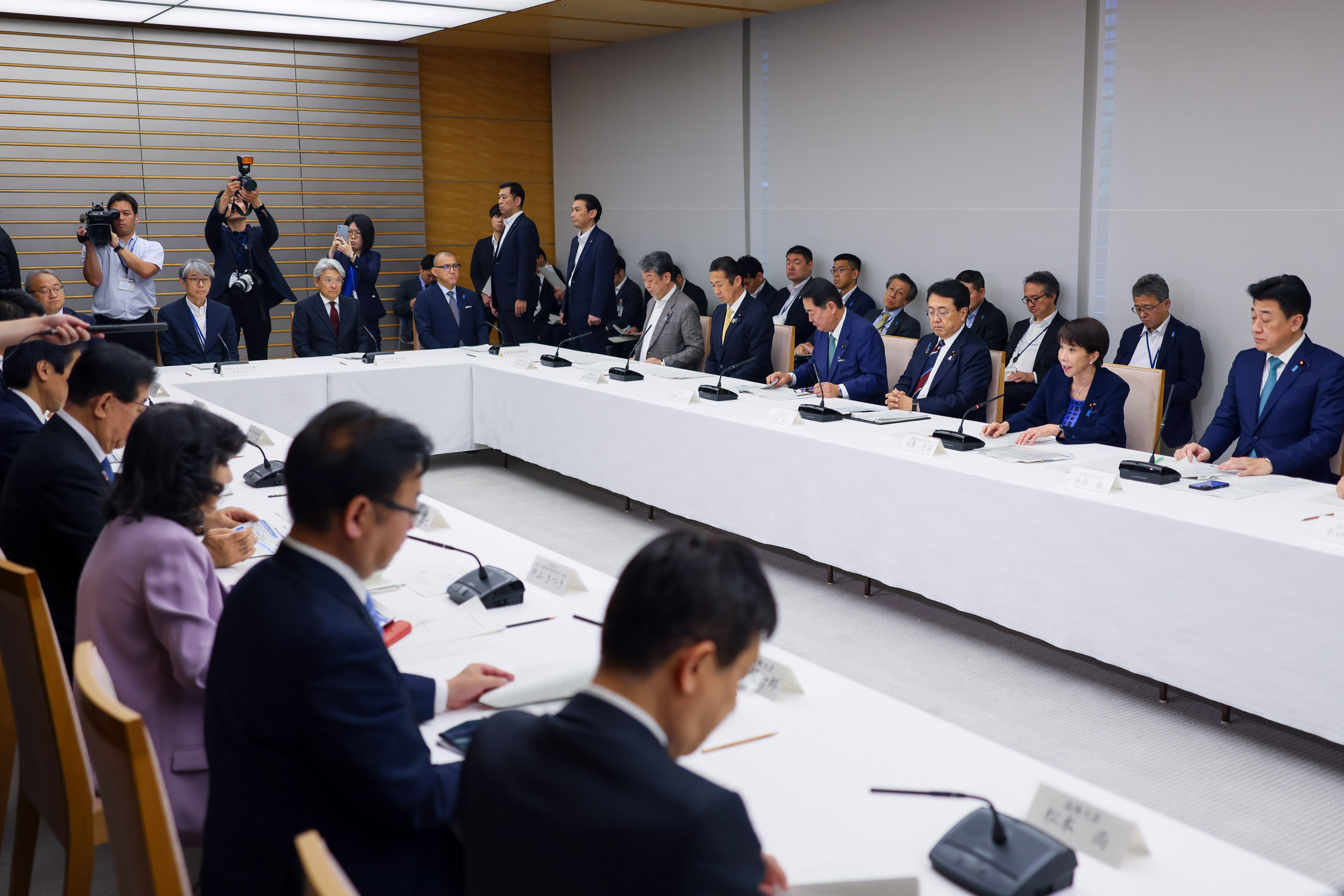
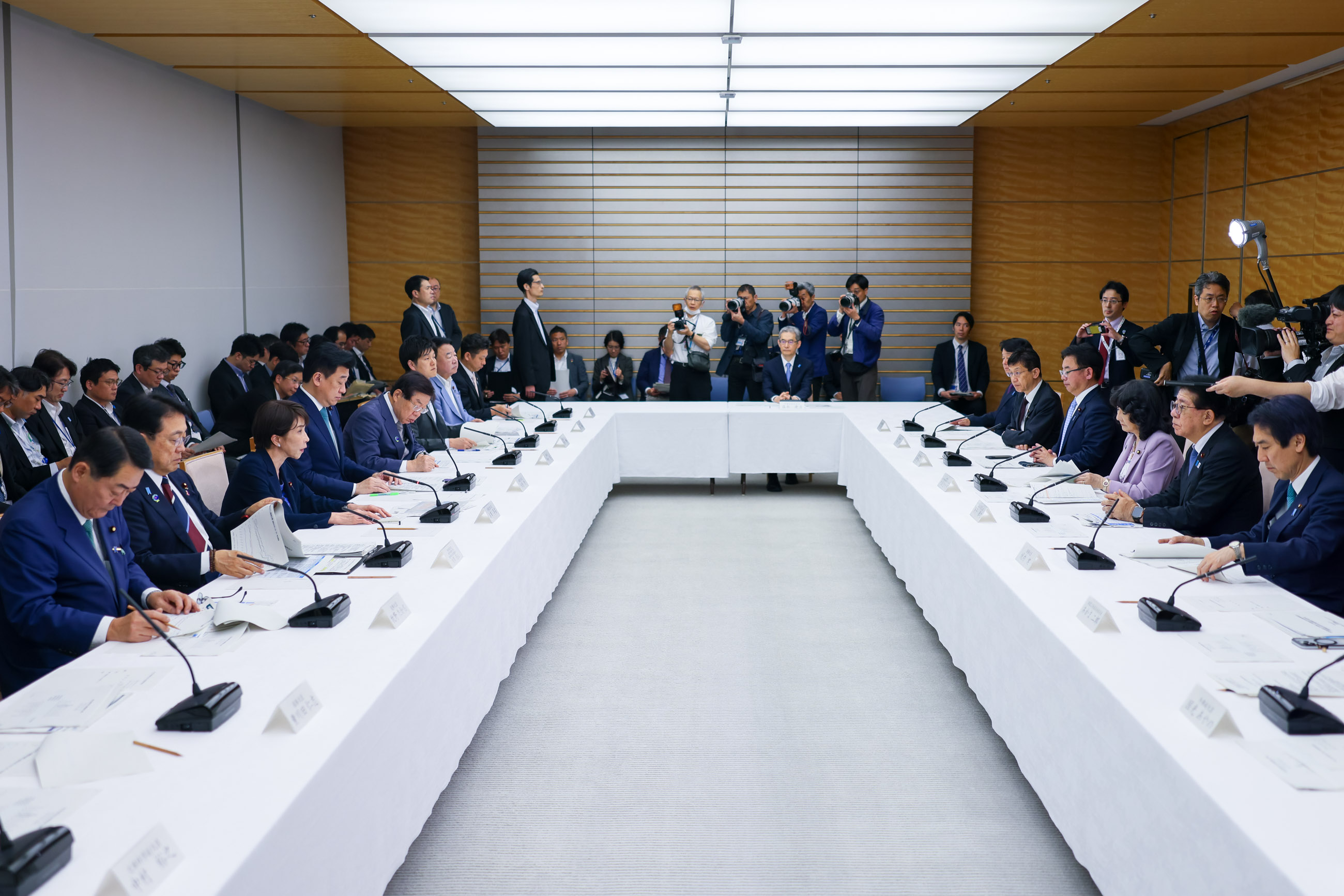
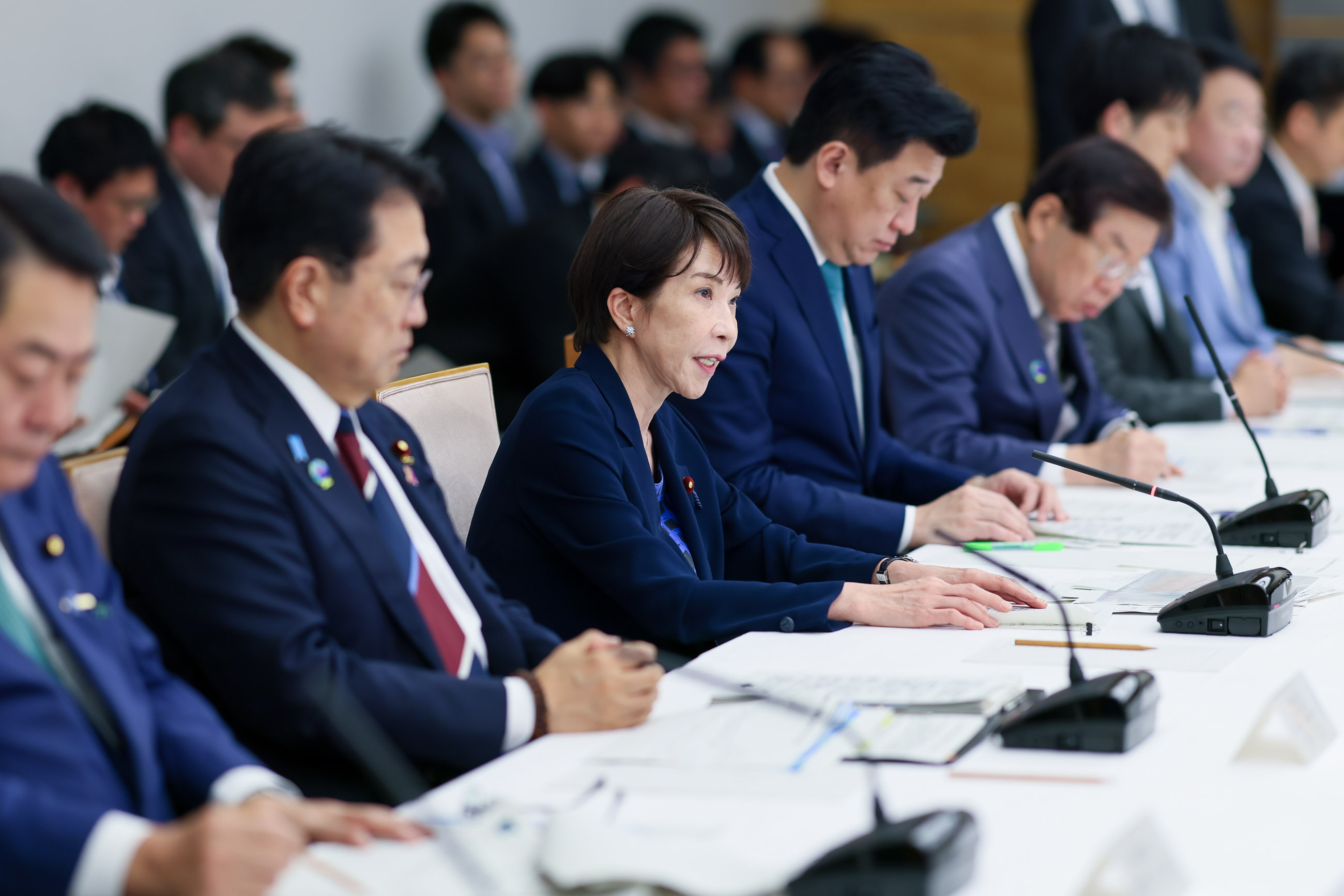
On May 21, 2026, Prime Minister Takaichi attended the eighth Ministerial Meeting on the Situation in the Middle East at the Prime Minister’s Office.
At the meeting, the participants engaged in discussions on the situation in the Middle East and related matters.
Based on the discussion, the Prime Minister stated the following.
(Prime Minister Takaichi)
Thank you for your hard work and dedication. I held a telephone talk on the 15th with President Trump immediately after his visit to China. Regarding the situation surrounding Iran, I reiterated Japan's basic position that it is of utmost importance to steadily achieve de-escalation of the situation as soon as possible.
In addition, during my visit to the Republic of Korea this week, President LEE Jae Myung and I agreed to launch a Japan-ROK cooperation initiative under “POWERR Asia,” announced last month, and to jointly consider concrete actions, based on two pillars: (i) strengthening energy supply resilience including stockpiling in the Indo-Pacific region, and (ii) enhancing energy security for both Japan and the ROK including mutual supply and swaps of crude oil, petroleum products and LNG. We also agreed to jointly consider concrete actions going forward. This was a meaningful outcome.
As part of our domestic measures, we continue to provide subsidies for gasoline, diesel, heavy oil, and kerosene. As shown on pages 1 to 4 of the handout materials, this week’s gasoline prices are being kept at a nationwide average of 170 yen per liter—one of the lowest levels among the G7 countries—through subsidies amounting to 42 yen per liter.
Thanks to progress in efforts to secure alternative procurement sources, it will be possible to continue supplying petroleum products, including chemical products derived from crude oil and naphtha, beyond the end of the year. However, bottlenecks in the distribution process are causing disruptions in the flow of goods.
Looking at the cases to date, we can see that these bottlenecks broadly fall into three categories, as Minister Akazawa also explained earlier. First, there are cases in which upstream petrochemical manufacturers informed downstream companies that the volume of raw material supply for the following month had yet to be determined, prompting trading companies and thinner manufacturers in the midstream segment to voluntarily restrict supply. Second, there are cases in which, even after supply volumes had recovered following an earlier notice of thinner supply constraints, that recovery was not communicated to customers in a timely manner. Third, there are cases in which painting contractors undertaking part of large-scale repair projects, concerned about possible thinner shortages, placed bulk orders all at once rather than making smaller orders as usual, thereby affecting shipments at the upstream level.
These issues have been resolved by the government approaching individual companies directly, providing accurate information, and helping them understand the situation. In addressing such bottlenecks, the provision of accurate information, including the names of business partners involved, is indispensable.
For example, with regard to garbage bags, which are essential to people’s daily lives, supply remains available at normal levels. However, for garbage bags designated by local governments, some municipalities have seen purchases exceeding usual levels, resulting in shortages.
With regard to raw materials for ink used in food packaging materials, we have confirmed that supply can be maintained at the previous year’s levels. However, some food manufacturers are proactively changing their product packaging designs as a precautionary measure.
As indicated in the materials distributed to you, we are calling for the supply and procurement of goods based on the principle of maintaining the same volume as in the same month of the previous year. I ask the relevant ministers to continue working to swiftly grasp the actual situation and provide accurate information.
During the long holiday period as well, State Ministers and Parliamentary Vice-Ministers met directly with business operators and received many earnest views from small-scale business owners.
Accordingly, as indicated in the materials distributed to you, we are focusing our efforts on grasping the actual supply conditions and resolving bottlenecks in the supply of goods in sectors where many small-scale businesses are considered to have limited bargaining power with their business partners and where bottlenecks are therefore occurring frequently, such as local construction companies, automobile repair shops, and stores selling bread, confectionery, and similar products.
With regard to the supply of apartments and detached houses, major developers and major housing manufacturers have stated that “there are currently no delays in deliveries or other disruptions.” However, we recognize that downstream businesses, including self-employed independent contractors and local construction companies, are experiencing bottlenecks with respect to construction and housing materials.
The government, in coordination with industry associations, is strengthening efforts to collect and share information and working to resolve bottlenecks. We have also received signs of improvement from businesses on the ground, including comments such as, “Although quantity restrictions remain in place, we were able to obtain paint thinner.”
In particular, for self-employed independent contractors, who often have limited access to information, the regional organizations of the National Federation of Construction Workers’ Unions, which has approximately 590,000 members nationwide, are working together with Regional Development Bureaus and Regional Bureaus of Economy, Trade and Industry to strengthen countermeasures by establishing a push-based mechanism in each region to grasp procurement and supply conditions.
With regard to lubricants and AdBlue as well, we are strengthening efforts to grasp the situation facing automobile repair shops and other businesses, and there have already been cases in which bottlenecks have been resolved. Going forward, Regional Transport Bureaus will strengthen push-based outreach efforts, including hearings with businesses and industry associations, and, in coordination with Regional Bureaus of Economy, Trade and Industry, accelerate efforts to resolve bottlenecks.
Regarding “bread, confectionery, and other retail stores,” we have already begun assessing the supply situation for packaging materials. Based on information gathered by the Regional Agricultural Administration Offices from bread, confectionery, and other retail stores, the Offices will work in coordination with the Regional Bureaus of Economy, Trade and Industry to identify and resolve bottlenecks in the distribution of packaging materials.
I ask Minister Kaneko and Minister Suzuki, in cooperation with Minister Akazawa, to make every effort, through coordination among regional offices, to assess the situation in the distribution process from midstream to downstream sectors and eliminate bottlenecks.
Also in the medical sector, which is directly linked to the lives of the people, we have newly resolved distribution bottlenecks involving “blister packs for tablets” and “lubricants used in the manufacture of dental instruments.”
Regarding the “medical gloves” stockpiled by the government, we began accepting requests on May 18. We have already reviewed requests totaling up to approximately 1.6 million gloves from 412 medical institutions and other entities, and deliveries will begin sequentially from May 23.
We are also hearing from dispensing pharmacies about supply shortages of materials such as pharmaceutical containers and packaging paper. I ask Minister Ueno, in coordination with Minister Akazawa, to eliminate these bottlenecks with a strong determination to protect the lives of the people.
In this way, we are steadily resolving issues one by one in areas that support the lives and livelihoods of the people. Please review the materials before you for details on each case.
At a time when many people are facing difficulties procuring supplies, I ask the relevant ministers to swiftly establish a path toward resolving bottlenecks affecting “construction firms,” “automobile repair shops,” and “bread, confectionery, and other retail stores.” I also ask that you gradually expand the scope of these priority efforts and make every effort to resolve supply-related problems. That is all.