


[Provisional translation]
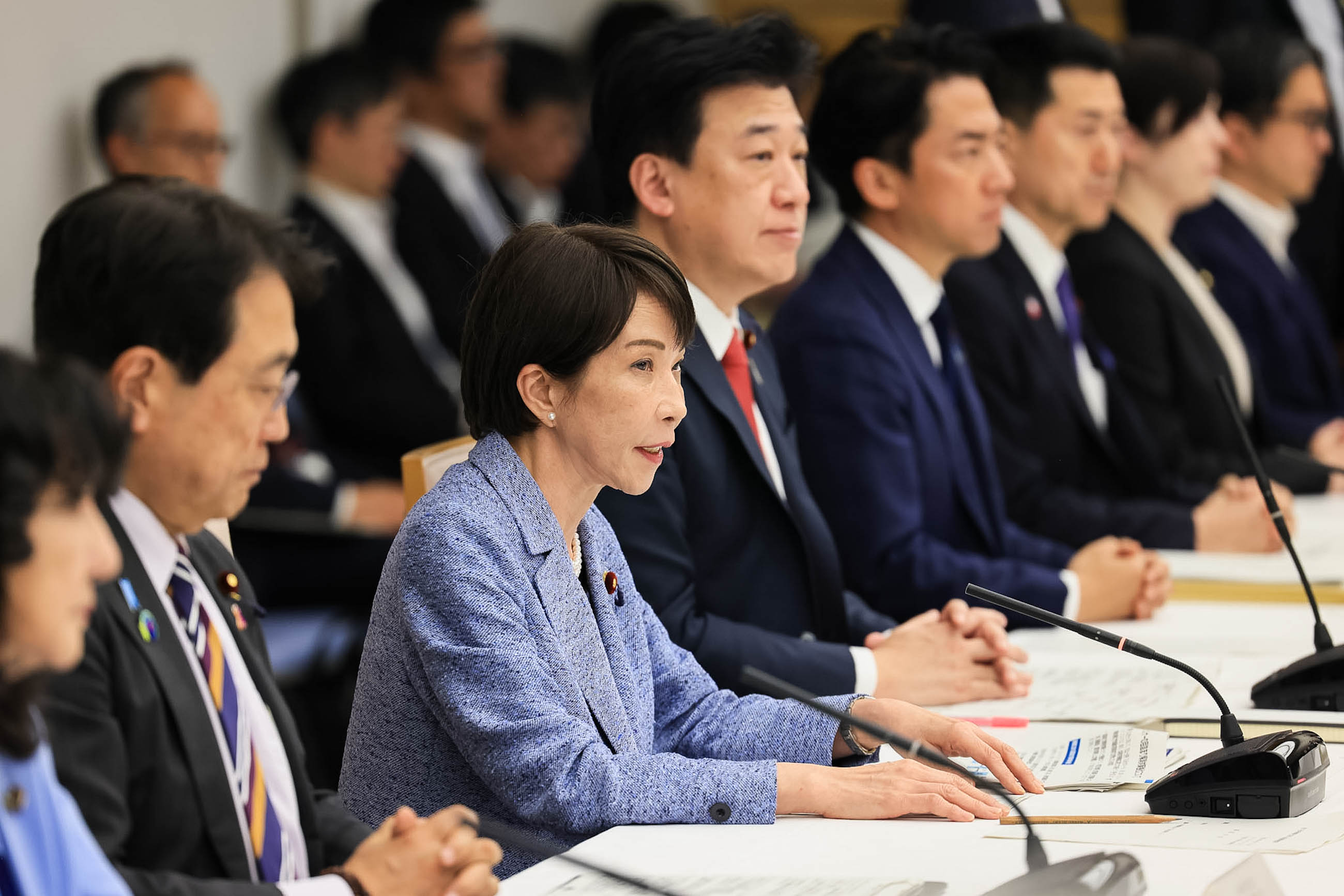
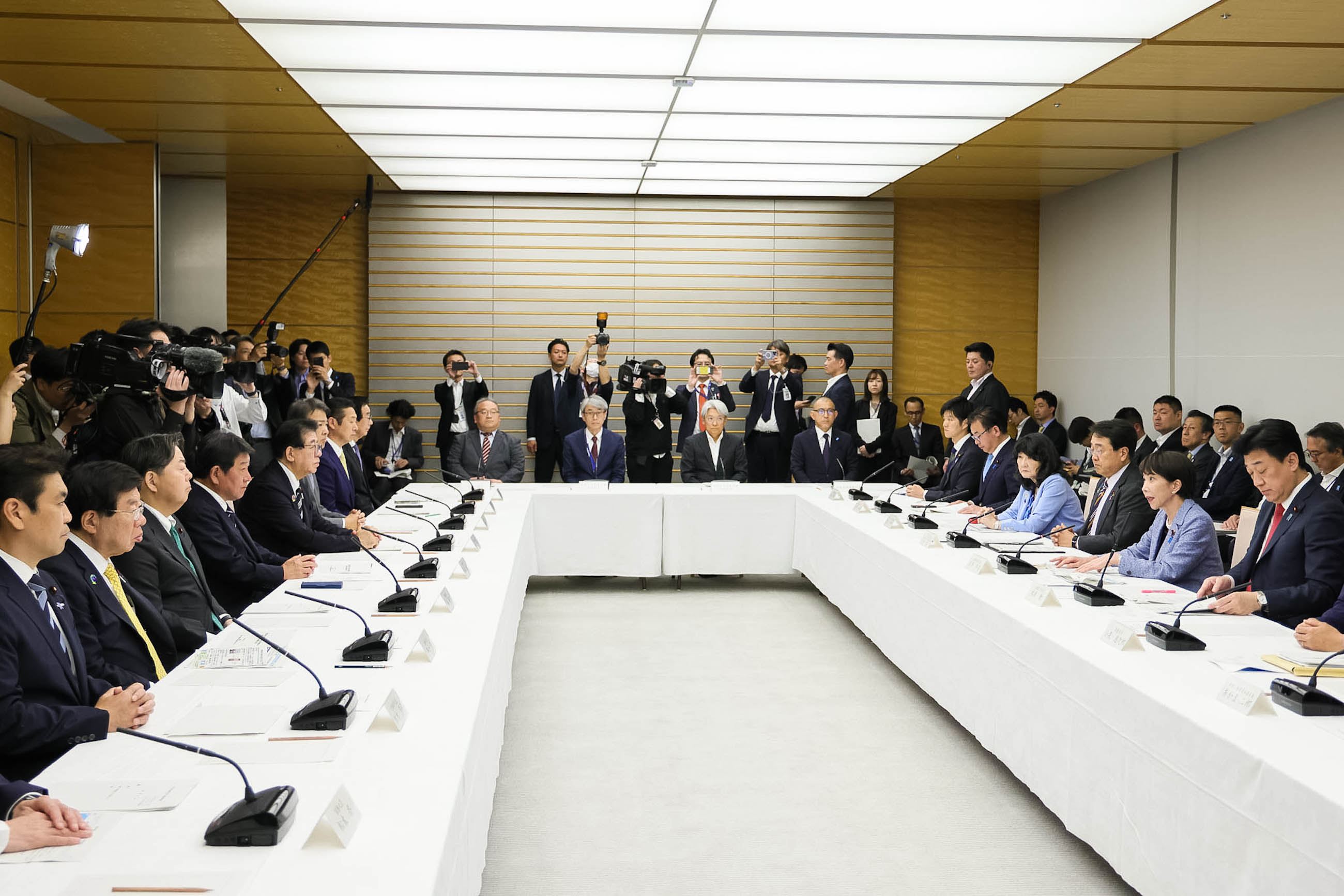
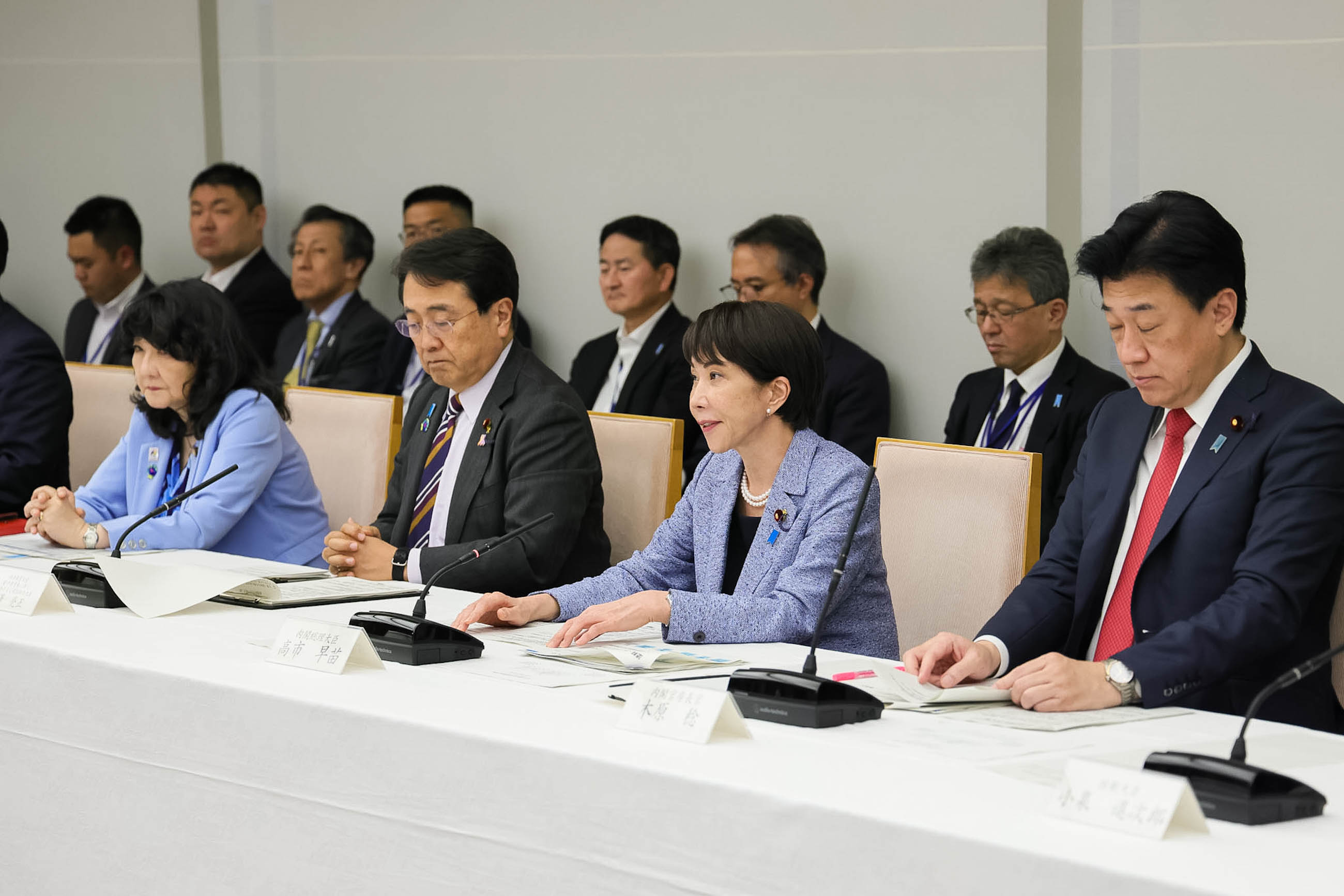
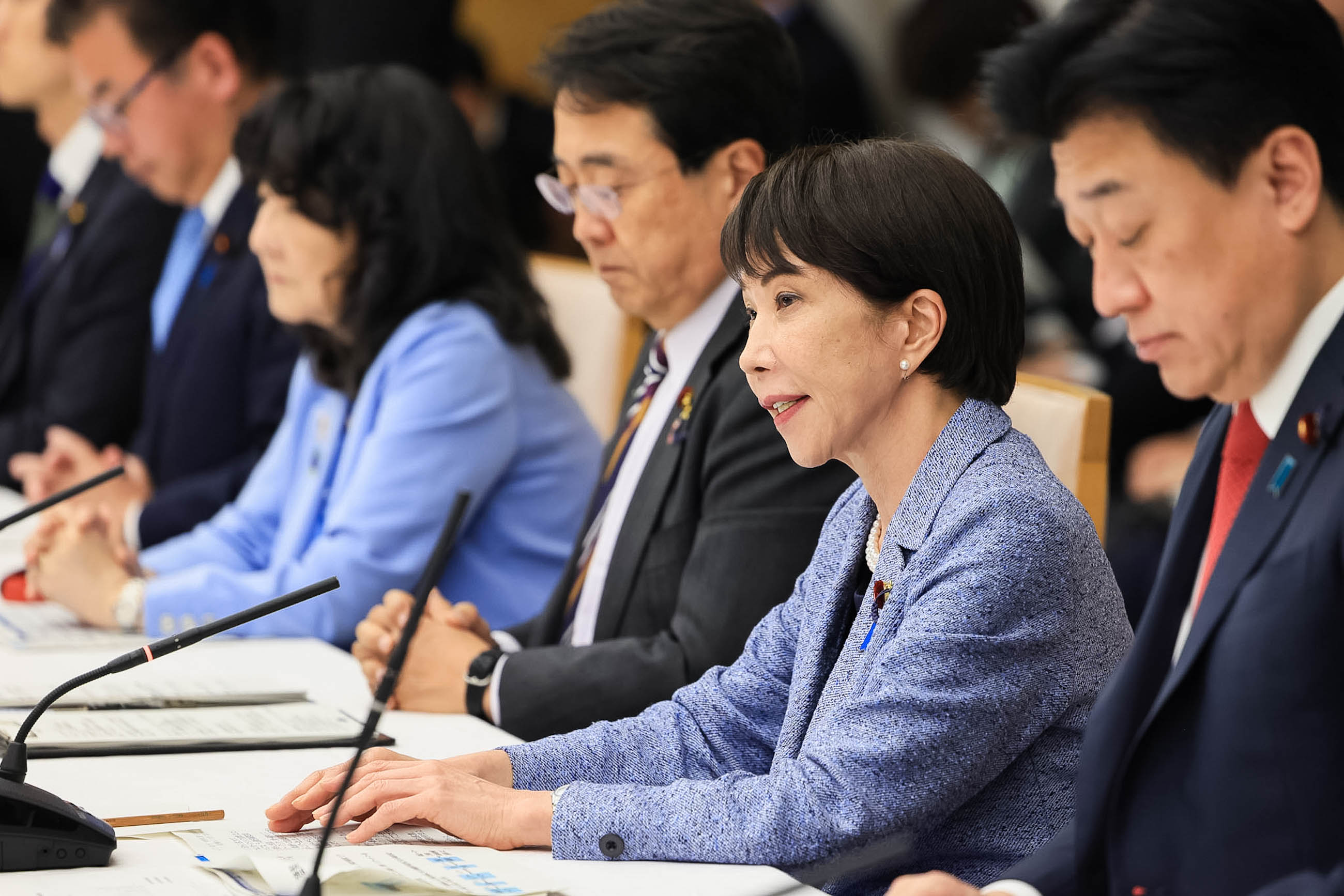
On May 12, 2026, Prime Minister Takaichi attended the seventh Ministerial Meeting on the Situation in the Middle East at the Prime Minister’s Office.
At the meeting, the participants engaged in discussions on the situation in the Middle East and related matters.
Based on the discussion, the Prime Minister stated the following.
(Prime Minister Takaichi)
Thank you all for your hard work and dedication. From May 1 to 5, I visited Viet Nam and Australia. In Viet Nam, I held meetings with General Secretary and President Lam, Prime Minister Hung, and others, and we agreed to advance financial support for crude oil procurement for the Nghi Son Refinery as the first project under “Partnership On Wide Energy and Resources Resilience Asia (POWERR Asia).” This will help maintain the supply chains of Japanese-affiliated companies while also enabling a stable supply of medical goods to Japan.
In Australia, I held a meeting with Prime Minister Albanese, and we confirmed that we will work together to ensure a stable supply of energy-related products important to both countries and, through cooperation including under POWERR Asia, strengthen the resilience of regional energy security together.
At today’s meeting, we received reports from the ministers who traveled overseas during the long holiday period.
We received a report from Minister Motegi that Japan and Angola, one of Africa’s leading oil-producing countries, had agreed to support the participation of Japanese companies in transactions for Angolan crude oil.
We also received a report from Minister Akazawa, who visited Saudi Arabia and the United Arab Emirates carrying my letter, that new areas of cooperation were agreed upon with both countries, including expanding the stable supply of crude oil to Japan, enhancing cooperation on oil stockpiling in Japan and Asia, and cooperation on alternative routes.
From Minister Suzuki, who visited Malaysia, we received a report that he had secured assurances regarding the stable supply of urea, a raw material used in fertilizer, and had also actively engaged in efforts to ensure the stable supply of naphtha and crude oil.
With regard to alternative procurement of crude oil that does not pass through the Strait of Hormuz, we currently expect that approximately 60 percent of such alternative procurement will be secured in May. For June, prospects are now in place for securing more than 70 percent through alternative procurement. In addition to the Middle East and the United States, procurement sources are expected to expand to Central Asia in May and to Africa in June, alongside Central and South America and the Asia-Pacific region, and diversification of crude oil procurement sources is steadily progressing. I ask Minister Akazawa to continue efforts to ensure that the level of alternative procurement secured for July exceeds the level secured for June.
Furthermore, in light of the progress made in alternative procurement, prospects are now in place for securing the crude oil required for June through the utilization of the volumes already decided for release from national reserves. Accordingly, we have decided not to implement a third release of national oil reserves this month. We will continue to advance alternative procurement efforts and secure the quantity required for Japan as a whole while minimizing further releases from the national reserves.
As part of our domestic measures, we continue to provide subsidies for gasoline, diesel, heavy oil, kerosene, and other fuels. This week’s average gasoline price nationwide has also been kept at around 170 yen. The Takaichi administration will continue working to ensure that the lives of the Japanese people and economic activities are not disrupted.
On the other hand, even though the quantity required for Japan as a whole has been secured, bottlenecks are currently occurring in the distribution of some goods. For example, we have heard concerns from the construction industry regarding the supply of paint thinners and coatings, housing equipment such as unit baths, insulation materials, PVC pipes, and asphalt waterproofing materials. With regard to these goods, we have confirmed that manufacturers are capable of supplying them at levels comparable to the previous year.
Among these goods, with regard to paint thinners and coatings, as well as housing equipment, we have identified the causes of bottlenecks further along the distribution process and are steadily working to resolve them.
With regard to lubricants, through industry associations, we are calling on major users, including automobile repair shops, automotive goods retailers, and parts manufacturers, as well as lubricant wholesalers, to cooperate by maintaining purchase volumes at the same level as the same month of the previous year.
With regard to AdBlue, which is used to reduce emissions from diesel vehicles, we are also conducting outreach to automobile transport operators and repair shops, encouraging them to consult early before procurement difficulties arise and to base procurement on volumes equivalent to those of the same month of the previous year.
I ask Minister Kaneko and Minister Akazawa to take every possible measure to resolve these distribution bottlenecks as quickly as possible.
We have also confirmed that raw materials used in inks for food packaging materials can be supplied at levels comparable to the previous year.
As I requested of the relevant ministers at the previous ministerial meeting, we are advancing efforts to inform the relevant industries, as outlined in the materials before you, that the supply of chemical products derived from crude oil and naphtha can continue beyond the end of the year, and to encourage procurement based on volumes equivalent to those of the same month of the previous year.
In the medical field, which is directly linked to the lives of the Japanese people, bottlenecks in the distribution of items such as cleaning agents for ECMO (extracorporeal membrane oxygenation) equipment and cleaning agents for guidewires used in endovascular treatment devices have also now been resolved.
With regard to the 50 million medical gloves scheduled for release beginning in May, we will start accepting requests from medical institutions during the week of May 18. Thereafter, deliveries to medical institutions that have submitted requests will begin as promptly as possible. Please be assured that the government maintains an additional stockpile of 440 million medical gloves available for further release if necessary.
At the same time, as outlined in the materials before you, we are working to resolve distribution bottlenecks by securing the heavy oil needed for tea production in Shizuoka Prefecture and Mie Prefecture, which are entering the first tea harvest season, as well as for cooking operations at school lunch centers.
As in the case of paint thinners and coatings, even where manufacturers are capable of supplying goods at levels comparable to the previous year, bottlenecks may still arise in the distribution process from midstream to downstream sectors. I ask the relevant ministers not only to confirm supply conditions at upstream manufacturers, but also to carefully and proactively assess conditions in the midstream and downstream sectors through coordination among regional bureaus, including regional offices of the Ministry of Economy, Trade and Industry and regional development bureaus, as well as through information gathering in cooperation with local governments, and to work swiftly to resolve any bottlenecks. My new request today is that we thoroughly address conditions from the downstream side as well. Thank you for your continued cooperation. That is all.