


[Provisional translation]
Based on the discussion, the Prime Minister stated:
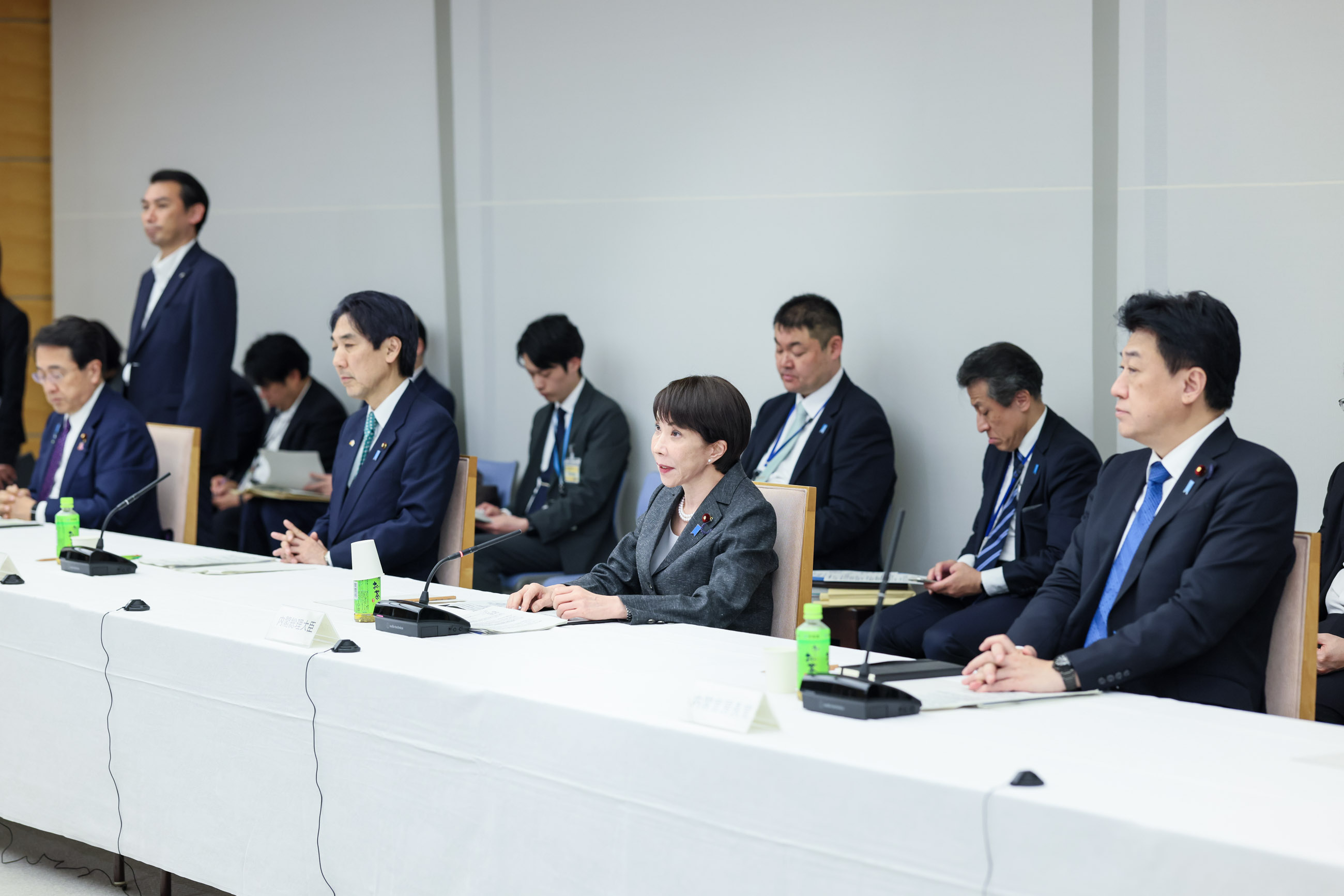
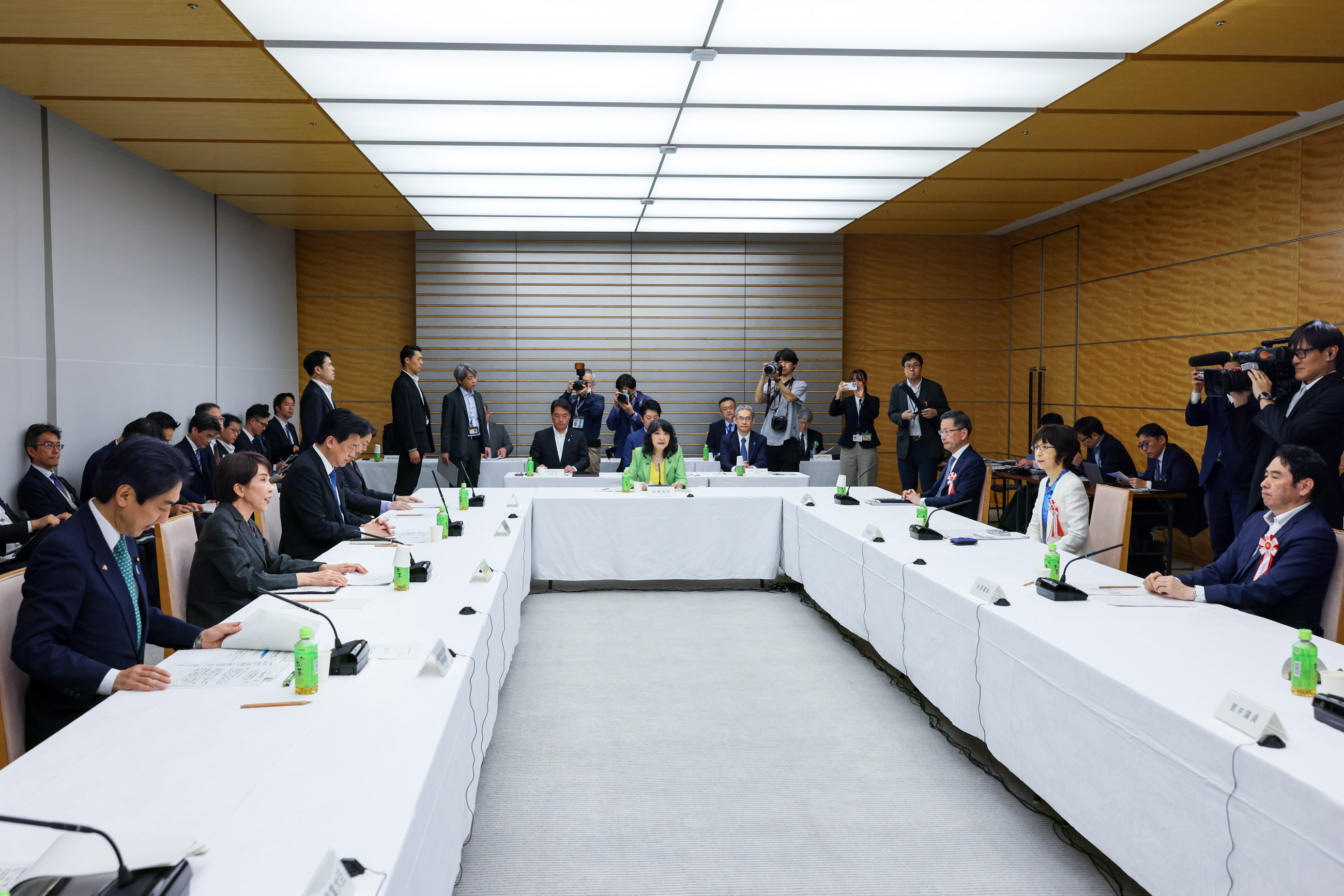
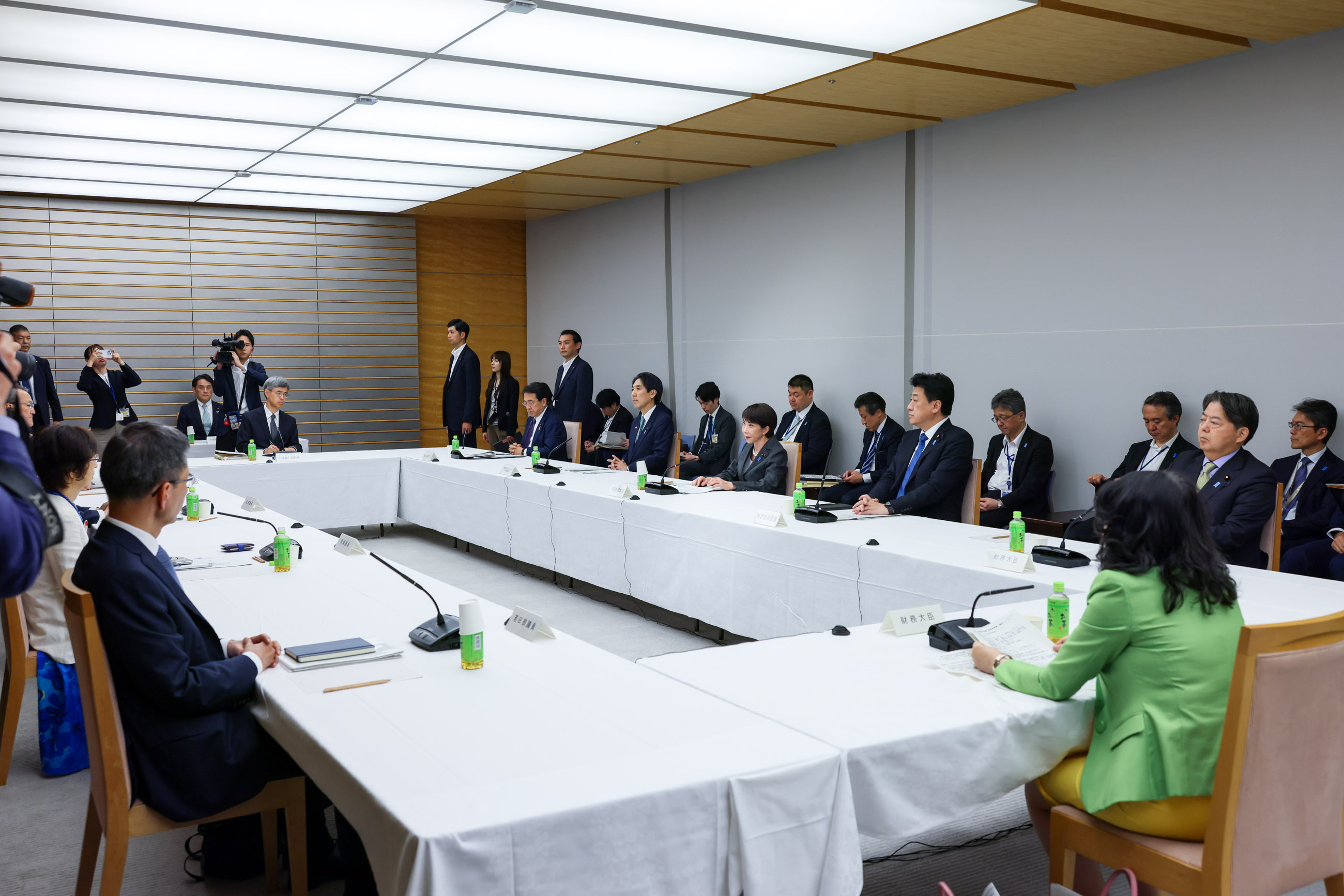
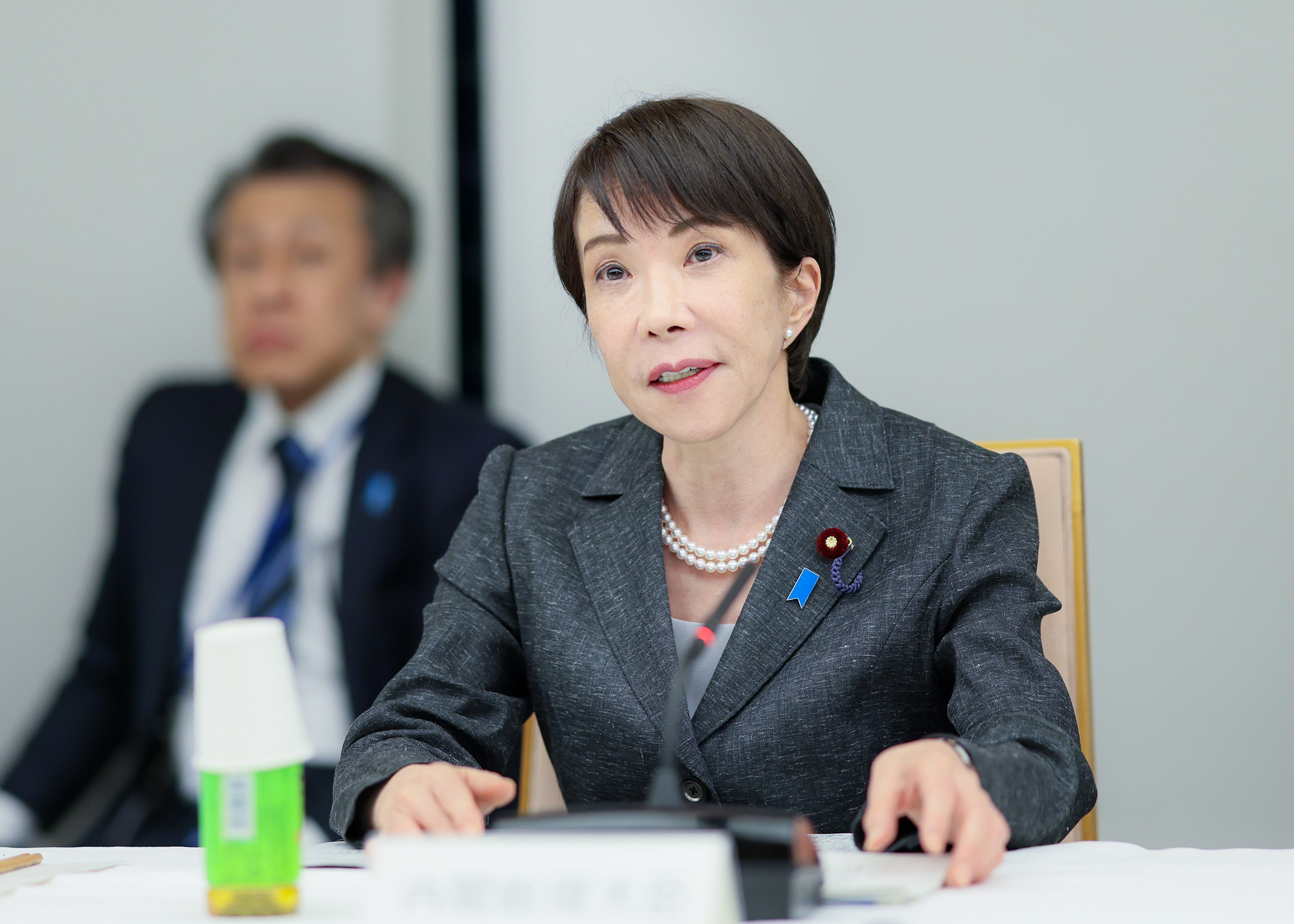
“Thank you all for attending. Today, we first exchanged views on macroeconomic management.
We received from experts proposals regarding wage increases and the economy, including that we should continue efforts to improve the environment for wage increases in order to sustain the momentum for wage growth and extend its effects to regional areas and small and medium-sized enterprises; that we should continue making appropriate revisions to wages and labor cost rates in the public sector; and that we should also work to improve the dissemination of wage statistics with due consideration for user convenience.
We also received proposals that, in order to mitigate risks arising from the situation in the Middle East, we should work to mitigate and resolve supply shocks while taking demand trends into consideration; strive to provide appropriate information regarding the securing of sufficient quantities and the stable supply of crude oil and critical goods; appropriately support smooth transactions and the financing needs of businesses associated with rising prices; and promote crisis-management investments in energy security wherever possible ahead of schedule, while working to maintain and strengthen supply chains through cooperation between the public and private sectors and with like-minded countries. Taking these proposals into account as well, I ask Minister Kiuchi to continue working in cooperation with the relevant ministers to ensure that every possible measure is taken to improve the environment for wage increases so that momentum for wage growth will spread more broadly.
I also ask Minister Akazawa to continue working in cooperation with the relevant ministers to prevent bottlenecks in supply chains. The Government will continue to closely monitor the impact of the situation in the Middle East on the Japanese economy and will take any necessary policy measures in response to developments in the situation.
Next, we exchanged views on ensuring confidence in public finances. We received proposals from experts that, in order to secure market confidence, it is important not only to set targets for fiscal management but also to present fiscal conditions continuously and in a mutually complementary manner using multiple indicators, and that the effectiveness of fiscal analyses incorporating future uncertainties should be examined as an analytical approach. We will make use of these proposals in future fiscal management.
With a view to formulating the forthcoming Basic Policy on Economic and Fiscal Management and Reform, I ask Minister Kiuchi, based on the ‘Basic Principles for Fundamentally Revising the Approach to Budget Formulation’ discussed at the Council on Economic and Fiscal Policy on April 13, to prepare estimates showing projected growth in domestic investment under Japan’s growth Strategy, GDP growth, contributions to increases in tax revenues, and the outlook for the debt-to-GDP ratio. On that basis, while coordinating closely with Minister Katayama, please organize the direction for a new basic policy on budget formulation and for concretizing responsible and proactive public finances, discuss them at the Council on Economic and Fiscal Policy, and compile them in a form to be reflected in the Basic Policy on Economic and Fiscal Management and Reform.
I ask Minister Katayama, based on these arrangements and the discussions at the Council on Economic and Fiscal Policy, to closely coordinate with Minister Kiuchi and the other relevant ministers and carefully examine the scale of fiscal expenditures that can be sustained while steadily reducing the government debt-to-GDP ratio. On that basis, please proceed with consideration of concrete measures for budget formulation reform, including the creation of a new investment framework, such as mechanisms to manage funds separately on a multi-year basis for use in areas including strategic investments that enhance resilience against potential crises and investments that promote growth. In addition, please make use of the so-called ‘Japanese version of DOGE’ initiatives and work to improve the quality of fiscal management through the review and reassessment of special tax measures and subsidies, greater prioritization and efficiency in existing expenditures, and strengthened verification of policy effectiveness. That is all. Thank you very much.”