


[Provisional translation]
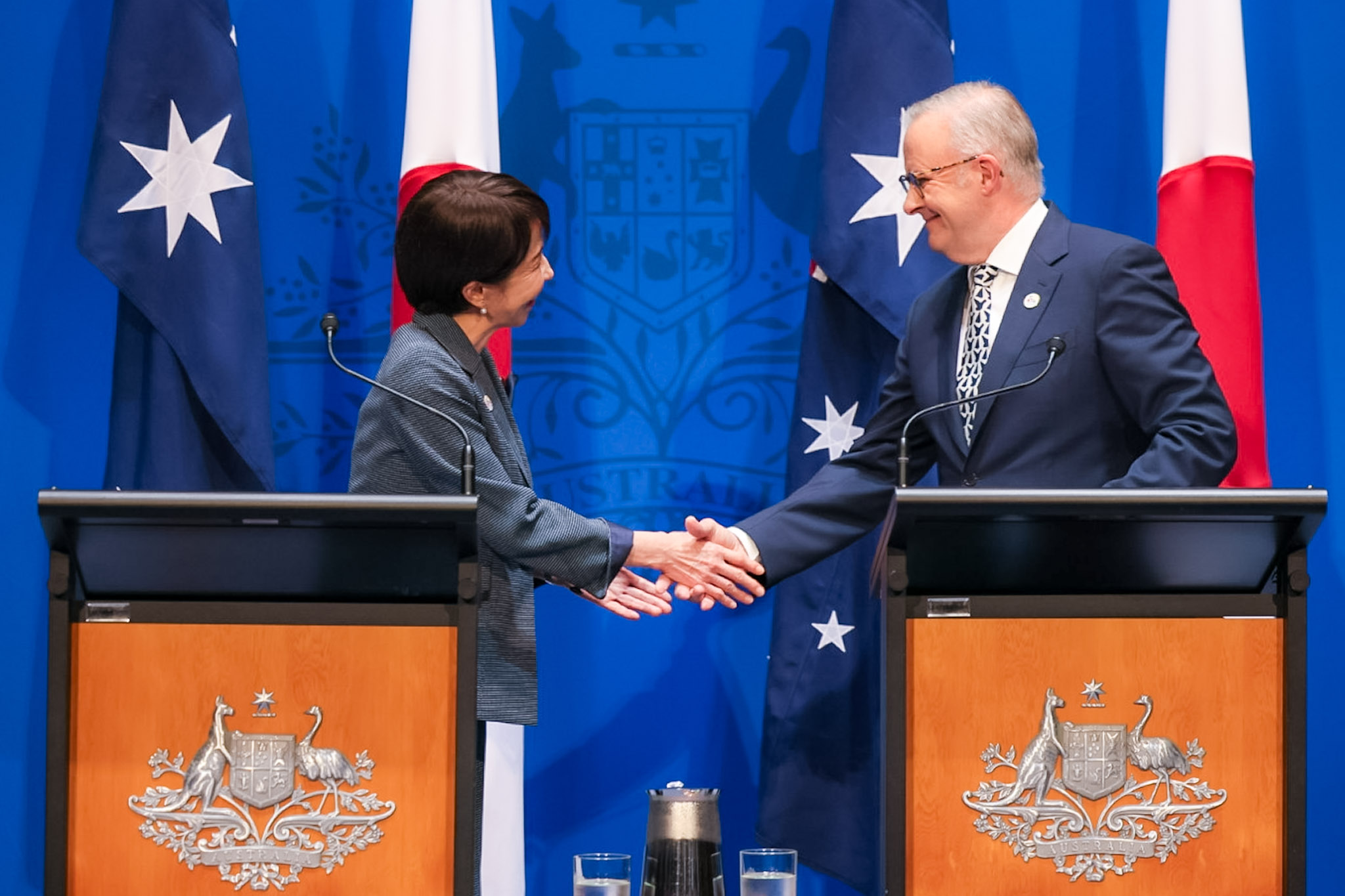
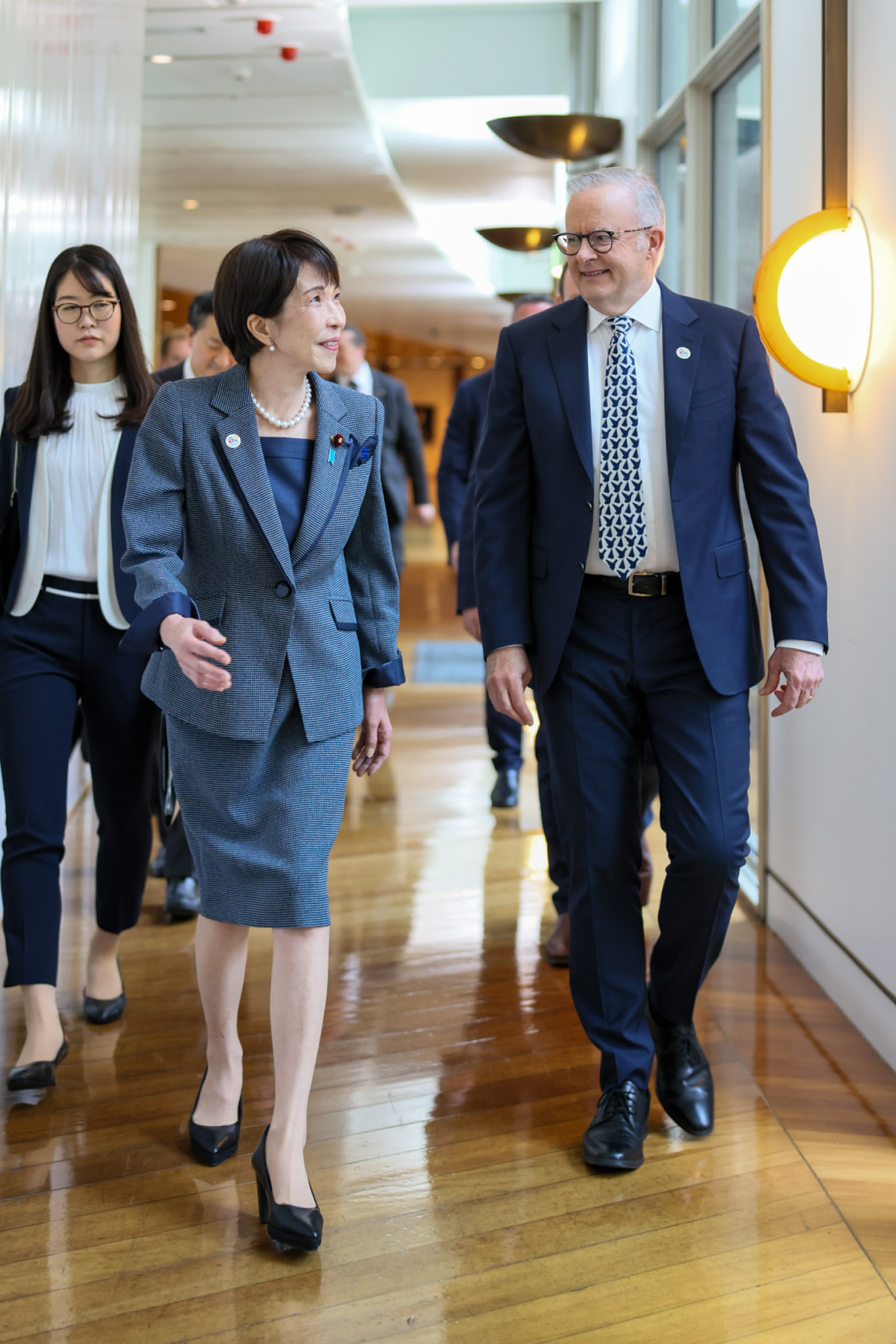
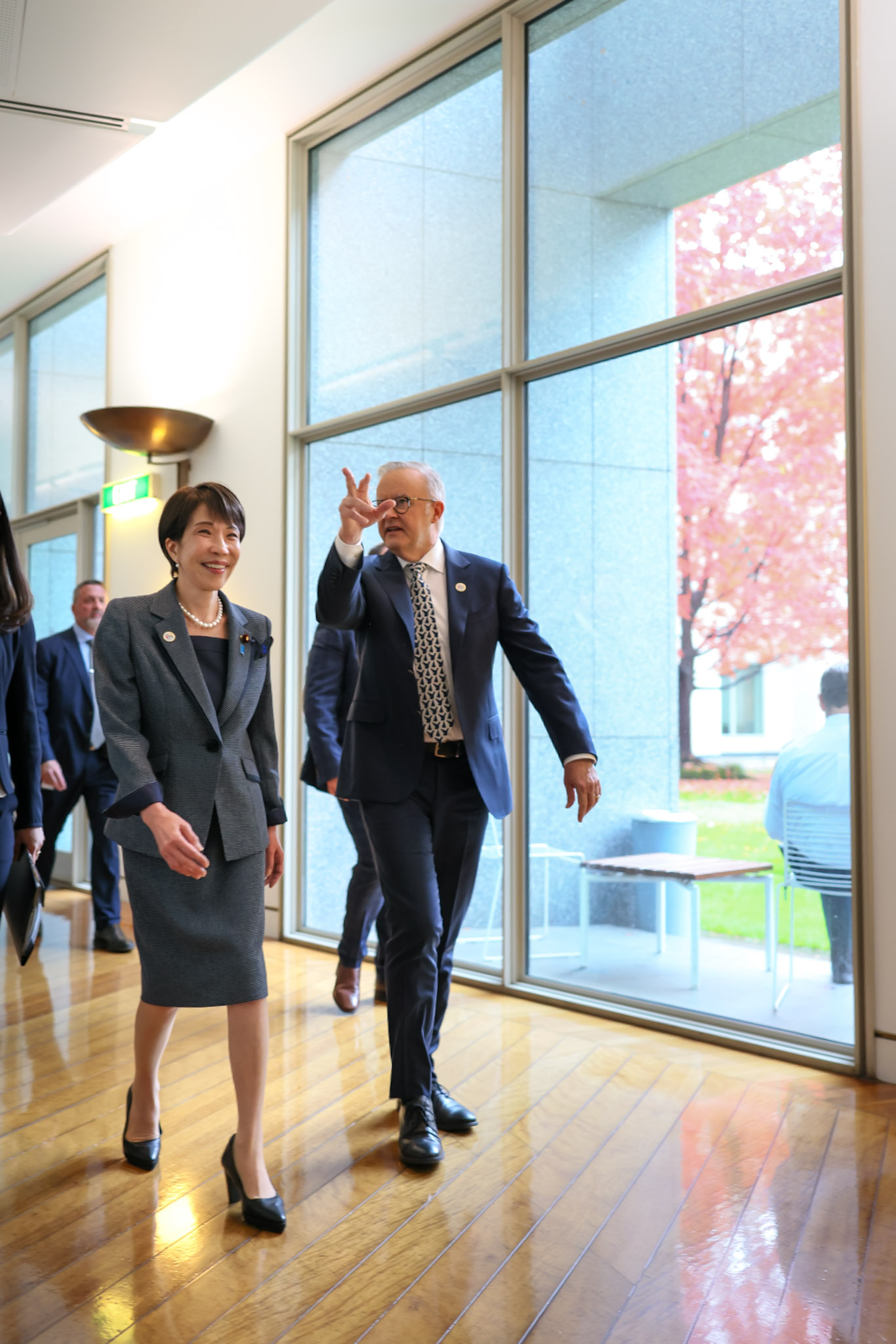
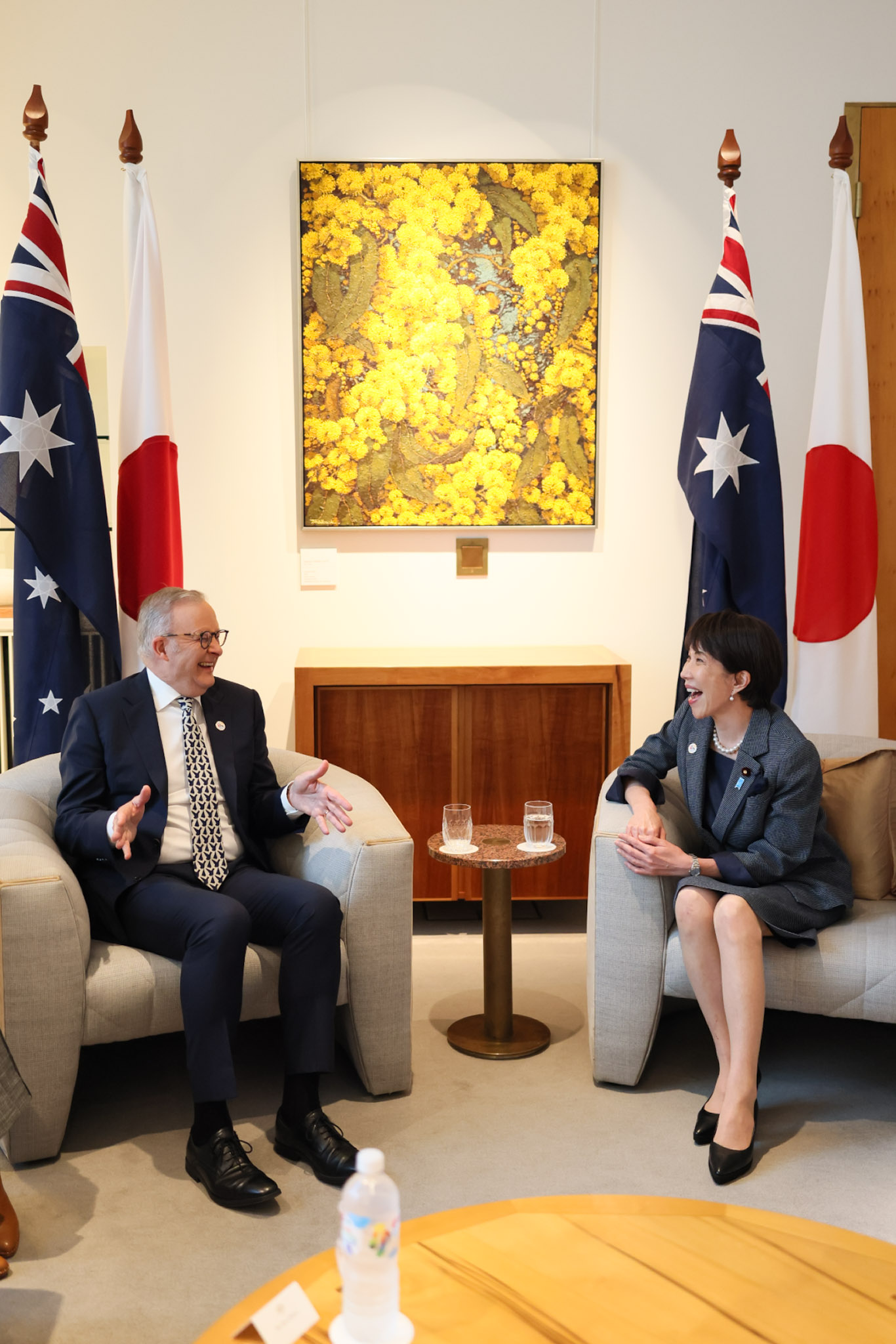
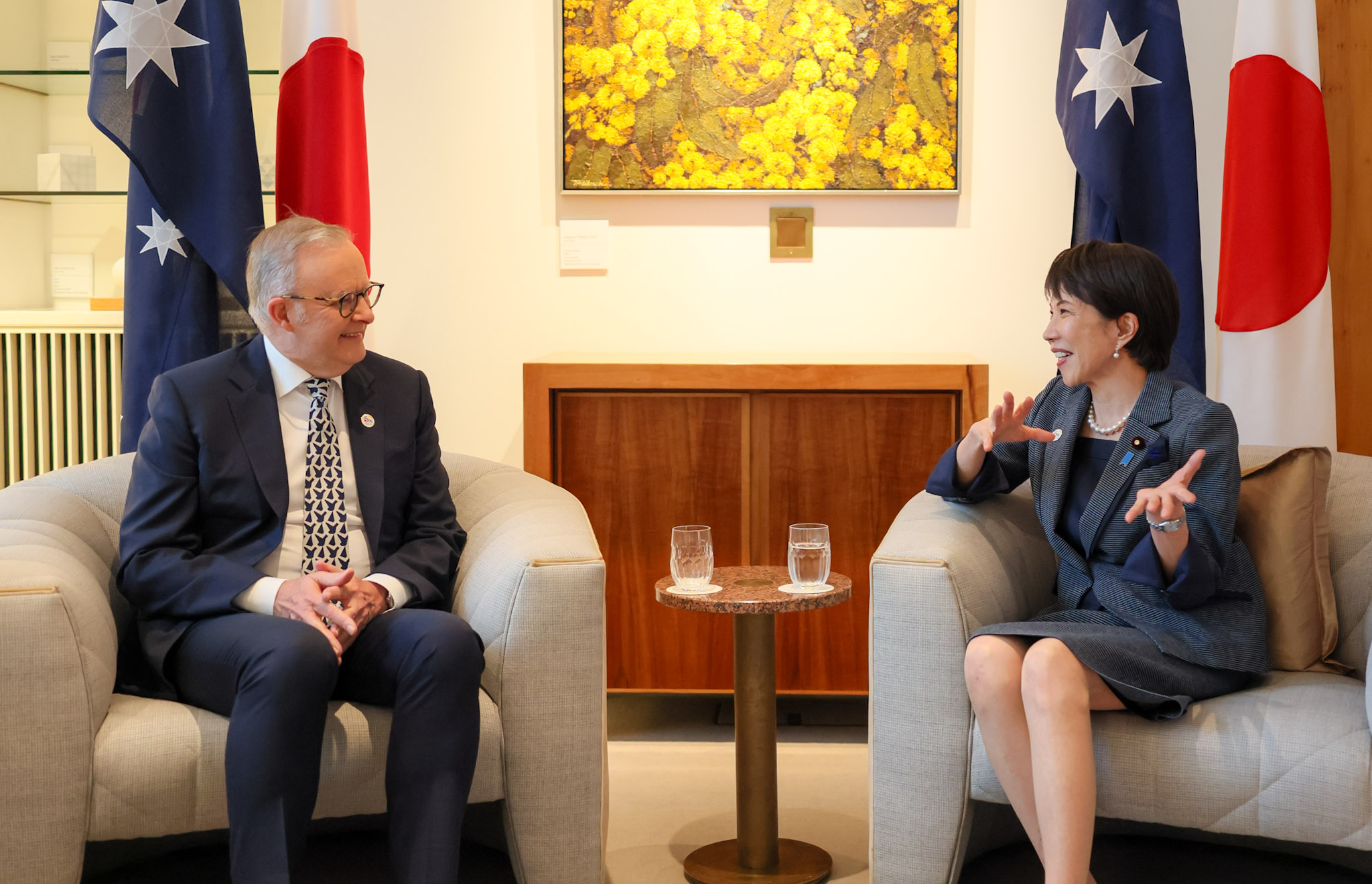
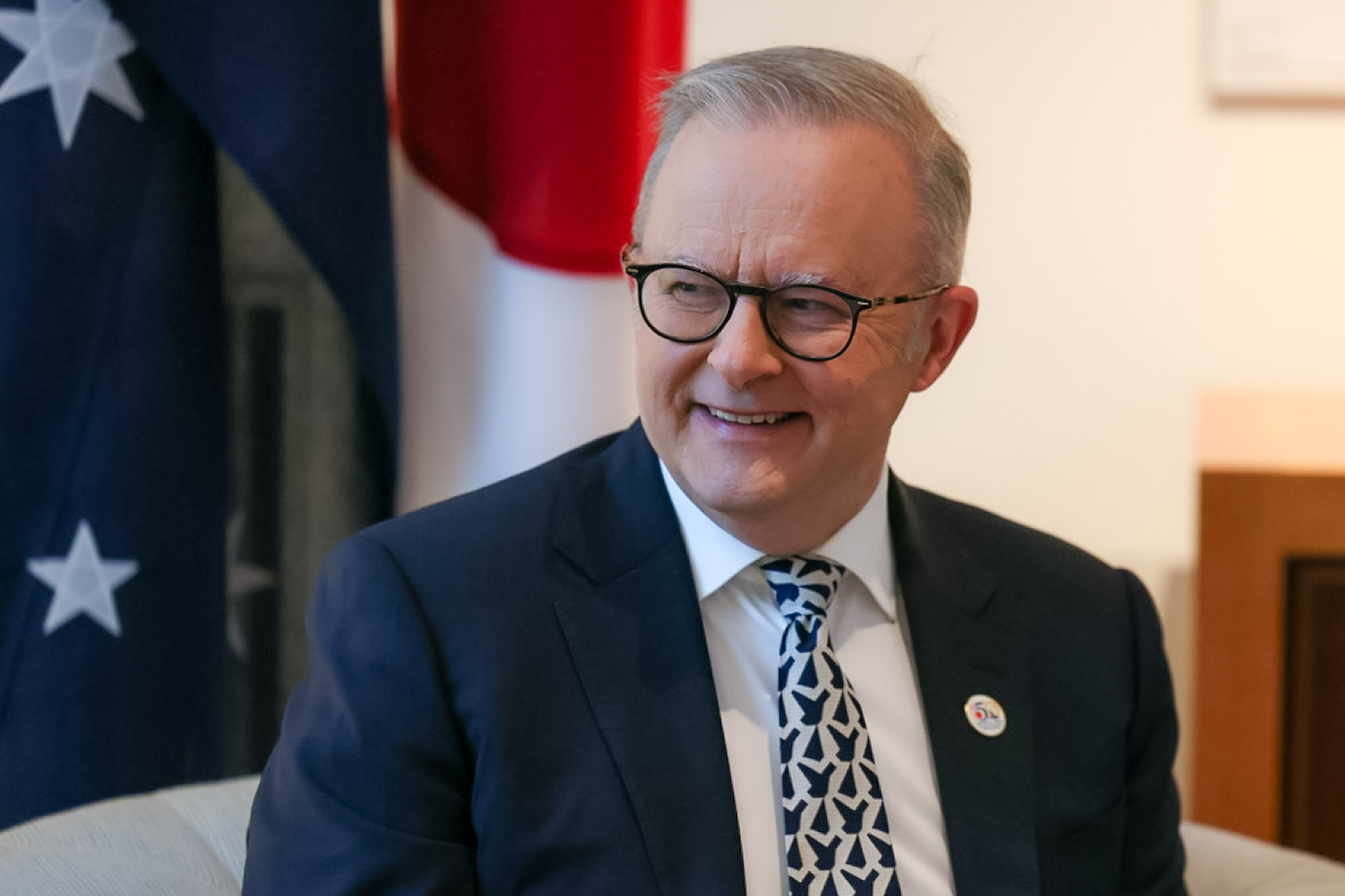
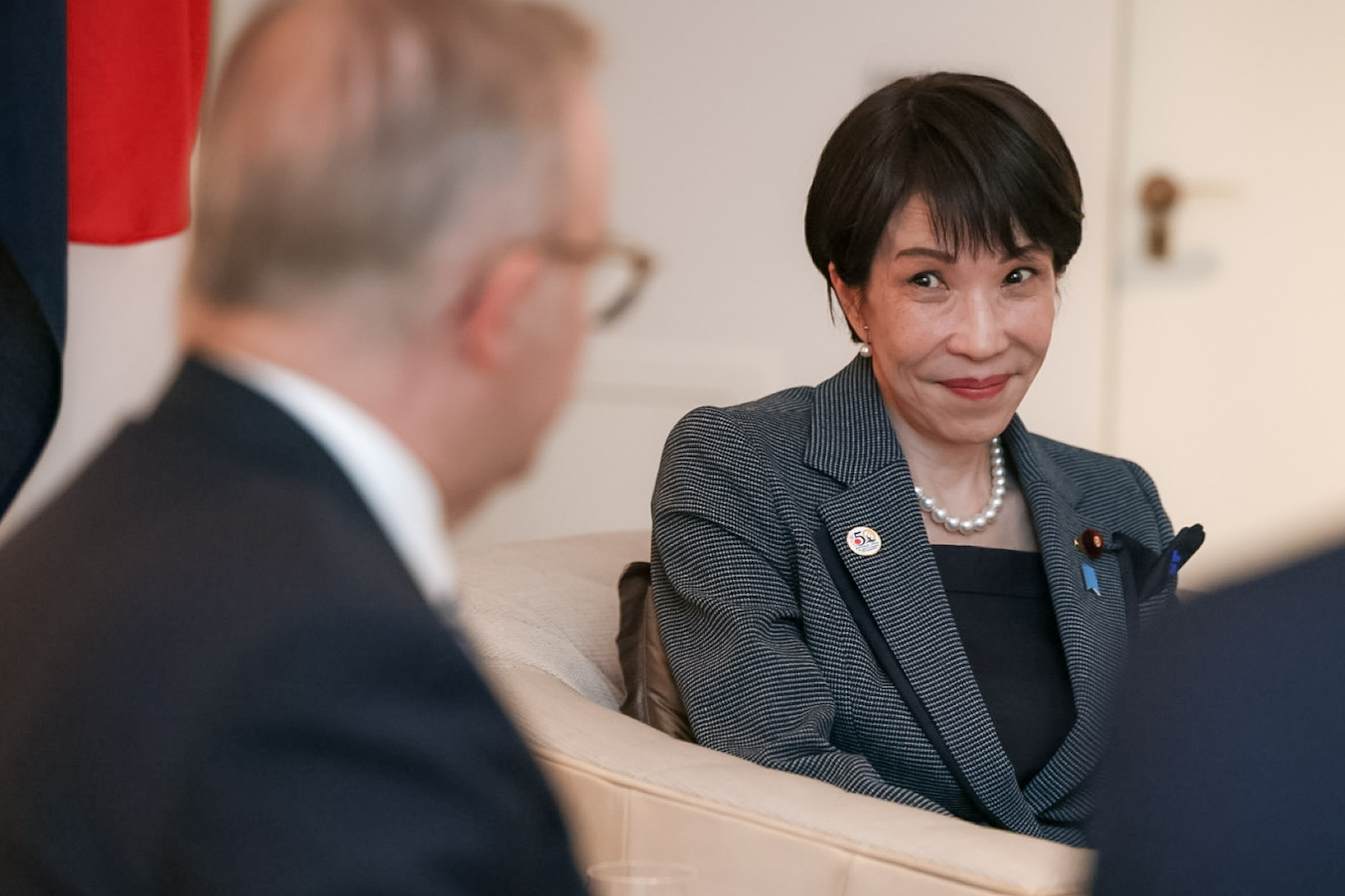
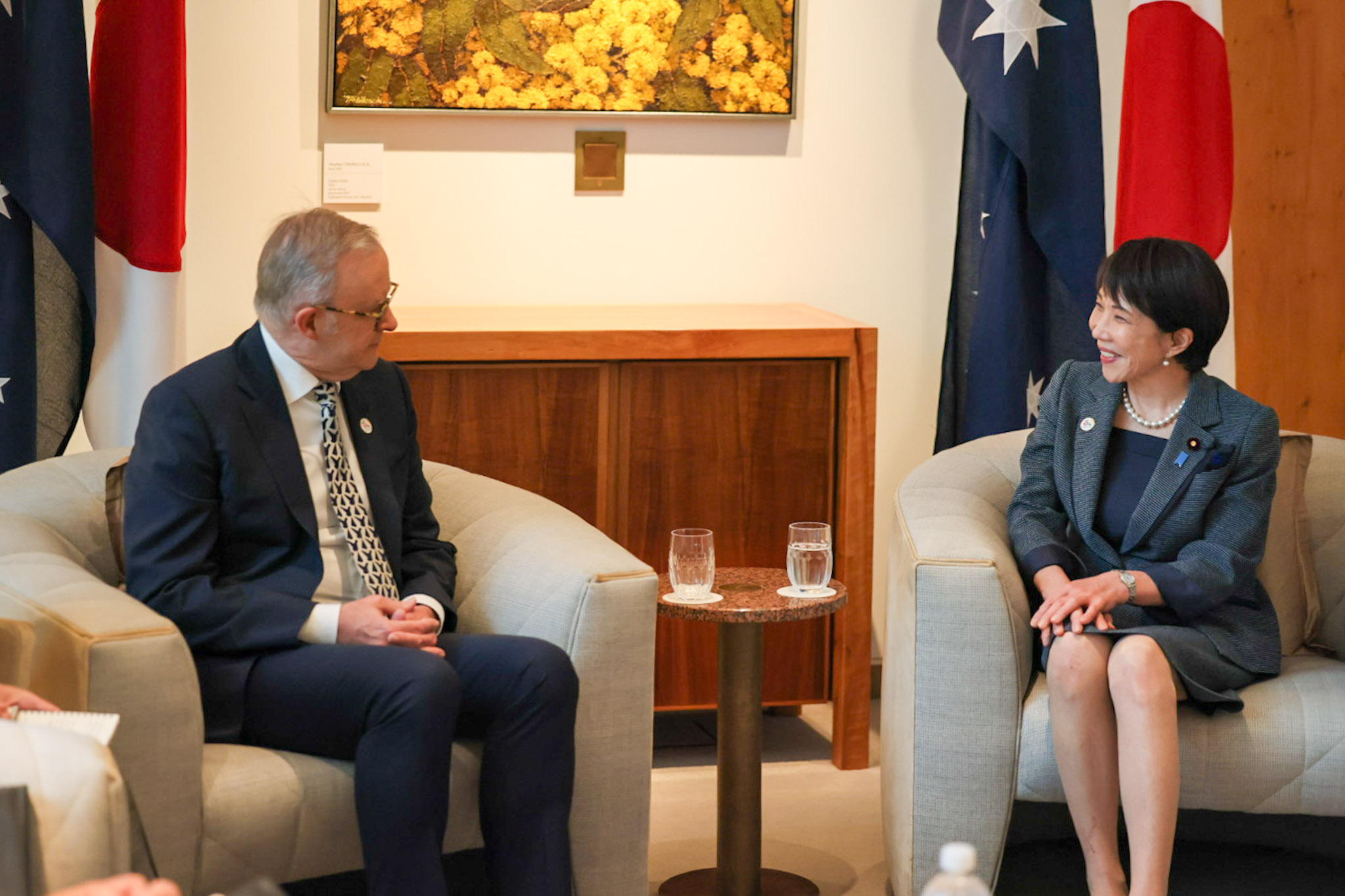
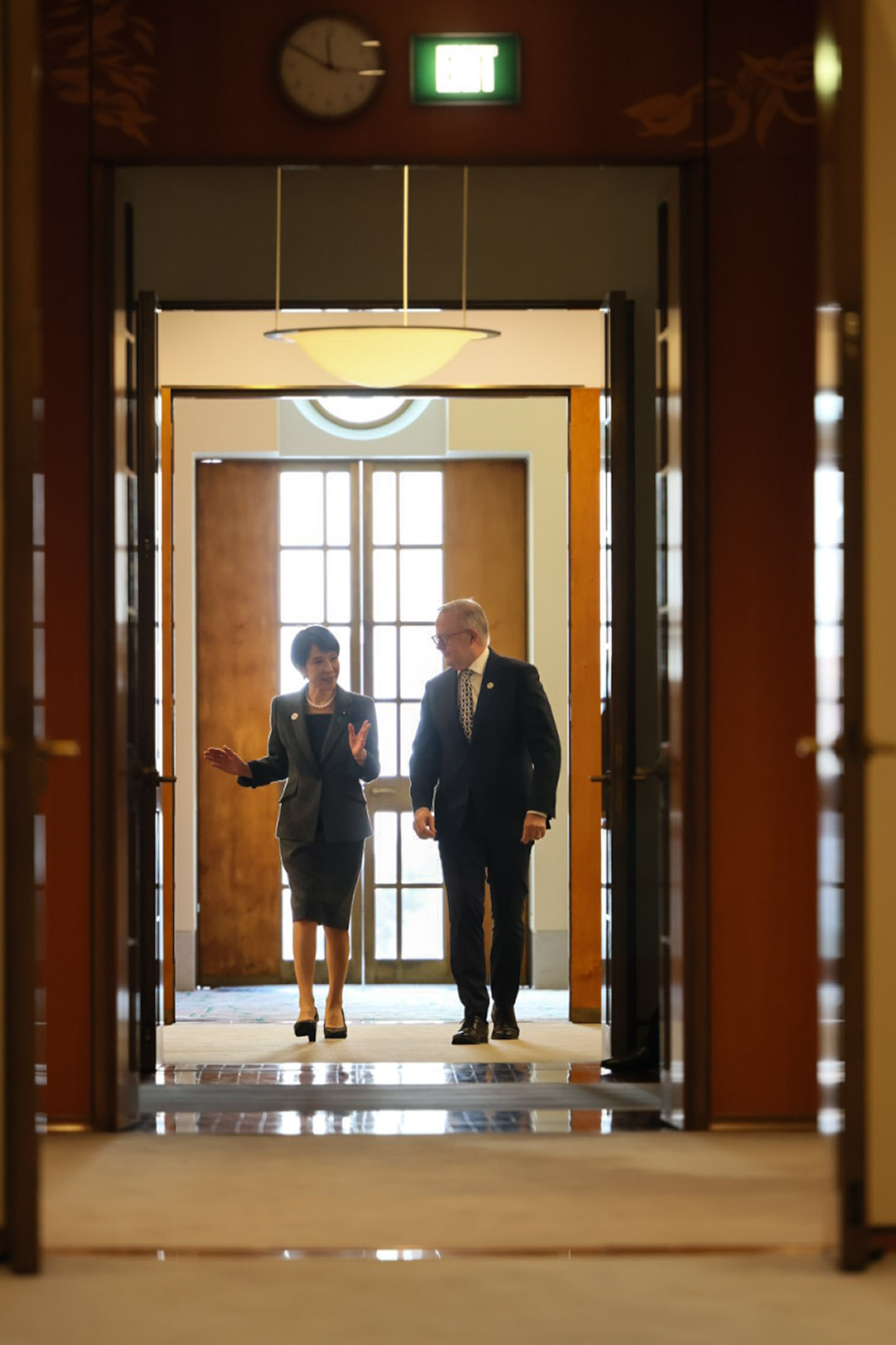
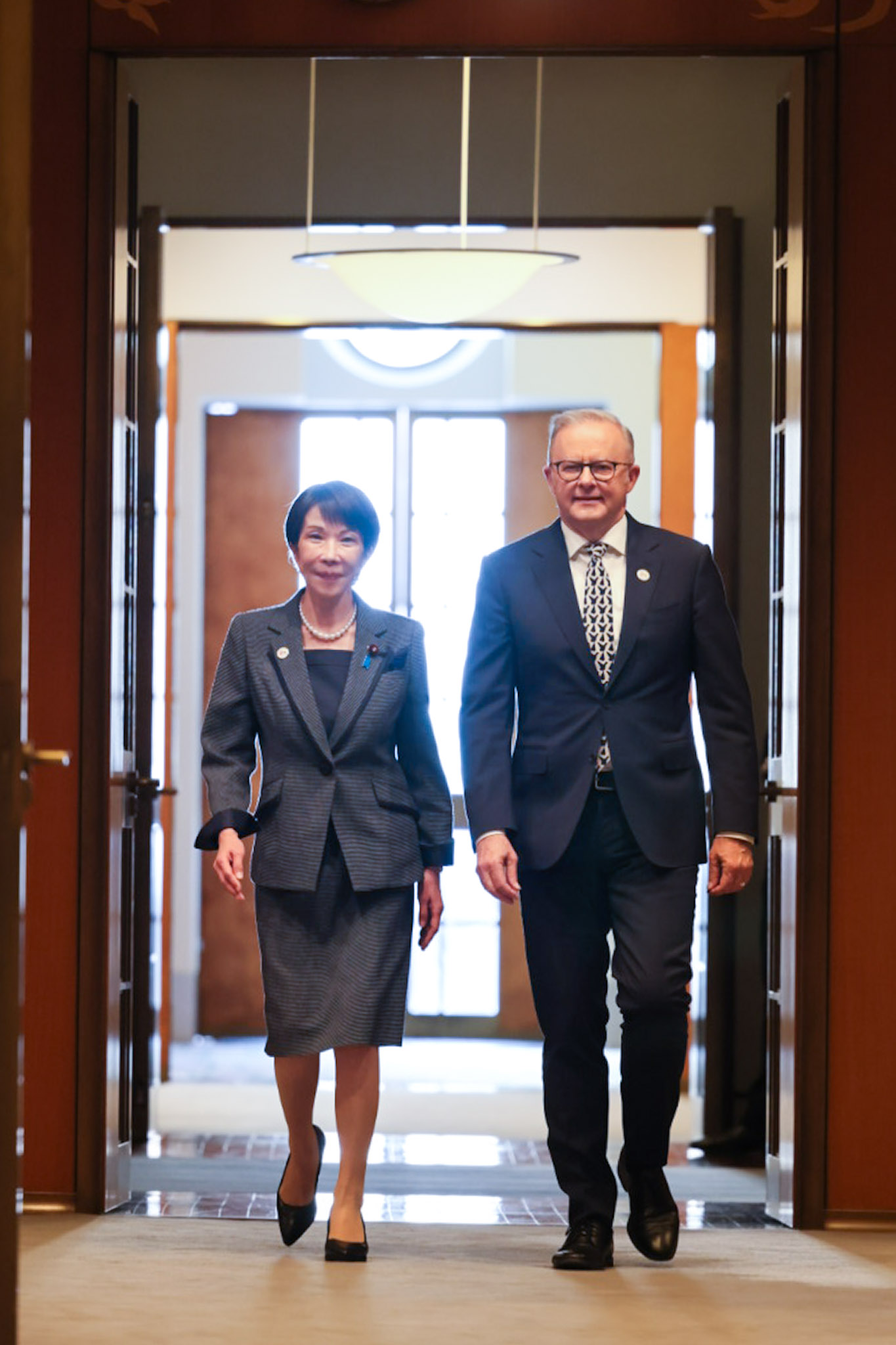
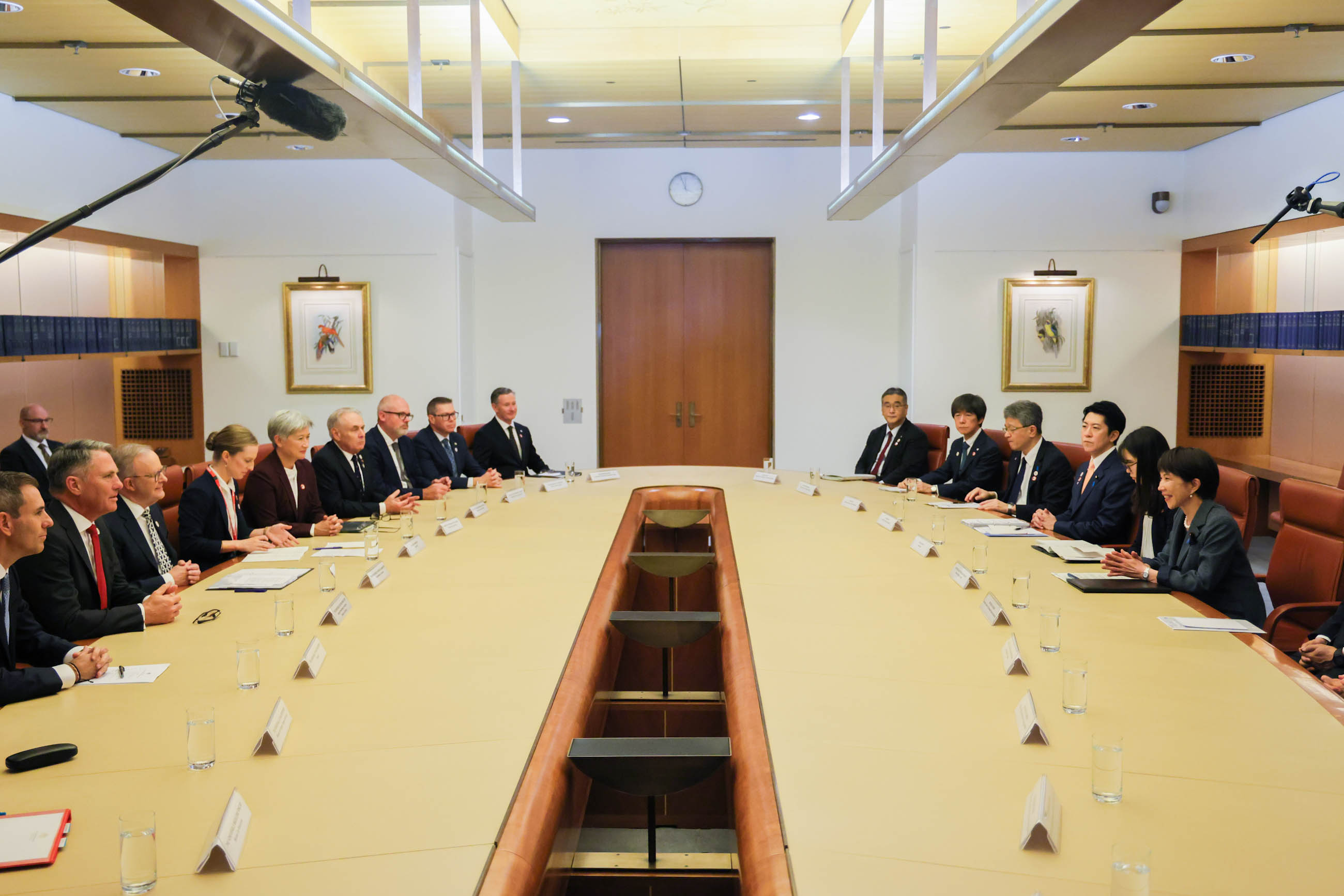
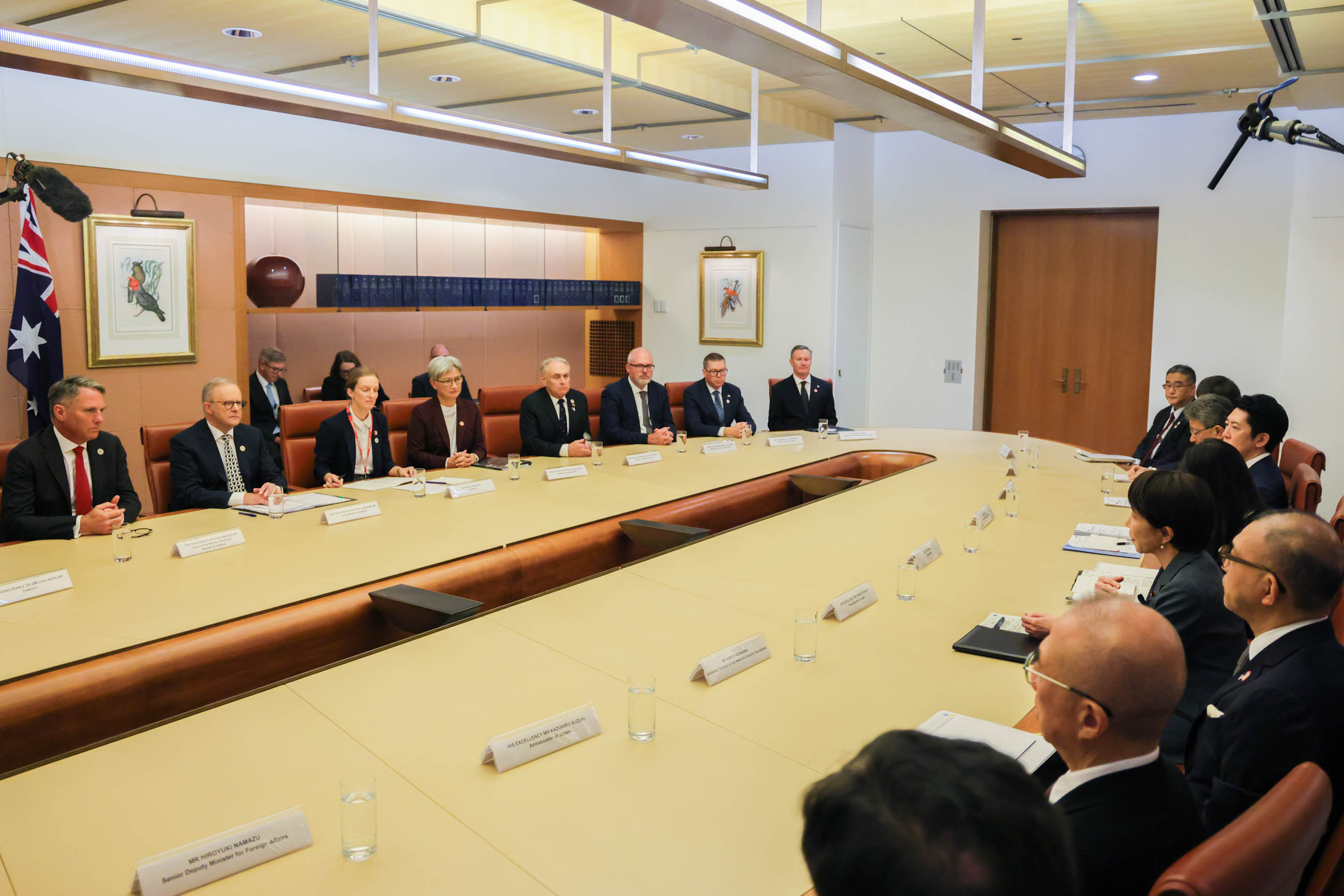
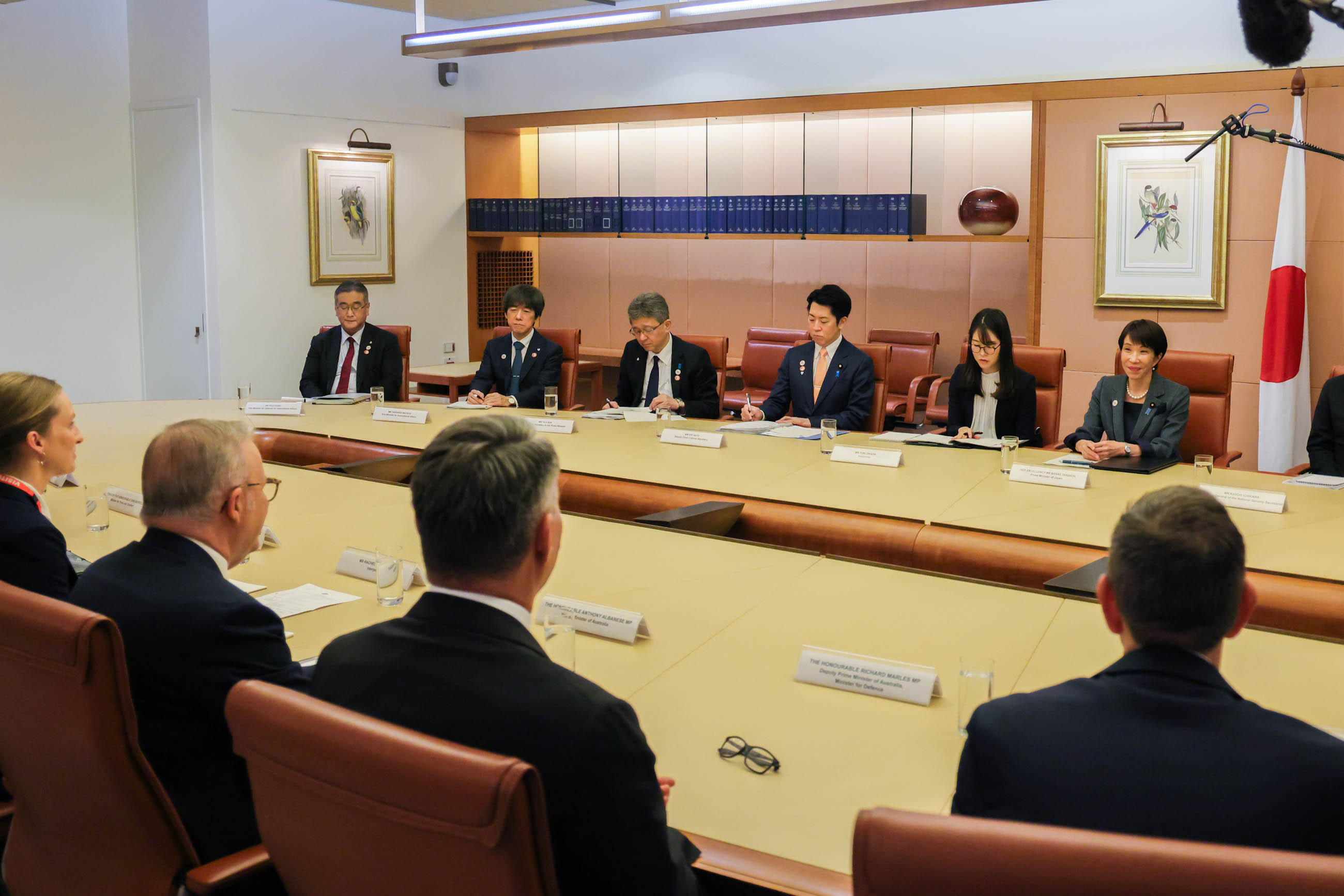
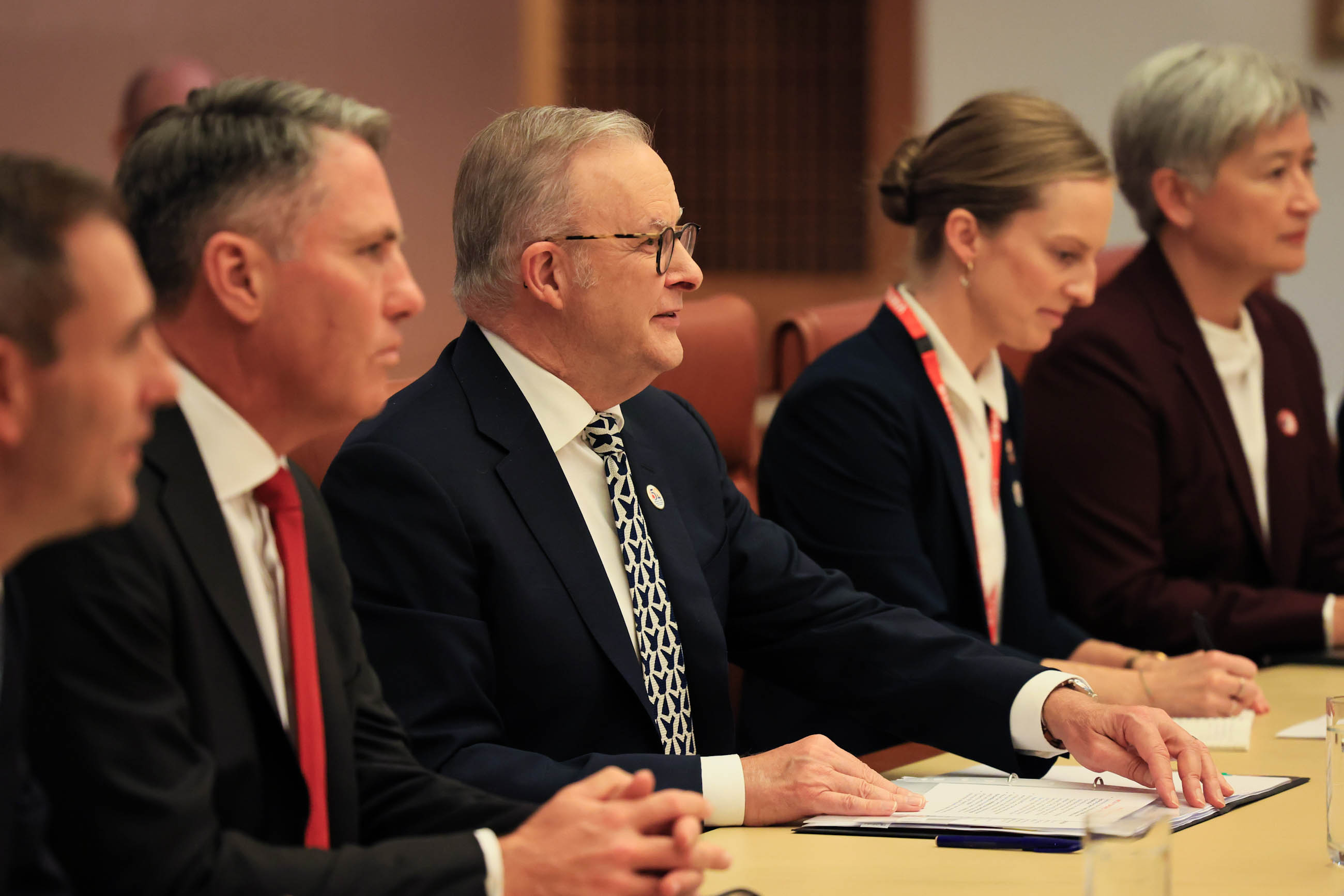
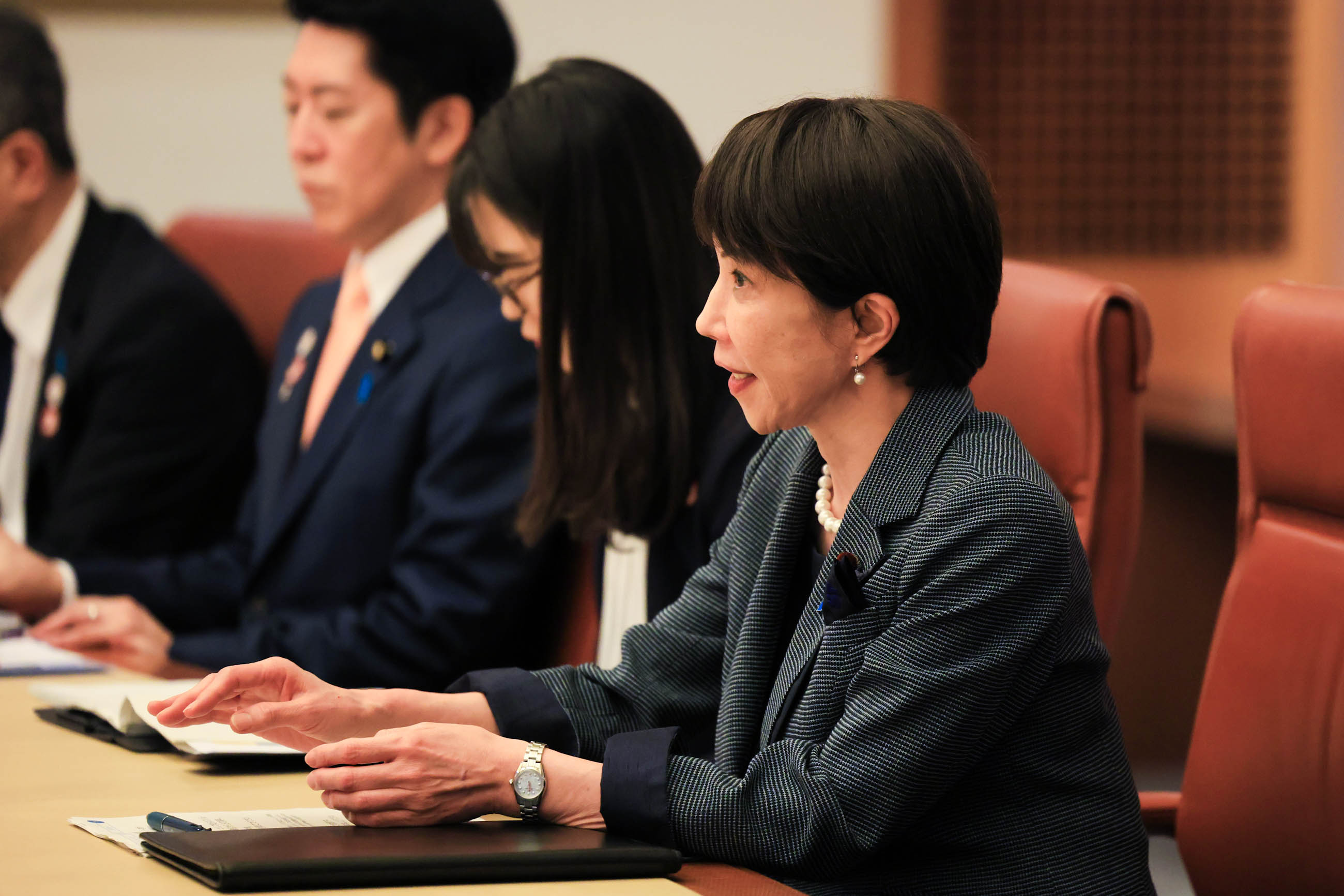
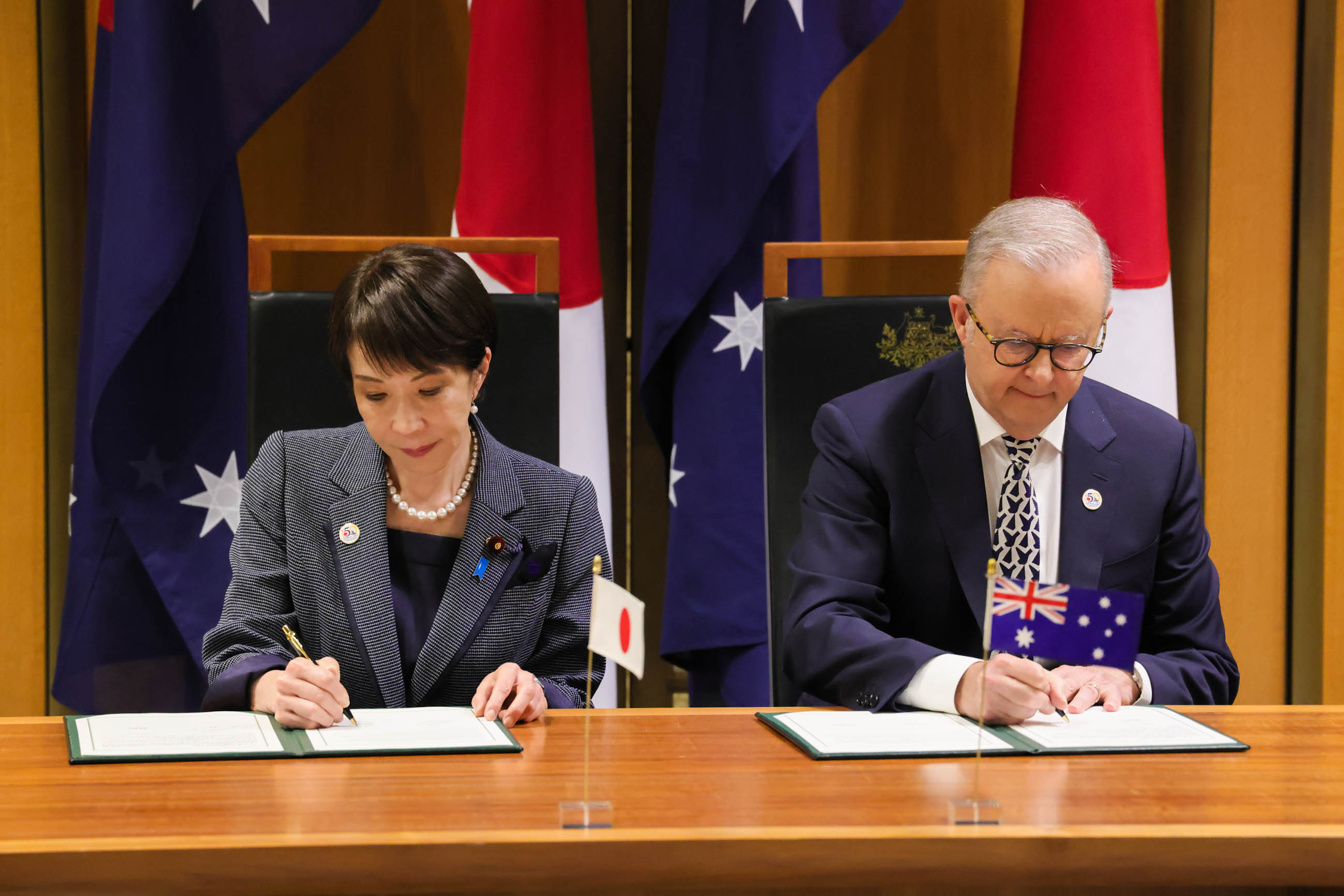
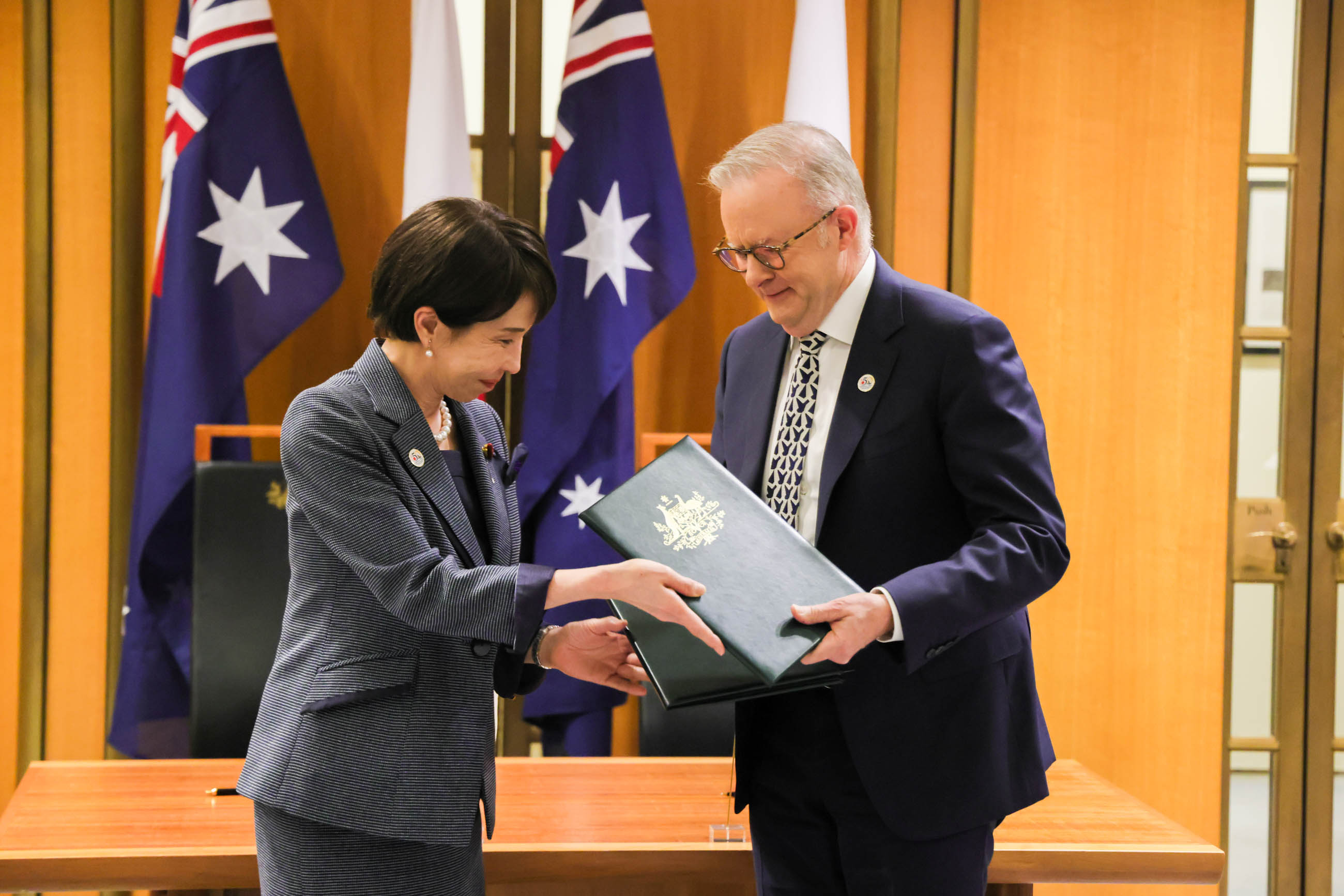
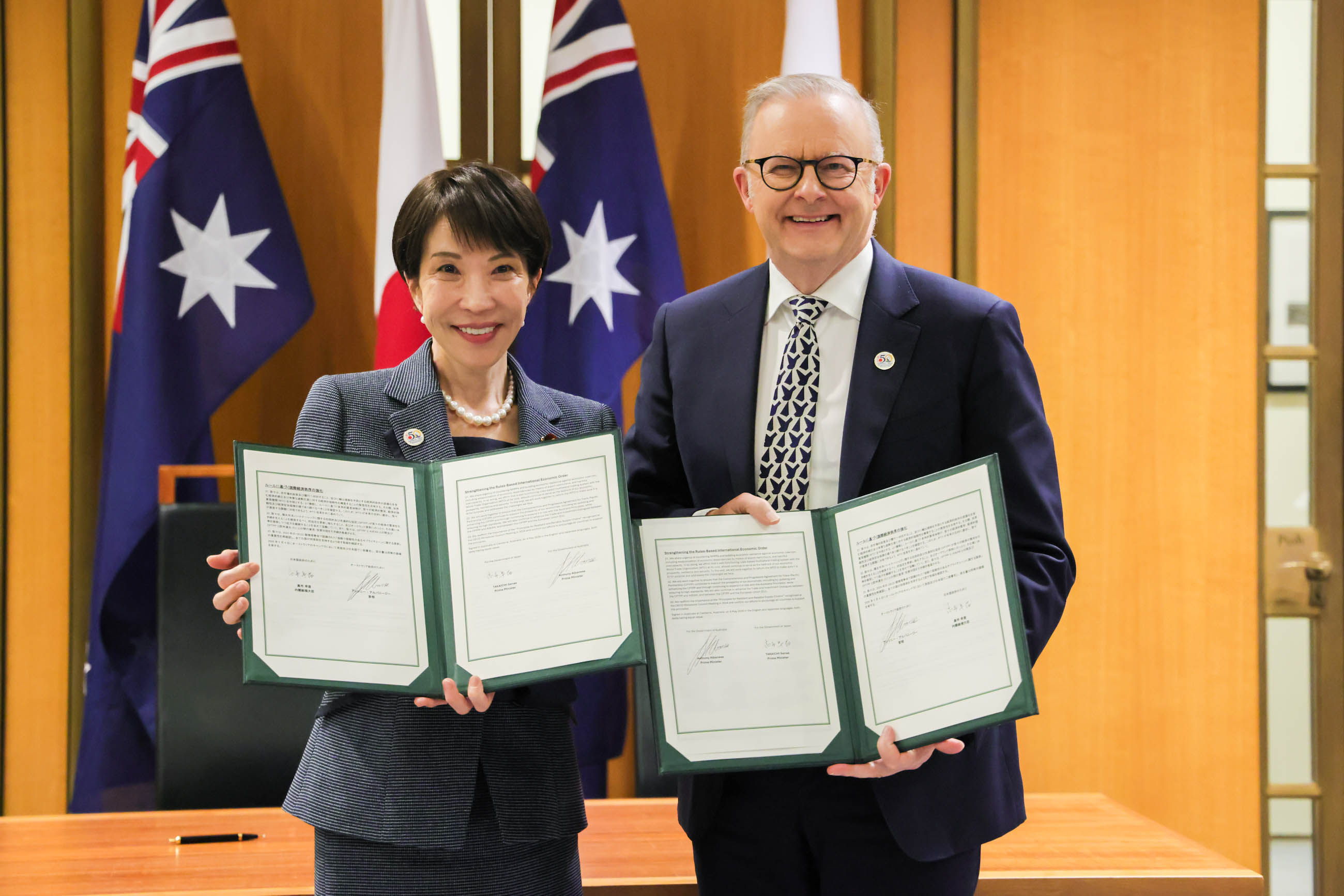
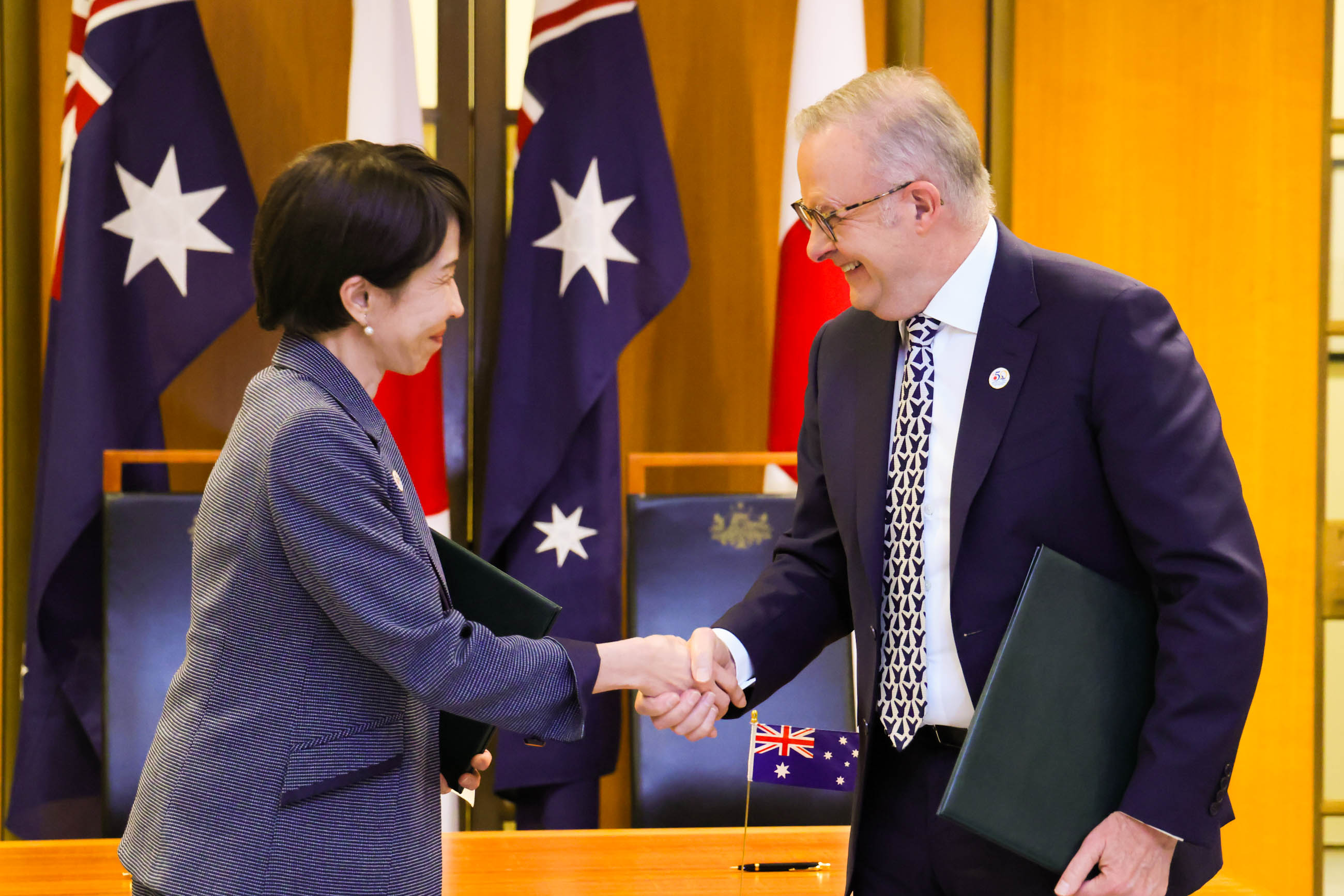
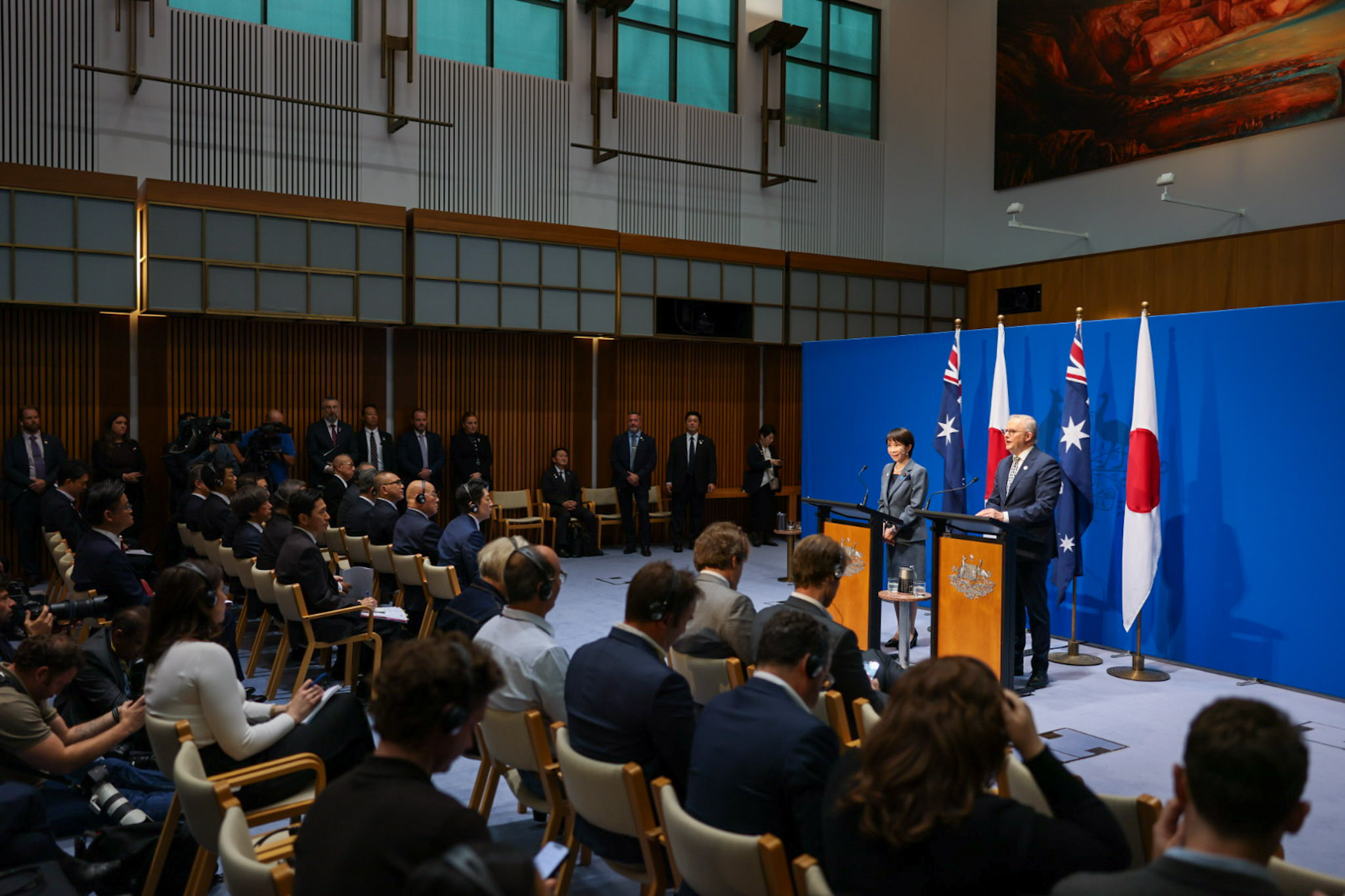
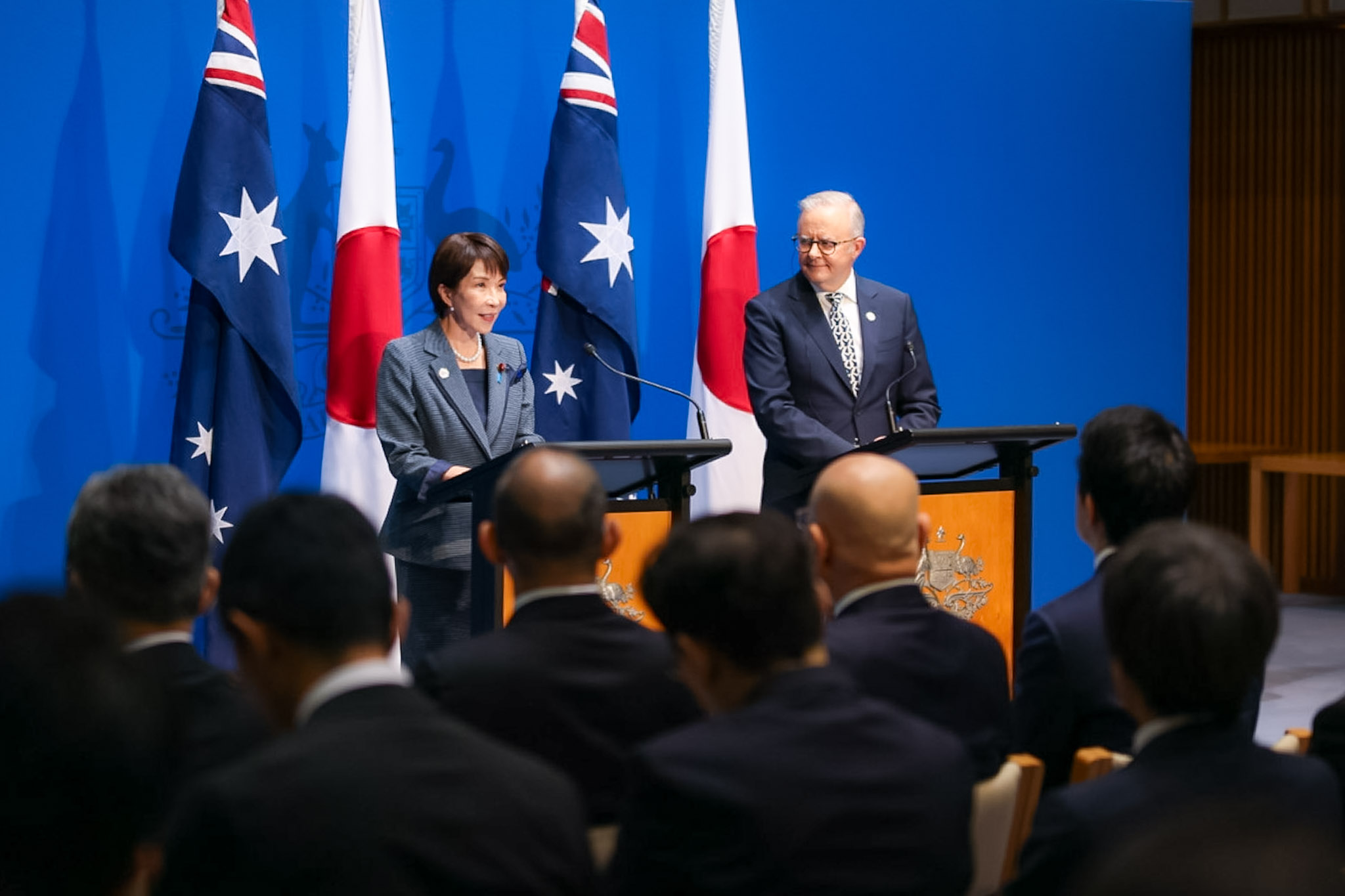
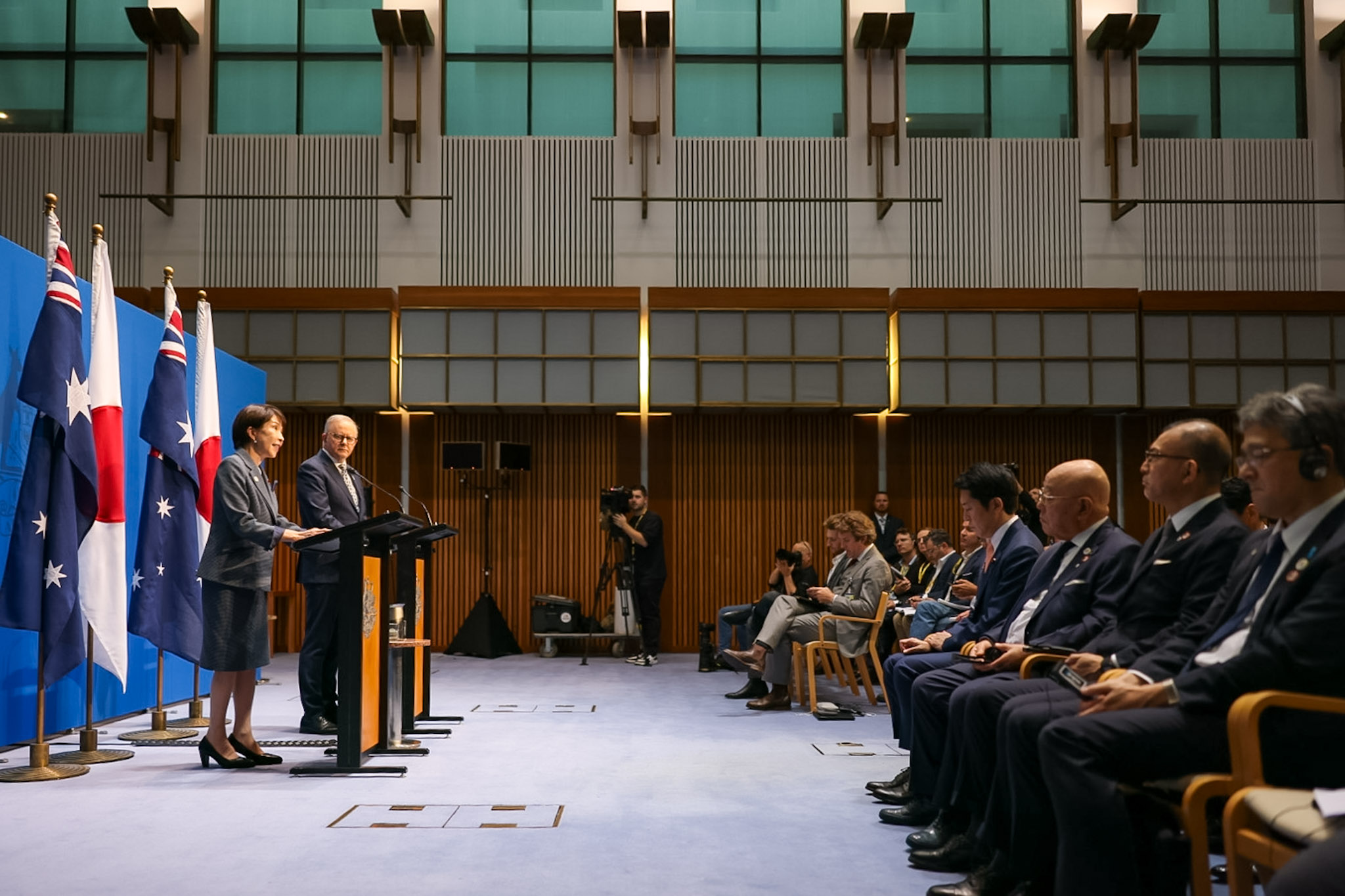
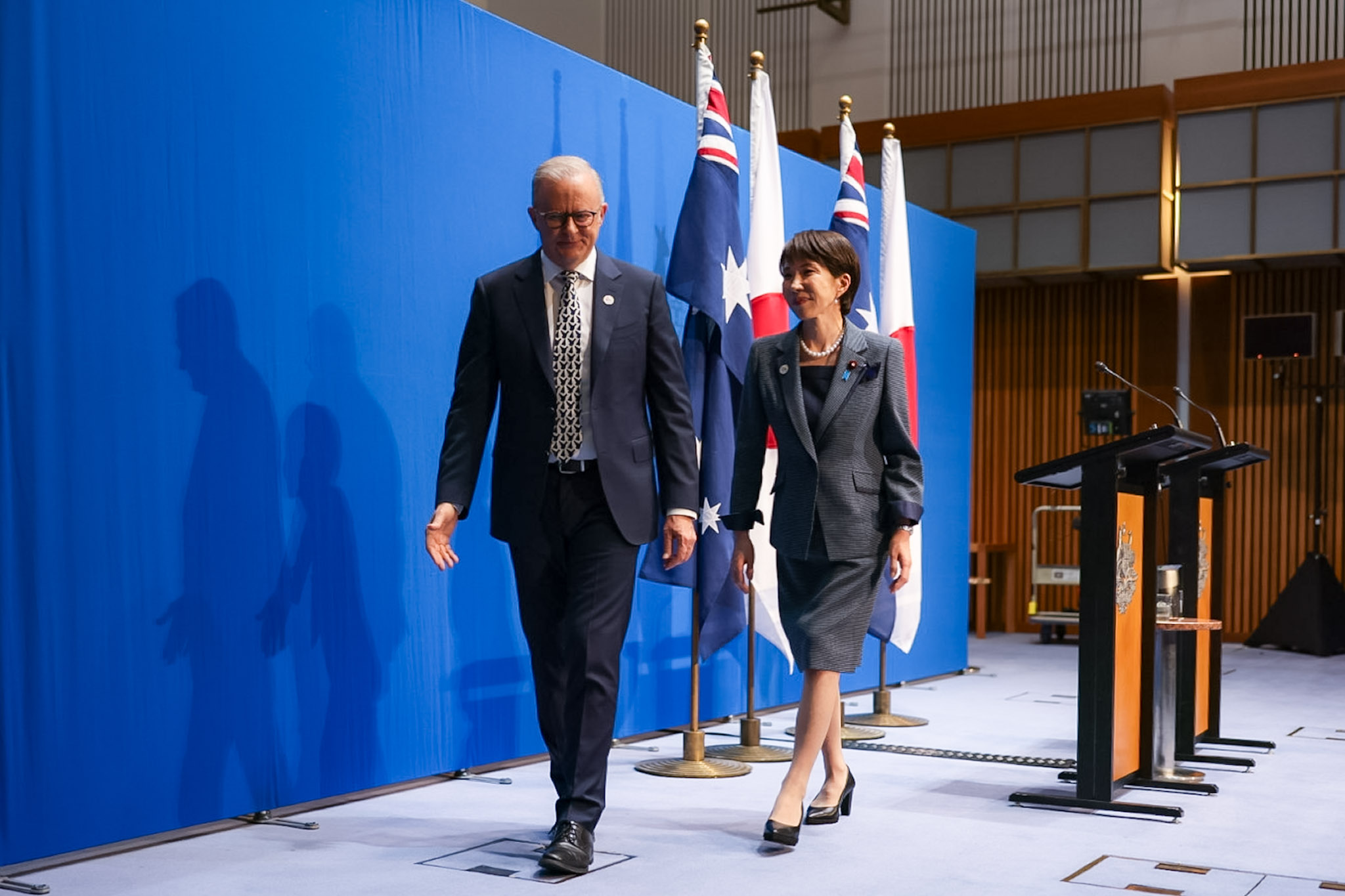
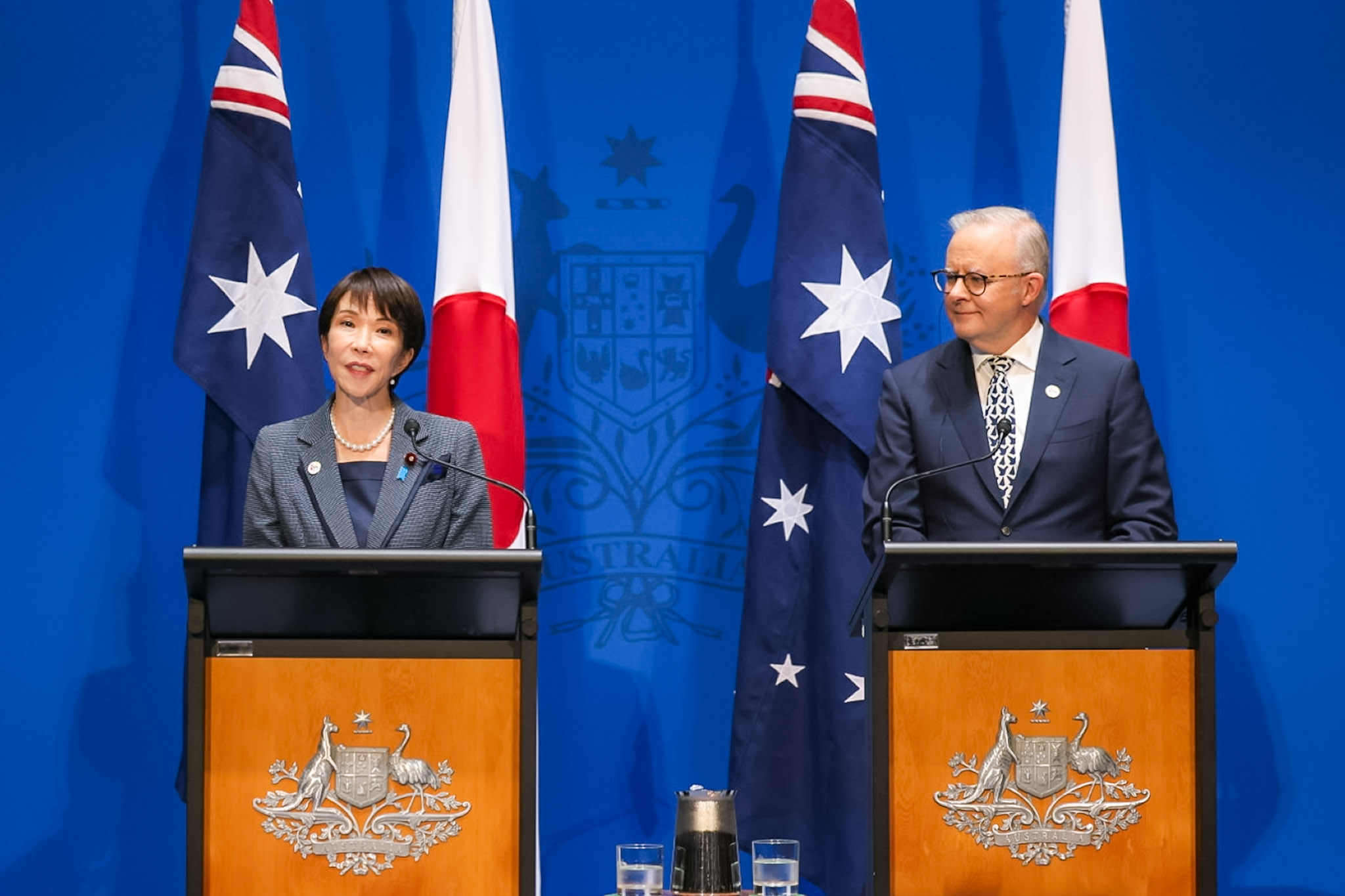
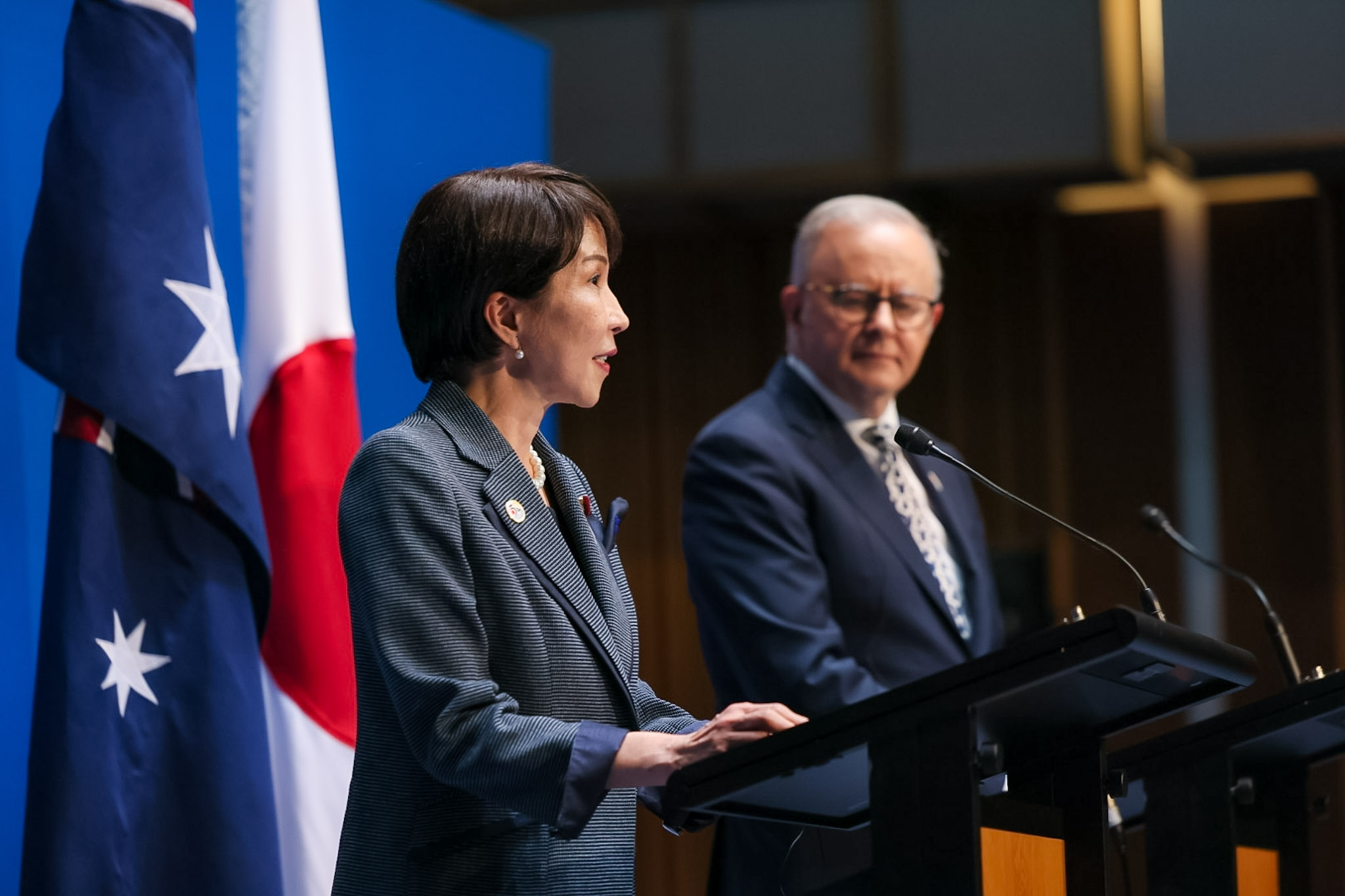
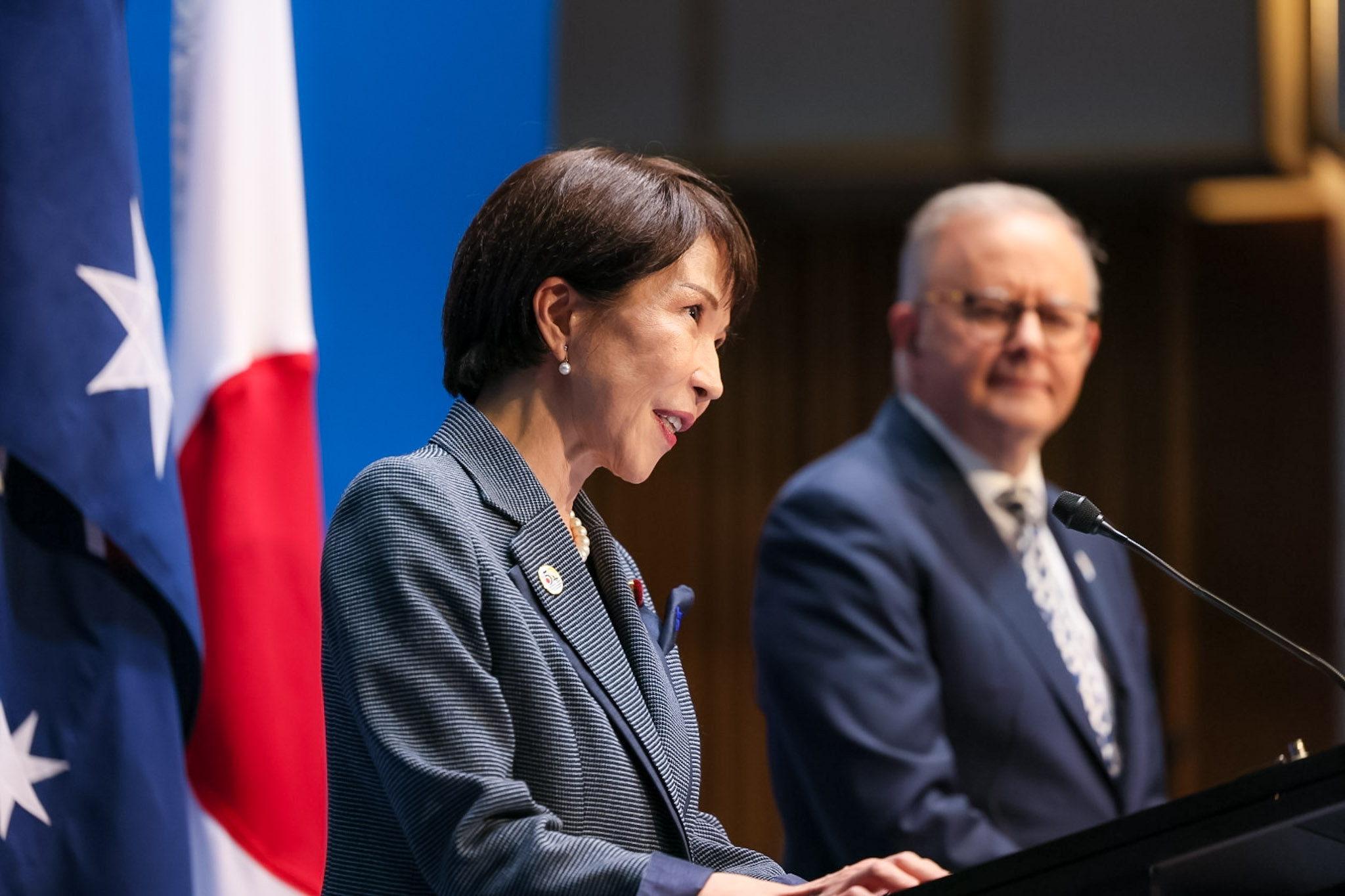
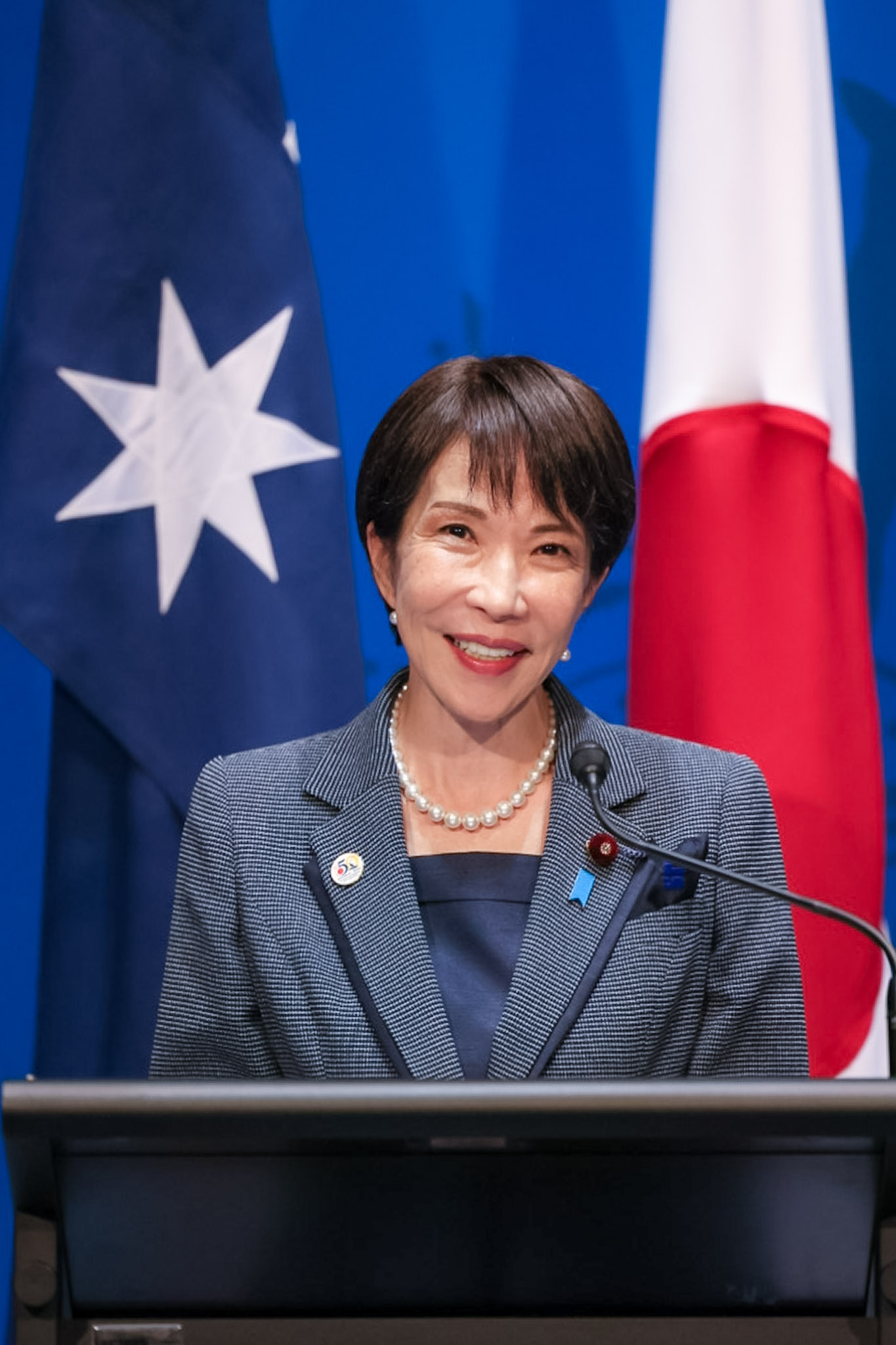
On May 4, 2026 (local time), Prime Minister Takaichi,who is visiting Canberra in the Commonwealth of Australia, held a leaders' meeting with Prime Minister Anthony Albanese, comprising both a small group meeting and an expanded meeting. The two leaders subsequently attended a signing ceremony and had a joint press announcement.
Prime Minister Takaichi made the following remarks at the joint press announcement:
"I would like to express my sincere appreciation to Prime Minister Anthony Albanese and to the people of Australia for the warm welcome extended to me during my visit.
This year marks the historic 50th anniversary of the signing of the Basic Treaty of Friendship and Cooperation between Japan and Australia. This treaty became a pivotal turning point for our two nations to cultivate a deep and enduring friendship over the past half century. Even as the strategic environment surrounding us has grown increasingly severe, Japan and Australia have consistently and proactively contributed to regional peace and prosperity as stabilizing forces in the region.
Furthermore, towards realizing an upgraded ‘Free and Open Indo-Pacific’ (FOIP) which I announced in Vietnam the day before yesterday, I look forward to working closely with Australia—our Special Strategic Partner—to ensure that autonomy and resilience take deeper root throughout the region.
With these perspectives in mind, Anthony and I engaged in thorough and substantive discussions today. We were able to confirm the direction for the next 50 years of Japan–Australia relations. It was an extremely productive meeting.
First, with respect to economic security, cooperation between Japan and Australia is becoming ever more concrete and closely aligned. Earlier today, we signed the ‘Japan–Australia Joint Declaration on Economic Security Cooperation,’ which will serve as a strategic guideline for bilateral collaboration. Under this declaration, we also issued two joint statements concerning critical minerals and energy security.
The effective blockade of the Strait of Hormuz is having a profound impact on the Indo-Pacific region. We confirmed that Japan and Australia will maintain close communication and respond to the situation with a strong sense of urgency.
Including cooperation under the ‘POWERR Asia’ initiative I announced last month—formally, the ‘Asia Energy and Resources Supply Resilience Partnership’—we will advance efforts to secure stable, two-way energy supplies and to strengthen supply chain resilience for critical minerals, among other measures. These initiatives will reinforce the autonomy and resilience essential to realizing a Free and Open Indo-Pacific.
Security cooperation remains the foundation of our robust bilateral relationship. The introduction of Japan’s Mogami-class frigates into the Royal Australian Navy represents a landmark collaboration symbolizing this 50th anniversary. We welcome the recent conclusion of the contract and will ensure its steady implementation.
Today, Anthony and I agreed to instruct our respective ministers to explore concrete measures to elevate and institutionalize our comprehensive security cooperation—including economic security—to an even higher level by the time of our next summit meeting.
We also agreed to further strengthen defense cooperation by leveraging Australia’s unique geographic characteristics, as cooperation between the Japan Self-Defense Forces and the Australian Defence Force continues to expand both in scope and scale.
Moreover, we issued a ‘Leaders’ Statement on Enhanced Defense and Security Cooperation.’ The breadth of our security collaboration is also expanding. To promote wide-ranging cooperation in the cyber domain, we have launched a ‘Japan-Australia Strategic Cyber Partnership.’
People-to-people exchanges are equally indispensable. Last year, the number of visitors traveling between our two countries reached a record high. We will further invigorate human exchanges, including tourism.
The future is born from dialogue and creativity. To that end, we have launched the ‘Japan–Australia Leadership Dialogue,’ bringing together distinguished public- and private-sector leaders from both countries. I hope this initiative will serve as a bridge to a future filled with promise.
These close bilateral ties and exchanges form the foundation of Japan–Australia cooperation in addressing the regional challenges we face.
Today, Anthony and I also held strategic discussions on developments in the Indo-Pacific, including China, Southeast Asia, the Pacific Island countries, and responses to North Korea—including its nuclear and missile programs and the abductions issue—as well as the Middle East, including Iran.
In the midst of a severe international environment, cooperation with the United States—our shared ally—is indispensable. We will further strengthen frameworks such as Japan-Australia-India-U.S. (Quad) and Japan-U.S.-Australia.
Japan and Australia are now frontrunners among like-minded nations in advancing pioneering security cooperation, united by a firm determination to contribute together to regional and global peace and stability. In my view, we have built a relationship that may be described as a ‘quasi-alliance.’
Following today’s discussions with Anthony, I am convinced that the next 50 years of Japan–Australia relations will be even more dynamic and forward-driving than what we were able to achieve in the past half century. Together with Anthony, I will continue to write a new chapter in the history of Japan–Australia relations and to open new horizons in cooperation among like-minded nations.
Thank you, Anthony.”