


[Provisional translation]
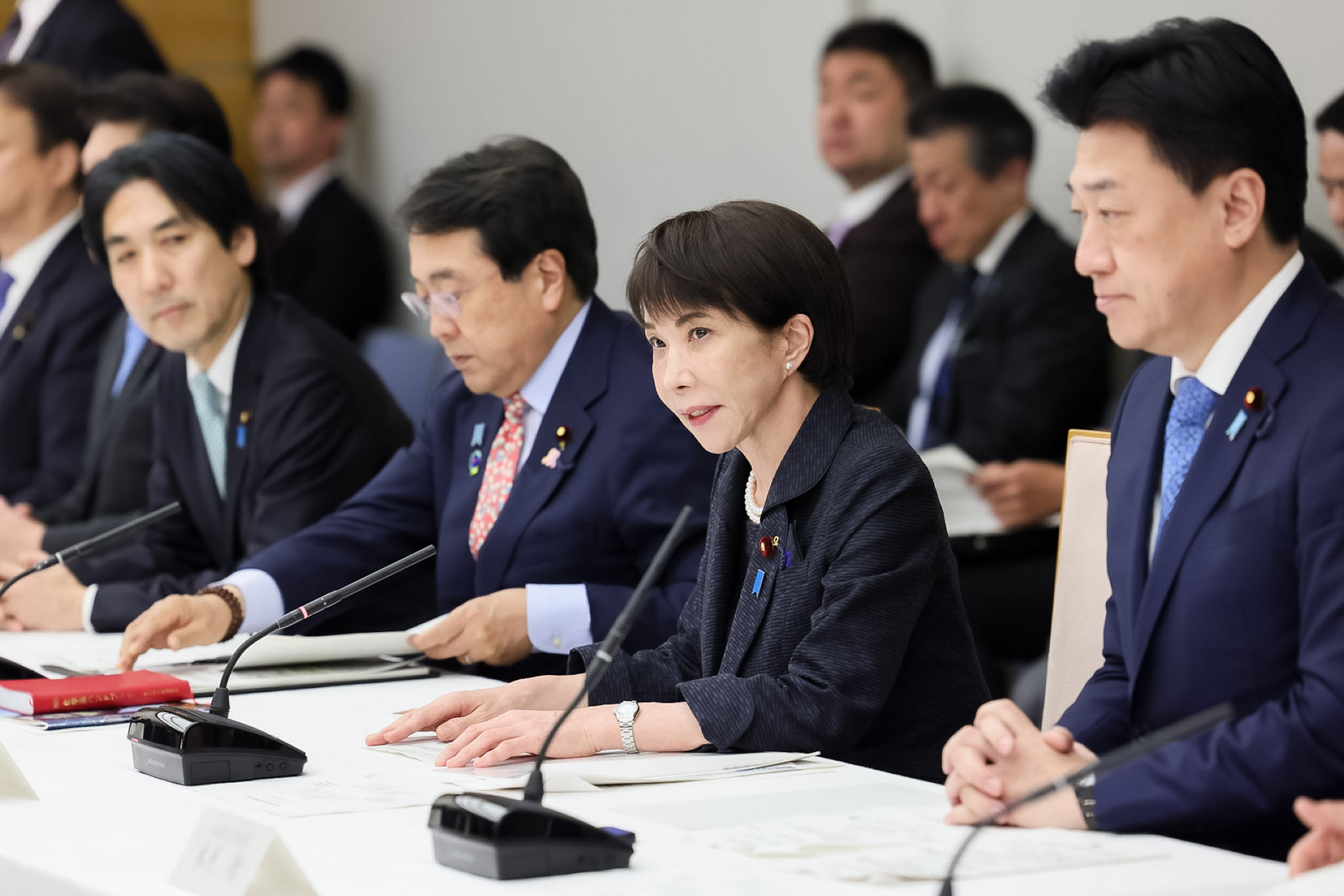
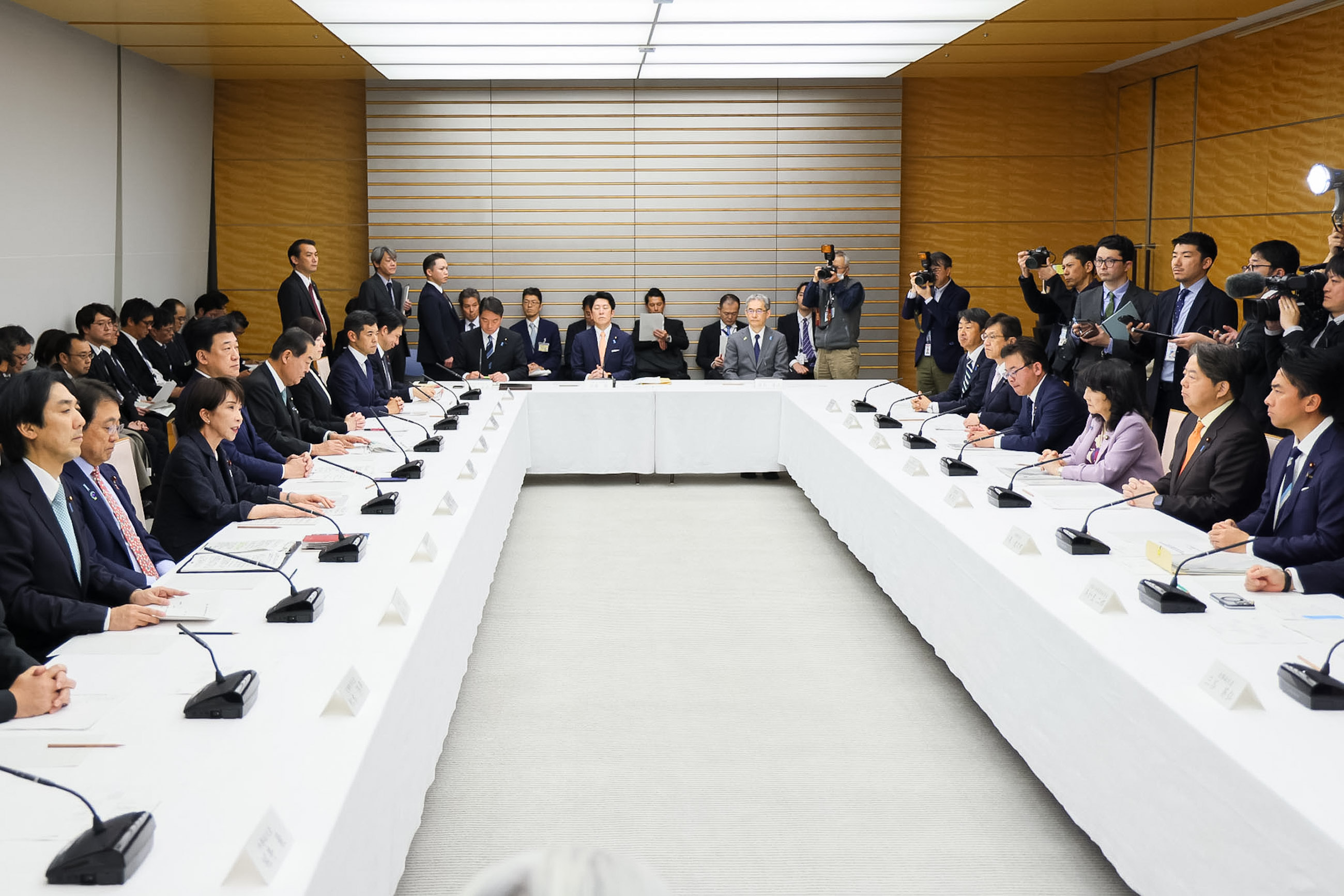
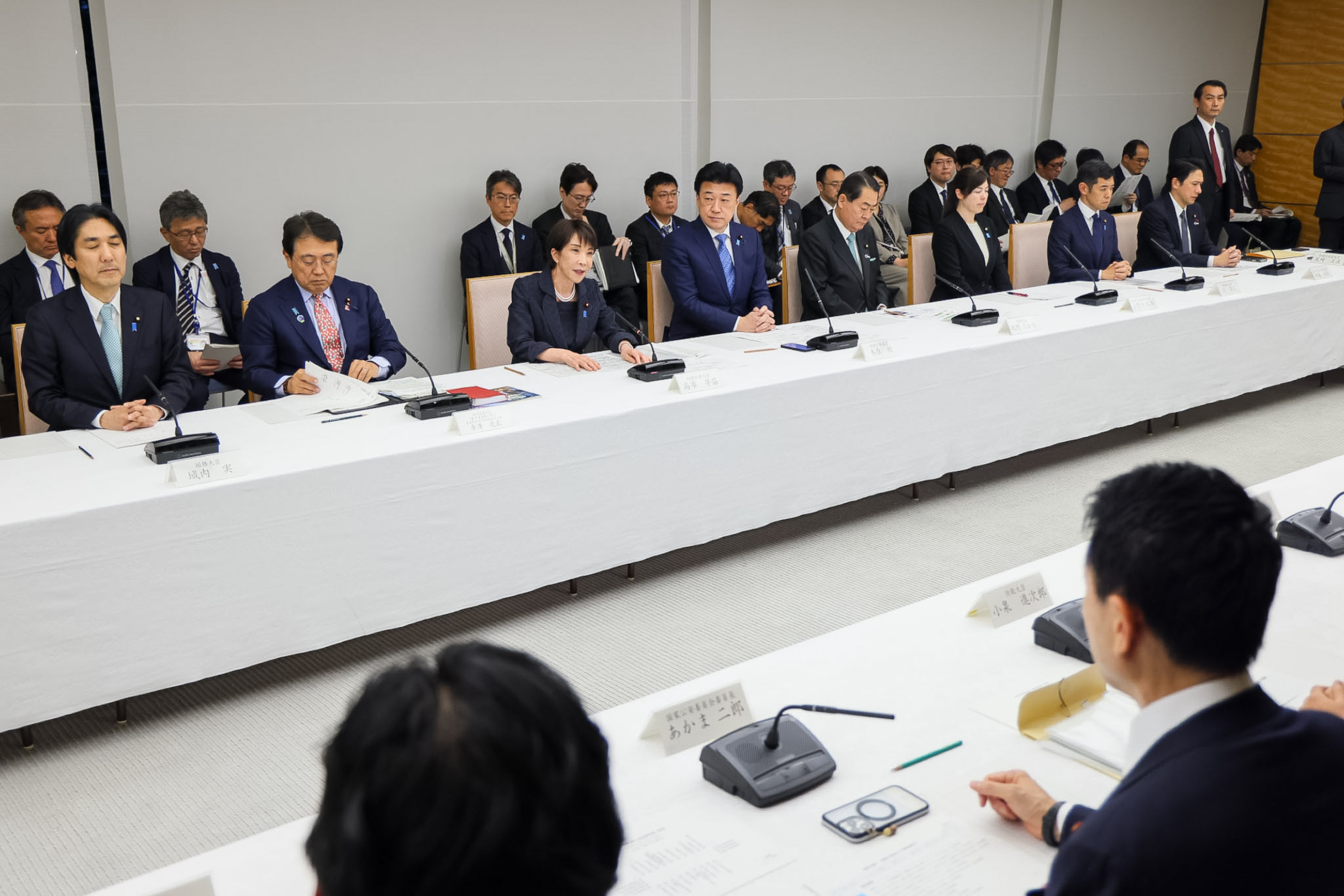
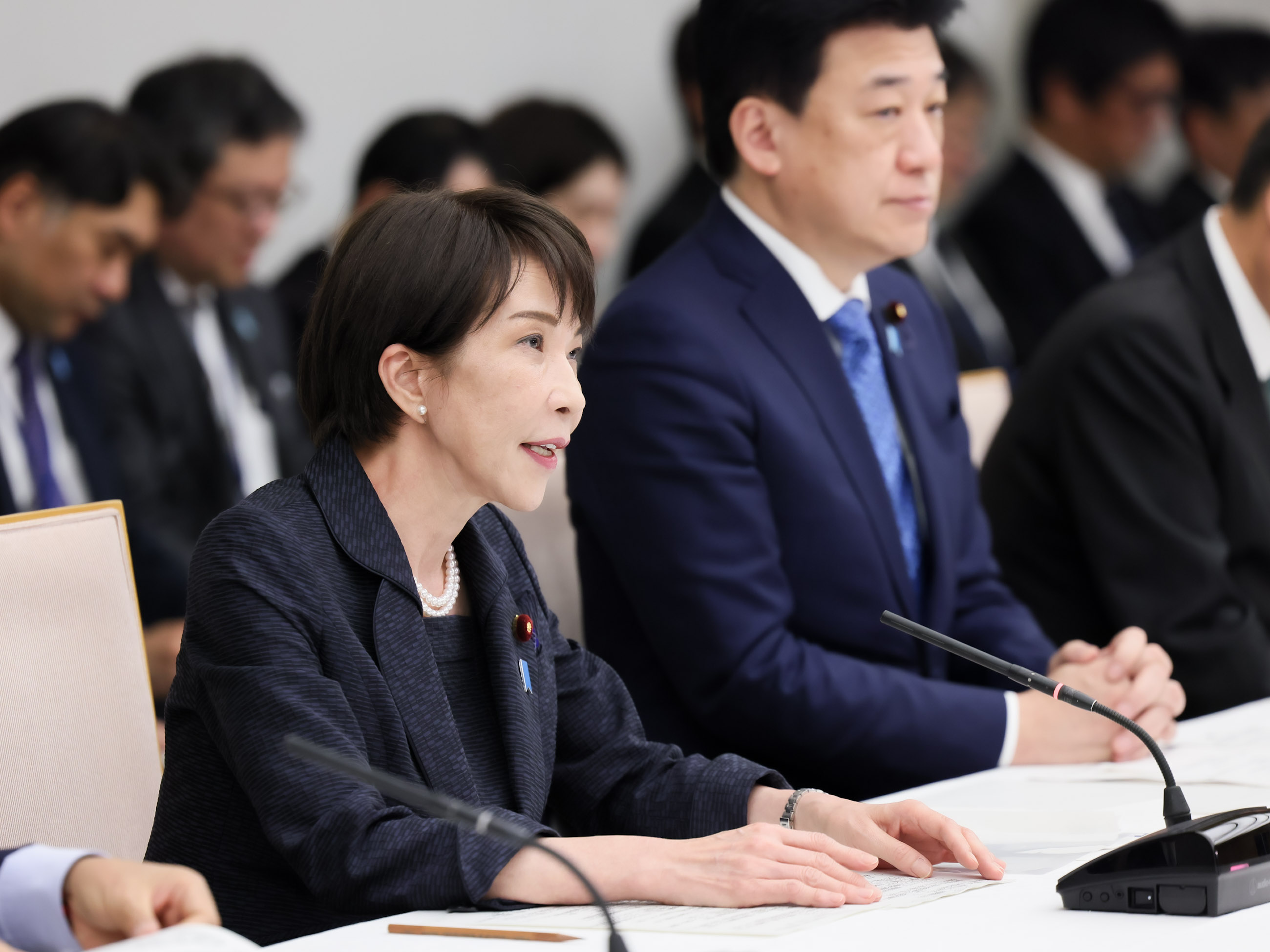
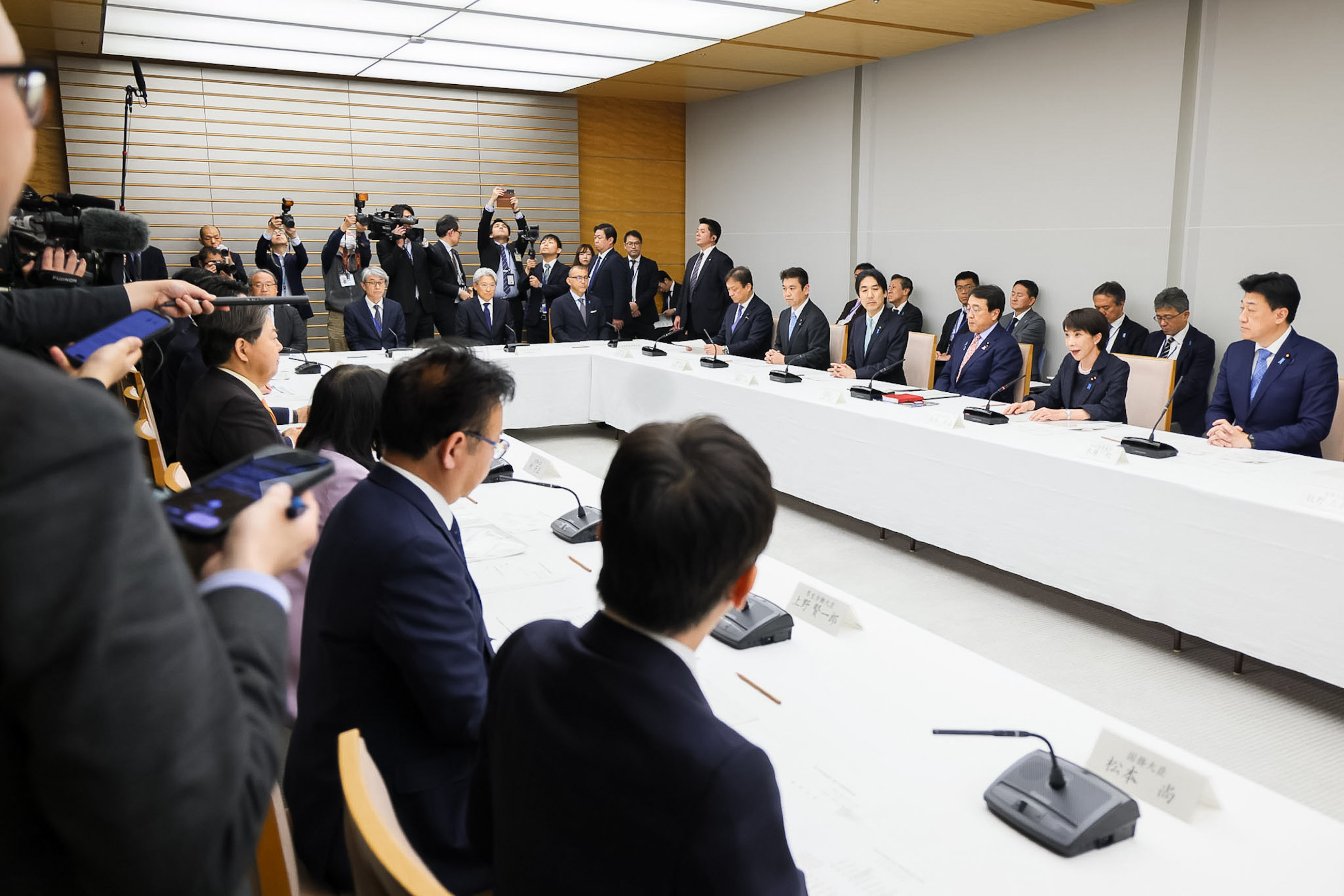
On April 30, 2026, Prime Minister Takaichi attended the sixth Ministerial Meeting on the Situation in the Middle East at the Prime Minister’s Office.
At the meeting, the participants engaged in discussions on the situation in the Middle East and related matters.
Based on the discussion, the Prime Minister stated:
“Thank you all for your hard work and dedication. To reiterate, we have secured the necessary quantity of crude oil for Japan as a whole, and prospects are now in place for ensuring a stable supply of oil beyond the end of the year.
Last weekend, crude oil from the United States, which was procured as an alternative source after it became difficult to obtain supplies via the Strait of Hormuz, arrived in Japan for the first time. Furthermore, yesterday, a Japanese-affiliated vessel safely passed through the strait, evacuated to the waters outside the Persian Gulf, and is currently on its way to Japan.
In any case, by May, we are on track toward procuring approximately 60% of crude oil through alternative procurement sources that do not pass through the Strait of Hormuz. This means that, based on last year’s daily demand of 2.36 million barrels, we have secured approximately 60% of that amount, or about 1.4 million barrels per day, through firm contracts. While we continue to pursue further alternative procurement for June and beyond, we will reduce the release of national oil stockpiles equivalent to 30 days of consumption in the first round, down to 20 days of consumption in the second round. With the expansion of alternative procurement and the reduced release of national stockpiles, the Government projects it can secure the total volume required for Japan as a whole beyond the end of the year, even under the conservative assumption that only 50% of procurement can be secured through alternative sources from June onward.
As part of our domestic measures, we continue to provide subsidies for gasoline, diesel, heavy oil, and kerosene, among others. This week’s average gasoline price nationwide is being kept at around 170 yen. As shown on the last page of the handout (Document 6), this price is about half that in Europe. It is also on par with the level in the United States, which is an oil producer. The Takaichi Cabinet will strive to ensure that the lives and livelihoods of the public and economic activities will not be disrupted.
Regarding naphtha, in addition to continuing domestic refining of naphtha using stockpiled crude oil, imports of naphtha from non-Middle Eastern countries, such as the United States, Algeria, and Peru, will triple in May compared to levels prior to the escalation of tensions in the Middle East. Starting in May, these imported volumes will begin arriving in Japan. Furthermore, based on today’s statistics and other data, we still have 1.8 months’ worth of inventory of intermediate chemicals such as polyethylene. Taking these into account, while we have previously stated that the supply of naphtha-derived chemical products would last for more than six months, we now expect supplies to continue beyond the end of the year.
On the other hand, supply imbalances and distribution bottlenecks persist at present. In some cases, business operators felt anxious about future supplies of petroleum products and placed larger orders than usual, which appears to have caused disruptions for manufacturers and wholesalers.
When it comes to construction materials, while we understand that supplies of toluene, a raw material for paint, and urethane foam, a raw material for heat insulation, are available at last year’s levels, we have received inquiries about people being unable to purchase paint at home improvement stores. In response, we are taking measures such as posting notices at these stores, asking for cooperation from those purchasing thinners, paints, and adhesives by limiting purchases to normal quantities.
I request the relevant ministers to ensure that stakeholders in the industries under their jurisdiction fully understand that the supply of crude oil and naphtha-derived chemical products will continue beyond the end of the year, and to thoroughly raise awareness of and promote the practice of procuring these products at levels broadly comparable to the same month of the previous year.
In the healthcare sector, which is directly tied to people’s lives, we are making steady progress in addressing distribution bottlenecks for items such as cleaning agents for surgical scalpels and solvents used to manufacture antipyretic and analgesic drugs and other medicines. I ask Minister Ueno to work together with Minister Akazawa to make every effort toward eliminating bottlenecks in the healthcare sector as quickly as possible.
In regard to polyethylene, a raw material for plastic food packaging containers, we have confirmed that supplies can be maintained at levels comparable to last year. Nevertheless, we have received inquiries that some orders for packaging containers cannot be fulfilled. Among these, customers of condiment manufacturers, including sauce producers, expressed concerns that it might become difficult to obtain condiments in the future. However, the Ministry of Agriculture, Forestry and Fisheries (MAFF) and the Ministry of Economy, Trade and Industry (METI) worked together to confirm the supply status of commercial-use packaging containers, among others, and found that condiment manufacturers are able to secure the containers they need for the time being. As a result, the sale of seasonings, including those for commercial use, to customers can continue without any supply interruption.
The term ‘food packaging container’ covers a wide variety of containers for products such as seasonings, custard pudding, and beverages, and each has a different supply chain. I ask MAFF, in coordination with METI, to closely examine the supply chains for each type of packaging material and take all necessary measures to ensure that there is no disruption to the stable supply of food. This includes urging raw material manufacturers to ensure a stable supply, encouraging food packaging manufacturers to consult with MAFF at the earliest opportunity if they face supply issues, and asking food manufacturers to procure materials at volumes broadly comparable to the same month of the previous year.
In addition, some facilities had expressed concerns about the procurement of the methanol necessary for waste disposal, which is part of our social infrastructure. However, by confirming supply conditions with the suppliers, arrangements for procurement are now in place. I ask the Ministry of the Environment, in coordination with METI, to ensure the reliable delivery of the supplies necessary to maintain sanitary living conditions for the public.
As described in the handouts, we are working to resolve distribution bottlenecks. I ask the relevant ministers to continue to carefully and promptly respond to bottlenecks one by one should they arise.
Many business operators will remain open during the Golden Week holiday. I ask the relevant ministers to listen to the concerns of these businesses and to work to resolve bottlenecks with the mindset that each ministry will do whatever it can to address them, even during the holiday period. I sincerely appreciate the hard work you put in every day. Thank you very much. That is all from me."