


[Provisional translation]
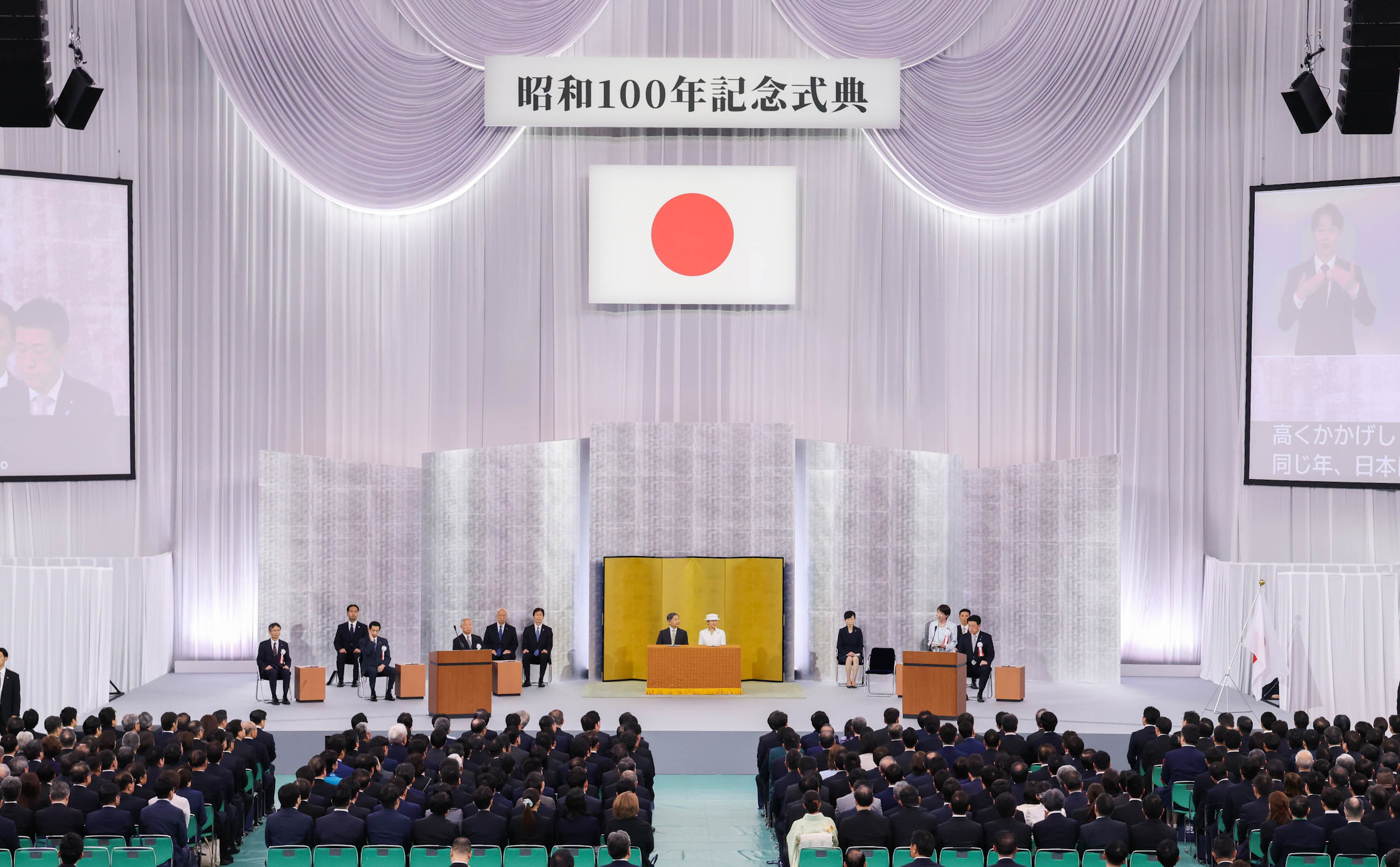
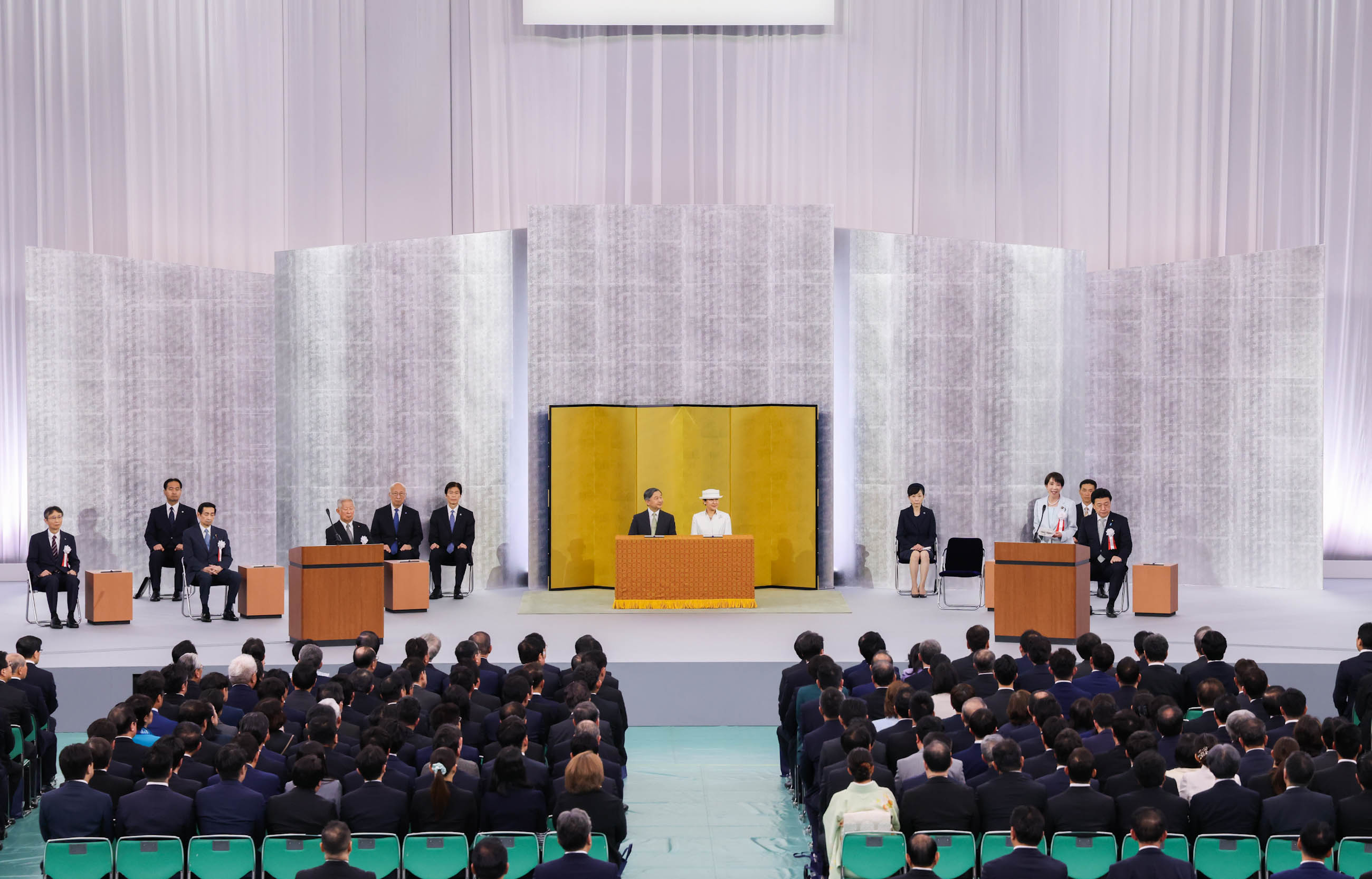
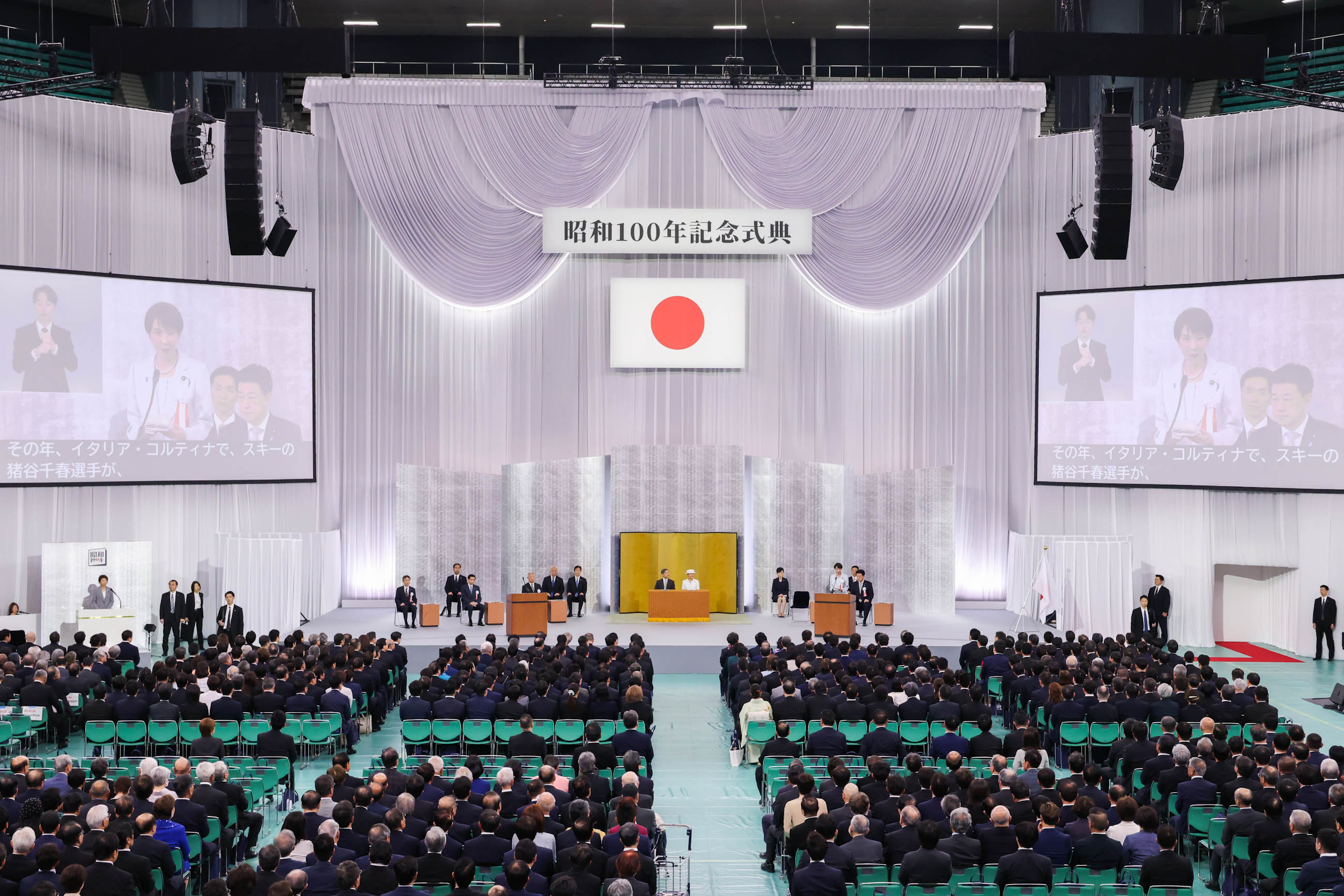
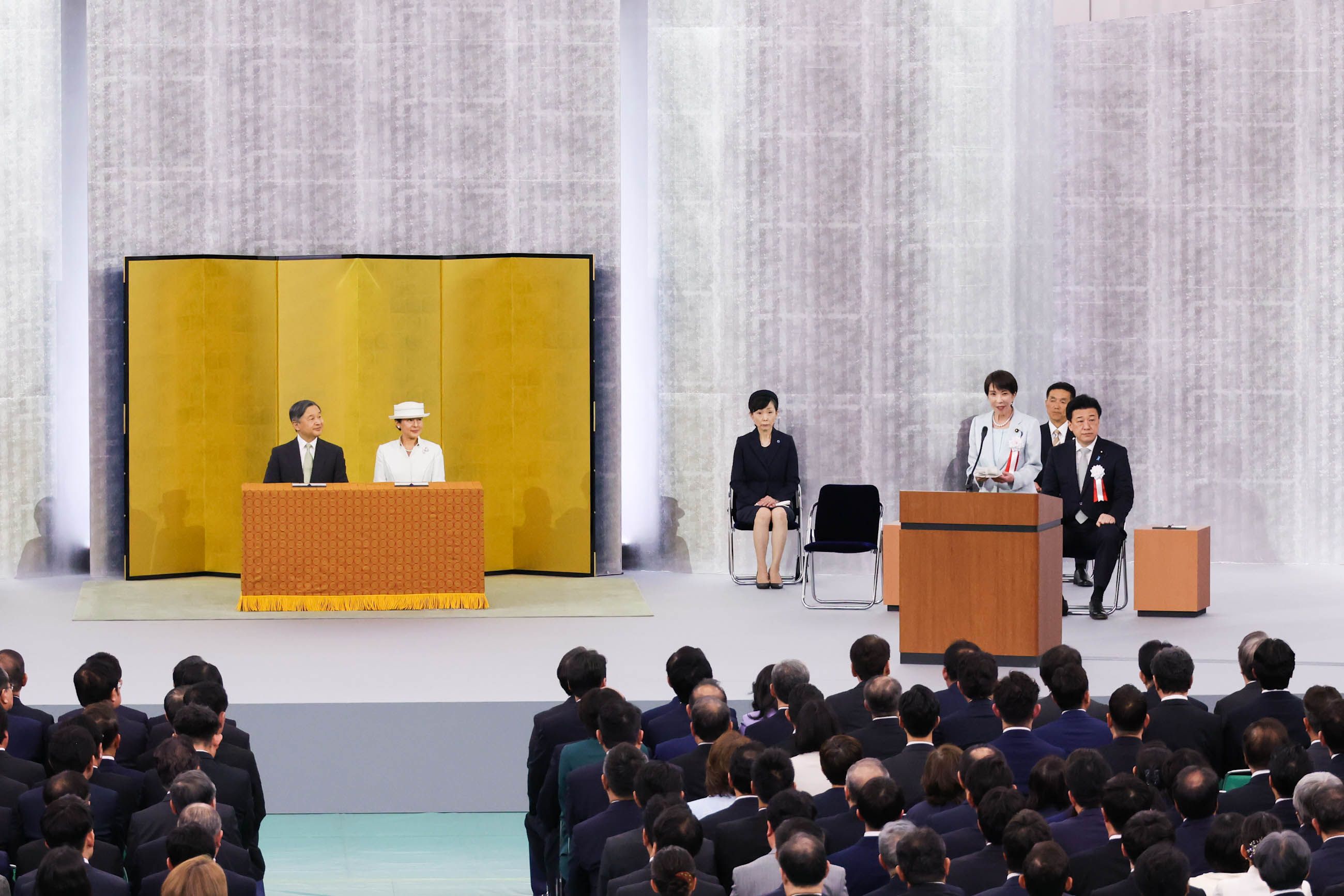
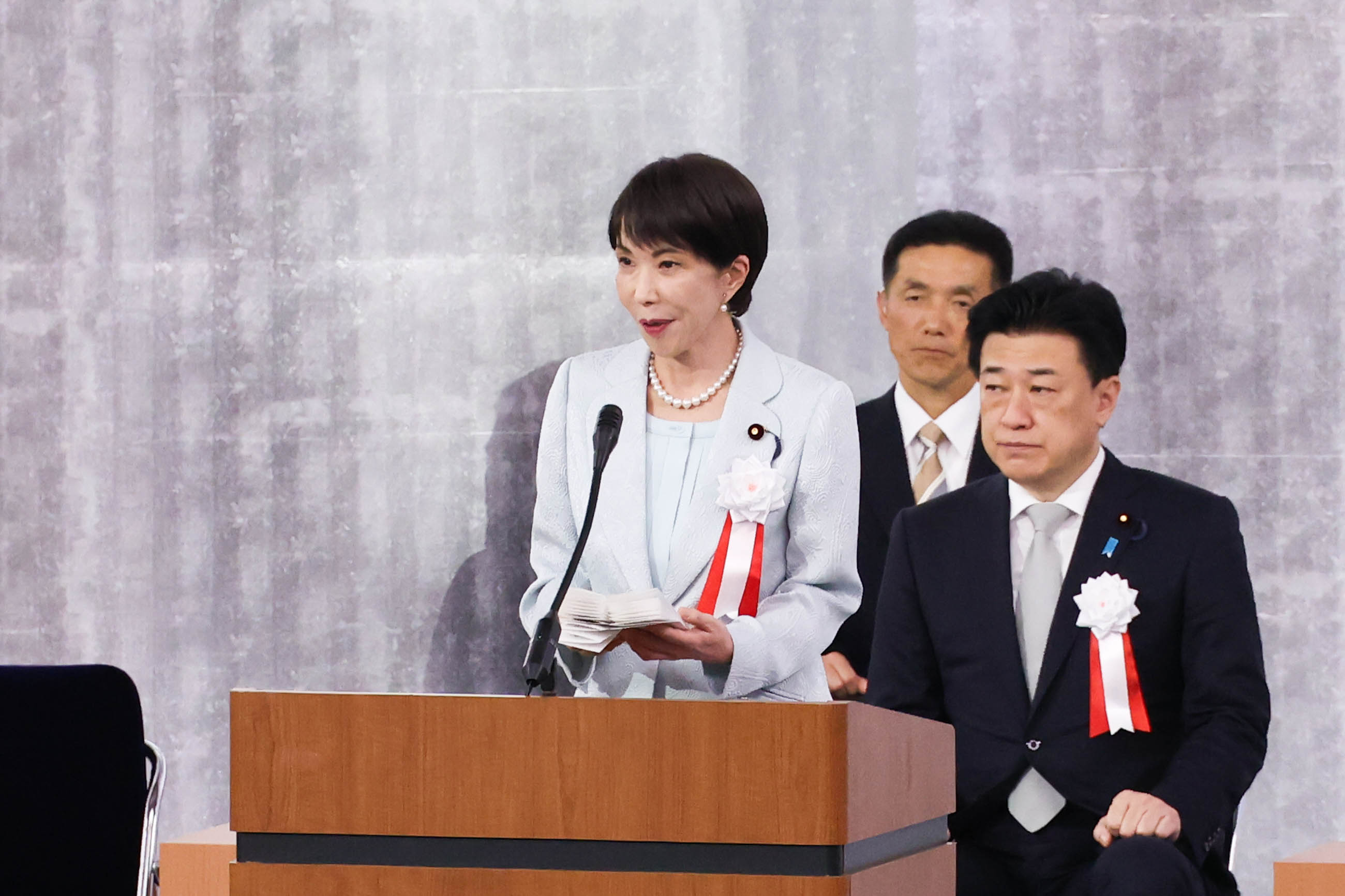
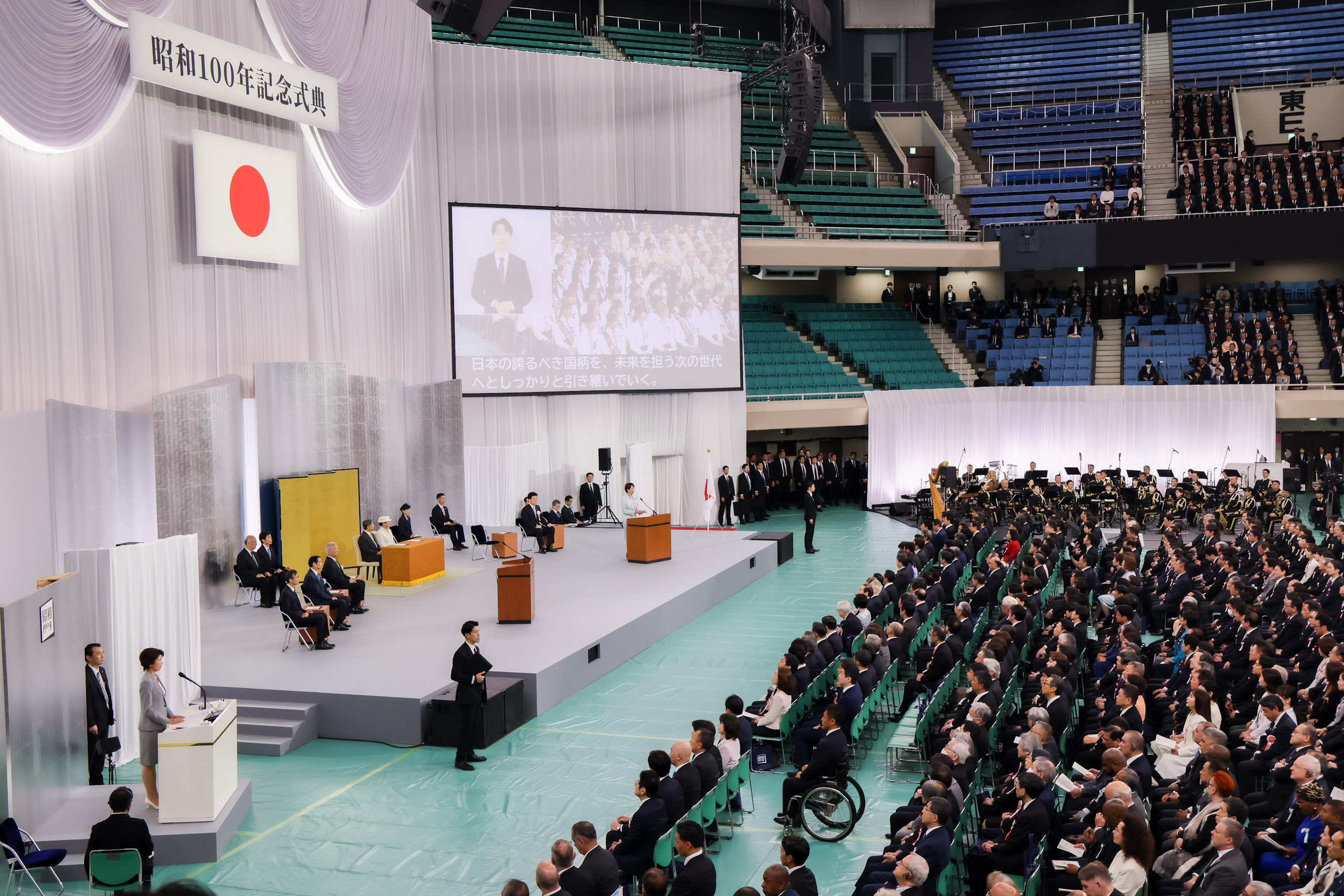
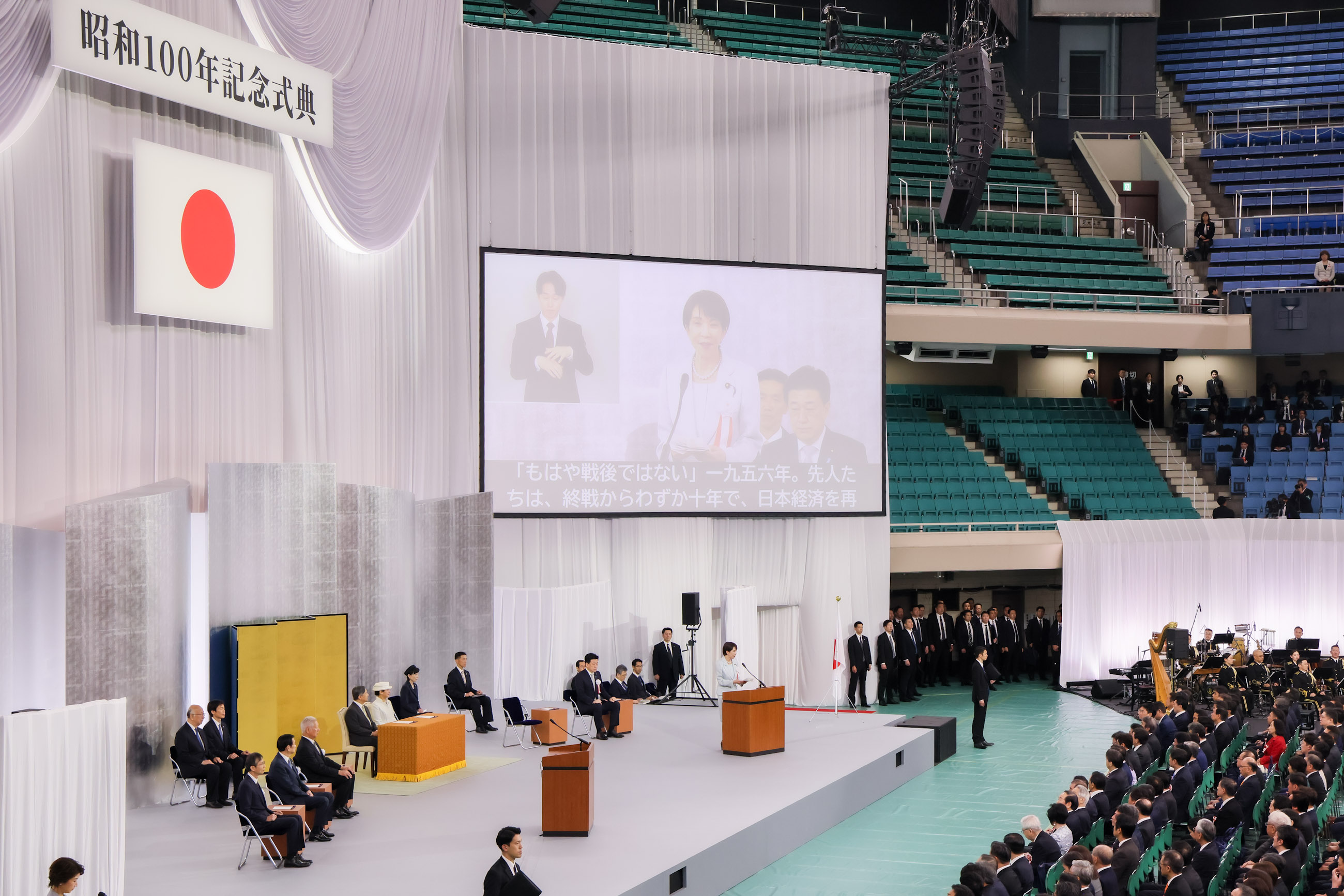
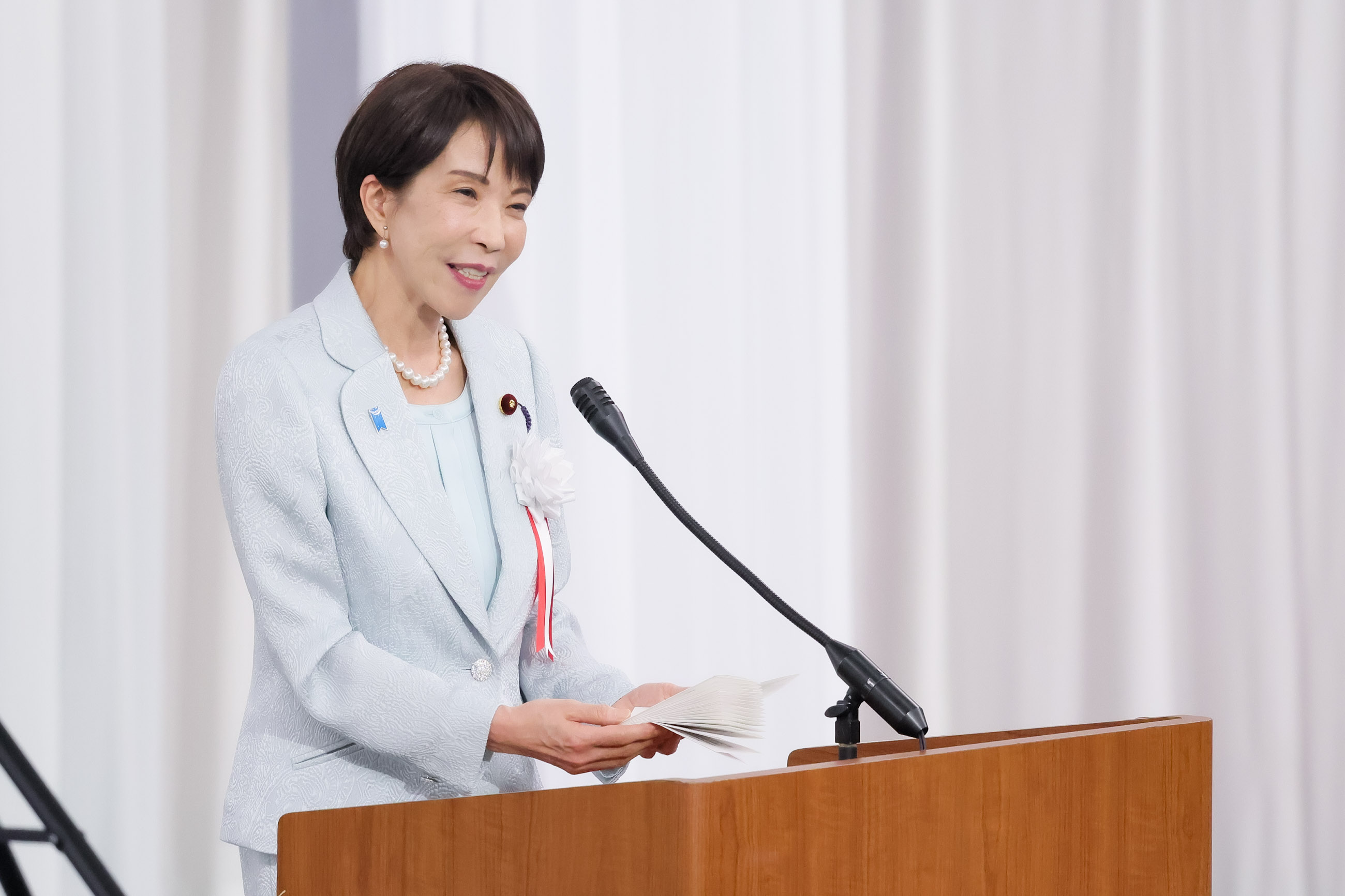
On April 29, 2026, Prime Minister Takaichi attended the ceremony to mark 100 years since the start of the Showa era held in Tokyo, in the gracious presence of Their Majesties the Emperor and Empress.
The Prime Minister said in her congratulatory address:
“It is a great honor to hold the ceremony to mark 100 years since the start of the Showa era today, in the gracious presence of Their Majesties the Emperor and Empress and with the attendance of so many guests from various fields. I would like to extend my sincere appreciation to all those involved who have cooperated in today’s ceremony and to everyone who has taken part.
I have unwavering belief in the latent power of Japan and the Japanese people. We have a great responsibility to firmly pass on the national character of Japan that we are proud of to the next generation, who will shape the future. I hope that today will serve as an opportunity to reflect on the Showa era, to appreciate the weight of our nation’s traditions and history, and to turn our thoughts toward the future.
The Showa era was a time of unprecedented transformation, defined by the war, the end of the war, reconstruction, and rapid economic growth. After the war, Emperor Showa traveled throughout the country, offering sympathy to the bereaved families of those who had lost their lives in the war and encouraging the people striving tirelessly for postwar reconstruction.
The Japanese people worked with extraordinary determination and perseverance. In 1956, it was said that ‘the postwar era is over.’ In just ten years after the end of the war, our predecessors managed to get the Japanese economy back on its feet. Subsequently, bold challenges enabled our economy to rise to become the second largest in the world.
‘The fog has cleared; the UN tower shines; and the Rising Sun flag is raised high.’ In the same year, Japan joined the United Nations. Foreign Minister SHIGEMITSU Mamoru recited these lines with great emotion in New York. Returning to the international community had been Japan’s long-cherished aspiration. In that same year, skier IGAYA Chiharu became the first Japanese athlete to win a medal at the Winter Olympics held in Cortina d’Ampezzo, Italy. This feat came after he studied at a U.S. university where there were no other Japanese students, striving to balance his skiing with his studies. The whole of Japan rejoiced.
Tomorrow will be better than today. 70 years ago in Showa-era Japan, there was certainly hope.
In the Reiwa era today, Japan and the world are undergoing major changes. In Japan, we are witnessing the progression of a declining birthrate and population decline, which could be called a silent emergency, a sudden shift from long-term deflation to high prices, sluggish potential growth rates, and the most severe and complex security environment since the postwar era. Looking around the world, competition between nations has intensified, increased in complexity, and has become the norm. The free, open, and stable international order to which we have grown accustomed is being greatly shaken, with mounting political and economic uncertainty.
Now is the time to learn from our predecessors who lived through the tumultuous Showa era, overcame the last war and countless disasters, and wove together hope. We must also take on bold challenges.
Events marking 100 years since the start of the Showa era are being held across the country. Initiatives are underway to unearth the dynamism and experiences of the era and pass them on to the next generation, while exhibitions are being held to reflect on the challenges of the Showa era and pave the way for the future. I hope that these efforts will help the younger generation in particular to learn about the wisdom and dedication of those who came before us and inspire them to take on new challenges of their own. A country that does not take on challenges has no future. Nor can politics focused solely on preserving the status quo give rise to hope.
Today’s ceremony is attended by young people who will shape the next generation, including members of the Boy Scouts and Girl Scouts, as well as those who have participated in the Ship for World Youth and the Ship for Southeast Asian Youth. Many of them, ranging from 18-year-olds voting for the first time this year to newborn babies, are likely to live to see the 22nd century. May Japan be safe and prosperous at that time. May Japan be a ‘bright beacon in the Indo-Pacific’ as a country of freedom and democracy, and a nation trusted by the world. We will build a country where young people take pride in being born in Japan and can confidently say, ‘The future is bright.’ ‘Making the Japanese archipelago stronger and more prosperous’ – I hereby renew my resolve to create hope for Japan.”
April 29, 2026
TAKAICHI Sanae
Prime Minister of Japan