


[Provisional translation]
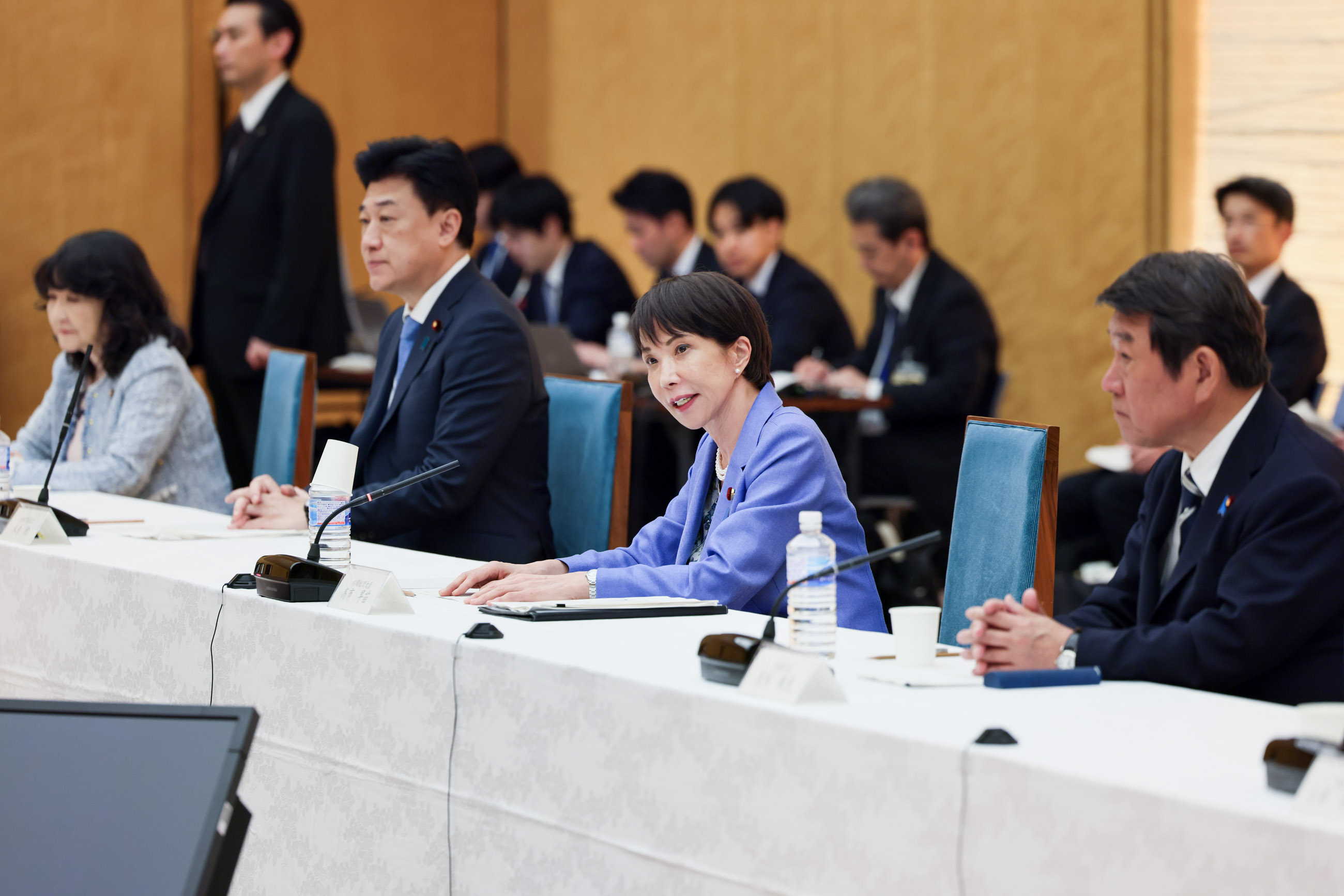
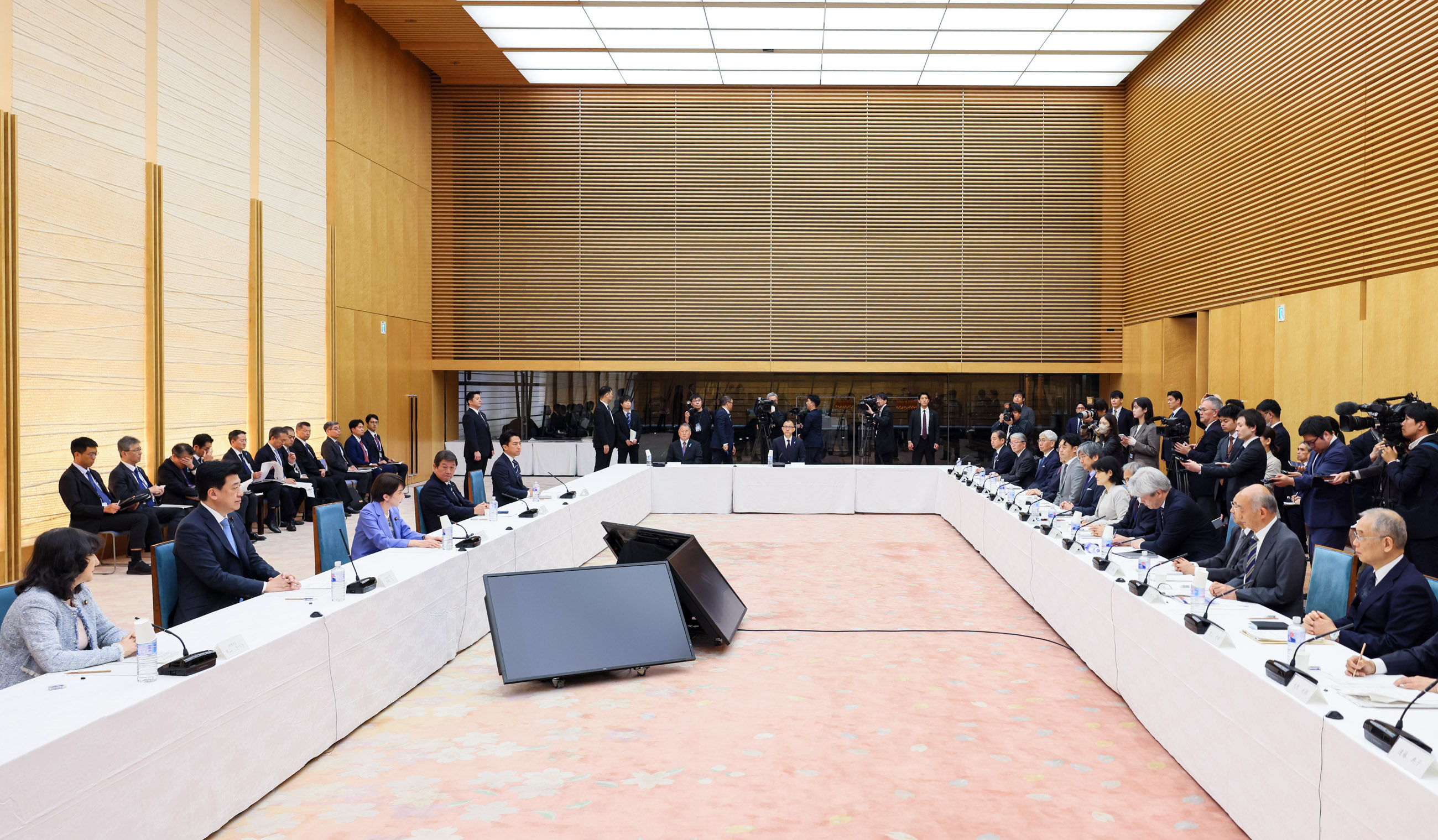
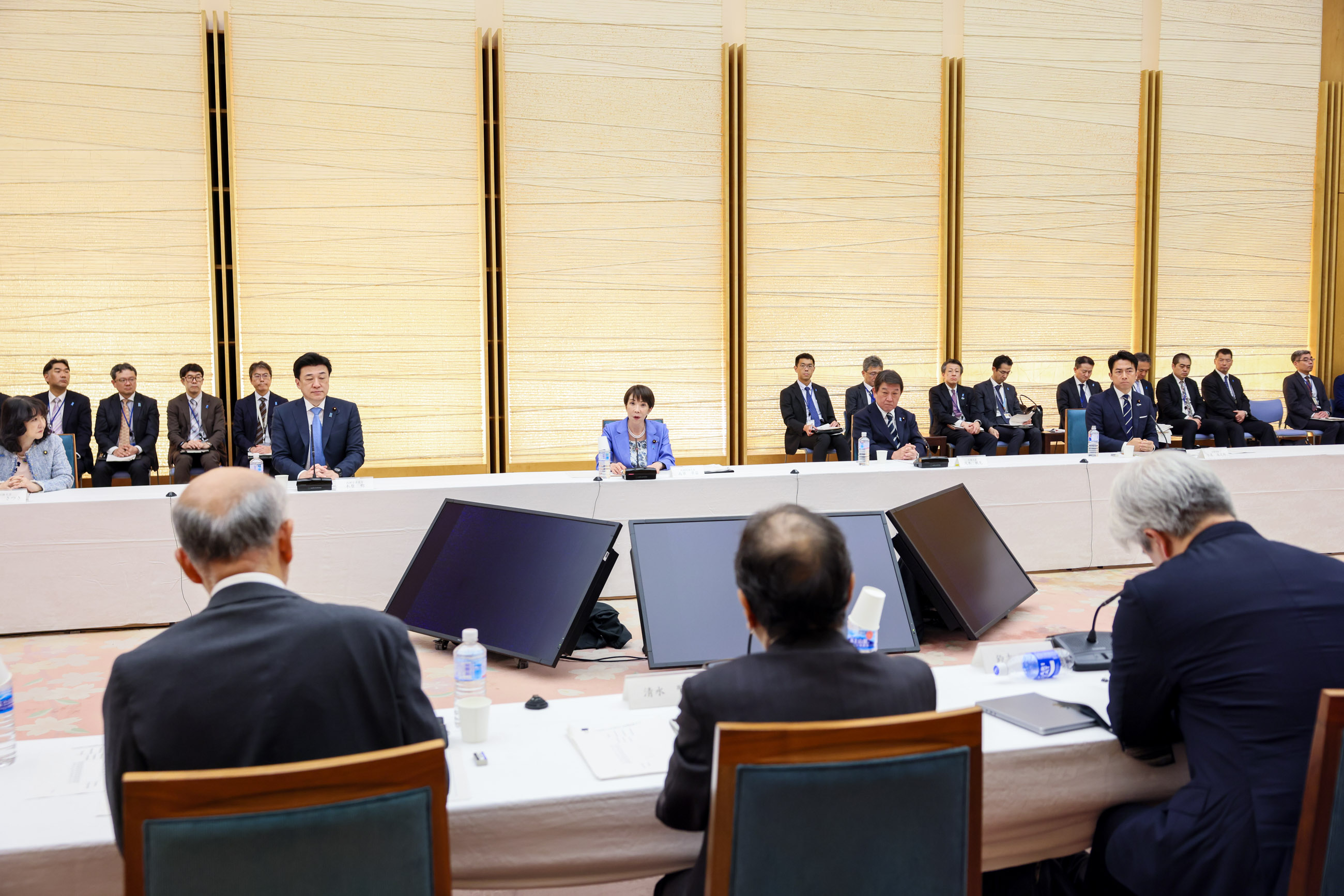
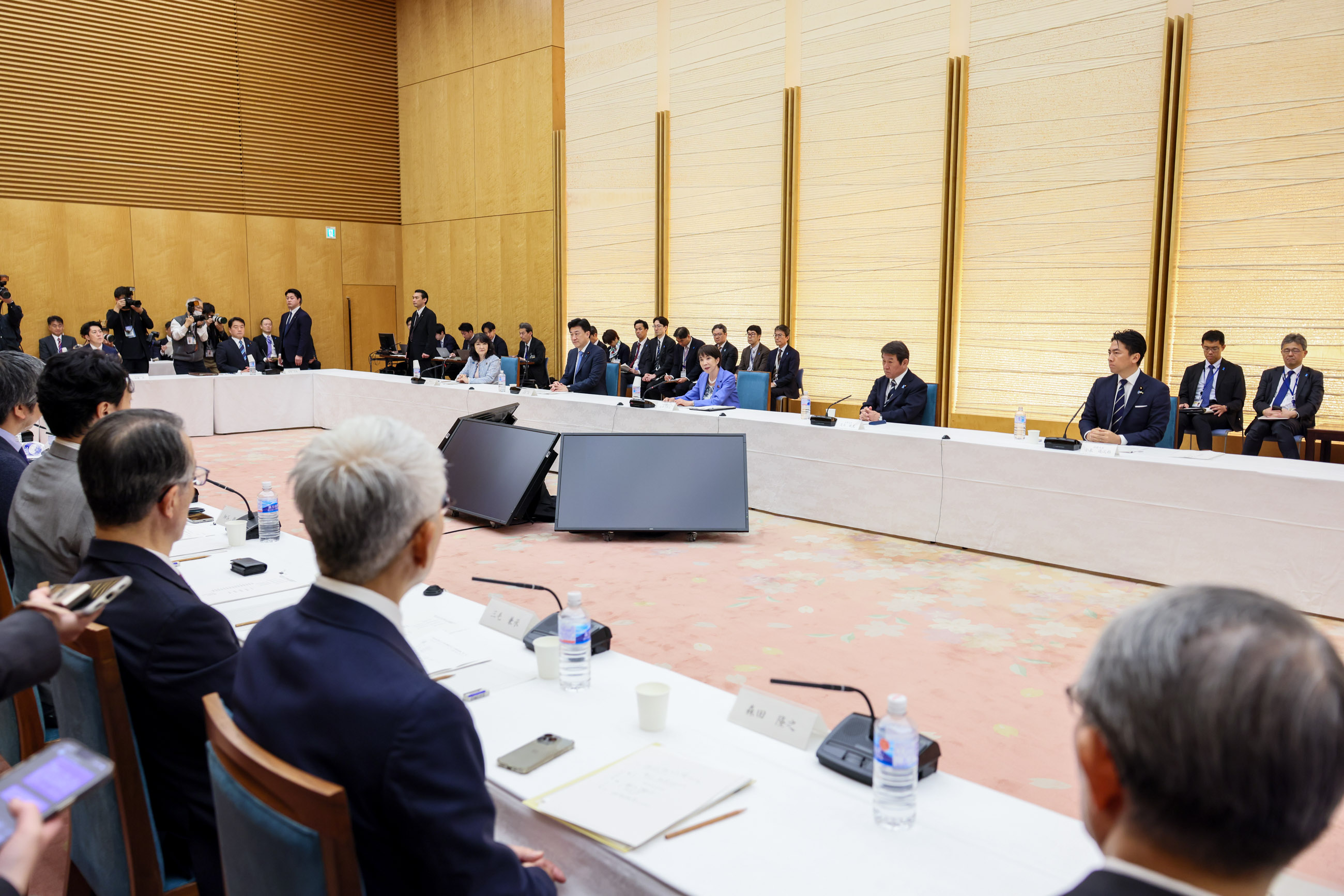
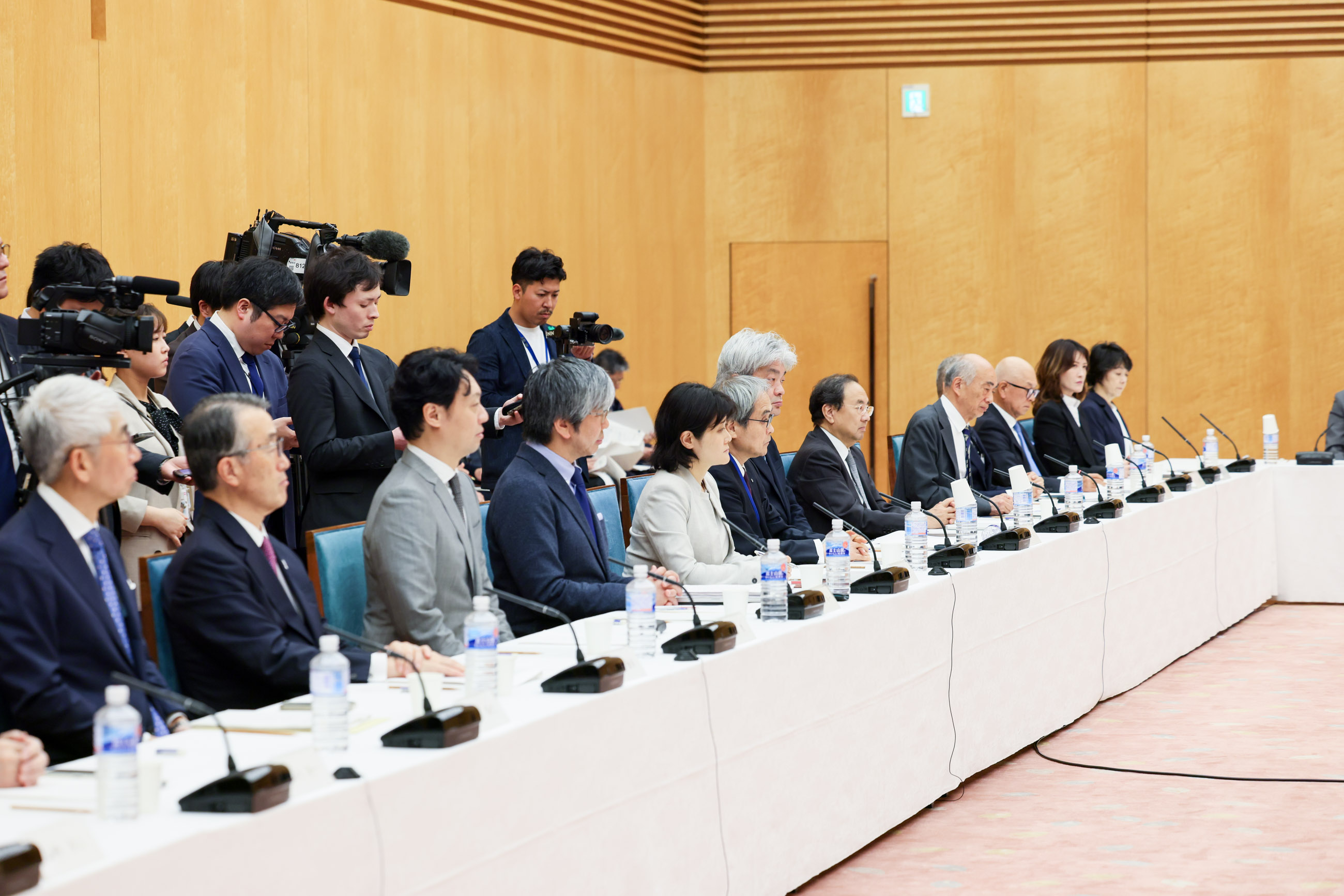
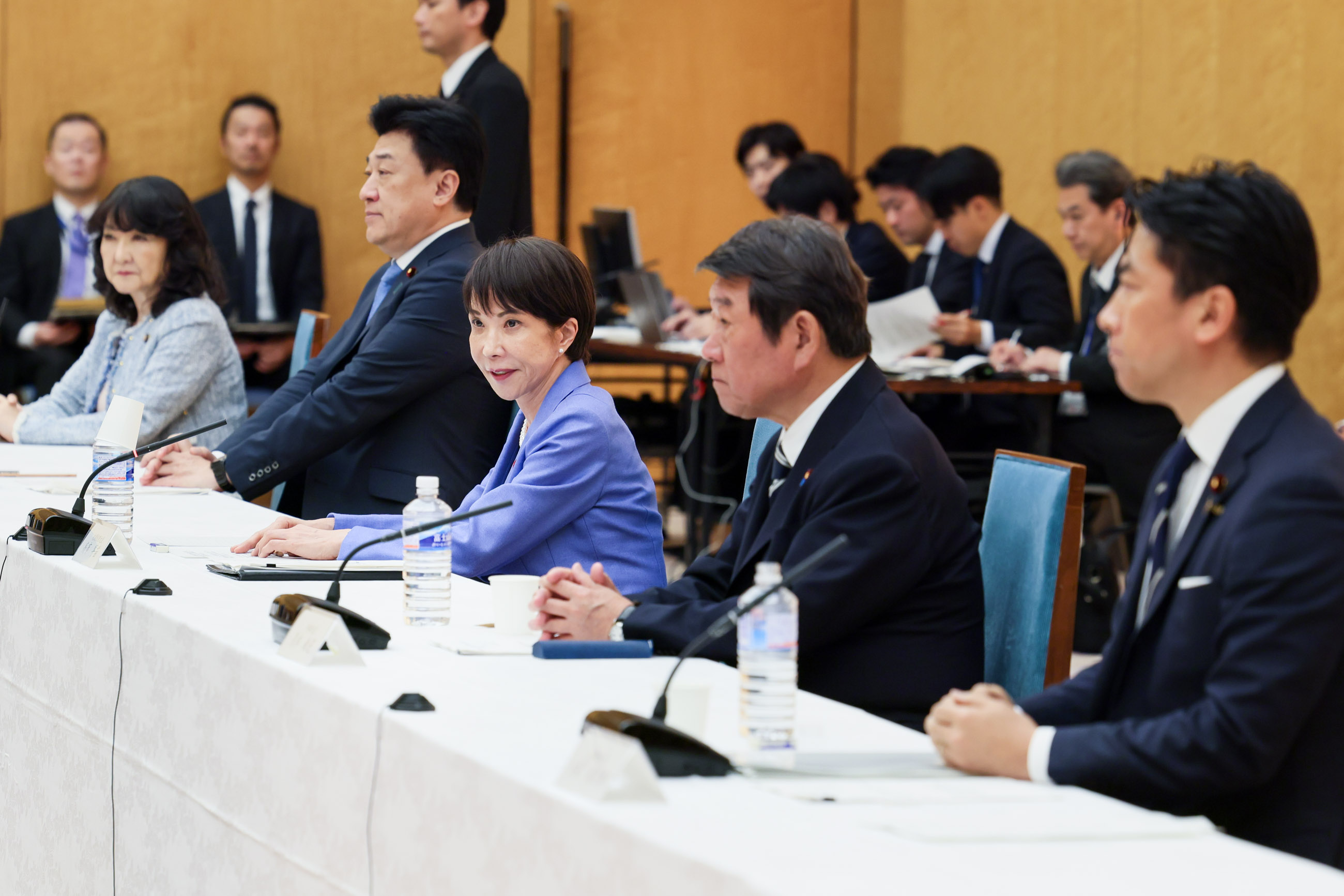
On April 27, 2026, Prime Minister Takaichi held the first meeting of the Expert Panel to Consider National Security from the Perspective of Comprehensive National Power at the Prime Minister’s Office.
At the meeting, the participants engaged in discussions on changes in the security environment surrounding Japan and the importance of “comprehensive national power.”
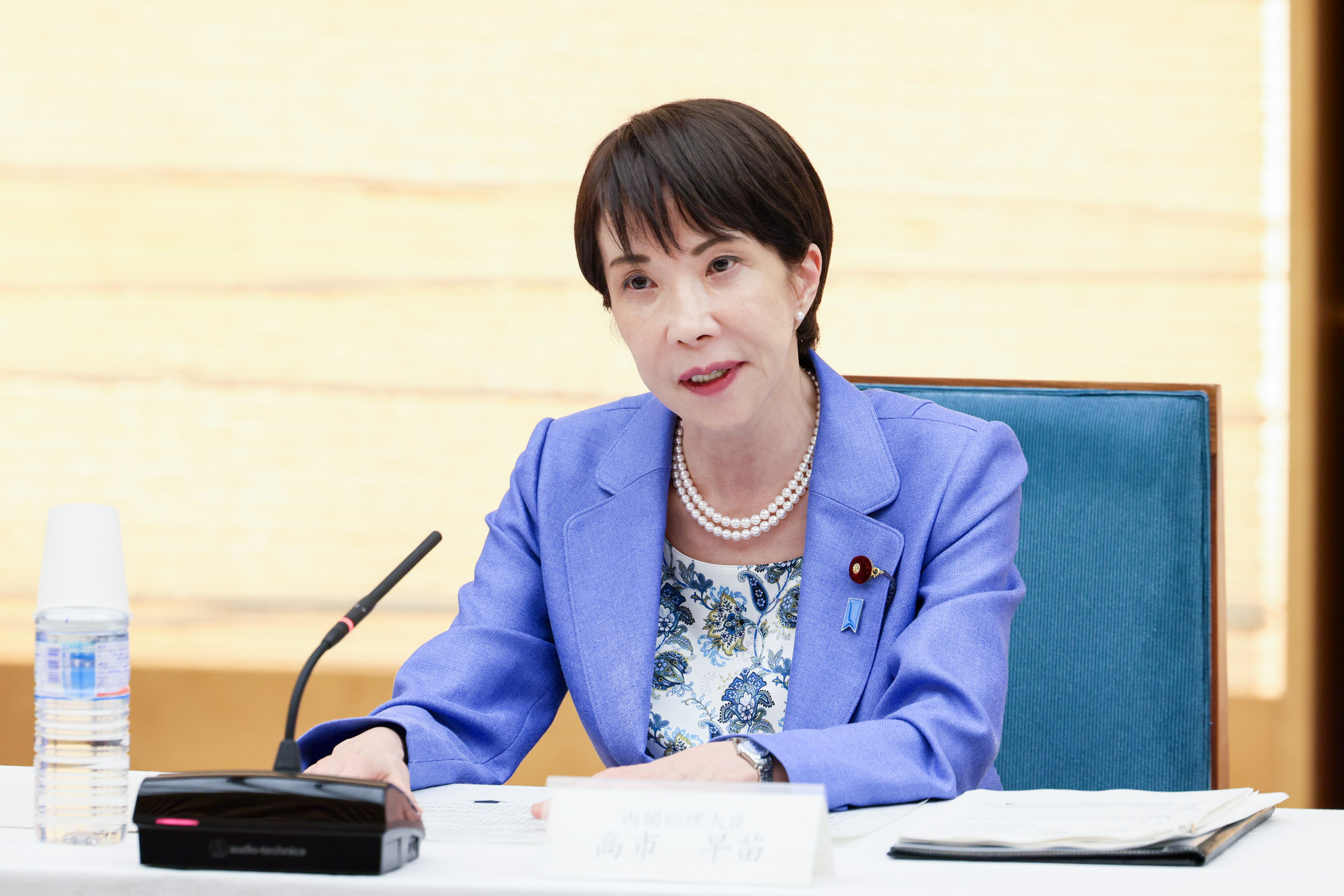
Following the discussion, the Prime Minister said:
“Thank you very much. We held the first meeting of the Expert Panel to Consider National Security from the Perspective of Comprehensive National Power. I am deeply grateful for all the members that attended and shared many opinions from diverse perspectives.
I believe that we are now in the midst of an international situation that is entirely different from anything that we have seen before. The relatively stable international order of the post-Cold War era is now a thing of the past. Geopolitical competition among nations is intensifying. In the Indo-Pacific region, we are witnessing military buildups by China and North Korea, as well as increased cooperation between China and Russia and between Russia and North Korea. Furthermore, conflicts in Ukraine and the Middle East become protracted and are affecting the entire world. Revolutionary technological advancements, such as AI (artificial intelligence) and quantum technology, are becoming decisive factors in security.
Against this backdrop, in order to fully defend Japan’s peace and independence, we must proactively pursue the fundamental reinforcement of our defense capabilities. At the same time, it is essential to thoroughly strengthen Japan’s comprehensive national power by organically integrating our diplomatic and defense capabilities with economic, technological, informational, and human resource capabilities.
Of course, we must not allow the international community to become a place where the use of force reigns. The rule of law should continue to be what Japan’s diplomacy stands on. From this viewpoint, it is also necessary to further evolve the Free and Open Indo-Pacific (FOIP).
Meanwhile, in an increasingly severe security environment, we must strengthen Japan’s deterrence and response capabilities without a moment’s delay. Drawing lessons from Russia’s aggression against Ukraine and the situation in the Middle East, we must enhance our readiness against new forms of warfare and protracted conflicts.
Another challenge is the modernization of our defense industrial base, including the utilization of cutting-edge technologies and the strengthening of resilient supply chains for defense equipment capable of withstanding contingencies.
In addition, we need to promote initiatives in various fields, such as maritime security capabilities, cybersecurity, and economic security.
In thoroughly reinforcing our comprehensive national power in this way, we must identify priority issues, allocate resources effectively and efficiently, and translate them into action.
As the world enters a period of upheaval and Japan is faced with numerous difficult challenges, the latest revision of the Three Strategic Documents is a critical undertaking that will determine our country’s fate.
From this perspective, we have gathered here a distinguished group of experts with deep insight in various fields, including diplomacy, defense, economic security, science and technology, and economic and fiscal affairs.
I sincerely ask Chairperson Sasae and all of you to contribute your professional insight and expertise based on your abundant experience, to advance discussions conducive to the revision of the Three Strategic Documents, and to compile an effective document. Thank you very much for today.”