


[Provisional translation]
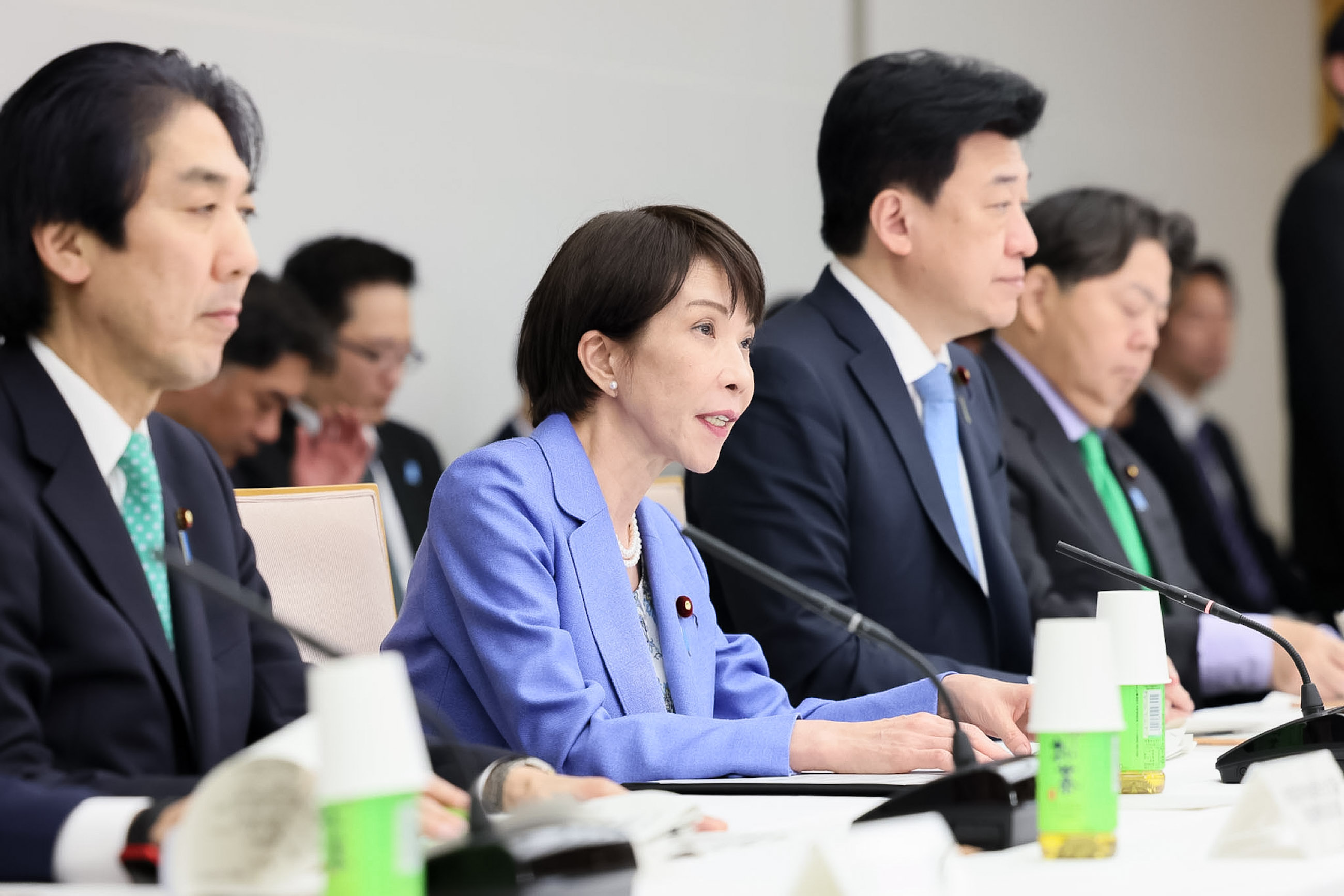
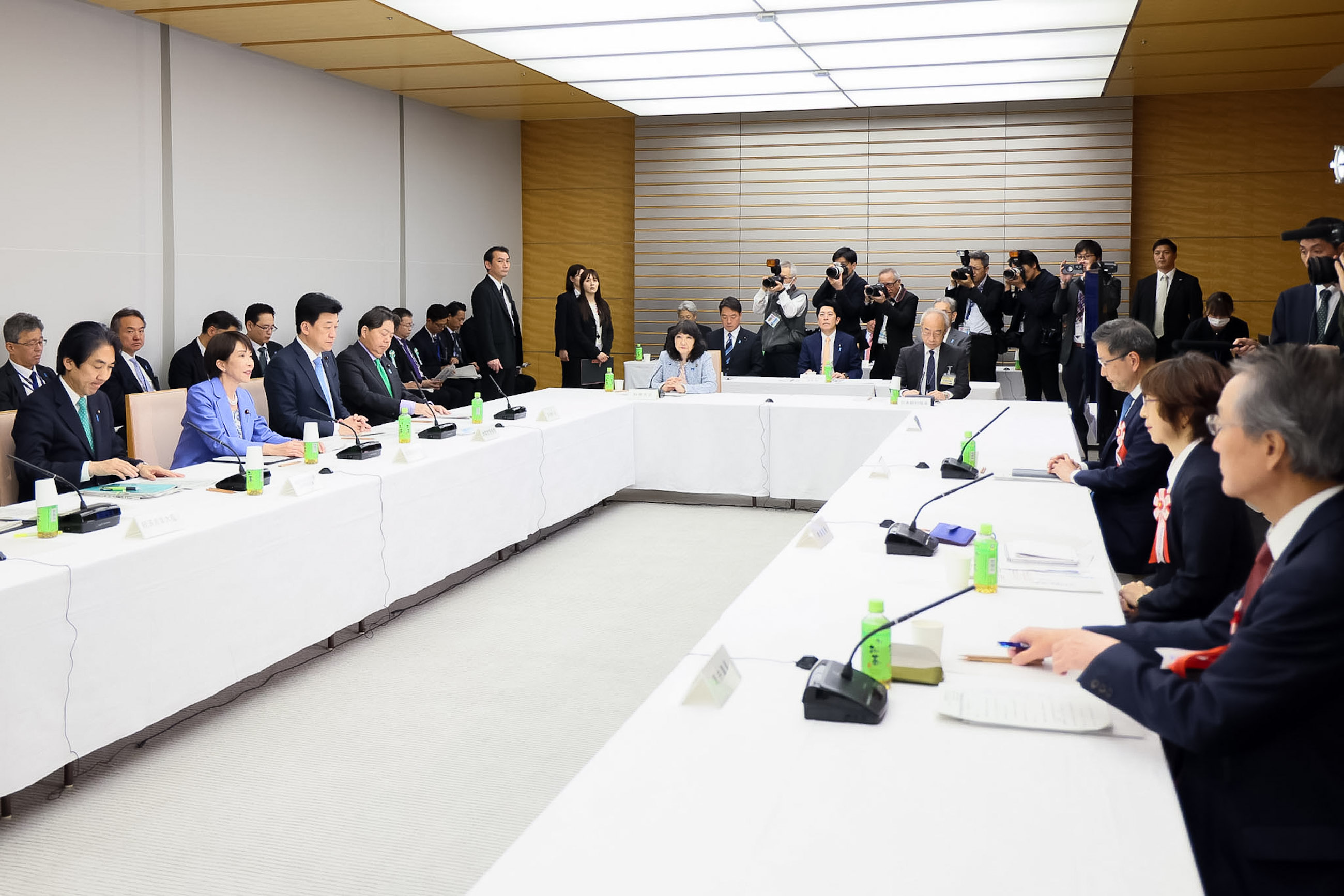
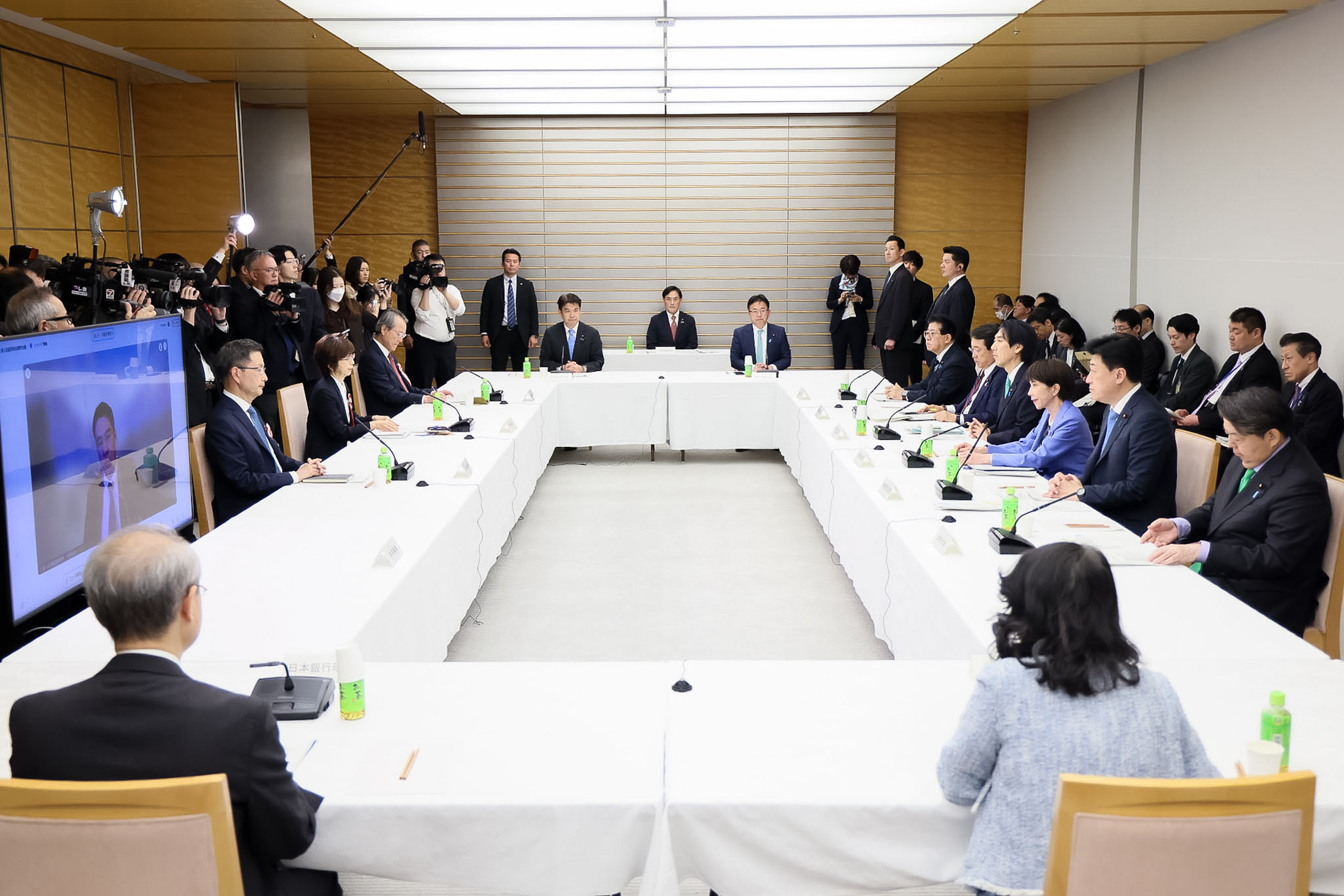
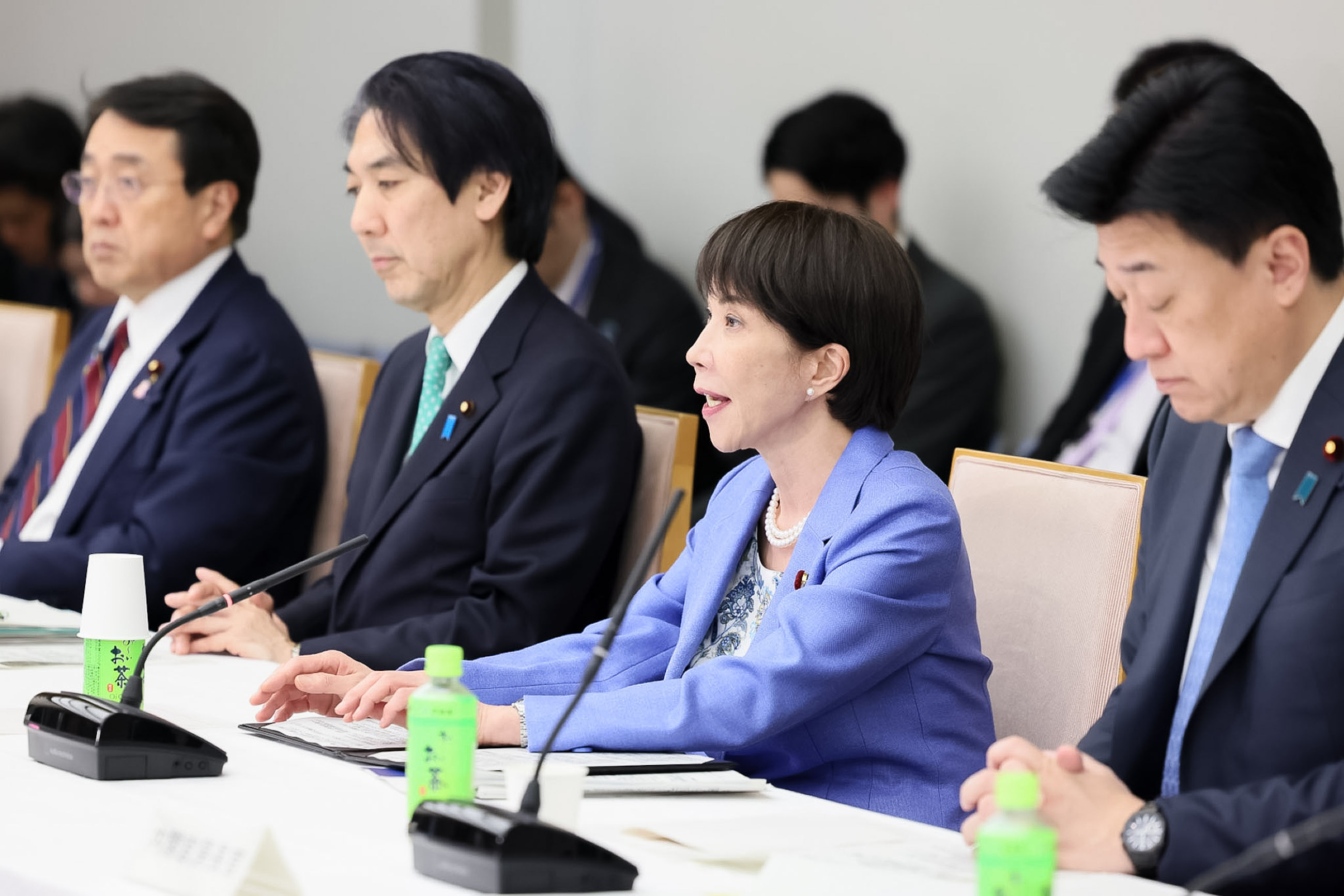
On April 27, 2026, Prime Minister Takaichi held the fifth meeting of the Council on Economic and Fiscal Policy in 2026 at the Prime Minister’s Office.
At the meeting, the participants engaged in discussions on integrated economic and fiscal reforms (non-social security fields such as infrastructure development, local administration and finance, and other matters) and enhancement of human capital (human resource development and labor market policies).
Based on the discussion, the Prime Minister stated:
“Thank you all for your hard work and dedication. Today, we first held an exchange of views on infrastructure development as well as local administration and finance.
We received proposals from the experts such as:
• That ‘strong regional economies’ needs to be developed to ‘make the Japanese archipelago stronger and more prosperous’;
• That wide-area collaboration transcending prefectural boundaries among diverse stakeholders, including local governments, business organizations, companies, and universities, should be promoted;
• That efforts to further enhance the added value of regional and local industries, including through the expansion of industrial clusters, as well as institutional reforms that make use of local creativity and ingenuity, should be promoted;
• That initiatives to ensure appropriate price pass-through and fair business practices in public procurement, which has a significant impact on regional economies, should be thoroughly implemented;
・ That preventive maintenance measures should be prioritized and effectively implemented from a long-term regional perspective in order to achieve efficient infrastructure development; and
・ That the division of roles among the national government, prefectures, and municipalities should be redefined, while efficient administrative frameworks should be established in each field.
• That ‘strong regional economies’ needs to be developed to ‘make the Japanese archipelago stronger and more prosperous’;
• That wide-area collaboration transcending prefectural boundaries among diverse stakeholders, including local governments, business organizations, companies, and universities, should be promoted;
• That efforts to further enhance the added value of regional and local industries, including through the expansion of industrial clusters, as well as institutional reforms that make use of local creativity and ingenuity, should be promoted;
• That initiatives to ensure appropriate price pass-through and fair business practices in public procurement, which has a significant impact on regional economies, should be thoroughly implemented;
・ That preventive maintenance measures should be prioritized and effectively implemented from a long-term regional perspective in order to achieve efficient infrastructure development; and
・ That the division of roles among the national government, prefectures, and municipalities should be redefined, while efficient administrative frameworks should be established in each field.
Taking these proposals into account, I ask the Minister of Land, Infrastructure, Transport and Tourism and the Minister for Internal Affairs and Communications to collaborate with relevant ministers to strengthen initiatives aimed at: strategic investments that enhance resilience against potential crises and investments that promote growth, which will enhance local resilience and earning power; promotion of initiatives needed for such investments including efficient infrastructure development, organic coordination of industrial clusters, and institutional reforms; thorough implementation of appropriate price pass-through and fair business practices in local public procurement; and inter-municipal collaboration and full utilization of digital technologies to improve the efficiency of infrastructure development and administrative services. In so doing, I also ask that you work to improve the quality of fiscal spending through enhanced effectiveness and appropriate evaluation of evidence-based policy making (EBPM).
Next, we held an exchange of views on the enhancement of human capital. We received proposals from the experts such as:
• That the next revision of the Curriculum Guidelines should be advanced in order to transform the ‘operating system’ of education starting from the primary and secondary levels, on the premise of the broader adoption of AI (artificial intelligence) in society;
• That high school education reform, the establishment of new Colleges of Technology (KOSEN) and the expansion of existing institutions, and the strengthening of university functions while optimizing their overall scale should be advanced in order to secure talent in science, engineering, and other fields essential to regional communities;
• That structural reforms should be advanced to address the situation in which many workers remain in low-wage positions as non-regular employees despite being employed on permanent or full-time terms;
• That employment environments should be improved to enable everyone, including women and elderly people, to work more comfortably, while encouraging greater participation by men in housework and childcare; and
• That the labor market, including labor mobility, job-matching functions, and reskilling support, should be comprehensively reviewed while ensuring a robust employment safety net in light of rapid societal change.
• That the next revision of the Curriculum Guidelines should be advanced in order to transform the ‘operating system’ of education starting from the primary and secondary levels, on the premise of the broader adoption of AI (artificial intelligence) in society;
• That high school education reform, the establishment of new Colleges of Technology (KOSEN) and the expansion of existing institutions, and the strengthening of university functions while optimizing their overall scale should be advanced in order to secure talent in science, engineering, and other fields essential to regional communities;
• That structural reforms should be advanced to address the situation in which many workers remain in low-wage positions as non-regular employees despite being employed on permanent or full-time terms;
• That employment environments should be improved to enable everyone, including women and elderly people, to work more comfortably, while encouraging greater participation by men in housework and childcare; and
• That the labor market, including labor mobility, job-matching functions, and reskilling support, should be comprehensively reviewed while ensuring a robust employment safety net in light of rapid societal change.
Taking these proposals into account, as part of our efforts to build a society where all human resources can thrive, I ask the Minister of Education, Culture, Sports, Science and Technology and the Minister of Health, Labour and Welfare to take the lead in promptly revising the ‘AI Guidelines’ before working on the next ‘Curriculum Guidelines.’ Please do not spend time waiting for the release of the new ‘Curriculum Guidelines’ and the revision of school textbooks thereafter; in other words, please update the ‘AI Guidelines’ before revising the ‘Curriculum Guidelines.’ At the same time, I request that you redouble efforts regarding education and human resource development toward the social implementation of AI through the fundamental enhancement and timely update of educational content, creation of outstanding cases and faster horizontal expansion of such cases, correction of unreasonable disparities in treatment through the strict implementation of equal pay for equal work, among other measures. That is all from me. Thank you again for your dedication.”