


[Provisional translation]
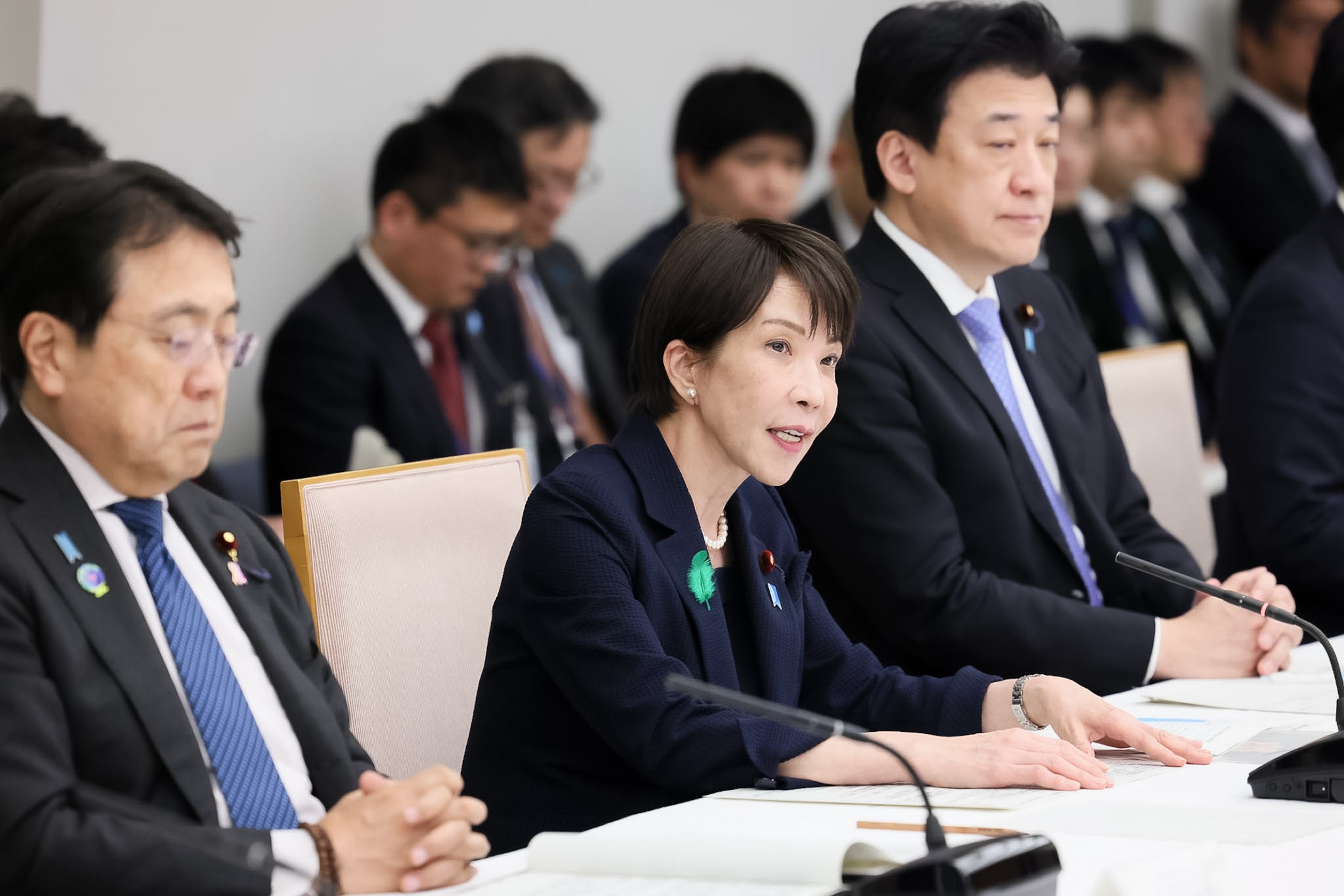
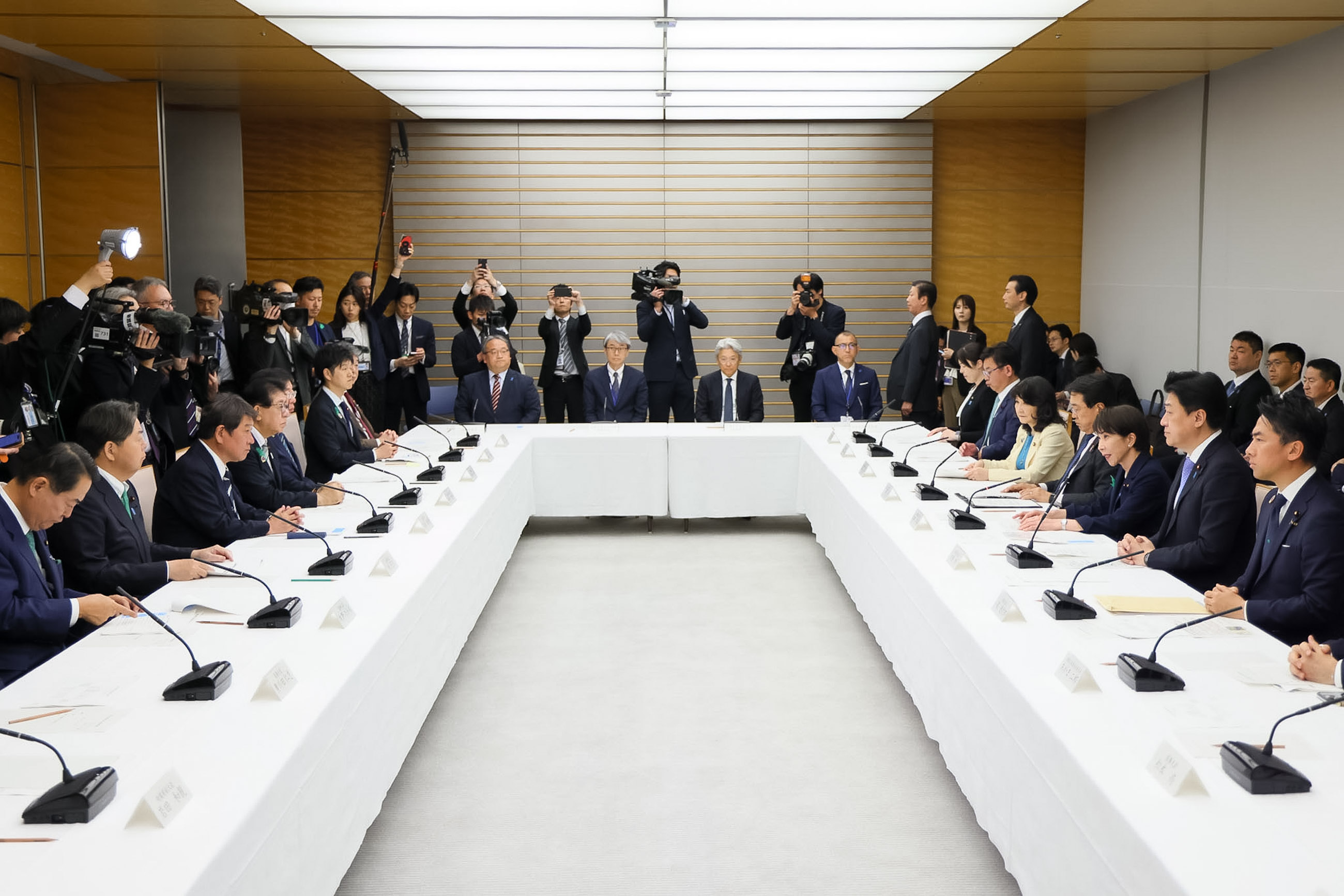
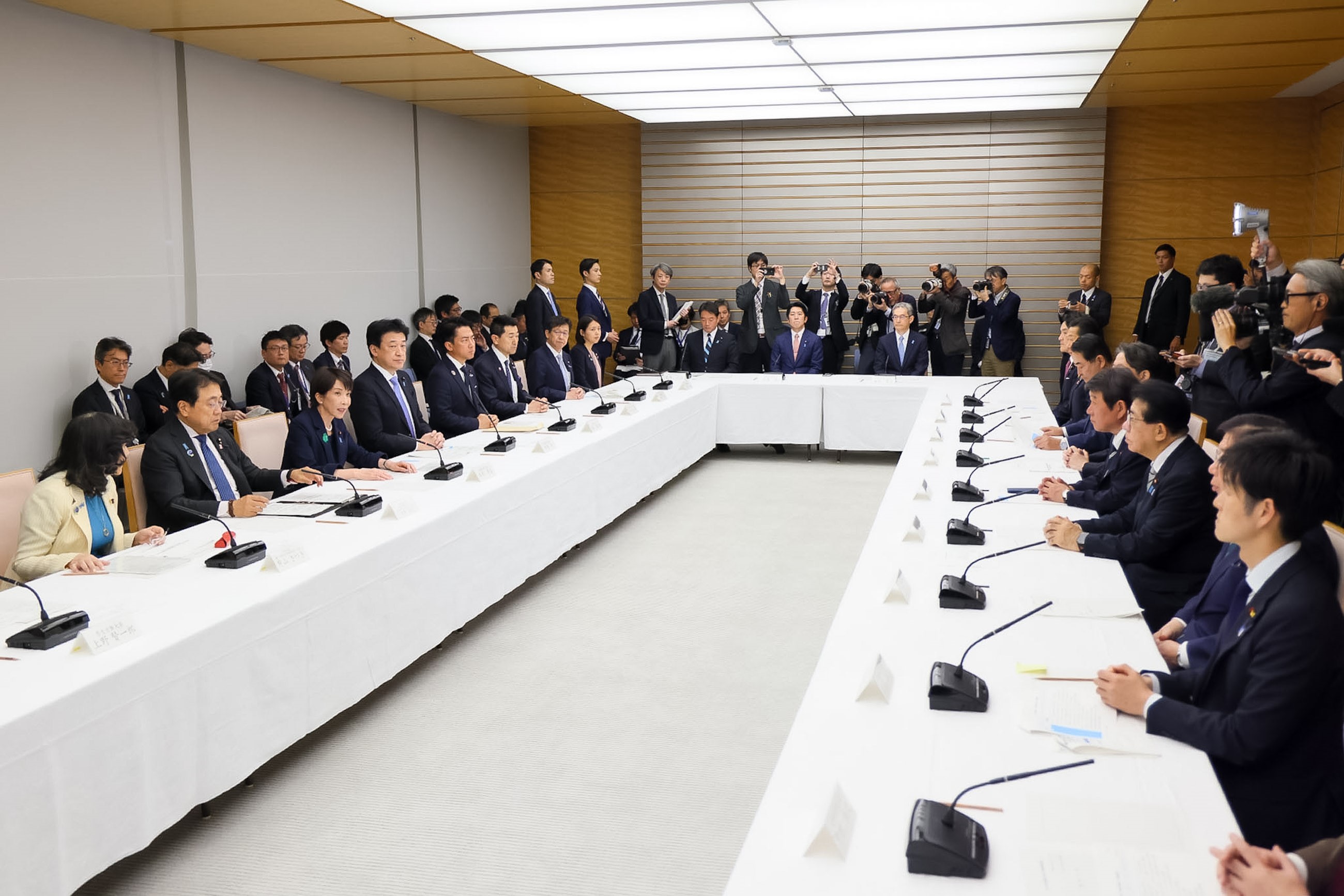
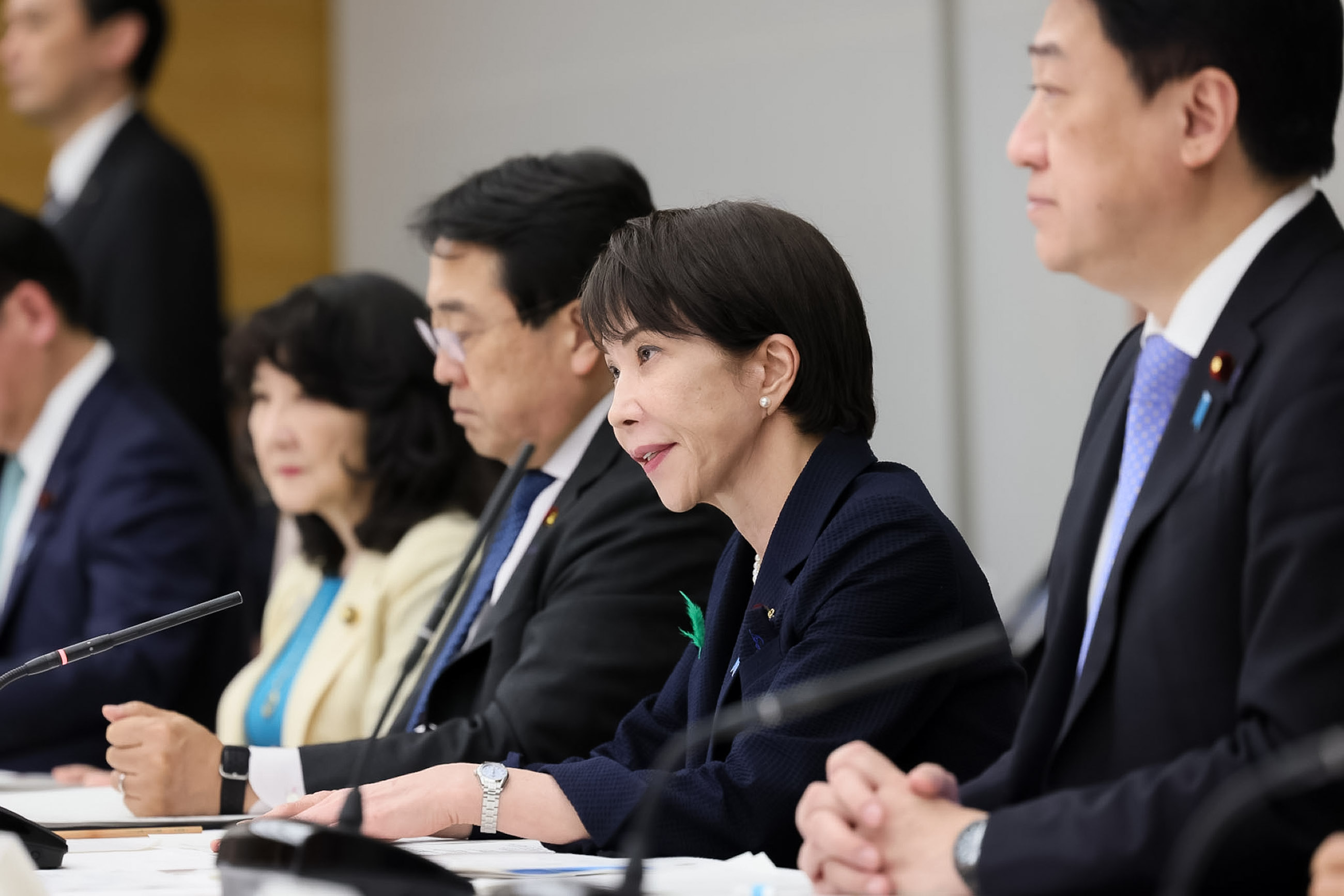
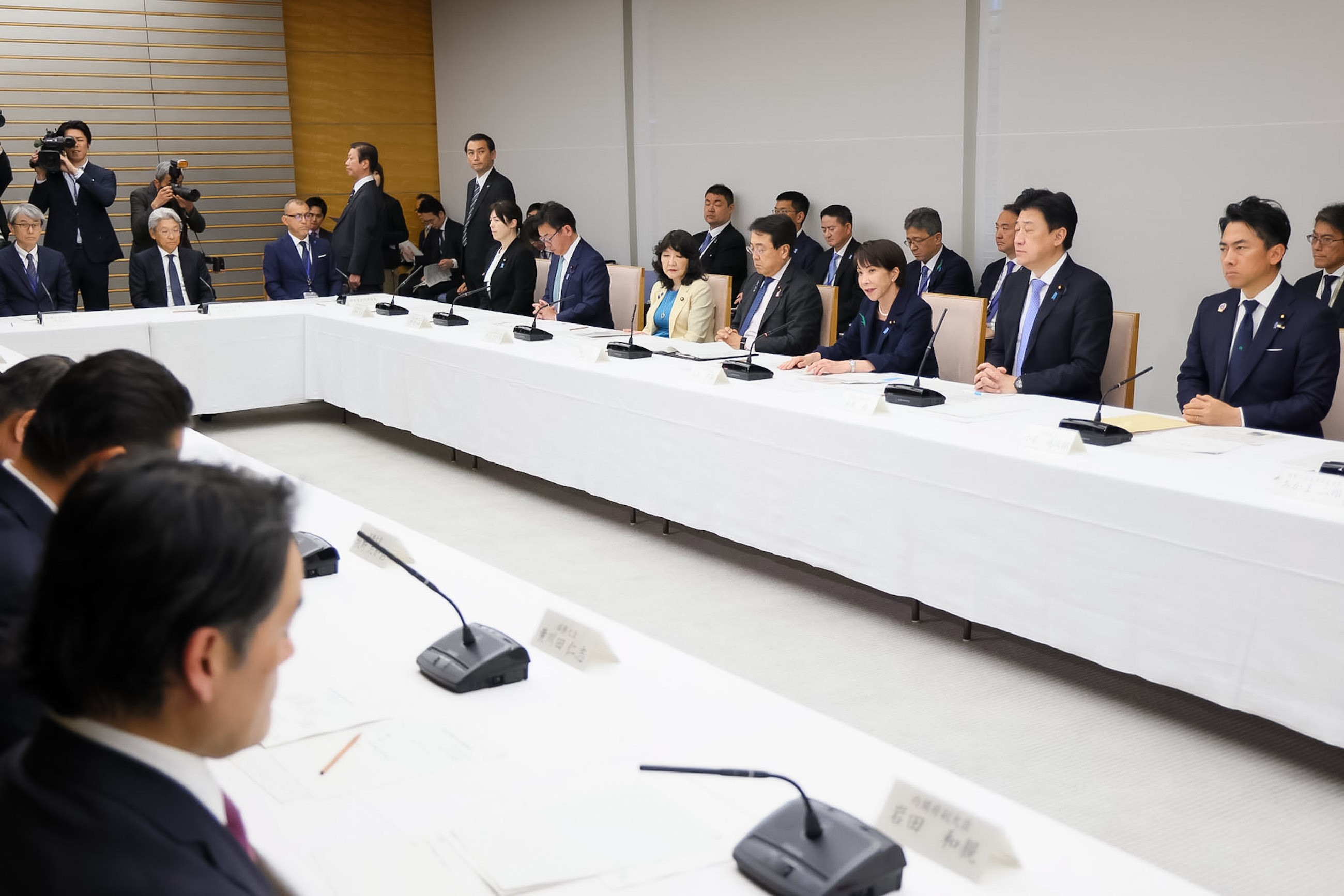
On April 24, 2026, Prime Minister Takaichi attended the fifth Ministerial Meeting on the Situation in the Middle East at the Prime Minister’s Office.
At the meeting, the participants engaged in discussions on the situation in the Middle East and related matters.
Based on the discussion, the Prime Minister stated:
“Thank you all for your hard work and dedication. Following last week’s session of this ministerial meeting, I held summit telephone calls with the leaders of Qatar, Mexico, New Zealand, and Saudi Arabia.
Through these types of diplomatic efforts, we will strive to ensure the steady de-escalation of the situation. At the same time, we will continue to work earnestly to ensure the free and safe navigation of vessels from Japan and all other countries through the Strait of Hormuz, which is part of the global commons, while securing a stable supply of crude oil and petroleum products and enhancing the resilience of supply chains.
As part of our domestic measures, we continue to provide subsidies for gasoline, diesel, heavy oil, and kerosene, among others, and this week’s average gasoline price nationwide is being kept at around 170 yen.
With regard to crude oil, we have secured the necessary quantity for Japan as a whole, and prospects are now in place for ensuring a stable supply of oil beyond the end of the year. We are also on track toward procuring 60% of crude oil via alternative routes that do not pass through the Strait of Hormuz in May.
In addition to procuring crude oil from the Middle East and the United States, we will also source from Central Asia, Latin America, and Asia Pacific. I request that Minister Akazawa work to further diversify our procurement sources for June and ensure that the level of alternative procurement in June exceeds that in May.
Regarding distribution bottlenecks for the lubricants and adhesives that small and medium-sized enterprises use on a broad scale in manufacturing and construction, we have confirmed that supplies at raw material wholesalers and manufacturers are on par with last year’s levels. Efforts to resolve bottlenecks beyond that point, including at product wholesalers, are also progressing steadily. I ask Minister Akazawa and Minister Kaneko to continue working to resolve these bottlenecks.
In the healthcare sector, which is directly linked to people’s lives, we are making steady progress in addressing distribution bottlenecks for items such as disinfectant containers and coating agents for dental injection needles. As for dialysis supplies, we have gradually resolved bottlenecks in the supply of raw materials, such as solvents for manufacturing domestically produced blood purification devices and sterilization gas for needles. For dialysis tubes, which rely on imports, the necessary supply volume through the end of September has been secured through arrangements to prioritize the supply of petroleum-based raw materials to Japanese-affiliated manufacturing facilities overseas. As a result, we have achieved a stable supply of dialysis supplies for the time being.
In medical settings, however, merely securing a stable supply for the time being is not acceptable. I ask Minister Ueno to work in cooperation with Minister Akazawa and to utilize the ‘POWERR Asia’ framework to ensure a stable supply of dialysis supplies from October onward in order to dispel the anxiety of dialysis patients as soon as possible.
Plastic agricultural materials are essential for the stable production and supply of food. As with fertilizers, we have confirmed that most farmers have already procured the necessary supplies for this spring. While there were some concerns about the procurement of agricultural mulching sheets, we have confirmed that the supply of the raw material, polyethylene, is possible at last year’s level. In order to alleviate concerns about the future procurement of plastic agricultural materials, including agricultural mulching sheets and rice bags, I ask Minister Suzuki to cooperate with Minister Akazawa to meticulously check the supply chain for each item, encourage raw material manufacturers to ensure a stable supply, and take every possible measure to ensure that there will be no disruption to the stable supply of food.
We have thus been steadily addressing issues one by one in sectors that support the lives and livelihoods of the public. Please refer to Document 4 at hand for details.
Minister Motegi truly demonstrates his remarkable initiative day after day. Echoing my instructions at the recent informal gathering of ministers, I request that, as the relevant ministers head abroad on official trips during the Golden Week holiday period, they strive not only to ensure the stable procurement of crude oil and petroleum products but also to develop new supply sources. I also ask that they listen attentively to the concerns of each and every citizen and devote every effort to resolving bottlenecks and ensuring the stable supply of critical goods.
I sincerely appreciate the hard work you put in every day, and I ask for your continued support. That is all from me.”