


[Provisional translation]
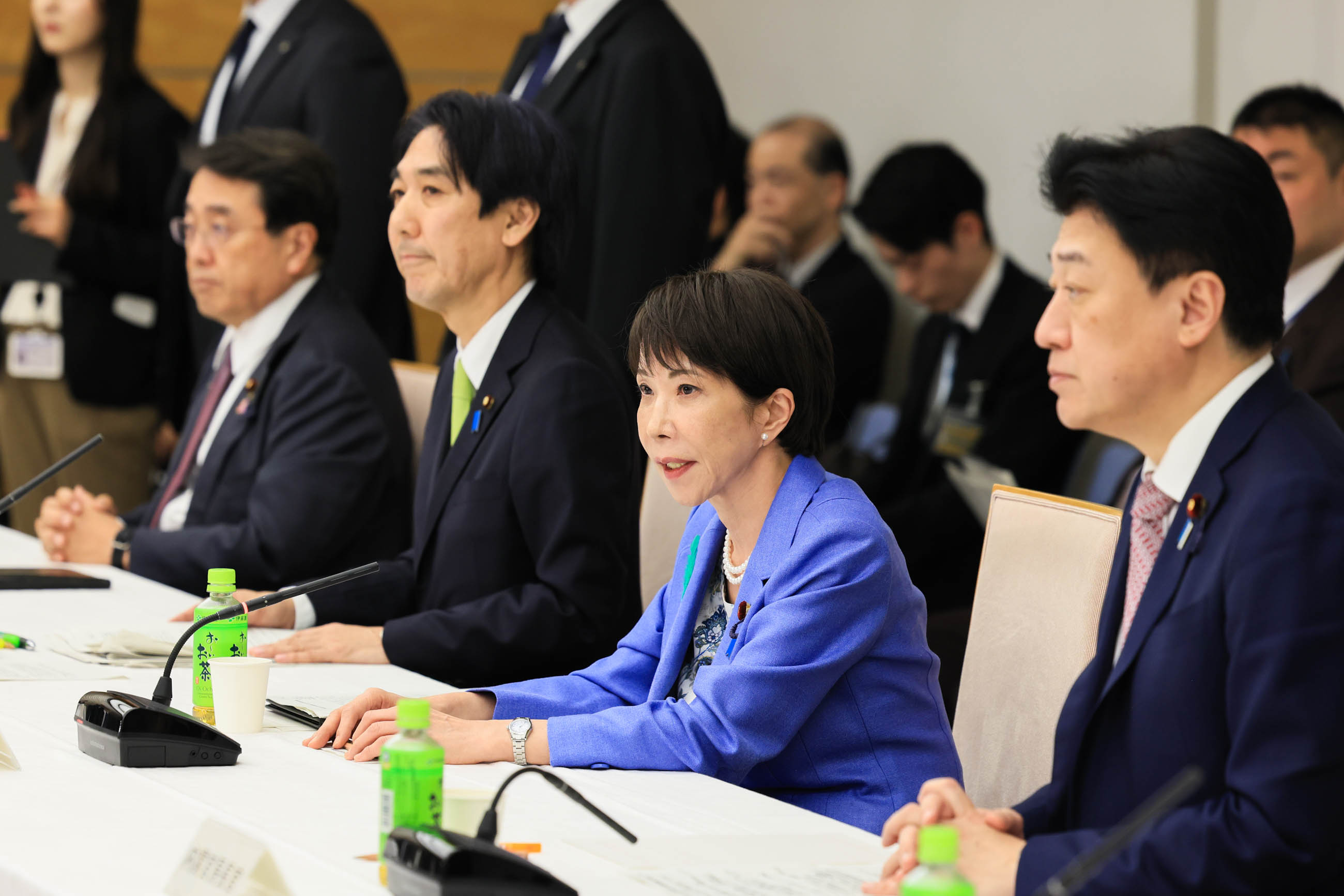
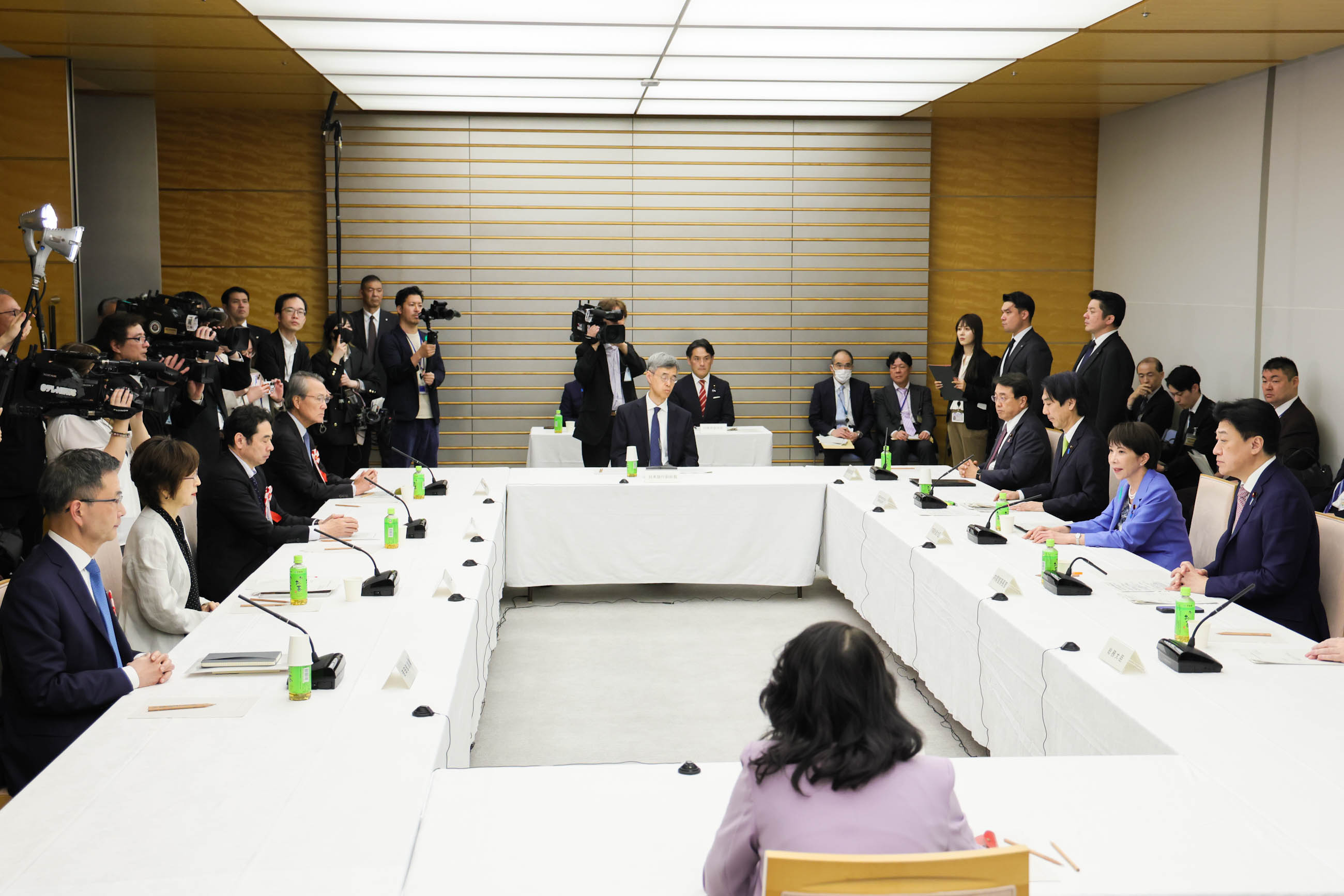
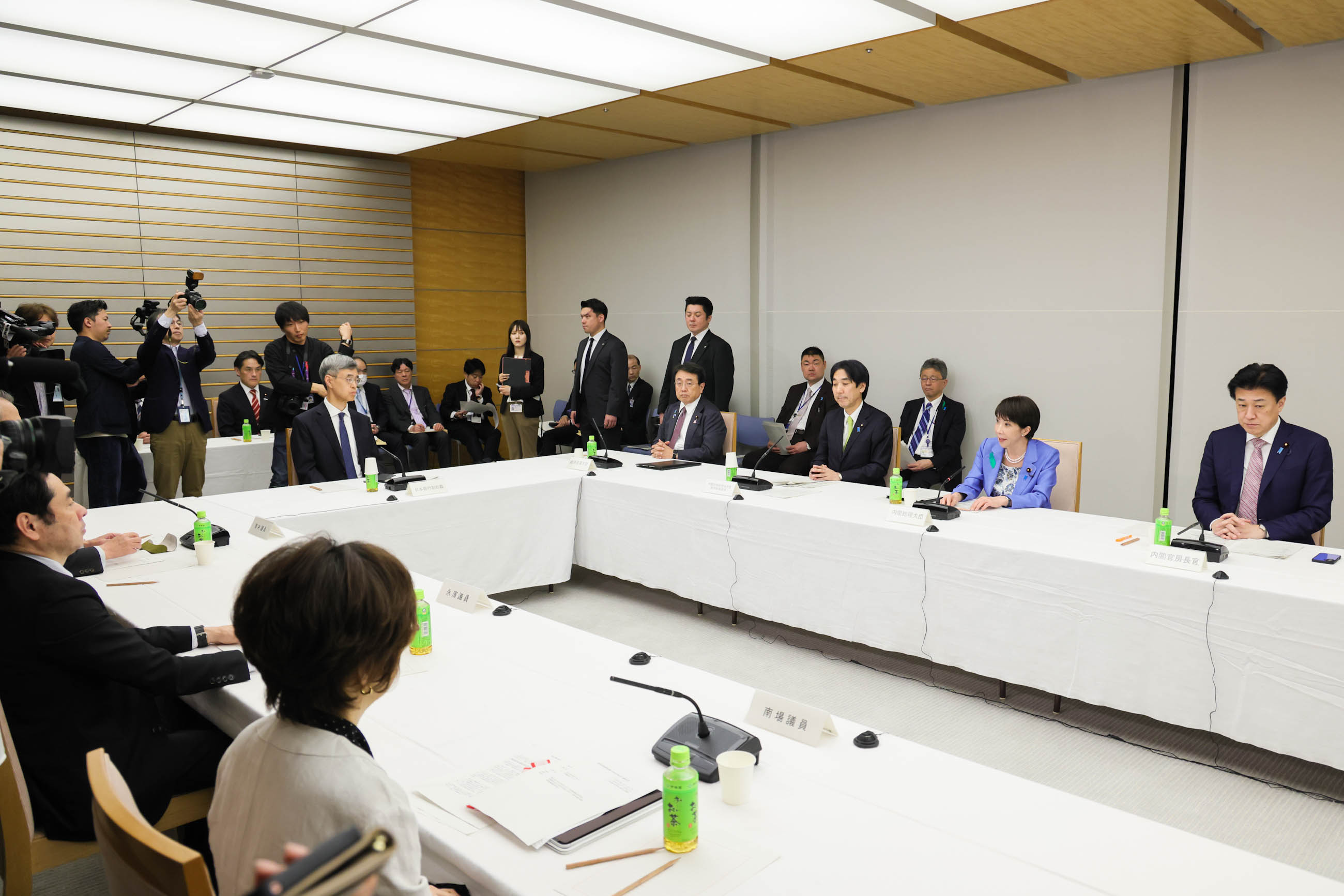
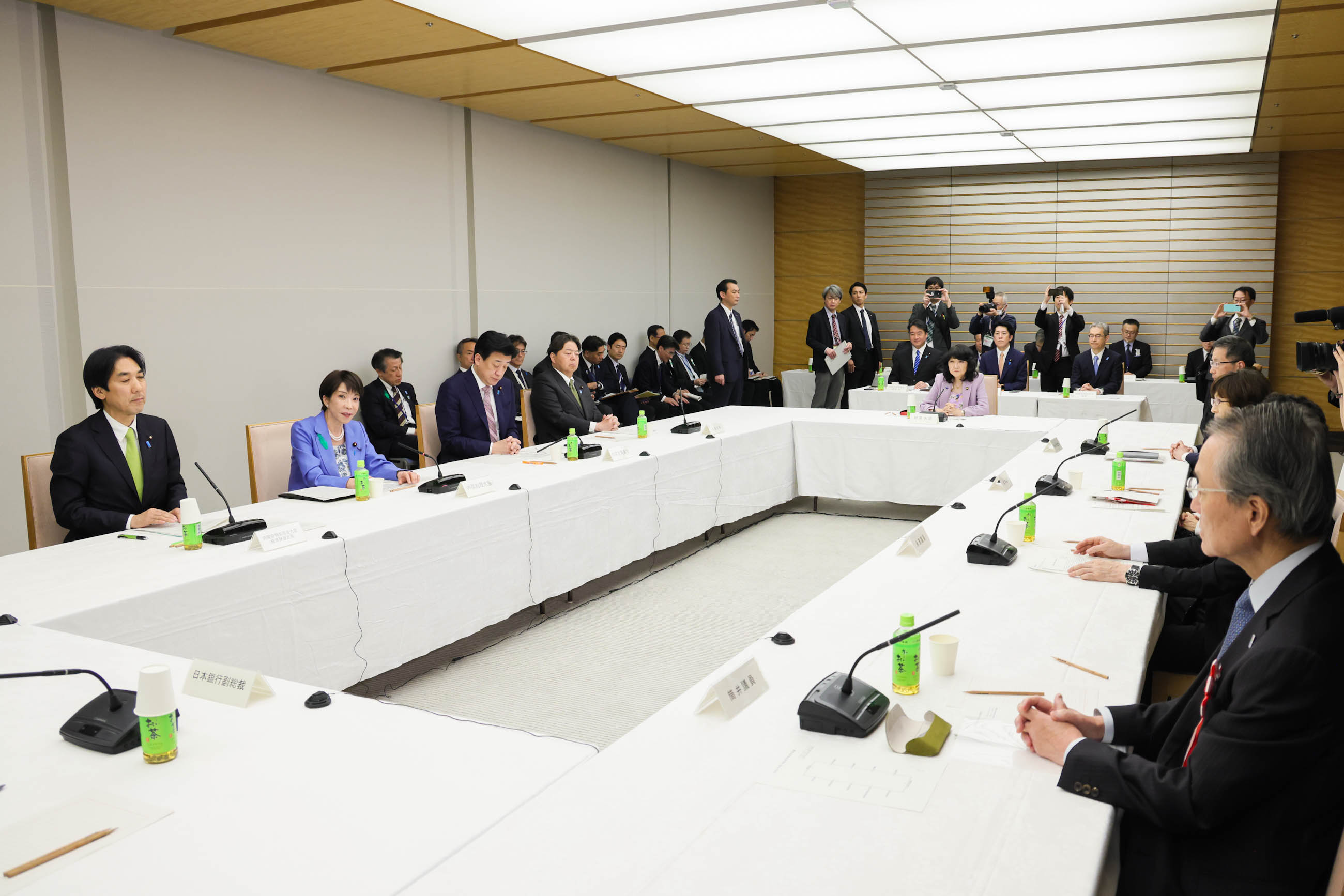
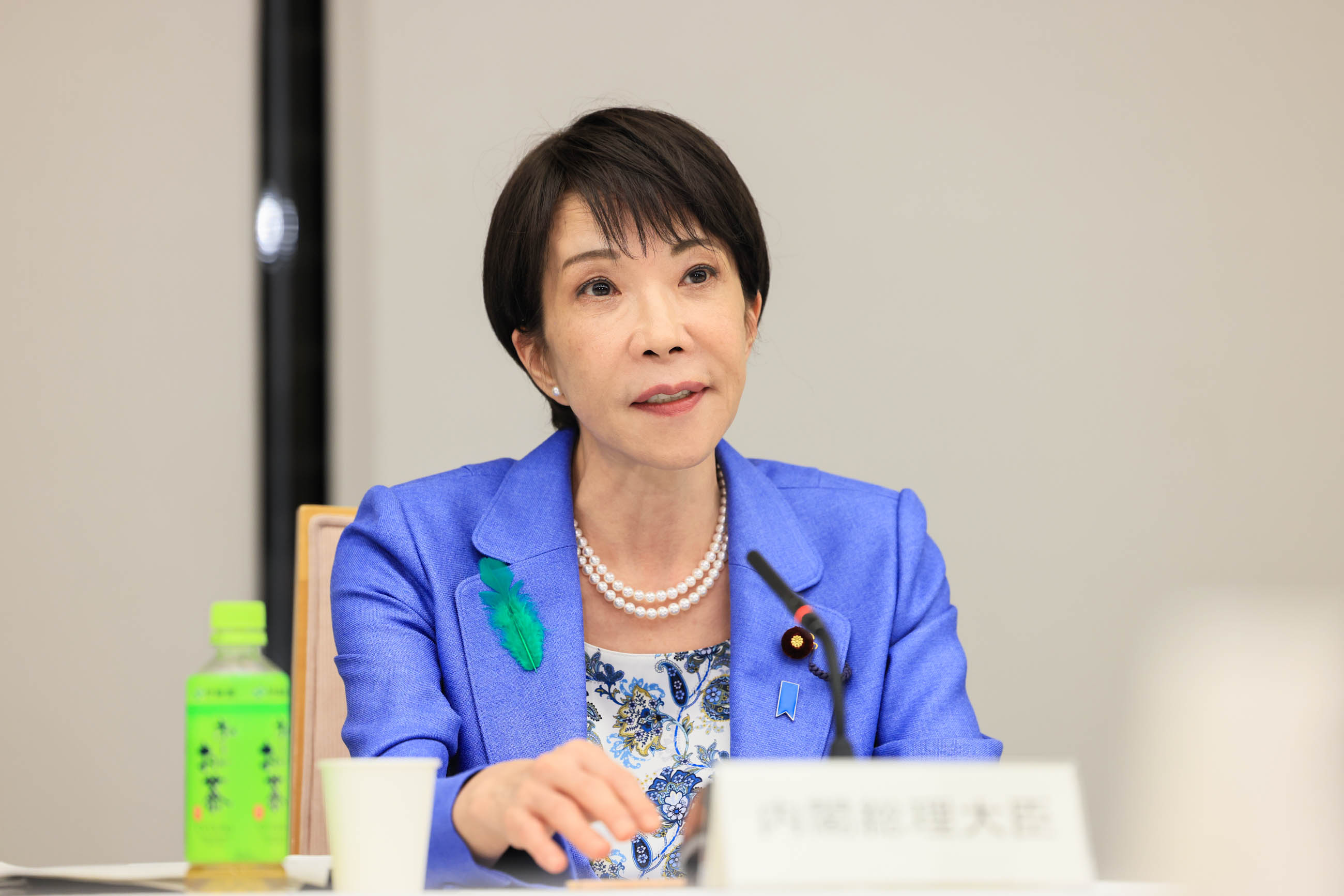
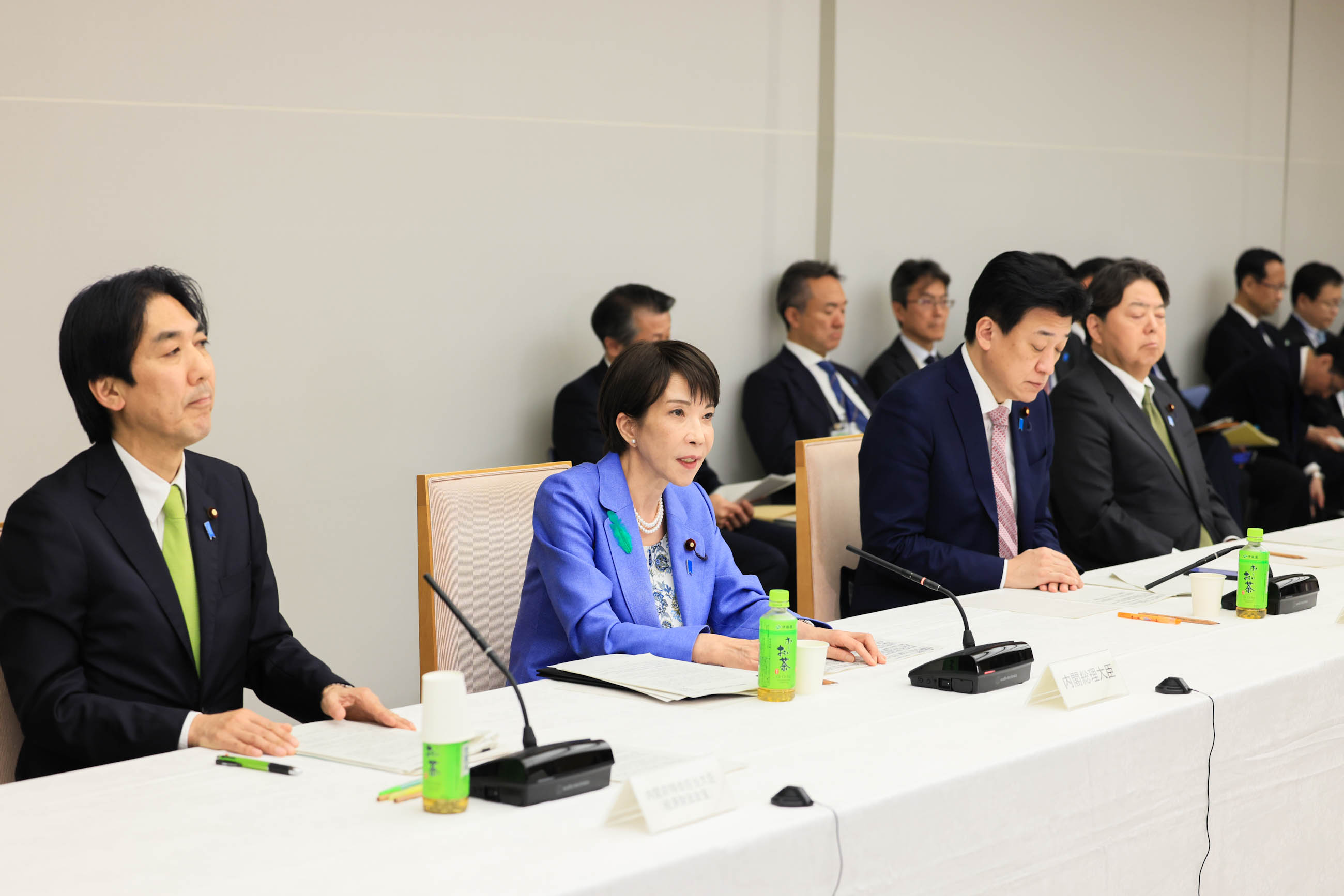
“Thank you all for joining us today. Before we begin today's discussion, I would like to make a few remarks. Tomorrow, April 14, marks the tenth anniversary of the earthquake with a seismic intensity of 7, which served as a foreshock to the Kumamoto Earthquake. The main shock of the Kumamoto Earthquake occurred two days later, also measuring a seismic intensity of 7, and the series of seismic activity caused extensive damage mainly in Kumamoto Prefecture. I believe it is crucial that we ensure the experiences and lessons learned from such disasters are not forgotten, and properly passed on to the next generation, and that we continue our unceasing efforts toward national resilience and disaster prevention. Nothing matters more than human life, so let’s keep on addressing these issues.
Today, we exchanged views on the formulation of the Basic Policy on Economic and Fiscal Management and Reform. Towards the compilation of this year’s Basic Policy, we received proposals from the experts including:
•The Government should comprehensively present the concrete details and vision of “responsible and proactive public finances” both domestically and internationally;
•The Government should set forth a comprehensive overview of the economy, fiscal policy, and social security, including new policy agenda items such as a growth strategy, integrated reform of social security and taxation, and fiscal management targets; and
•The Government should limit the inclusion of individual measures and projects, which have increased in recent years, and instead focus on the broad policy direction and major policy changes.
I ask Minister Kiuchi to proceed with the formulation process in coordination with the ruling parties, while taking these proposals into account, and to follow the principle that the document clearly presents the Takaichi Cabinet’s economic and fiscal management policy, being ‘big-boned’ in the true sense, is concise, easy to understand, and conveys a clear message.
Next, we exchanged views on budget formulation. The experts proposed five ‘basic principles’ toward a fundamental overhaul of our ‘approach to budget formulation.’ The Takaichi Cabinet has put emphasis on growth and investment while balancing a ‘strong economy’ with ‘fiscal sustainability’ in both supplementary and initial budgets thus far. We will further consolidate these efforts to achieve a ‘virtuous economic cycle.’
As for fiscal management targets, our core target is to steadily lower Japan’s ratio of outstanding government debt to GDP. We will continue to raise the growth rate and make sure to restrain the growth of government debt within the range of nominal economic growth while keeping an eye on interest rates and other market trends.
With regard to the primary balance, we will check it as we work to reduce the debt-to-GDP ratio, and will manage it under a steady downward trend over multiple years.
Regarding the overall budget formulation process, we will ensure that rising prices and wage increases are properly reflected in the budget. At the same time, we will shift from the traditional budgeting approach followed during the ‘era of deflation and low growth’ and revise our approach to one that is suitable for ‘enhancing economic growth potential’ and ‘expanding the nominal size of the economy.’
Regarding strategic investments that enhance resilience against potential crises and investments that promote growth, we will establish a ‘new investment framework’ that can be implemented with predictability separate from regular expenditures. As for funding sources, we will carefully assess the fiscal scale that is feasible even while steadily reducing the debt-to-GDP ratio, and manage it flexibly in a manner consistent with the medium-term debt trajectory. Among these, investments in areas of particular importance for economic security will be managed under a separate framework after securing funding over multiple fiscal years.
Supplementary budgets will be limited to items of high urgency. Funds for permanent programs will be allocated in the initial budget in general, thereby shifting away from our reliance on supplementary budgets.
In order to help ensure the ‘sustainability’ of fiscal indicators such as the debt-to-GDP ratio, we will strengthen our analysis and verification processes that take into account such uncertainties as growth rates and interest rates. In addition, we will strive to maintain close dialogue with market participants to secure market confidence.
With these basic principles in mind, we will accelerate discussions toward a fundamental overhaul of budget formulation towards compilation of the ‘Basic Policy.’
I ask all experts to continue engaging in active discussion. Thank you again, for your participation today.”