


[Provisional translation]
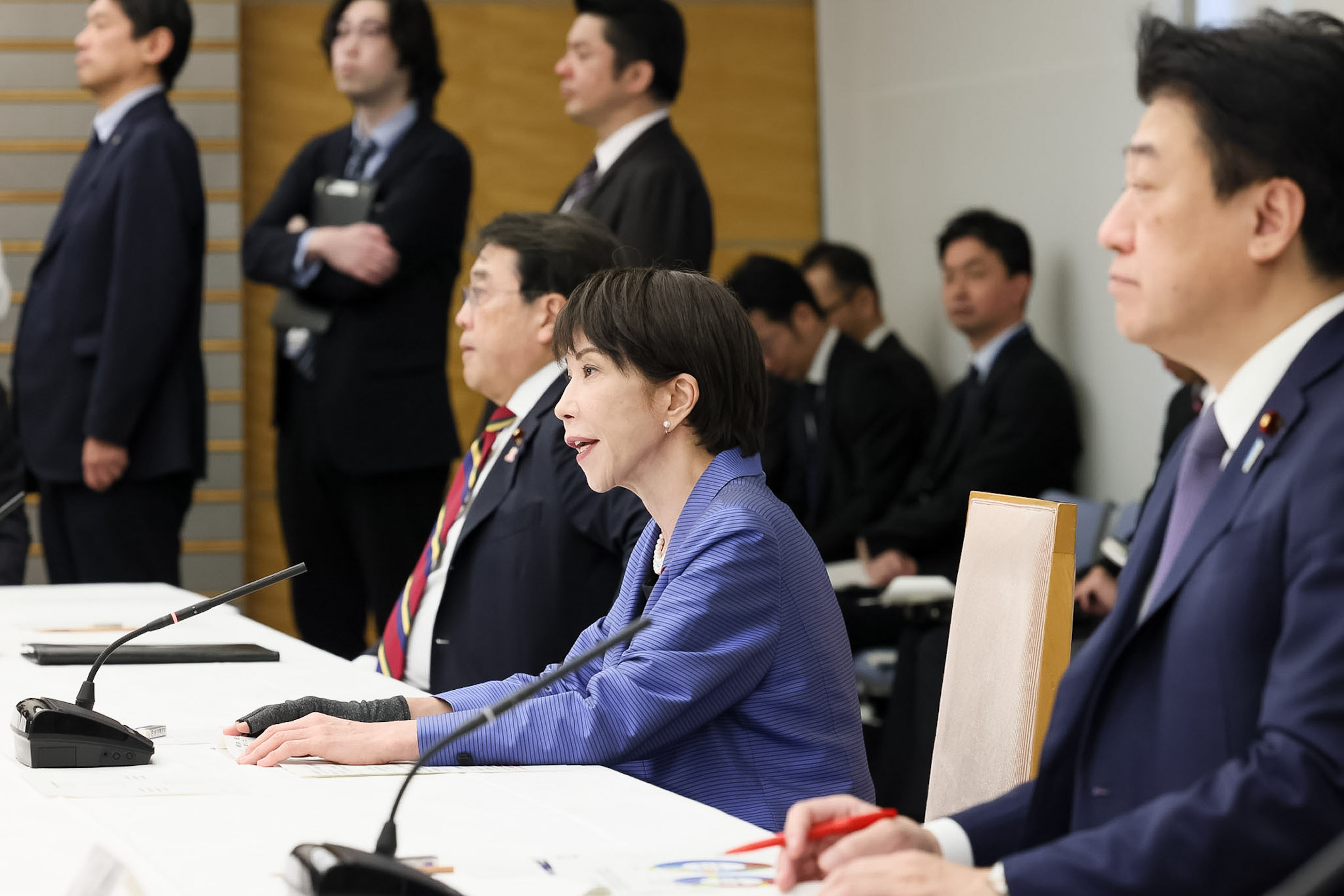
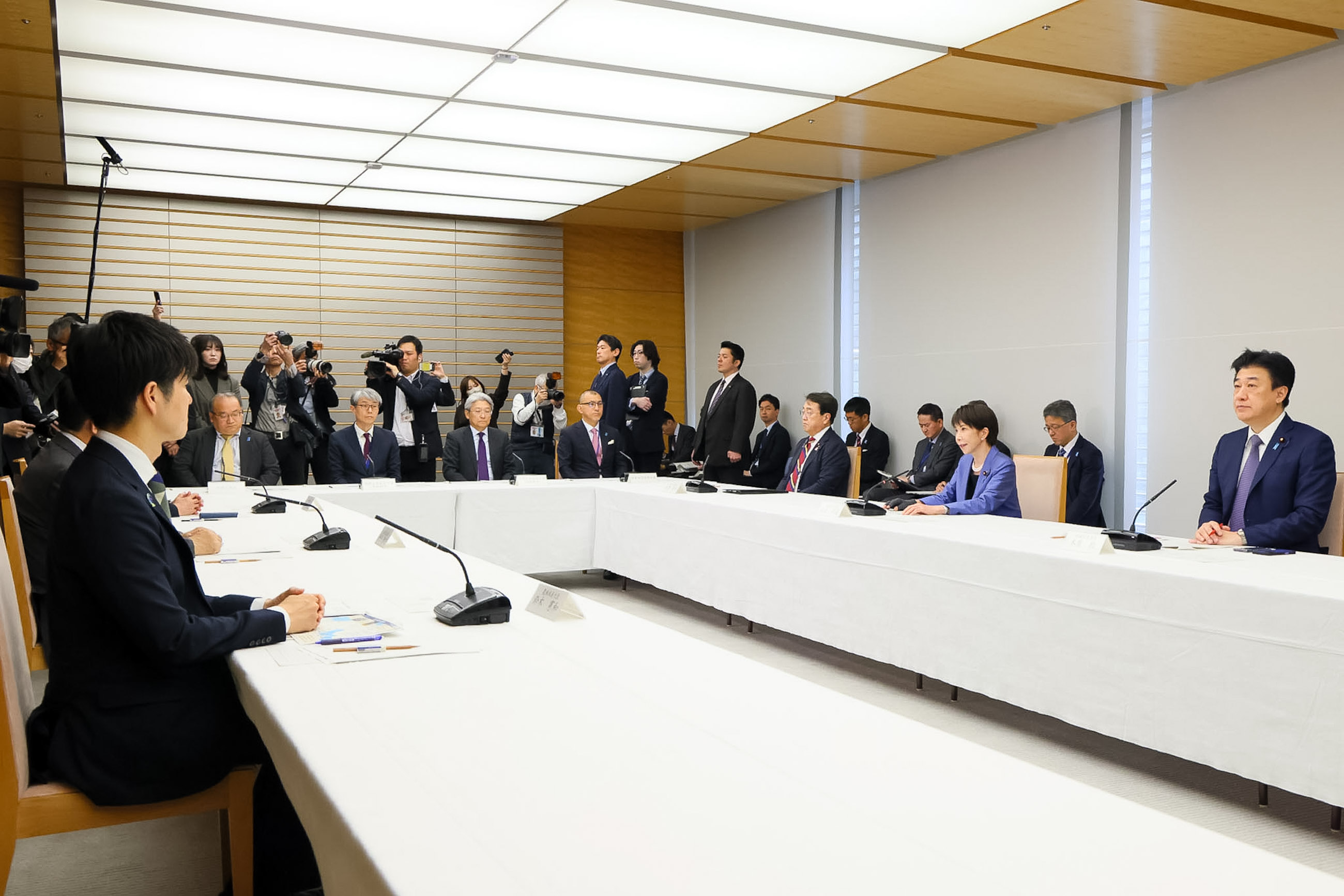
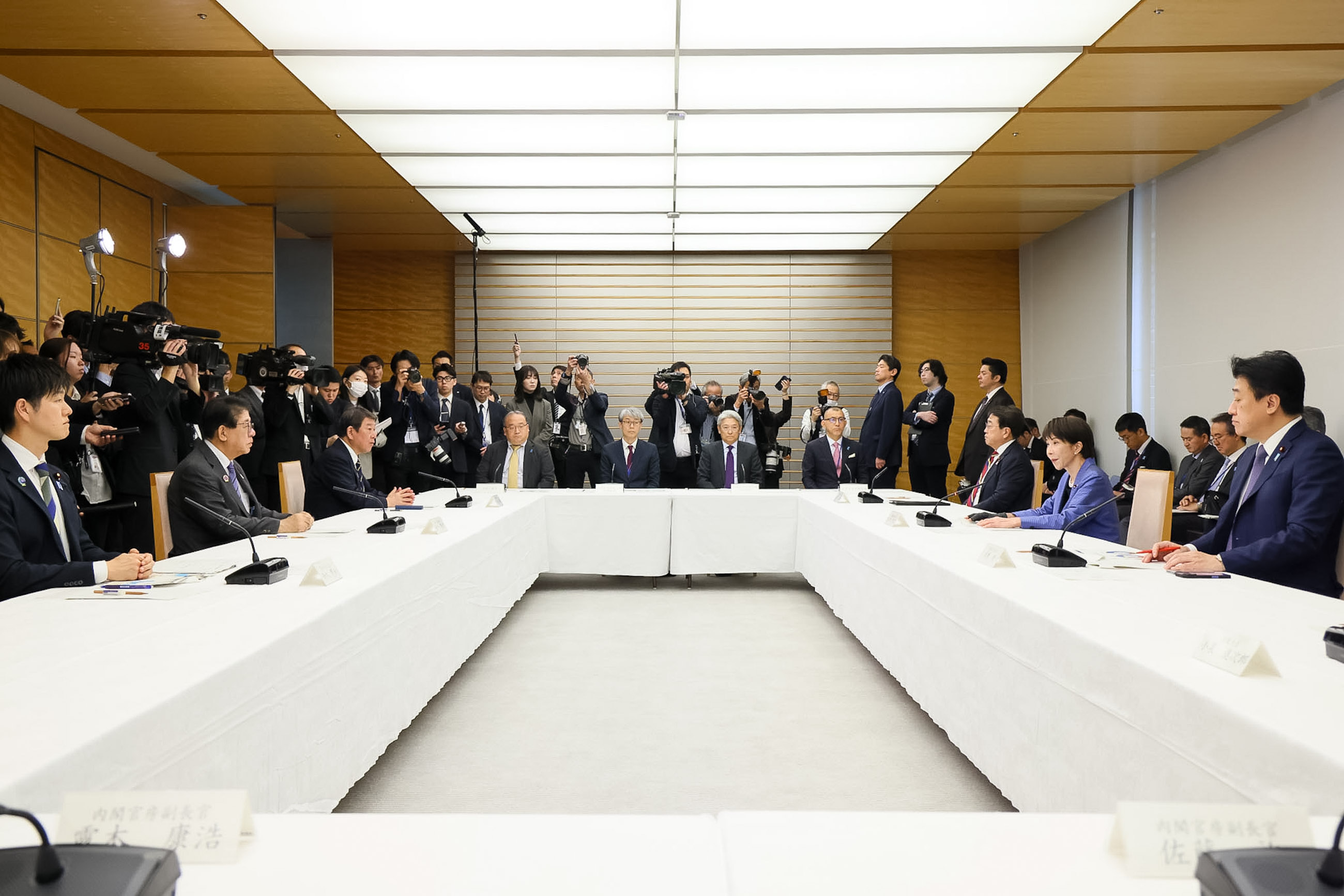
On March 24, 2026, Prime Minister Takaichi attended a Ministerial Meeting on the Situation in the Middle East at the Prime Minister’s Office.
At the meeting, the participants engaged in discussions on the situation in the Middle East and related matters.
Based on the discussion, the Prime Minister stated:
“I appreciate the dedication you all have shown. Maintaining peace and stability in the Middle East, including the safety of navigation in the Strait of Hormuz, is of the utmost importance to Japan and the international community, including from the perspective of ensuring a stable energy supply. We intend to continue seizing various opportunities to communicate closely with relevant countries at various levels and to make all necessary diplomatic efforts toward the early de-escalation of the situation.
In last week’s summit meeting with President Trump, we also confirmed the importance of de-escalating the situation surrounding Iran as quickly as possible, where tensions remain high, as well as ensuring the safety of navigation in the Strait of Hormuz and a stable energy supply. In particular, regarding the stable supply of crude oil, we confirmed that Japan and the United States will work together to expand the production of crude oil in the U.S., and I expressed my desire to realize a joint project to stockpile crude oil procured from the U.S.
From the perspective of protecting Japanese nationals, in addition to evacuations by land from Iran and Israel to neighboring countries, we have operated a total of six government-chartered flights from Gulf countries to Japan, supporting the departure of all 1,160 Japanese nationals and others who wished to leave. In addition, one of the Japanese nationals detained by Iranian authorities left Iran on March 20 with the support of the Embassy of Japan in Iran and returned to Japan on March 22.
I ask the relevant Ministers to continue to respond with a sense of urgency and promptness, in light of the need to de-escalate the situation as early as possible and to work toward peace and stability in the Middle East, including energy security.
Regarding the impact of the Middle East situation on the domestic economy, to ensure that there are no disruptions to the supply of petroleum products such as gasoline, we began releasing private-sector stockpiles on March 16 to secure the necessary volume for Japan as a whole, and will begin releasing national stockpiles on March 26. Furthermore, the release of joint stockpiles with oil-producing countries is scheduled to begin within March. Additionally, on March 19, we began providing subsidies to curb the increase in the prices of petroleum products such as gasoline, diesel, and fuel oil.
We will respond with our utmost effort to minimize the impact on economic activities through these measures.
Regarding electricity and gas rates, we understand that they will not rise immediately, as they are generally determined based on fuel import prices from two to four months earlier.
In addition, regarding petroleum-related products that do not serve as energy sources, such as naphtha, I request that the Minister of Economy, Trade and Industry play the central role in formulating a policy response for the entire supply chain—including those for products related not only to industry but to agriculture and healthcare as well—in light of protecting the lives and livelihoods of the people, based on factors such as the global supply situation and domestic inventory volumes, and report back to this ministerial meeting. That’s all.”